Coaches are always looking for ways to help players learn faster, practice smarter, and enjoy the game more. While the basics of hockey — skating, passing, shooting, and positioning — will always be the foundation of player development, the right training aids can make teaching those skills much easier.
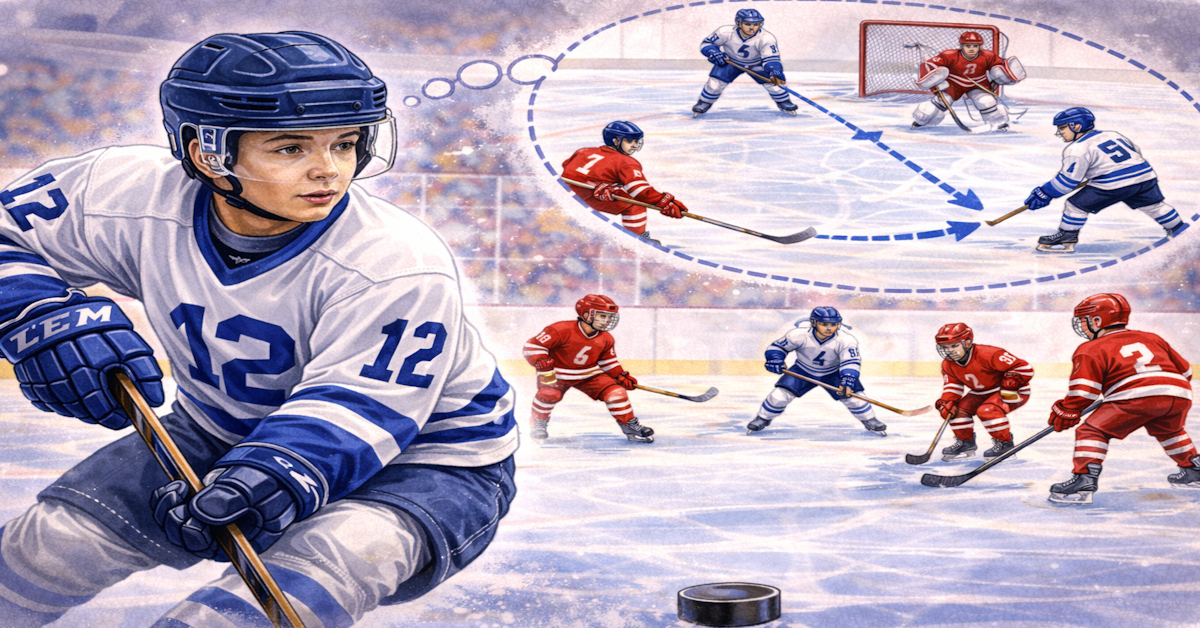
Thinking one pass ahead simply means that a player already knows their next option before the puck arrives on their stick. Instead of receiving a pass and then trying to figure out what to do, they scan the ice early, read the defensive pressure, and prepare their next move. This type of anticipation separates reactive players from intelligent, proactive players.
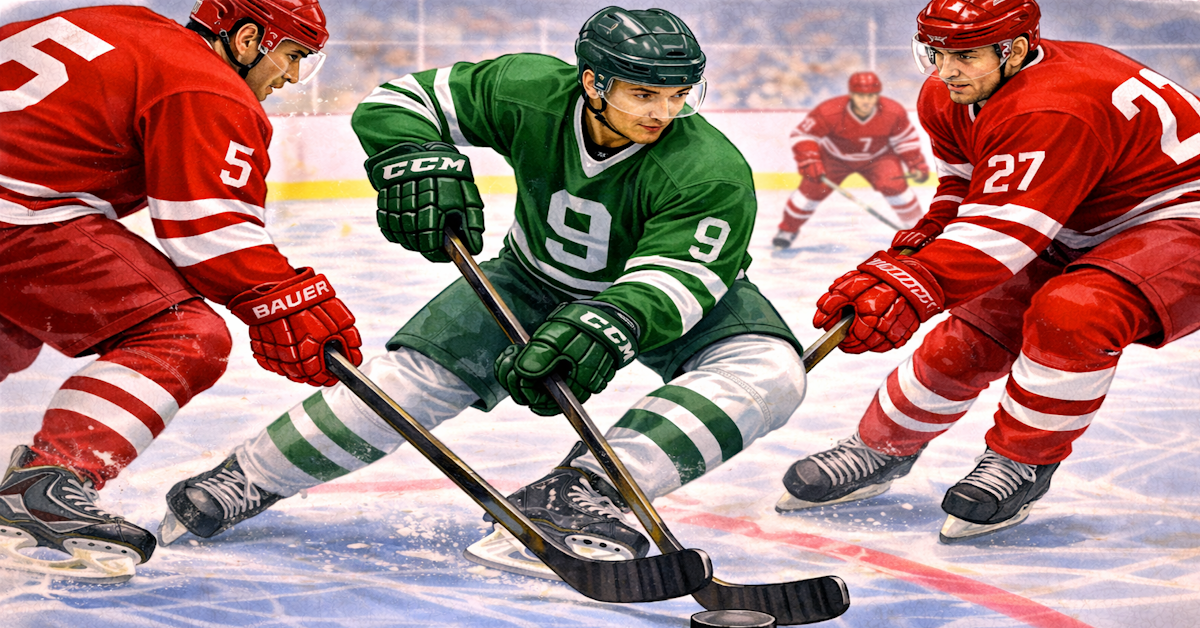
Stickhandling in open ice can feel comfortable, but the game becomes much harder when space disappears and pressure increases. This is where the “quiet hands” technique becomes one of the most valuable skills a player can develop. Quiet hands refer to calm, efficient, and controlled puck handling that allows players to maintain possession even in heavy traffic.
Don’t forget to grab all you can from this awesome site, and make this coming month one to truly remember…
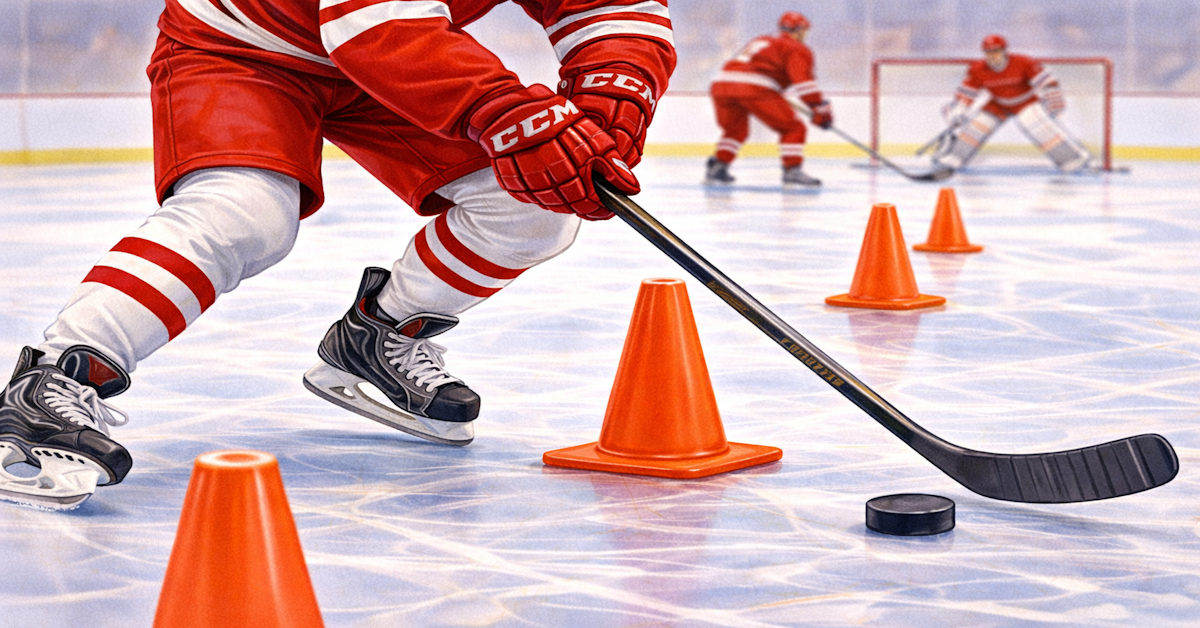
Most hockey players believe elite stickhandling is all about lightning-fast hands, fancy moves, and highlight-reel plays. Social media doesn’t help, because it shows the flash but not the foundation. In reality, the biggest difference between average stickhandlers and elite ones is not speed or creativity. It’s mastery of small, repeatable micro-skills that quietly show up on every shift. These details don’t look exciting on their own, but together they separate players who panic under pressure from players who stay calm and in control.
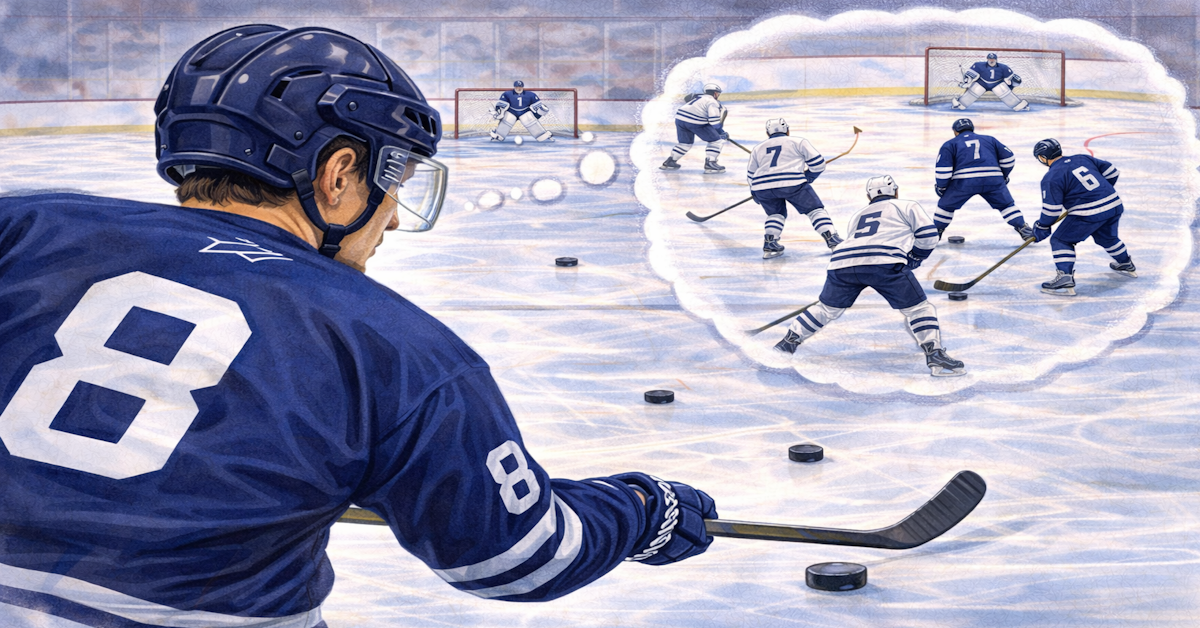
When coaches talk about players who “see the ice,” they are usually describing someone who seems calm, aware, and one step ahead of everyone else. These players know where teammates and opponents are before the puck ever reaches them. To many young players, this skill looks like magic or natural talent, but it is not…
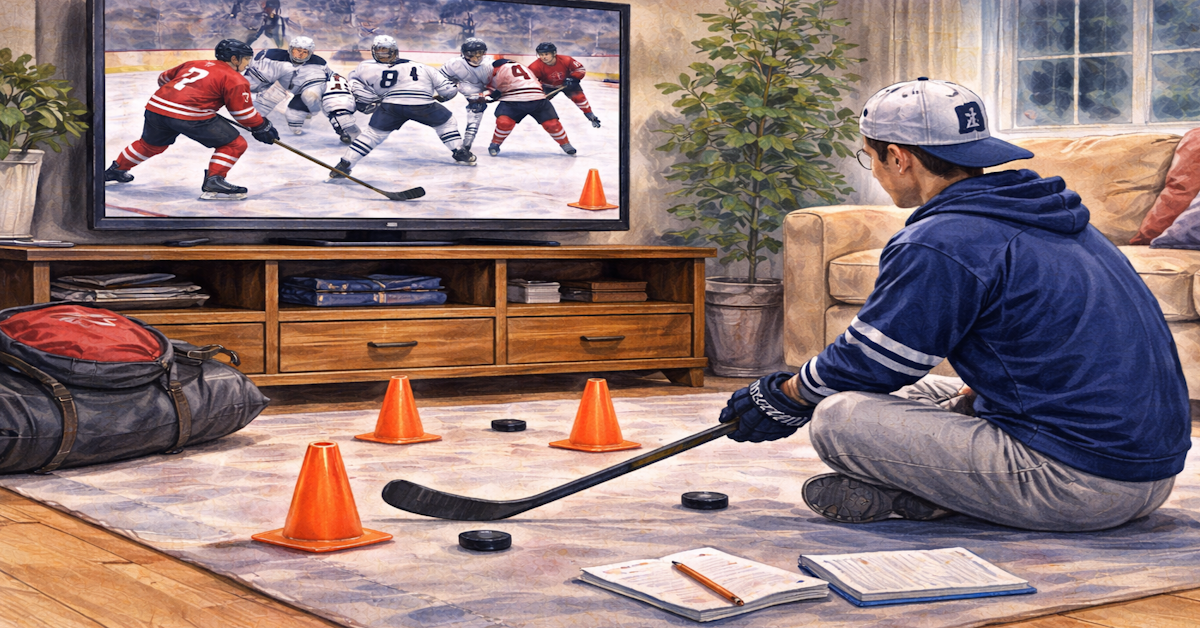
Hockey IQ is the ability to read situations, anticipate what will happen next, and make good decisions under pressure. For high school players, this skill often separates those who look calm and confident from those who feel rushed, even if their physical skills are similar. The good news is that hockey IQ can be trained at home in as little as ten minutes a day.
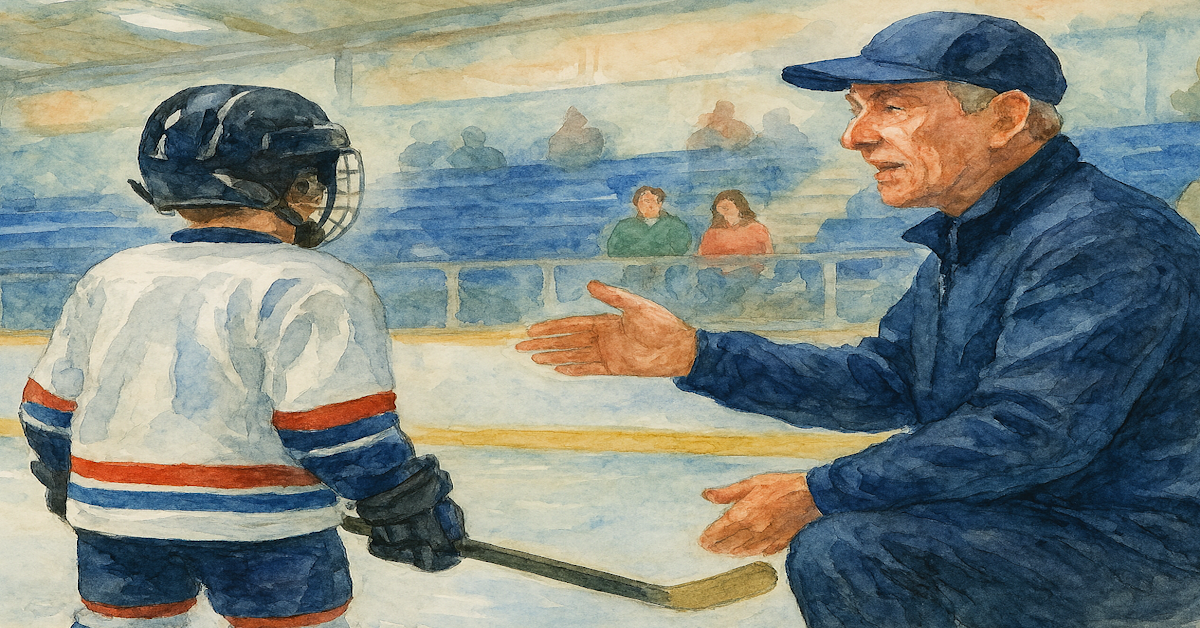
The truth is, teaching the game works best when it becomes a team effort. Every time someone shares a real experience, a smart observation, or a lesson learned from a practice, game, or season, it helps someone else grow. That’s why your voice matters here, and why your comments under each post can help us teach the game in ways no single coach ever could.
Don’t forget to grab all you can from this awesome site, and make this coming month one to truly remember…
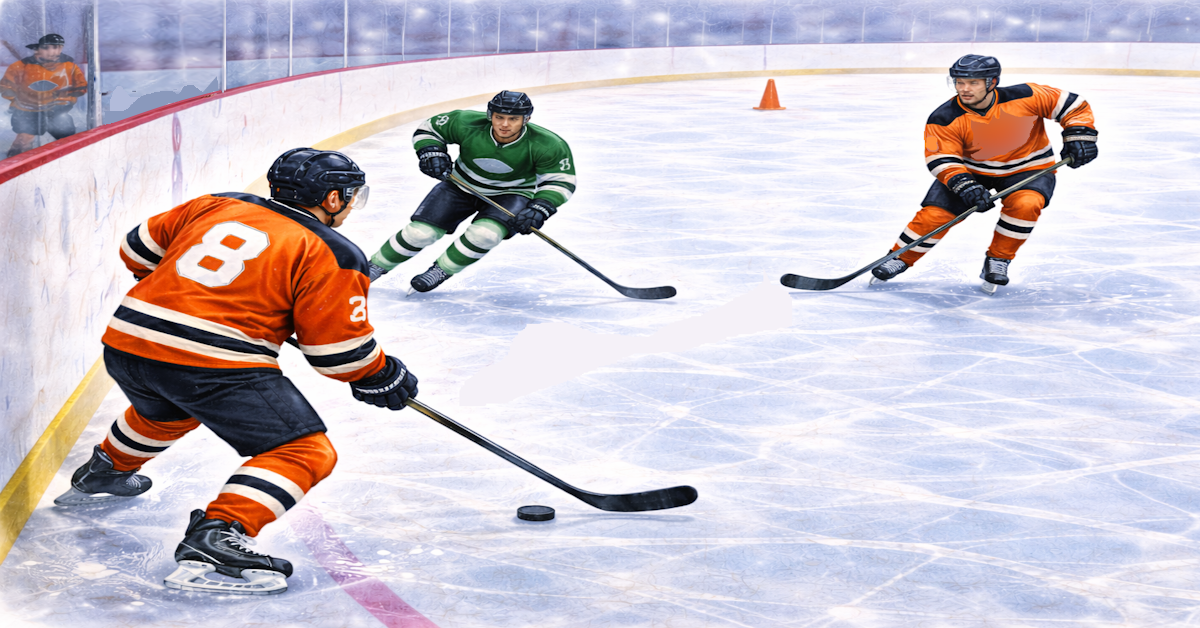
Better puck support is one of the most important team habits young hockey players can learn, yet it is often one of the most misunderstood. Many young players focus almost entirely on the puck carrier, thinking the job is done once someone has control of the puck. In reality, hockey is a game of constant movement, spacing, and decision-making. Strong puck support gives teammates options, reduces turnovers, and helps young players feel more confident when they have the puck on their stick.