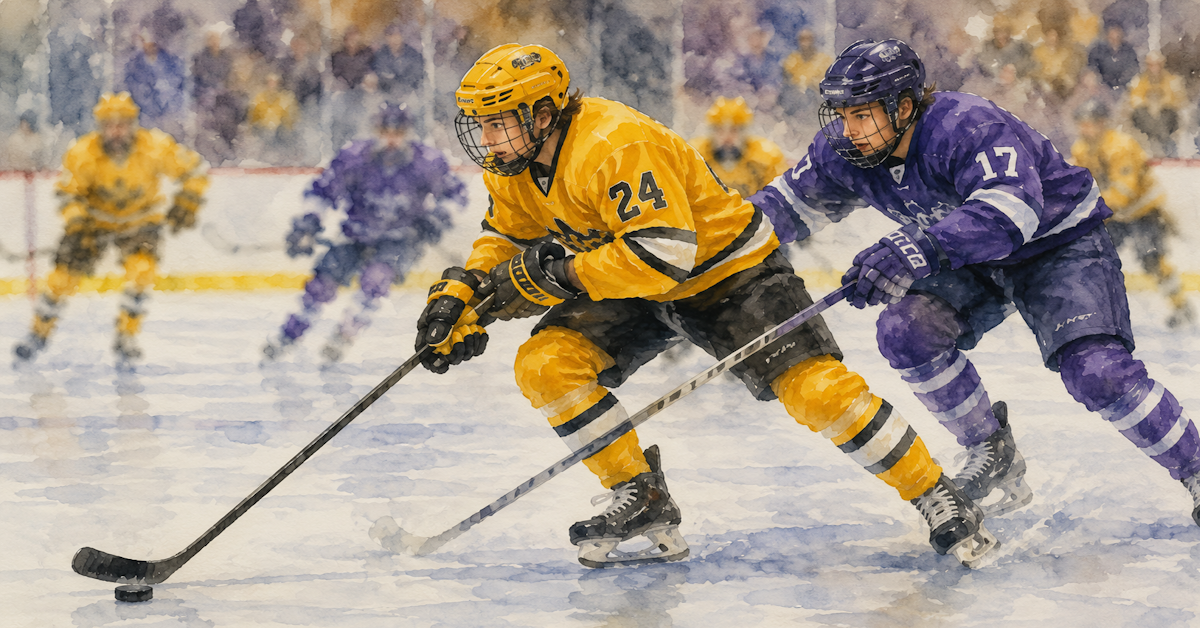
Helping young defensemen stop panicking under forecheck heat is really about building habits that become automatic. Smart scanning, strong skating, constant communication, realistic practice drills, positive coaching, and growing confidence all work together to slow the game down…
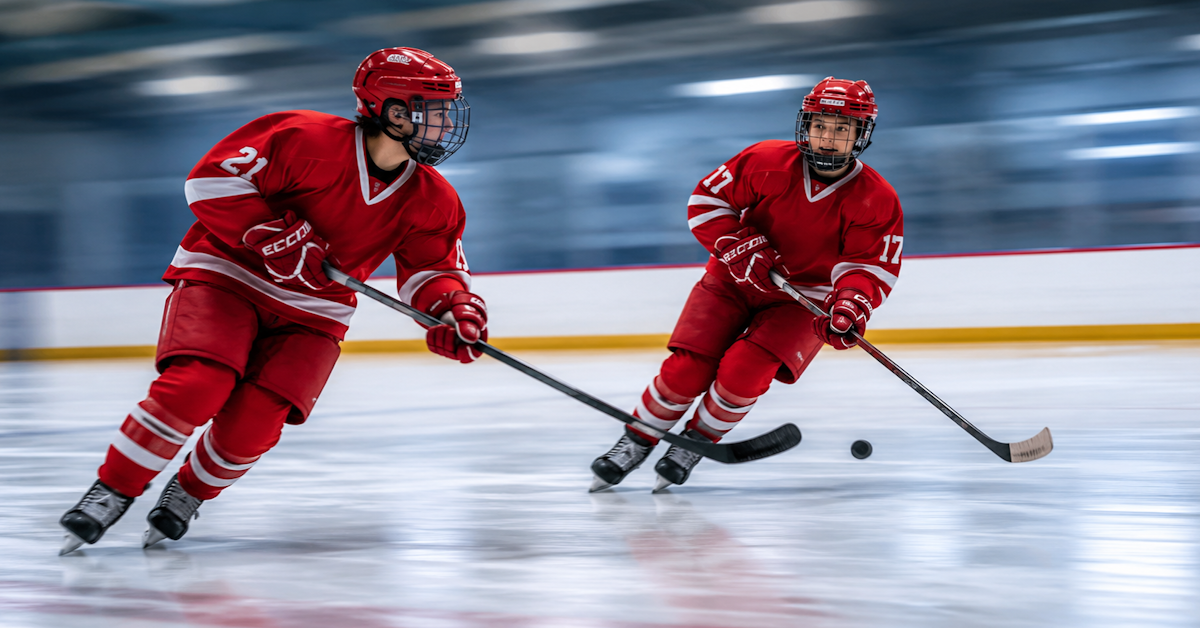
The latest hockey research and coaching methods for 2026 are putting even more attention on first touch skills because coaches now understand that the first second after puck possession is often the most important moment of an entire shift…
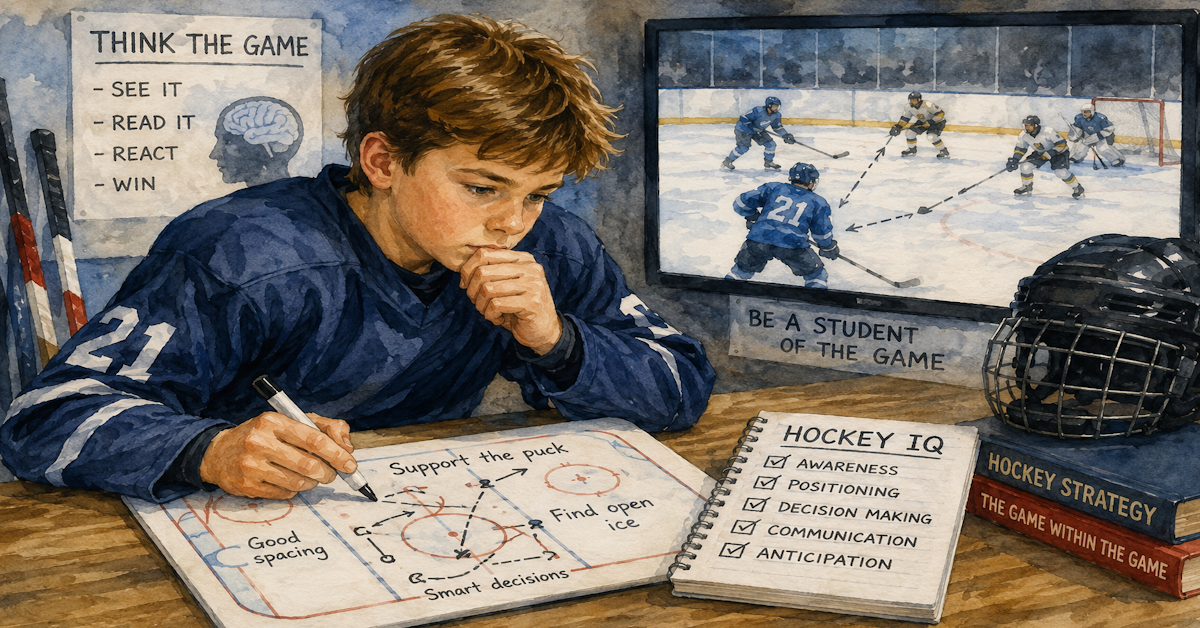
Hockey IQ is much more than having quick hands or fast skating. It is the ability to read the play, anticipate what will happen next, make smart decisions under pressure, and consistently be in the right place at the right time…
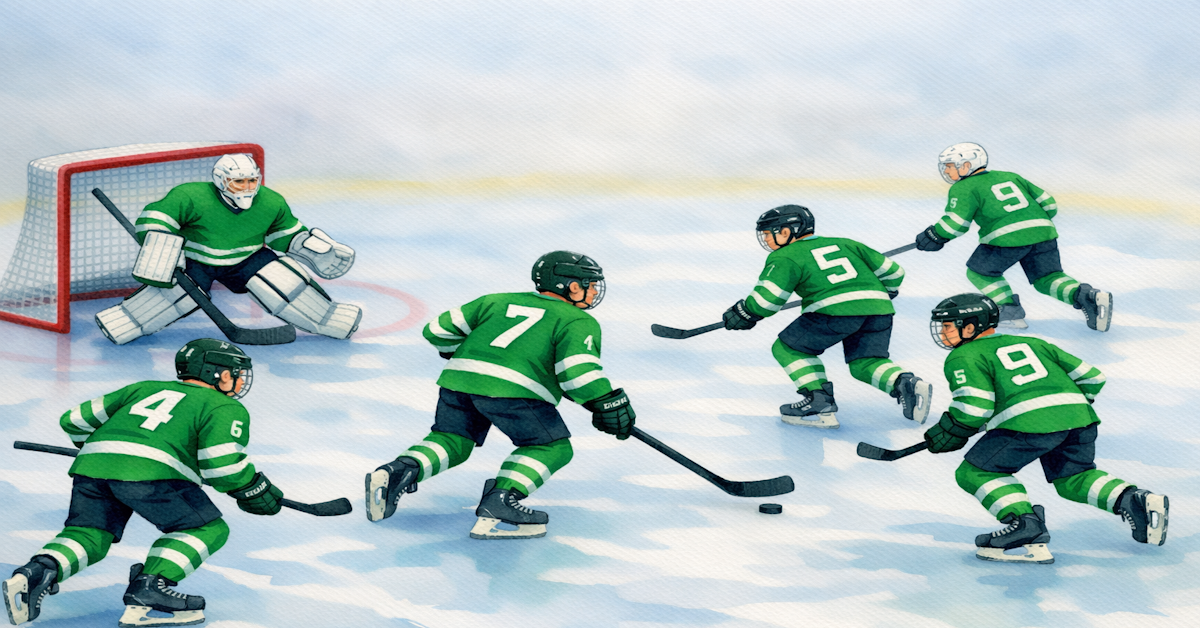
One of the biggest frustrations for youth hockey coaches, players, and parents is watching a team struggle to execute clean breakouts even after spending plenty of practice time working on them. Coaches draw the breakout on the whiteboard, players skate through the drill over and over, and everything looks smooth during practice. Then game day arrives, the opposing team applies pressure, and suddenly the breakout falls apart…
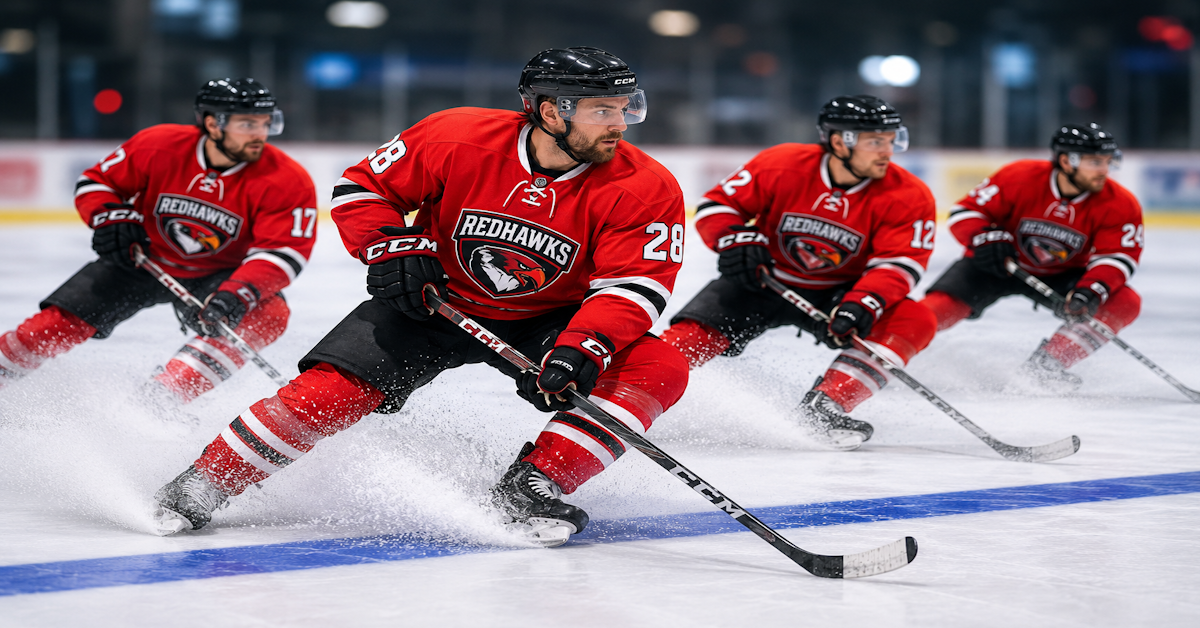
Unfortunately, many discover that modern hockey practices often move too quickly for someone who is just learning the basics. Instead of building confidence, these fast-paced sessions can leave new players frustrated, exhausted, and wondering if hockey simply is not for them. The good news is that the problem usually is not the player…
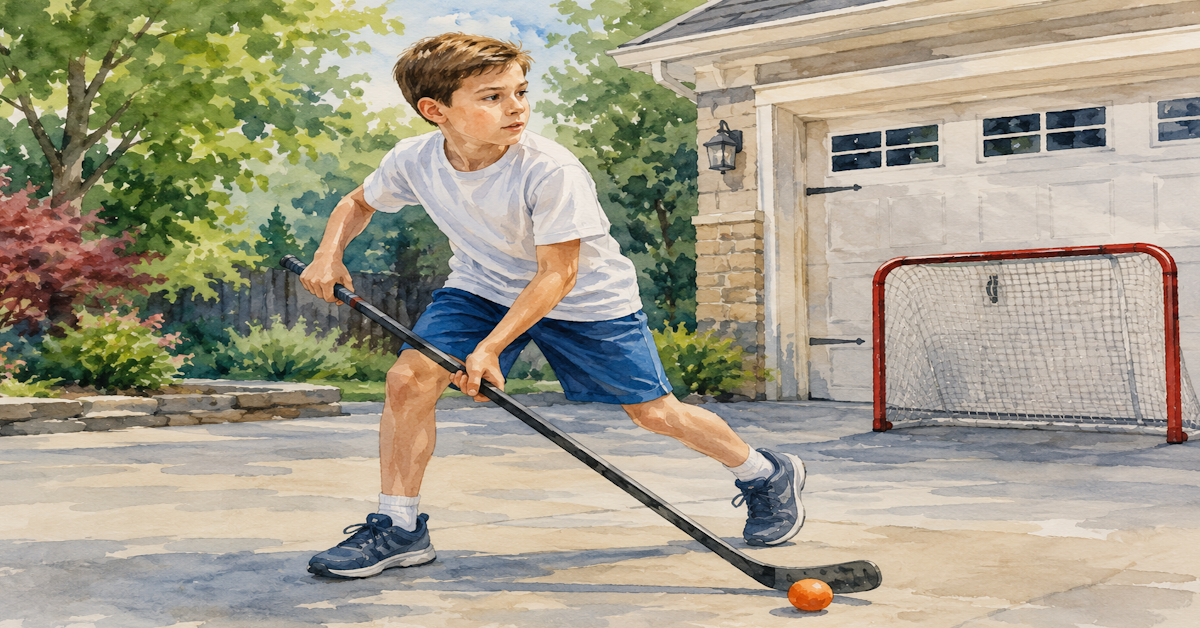
One of the most common challenges in youth hockey is teaching players to look up while handling the puck. Many young players become so focused on controlling the puck that they rarely notice what is happening around them. As a result, they miss open teammates, skate into pressure, and struggle to make smart decisions during games. Coaches often tell players to “keep your head up,” but for many kids, that instruction alone is not enough. Learning to scan the ice is a skill, and like every other hockey skill, it can be taught, practiced, and improved over time.
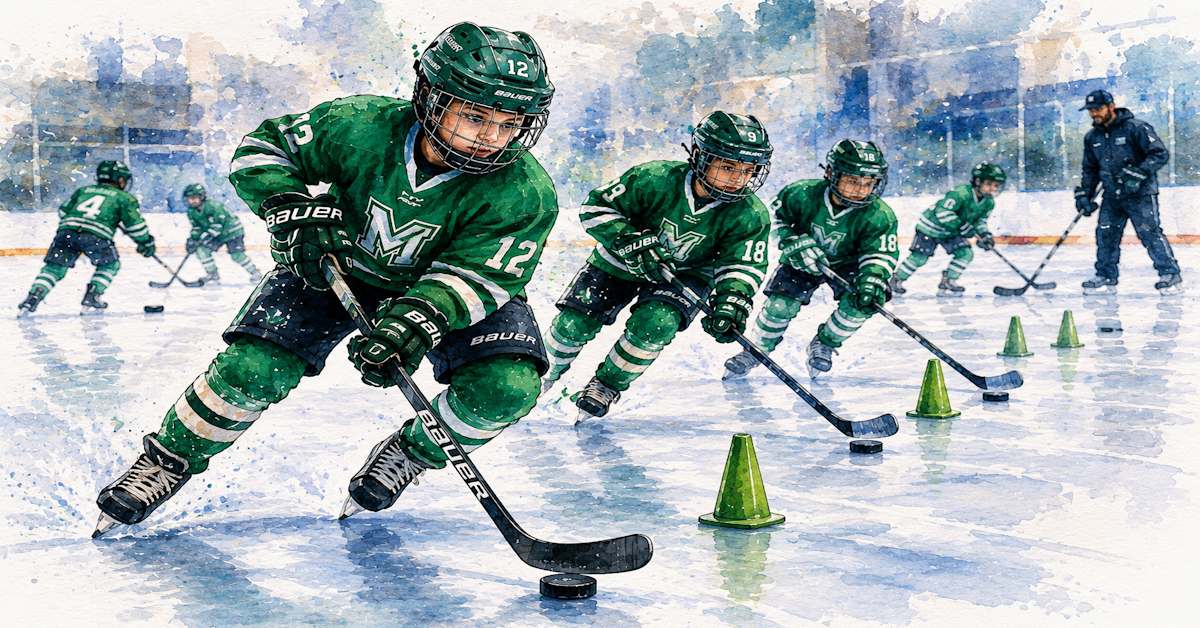
It happens all the time between the ages of 11 and 14. A player who was scoring goals, making teams, and gaining confidence can suddenly seem stuck. Their skating may stop improving as quickly. Their puck skills may look the same year after year. Their confidence may even begin to slip. Parents start wondering what happened. Coaches become concerned. Players often become discouraged. The truth is that this hockey development plateau is incredibly common, and understanding why it happens can help players continue growing instead of becoming frustrated.
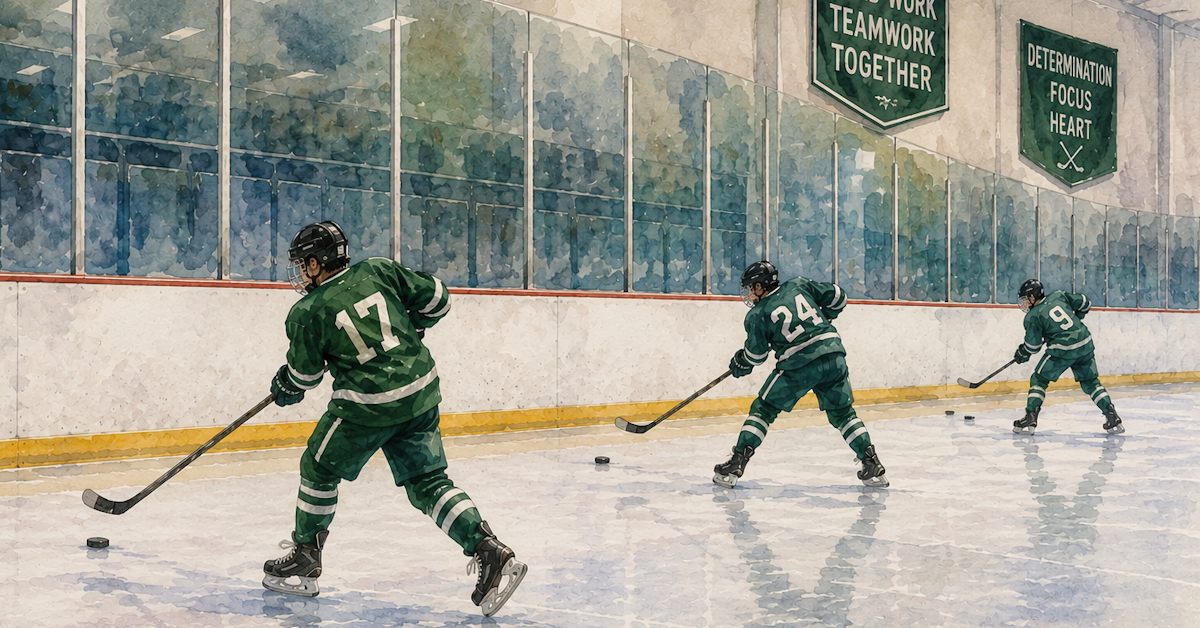
Every summer, hockey players across North America sign up for hockey skills camps with the goal of becoming better players before the next season begins. Parents invest time and money into skating camps, stickhandling clinics, shooting programs, and specialized development sessions because they want to help their players improve. Coaches often encourage athletes to use the off-season wisely and continue developing their game. The big question, however…
Hockey players hear it all the time: “Have your stick on the ice.” But that alone doesn’t guarantee you’ll control a pass. In fact, most bobbled pucks happen even when the blade is down — because the blade isn’t turned to the correct angle. The real key to clean puck reception is simple, but almost…
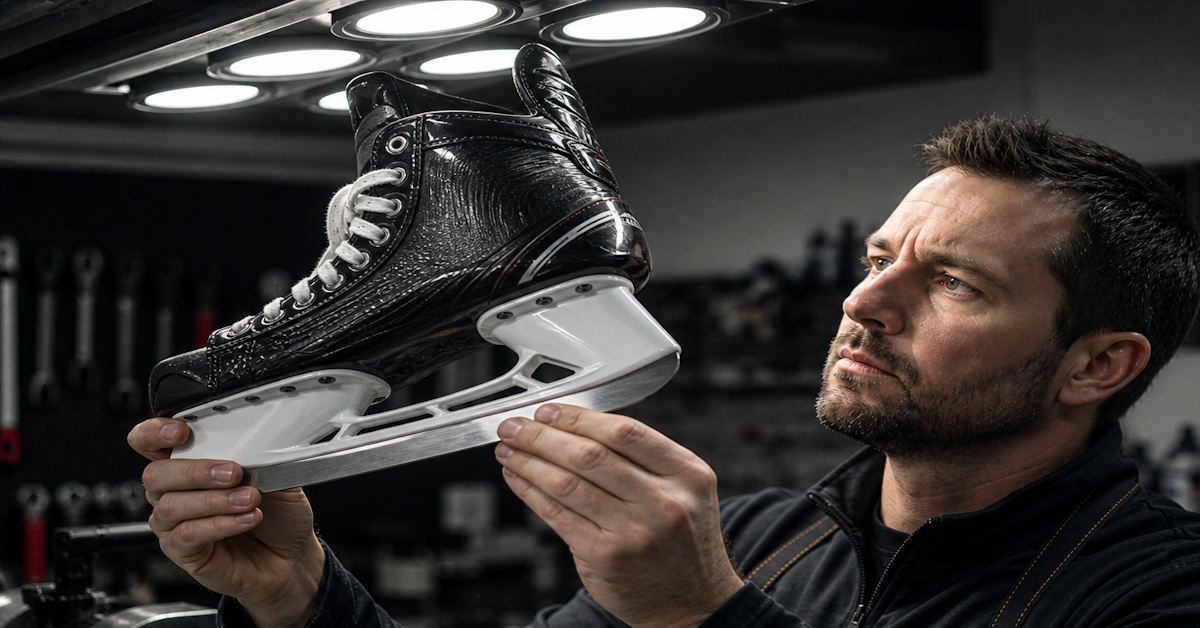
It can feel like every small detail in hockey equipment is the reason for success or failure. This is what many people call the “equipment rabbit hole,” and it is easy to fall into. Players start to believe that the next stick or a different sharpening will suddenly fix their game. The truth is, while hockey equipment does matter, overthinking it can actually slow down development and take focus away from what really improves performance.