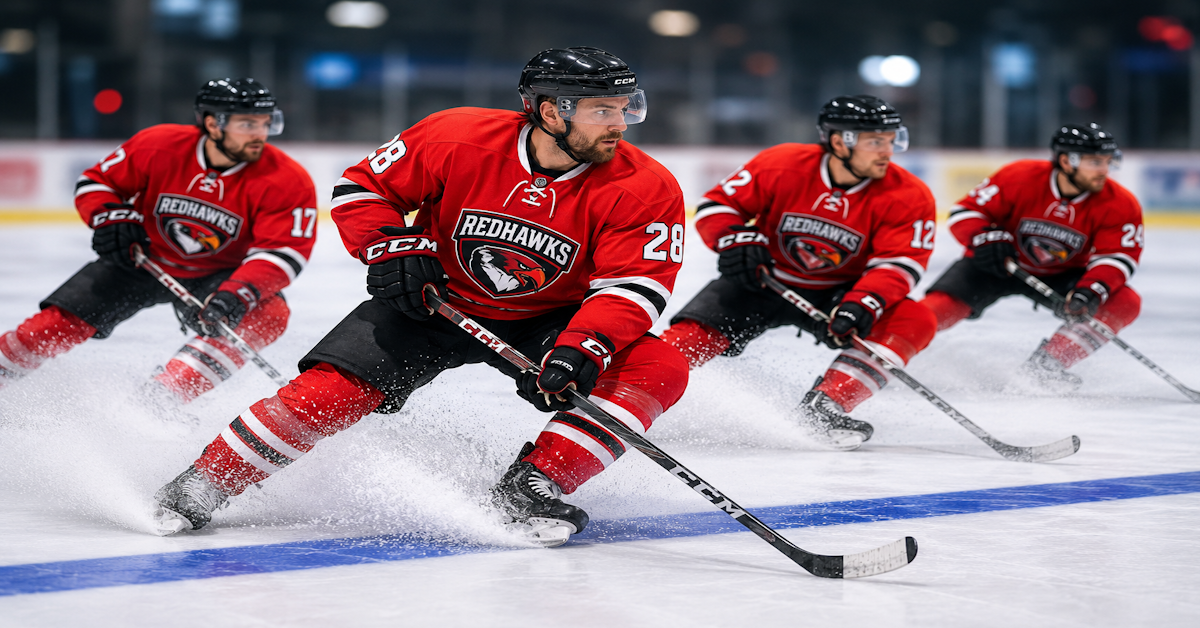
Unfortunately, many discover that modern hockey practices often move too quickly for someone who is just learning the basics. Instead of building confidence, these fast-paced sessions can leave new players frustrated, exhausted, and wondering if hockey simply is not for them. The good news is that the problem usually is not the player…
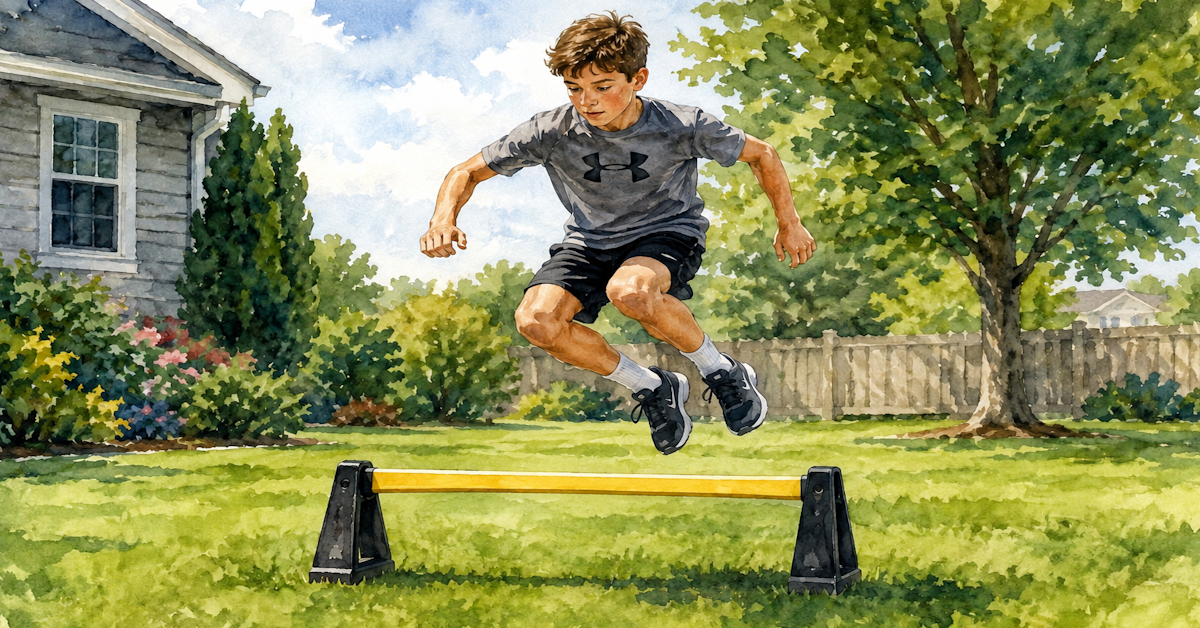
Modern off-ice training has changed a lot over the last decade, and many parents, coaches, and players are still trying to figure out what actually works. The good news is that effective hockey off-ice training is often much simpler than many people think. The goal is not to turn a young player into a professional athlete overnight.
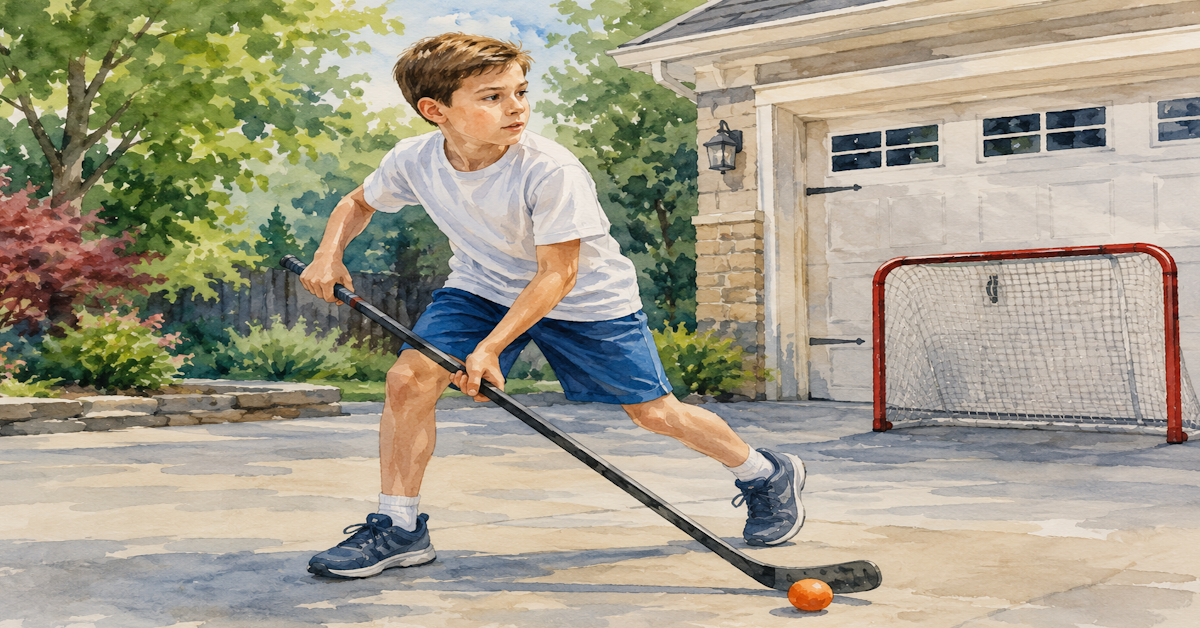
One of the most common challenges in youth hockey is teaching players to look up while handling the puck. Many young players become so focused on controlling the puck that they rarely notice what is happening around them. As a result, they miss open teammates, skate into pressure, and struggle to make smart decisions during games. Coaches often tell players to “keep your head up,” but for many kids, that instruction alone is not enough. Learning to scan the ice is a skill, and like every other hockey skill, it can be taught, practiced, and improved over time.
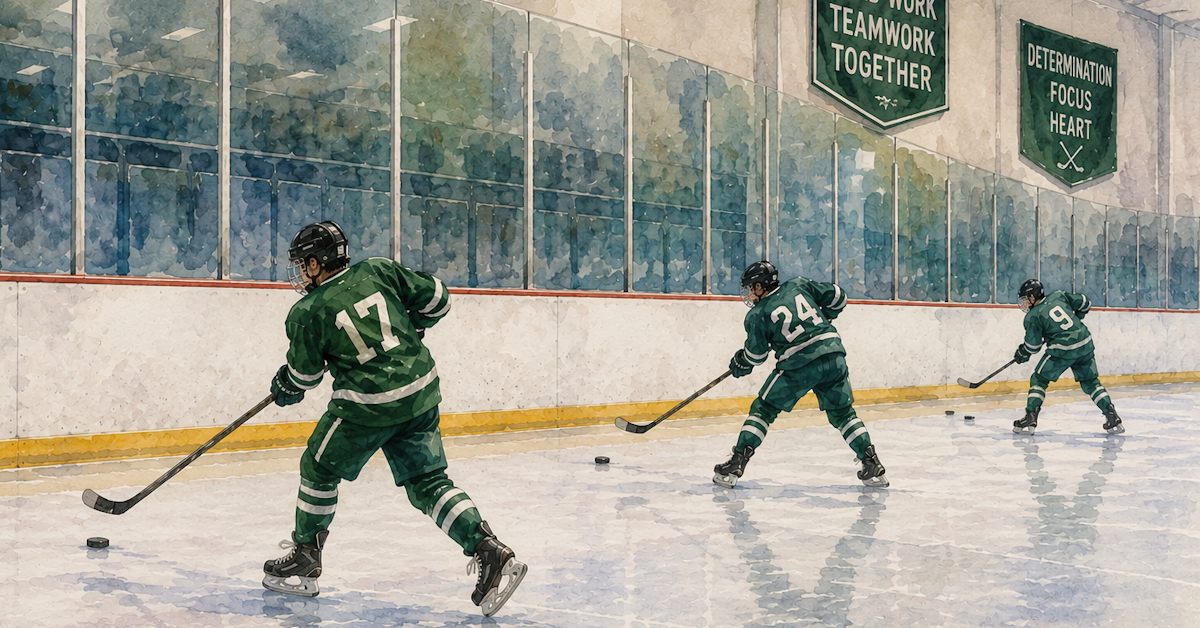
Every summer, hockey players across North America sign up for hockey skills camps with the goal of becoming better players before the next season begins. Parents invest time and money into skating camps, stickhandling clinics, shooting programs, and specialized development sessions because they want to help their players improve. Coaches often encourage athletes to use the off-season wisely and continue developing their game. The big question, however…
Summer hockey has become a major part of youth hockey culture, especially for competitive players who dream about making higher-level teams, junior hockey, college hockey, or beyond. There are certainly benefits to summer training, but there are also hidden costs that many players, parents, and even coaches do not fully recognize until they are deep into the process…
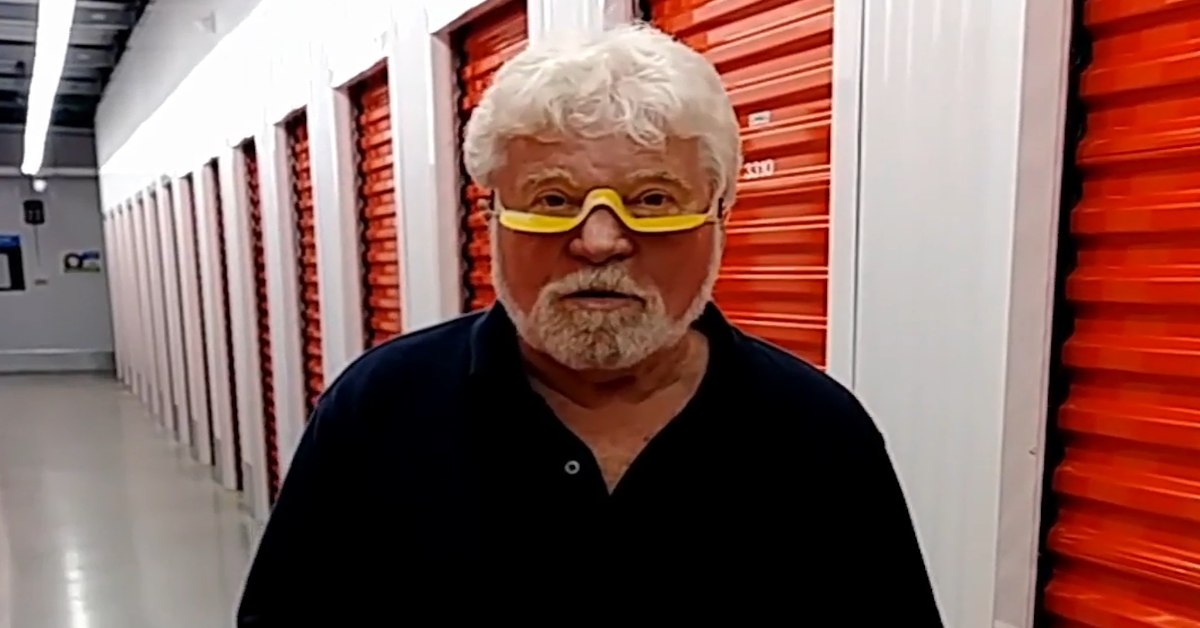
After years of running hockey schools, clinics, and team sessions, I’ve accumulated a lot of training gear — the kind of equipment that keeps players moving, learning, and improving without wasting time in long lines. And I’m now making the remaining pieces available to anyone who can put them to good use…
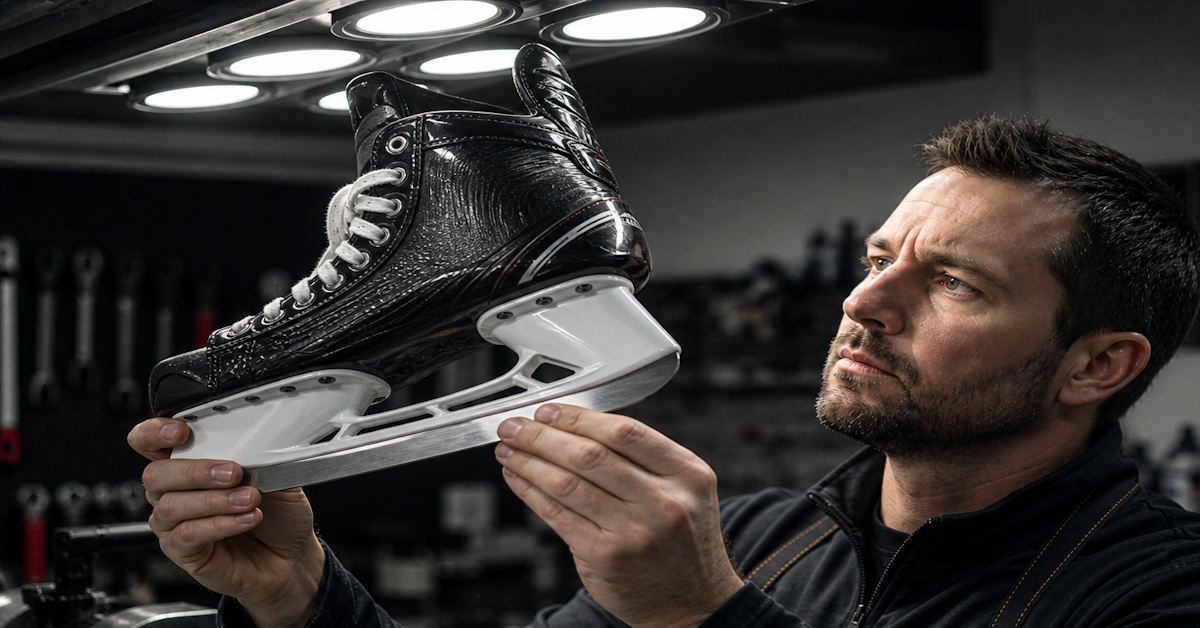
It can feel like every small detail in hockey equipment is the reason for success or failure. This is what many people call the “equipment rabbit hole,” and it is easy to fall into. Players start to believe that the next stick or a different sharpening will suddenly fix their game. The truth is, while hockey equipment does matter, overthinking it can actually slow down development and take focus away from what really improves performance.
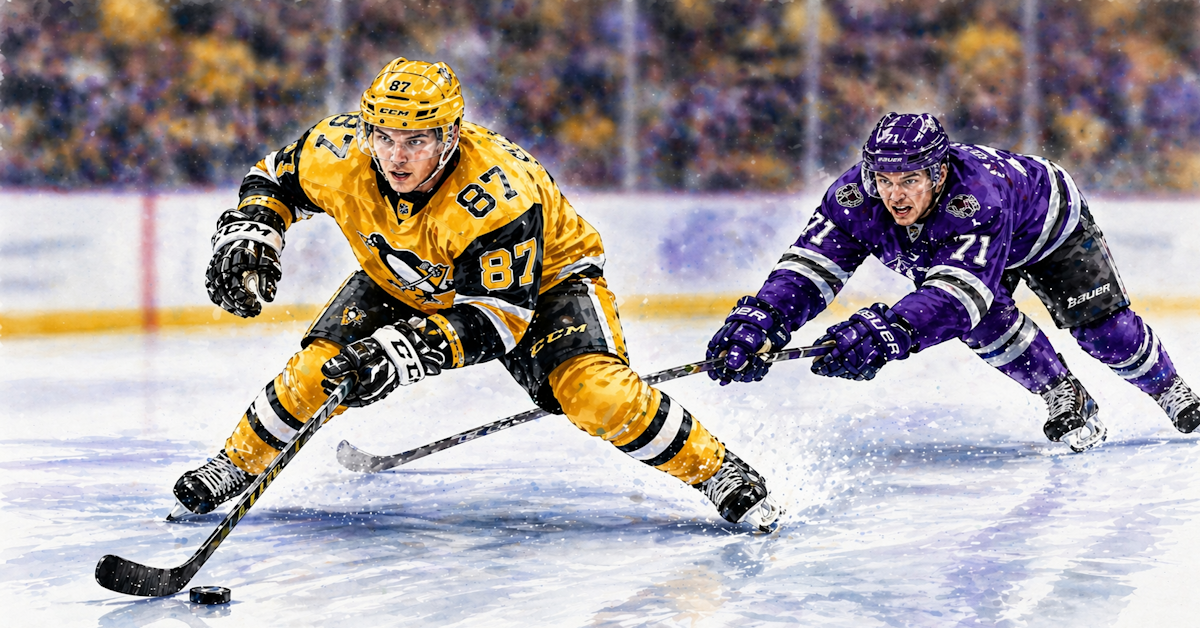
One of the most frustrating things for hockey players and coaches to watch is a player who looks fast and confident in practice but suddenly seems slower and less effective during games. This is a common issue in youth hockey, and it often leaves players wondering what went wrong…
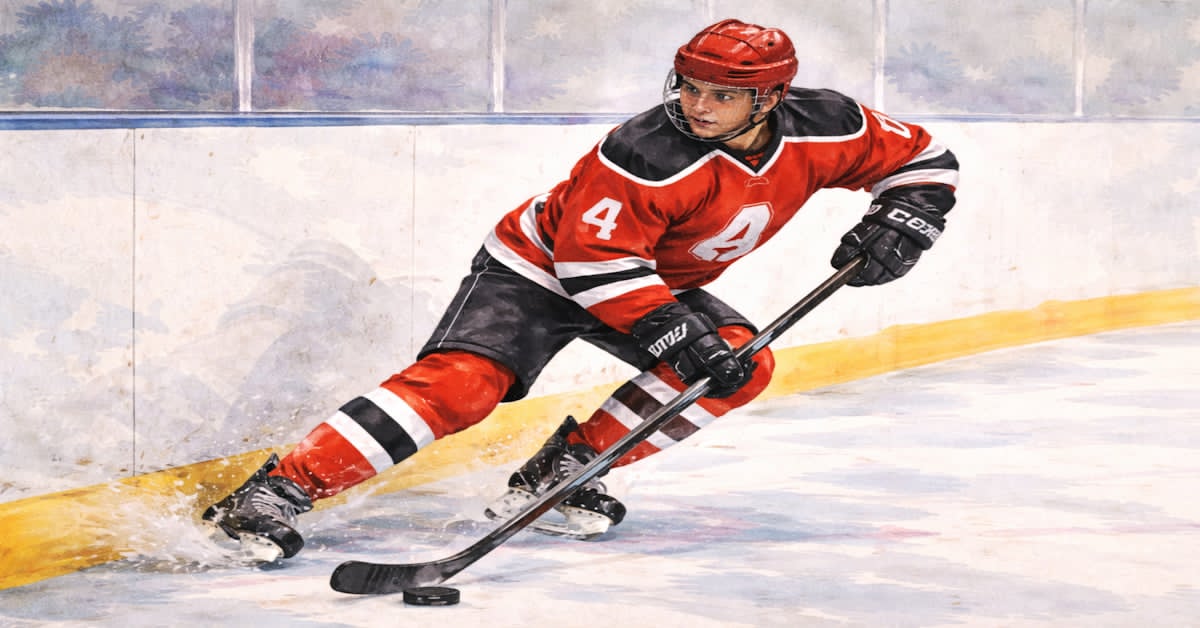
While coaches spend a lot of time teaching breakouts, passing, and positioning, the moment of retrieving the puck is where everything begins. If a defenseman cannot get to the puck cleanly, handle pressure, and make a smart first decision, the entire play breaks down before it even starts.
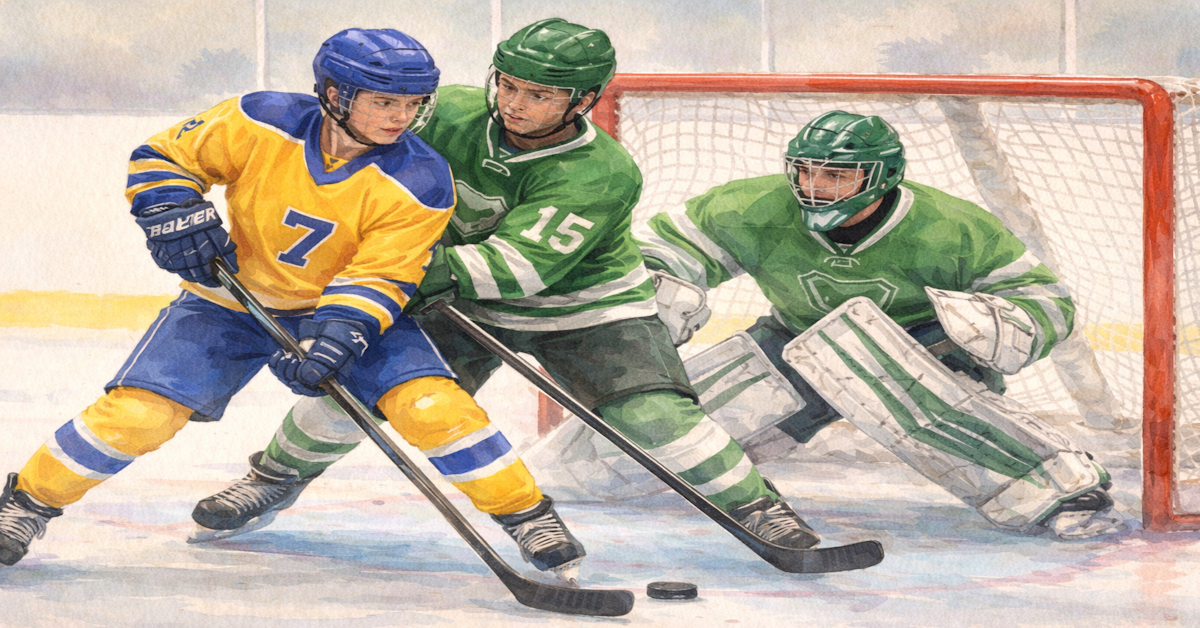
Net‑front play isn’t about being the biggest or strongest player on the ice. It’s about understanding leverage, timing, angles, and how to make life miserable for the opponent without taking penalties. When a player learns how to own the space around the crease, everything about their game becomes more dangerous. They become harder to defend, harder to move, and far more valuable to their team.