Hockey players often look for complicated ways to get better, but the truth is that real improvement usually starts with simple, foundational work…
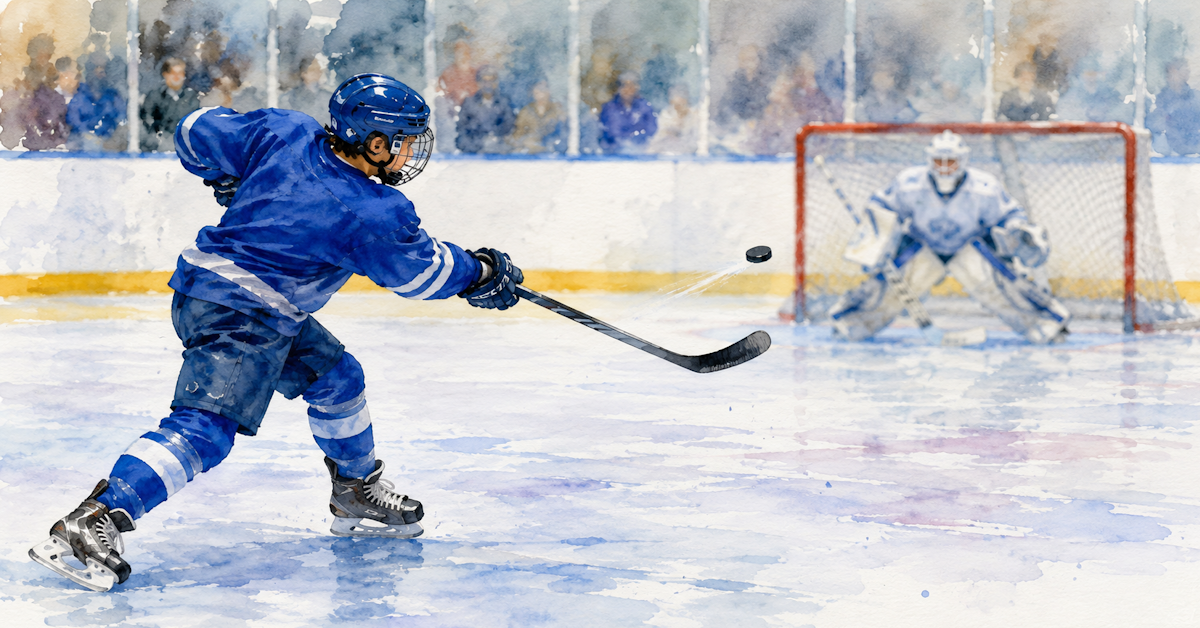
Many players believe that shooting harder is the secret to scoring more goals, but experienced coaches know that accuracy usually matters much more than pure power…
Every coach collects drills — books, videos, binders full of them. I’ve got hundreds myself. But no drill library is ever enough, because every team is different and players’ needs change quickly. That’s why the best coaches don’t just use drills… they create them…
With mental toughness always being a key to solid hockey play, we’re thrilled to once again present Shawnee Harle’s monthly insights into that area. And, in this video, she addresses an obvious concern with “Negative Self-talk”!
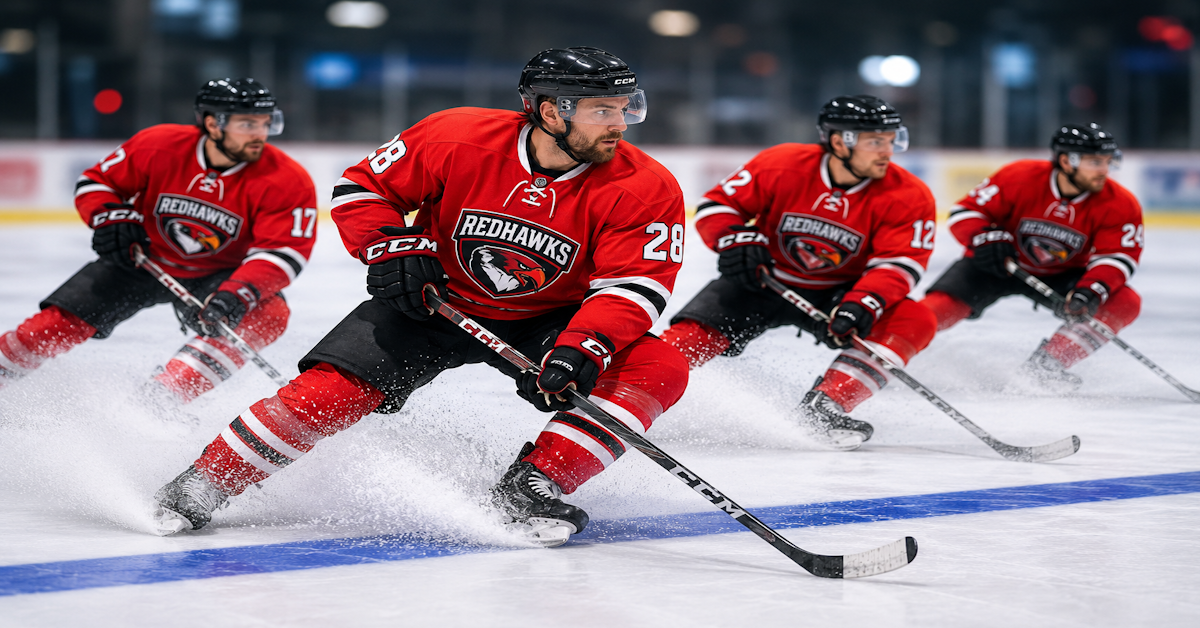
Unfortunately, many discover that modern hockey practices often move too quickly for someone who is just learning the basics. Instead of building confidence, these fast-paced sessions can leave new players frustrated, exhausted, and wondering if hockey simply is not for them. The good news is that the problem usually is not the player…
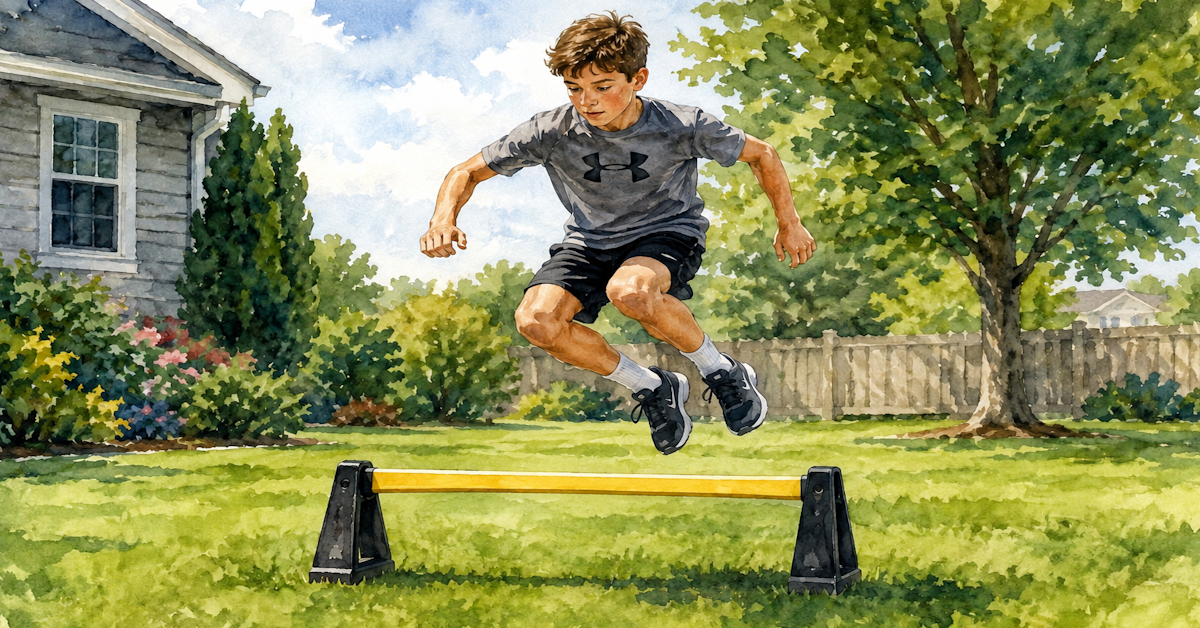
Modern off-ice training has changed a lot over the last decade, and many parents, coaches, and players are still trying to figure out what actually works. The good news is that effective hockey off-ice training is often much simpler than many people think. The goal is not to turn a young player into a professional athlete overnight.
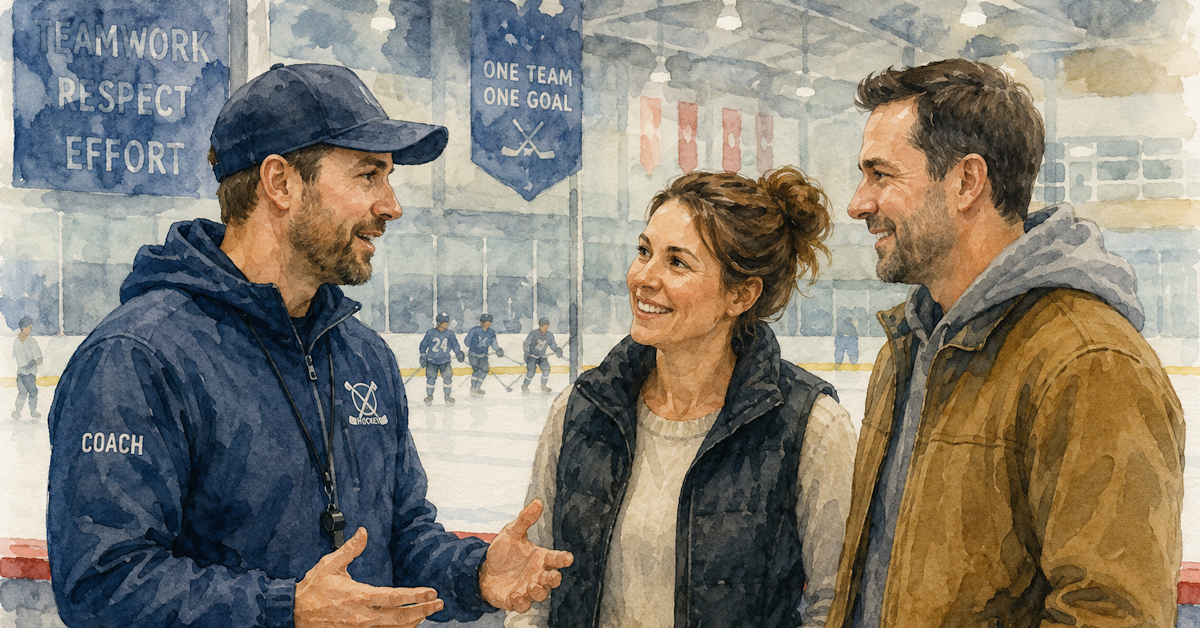
Youth hockey continues to evolve every year, but one thing remains constant: strong communication between parents and coaches can make a huge difference in a player’s development and overall experience. As we move into 2026, many hockey organizations are encouraging families and coaches to take a fresh look at how they communicate with one another. The goal is simple. Create an environment where players can focus on learning, improving, competing, and enjoying the game without unnecessary stress or conflict
With mental toughness always being a key to solid hockey play, we’re thrilled to once again present Shawnee Harle’s monthly insights into that area. And, in this video, she addresses an obvious concern with “Negative Self-talk”!
Follow along with Dave as he shows you how to use bands to train your body for more strength and endurance…
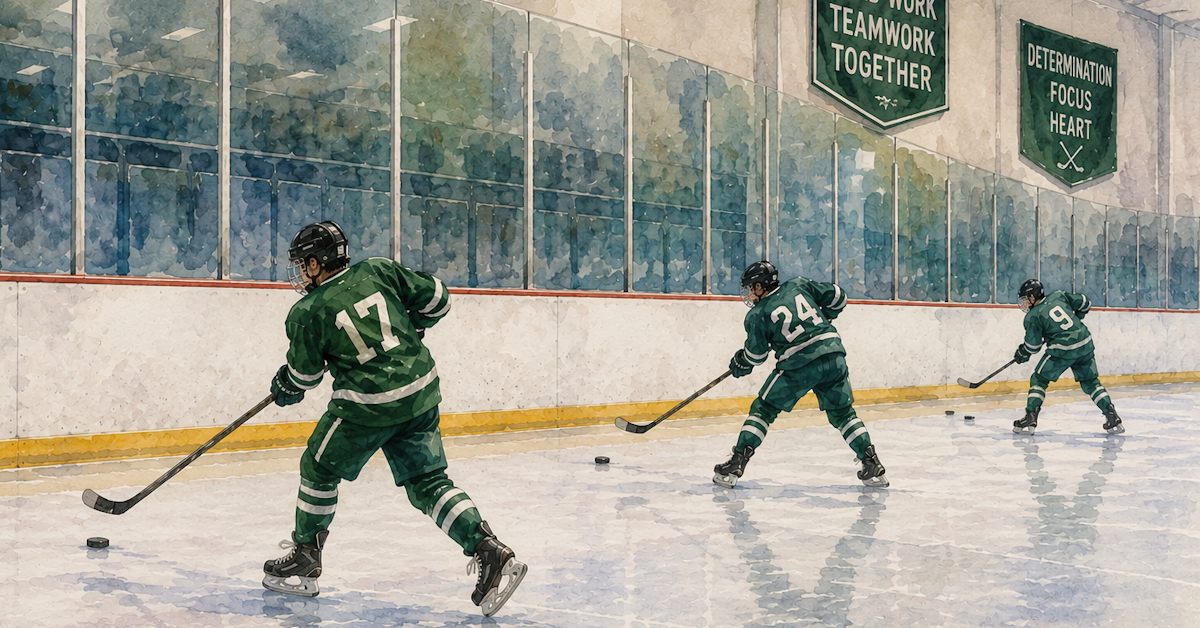
Summer hockey has become a major part of youth hockey culture, especially for competitive players who dream about making higher-level teams, junior hockey, college hockey, or beyond. There are certainly benefits to summer training, but there are also hidden costs that many players, parents, and even coaches do not fully recognize until they are deep into the process…