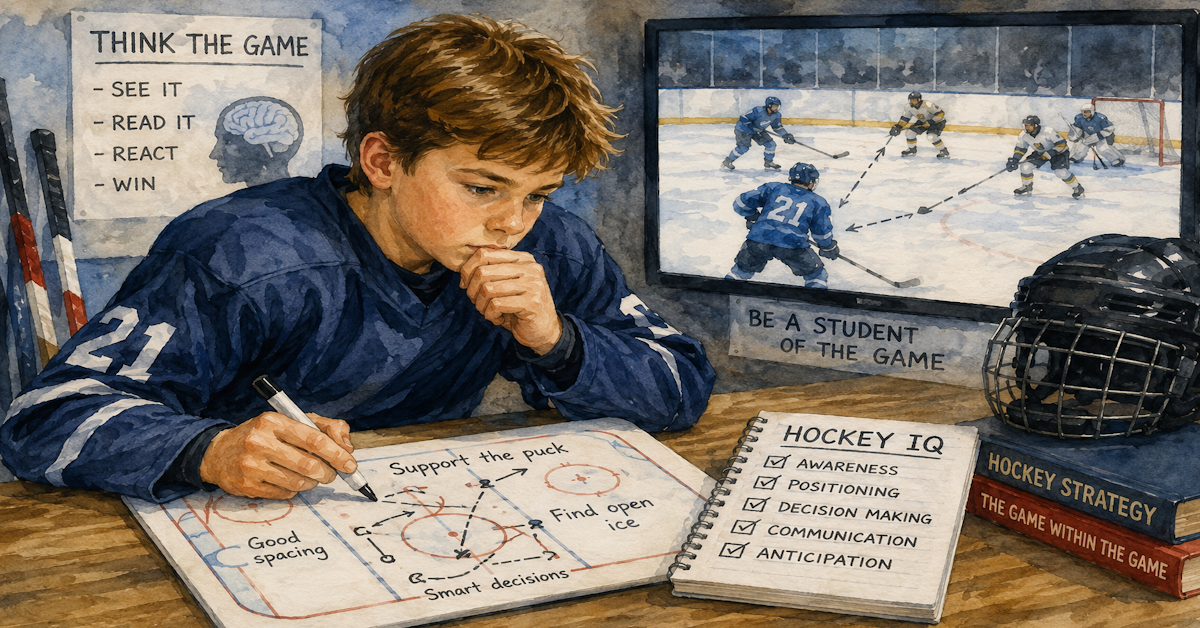
Hockey IQ is much more than having quick hands or fast skating. It is the ability to read the play, anticipate what will happen next, make smart decisions under pressure, and consistently be in the right place at the right time…
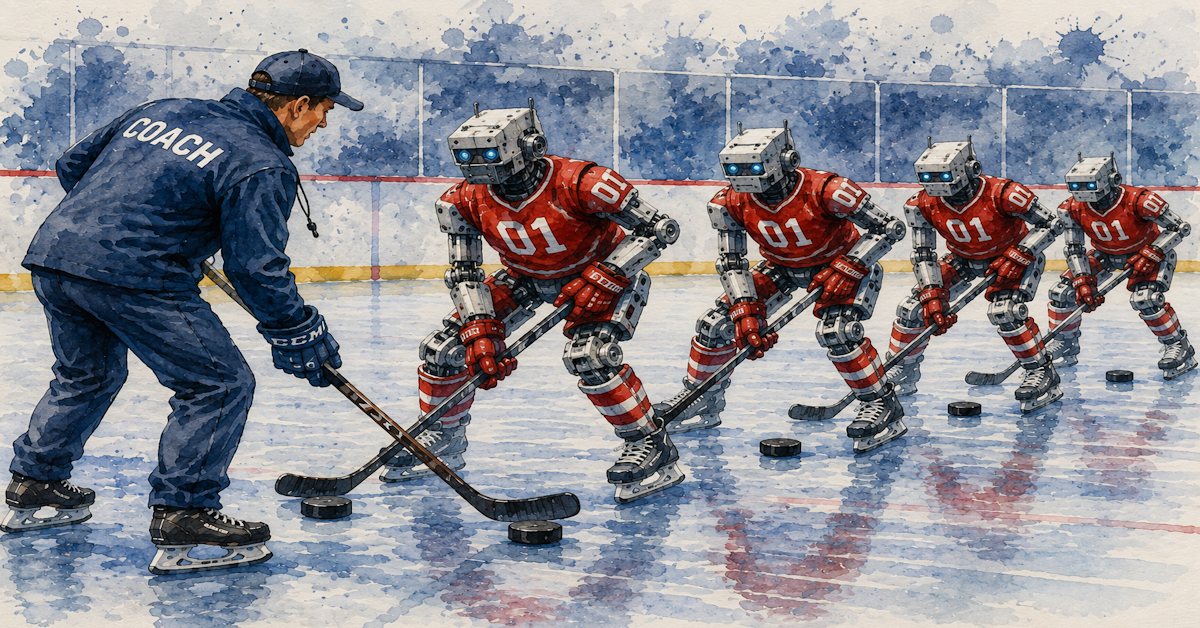
In today’s era of over coaching, helping athletes become independent decision-makers (and not making them play like robots) may be one of the most valuable skills a coach can develop…
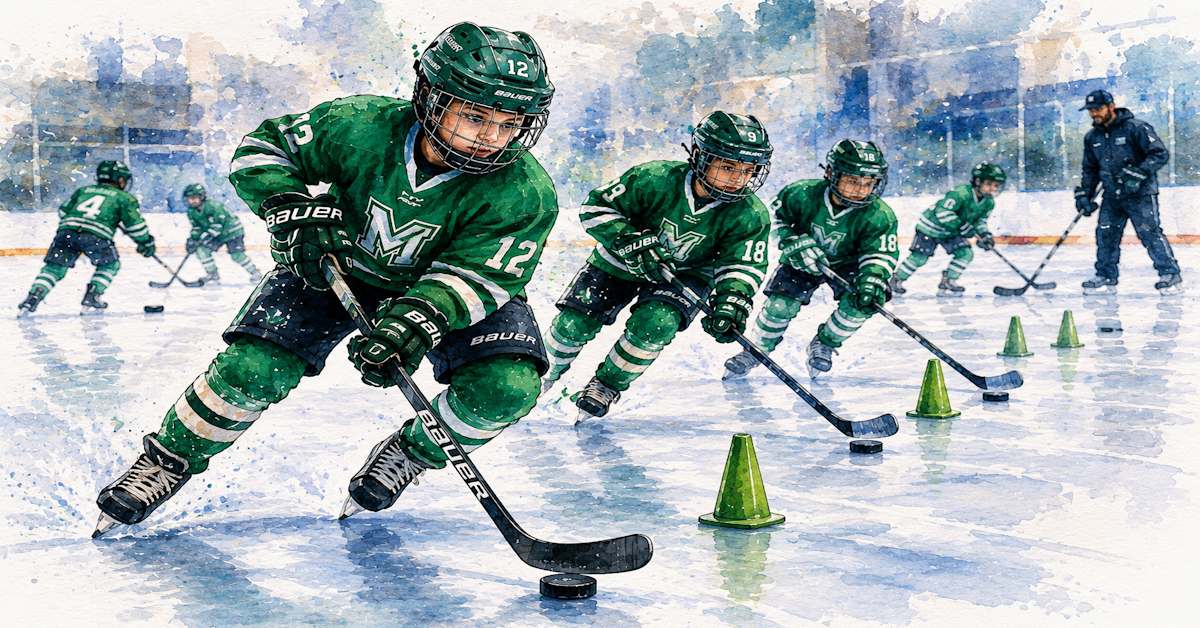
It happens all the time between the ages of 11 and 14. A player who was scoring goals, making teams, and gaining confidence can suddenly seem stuck. Their skating may stop improving as quickly. Their puck skills may look the same year after year. Their confidence may even begin to slip. Parents start wondering what happened. Coaches become concerned. Players often become discouraged. The truth is that this hockey development plateau is incredibly common, and understanding why it happens can help players continue growing instead of becoming frustrated.
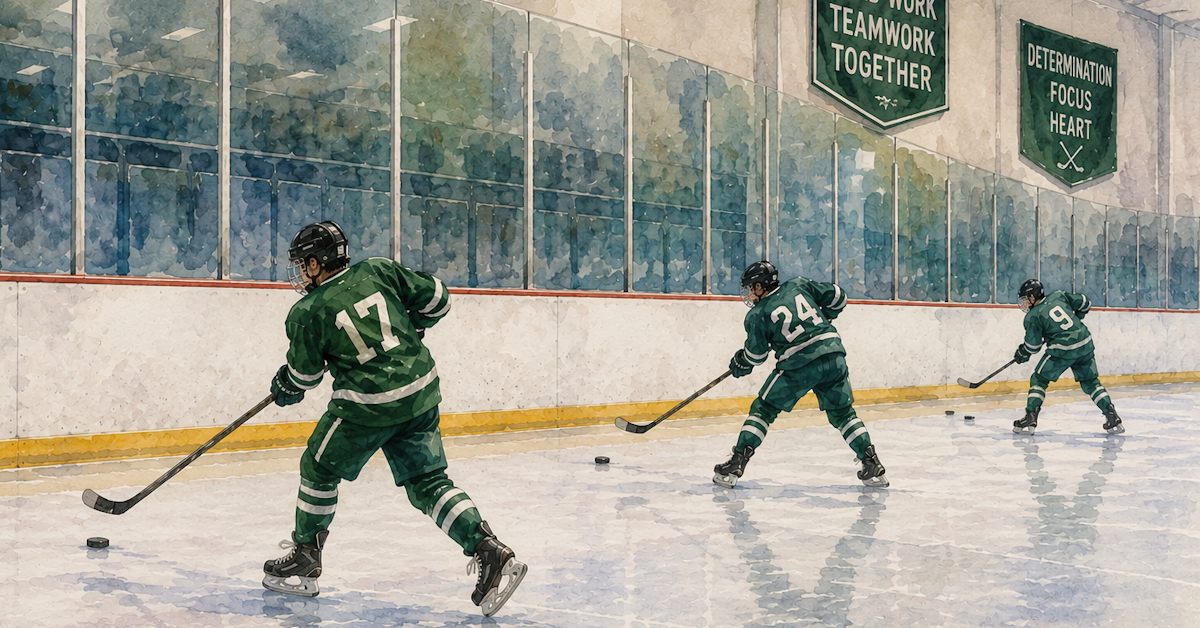
Every summer, hockey players across North America sign up for hockey skills camps with the goal of becoming better players before the next season begins. Parents invest time and money into skating camps, stickhandling clinics, shooting programs, and specialized development sessions because they want to help their players improve. Coaches often encourage athletes to use the off-season wisely and continue developing their game. The big question, however…
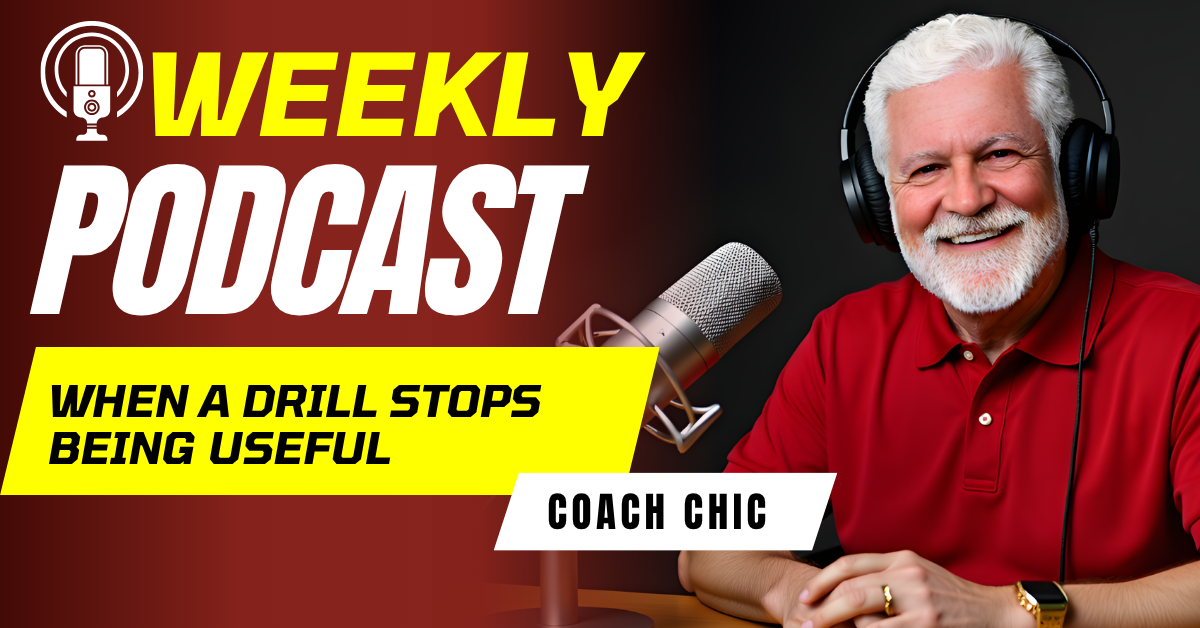
Here’s another quick CoachChic.com podcast I think my hockey friends will enjoy. It’s all about the posture required of a backward skating defender when he or she has to cover an oncoming attacker.
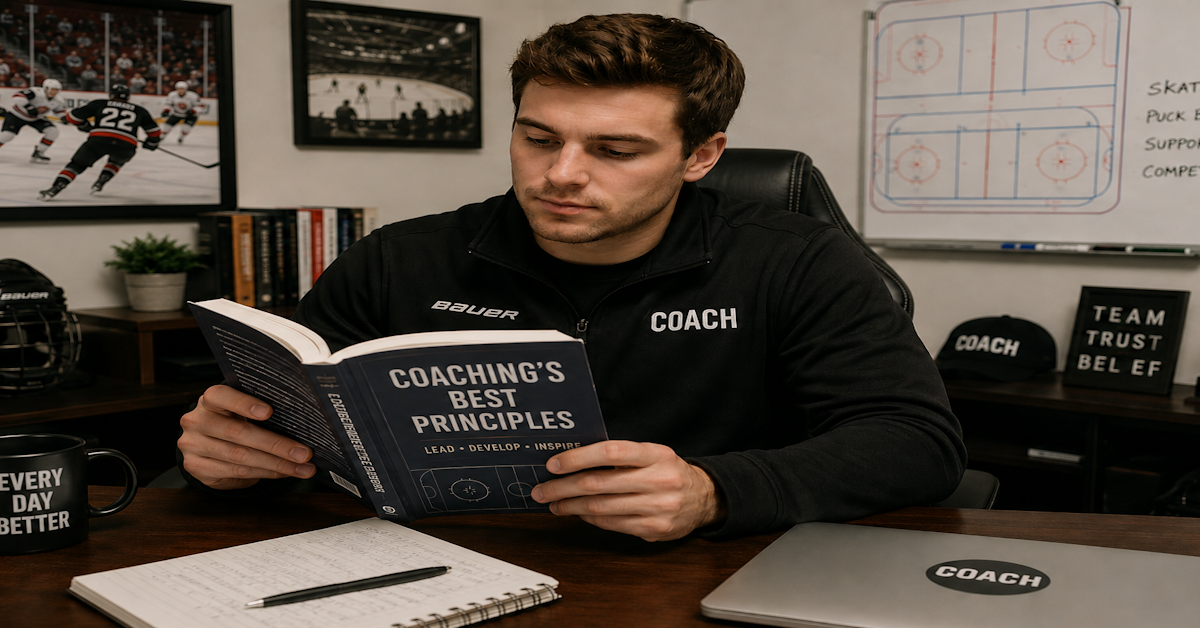
In today’s hockey world, it can feel like everything revolves around results. Players are judged by goals, points, rankings, and team records almost everywhere they go. Parents sometimes compare ice time, coaches feel pressure to win tournaments, and young hockey players can start believing that success only comes from being the top scorer or making the elite team right away. The problem is that hockey development rarely works in a straight line. Some players grow early, some develop confidence later, and many successful athletes spend years quietly improving before anyone notices.
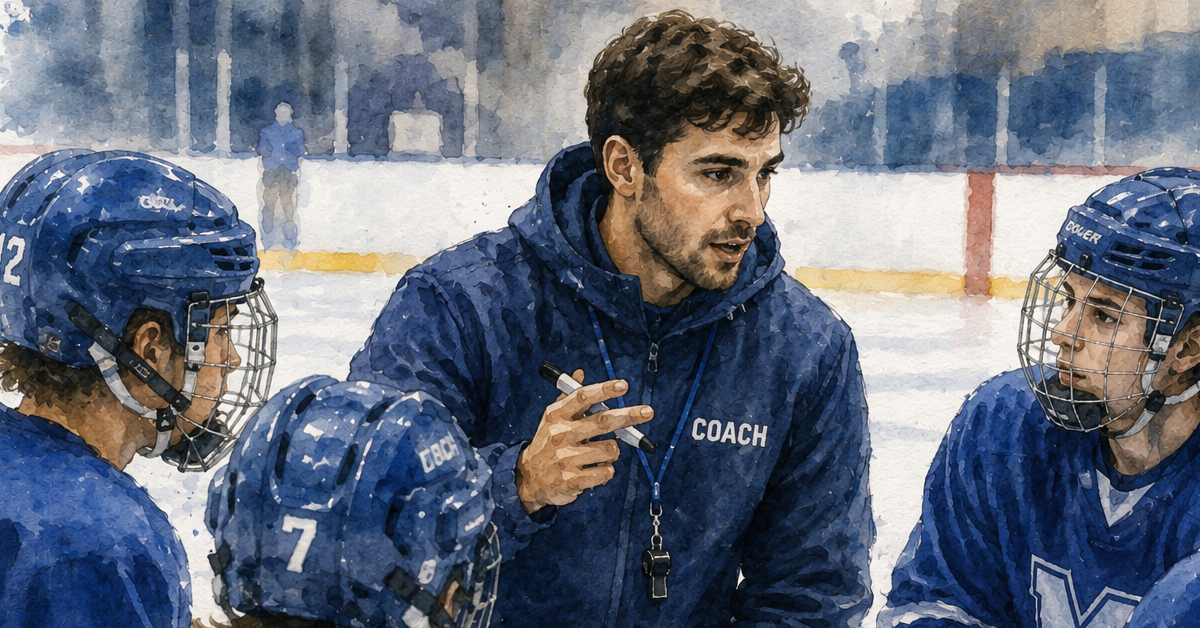
Few things change the direction of a hockey season faster than coaching turnover. One year a team may have a coach who focuses heavily on skill development, puck possession, and confidence-building, while the next year a completely different coaching style suddenly appears. For hockey players, parents, and even assistant coaches, these changes can create excitement, confusion, stress, or new opportunities depending on the situation.
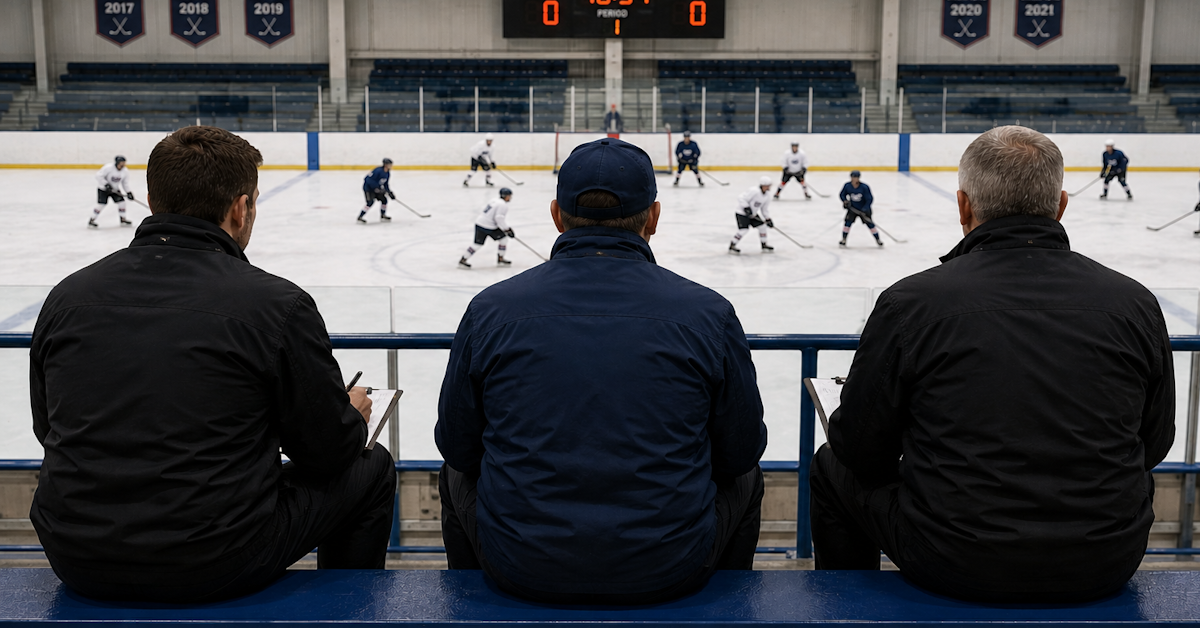
Every hockey season brings excitement, fresh goals, and new opportunities, but there is one part of the year that can create huge stress for players, parents, and coaches alike: hockey tryouts. Team selection season can feel like a pressure cooker. Players worry about making the top team, parents anxiously watch every drill from the stands, and coaches try to evaluate dozens of athletes fairly in only a few ice sessions. The truth is that hockey tryouts are emotional for almost everyone involved.
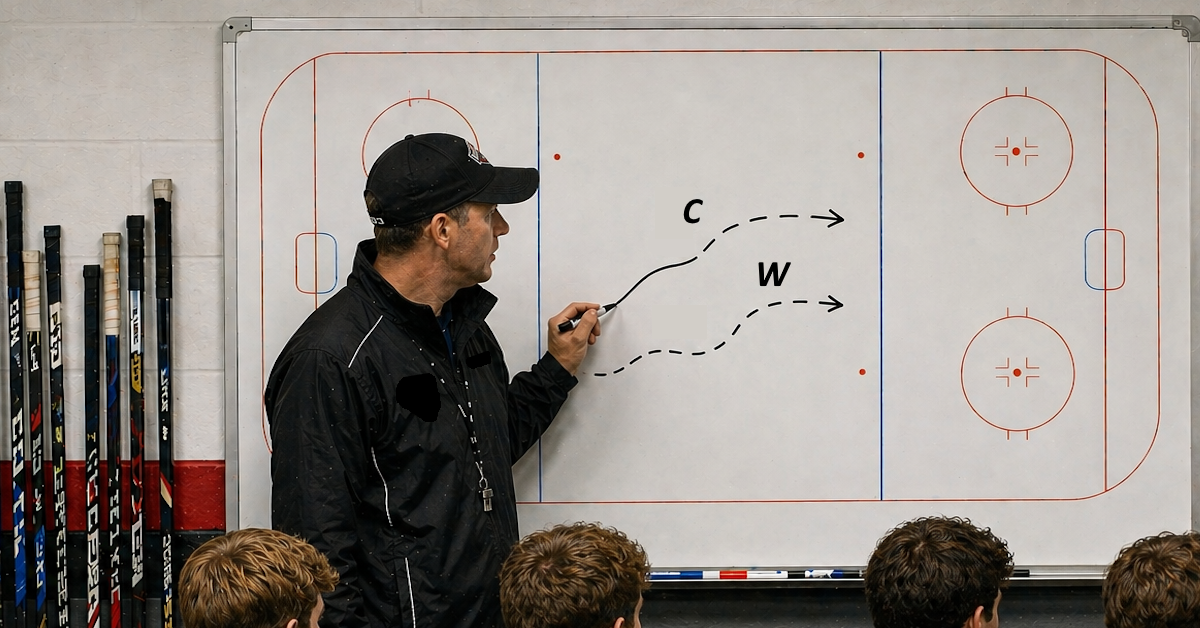
Learning how to play both center and wing is one of the most valuable skills a hockey player can develop, especially at the youth and high school level. Coaches are always looking for versatile players who can adapt to different roles, and players who understand both positions often have a higher hockey IQ and more opportunities to contribute.
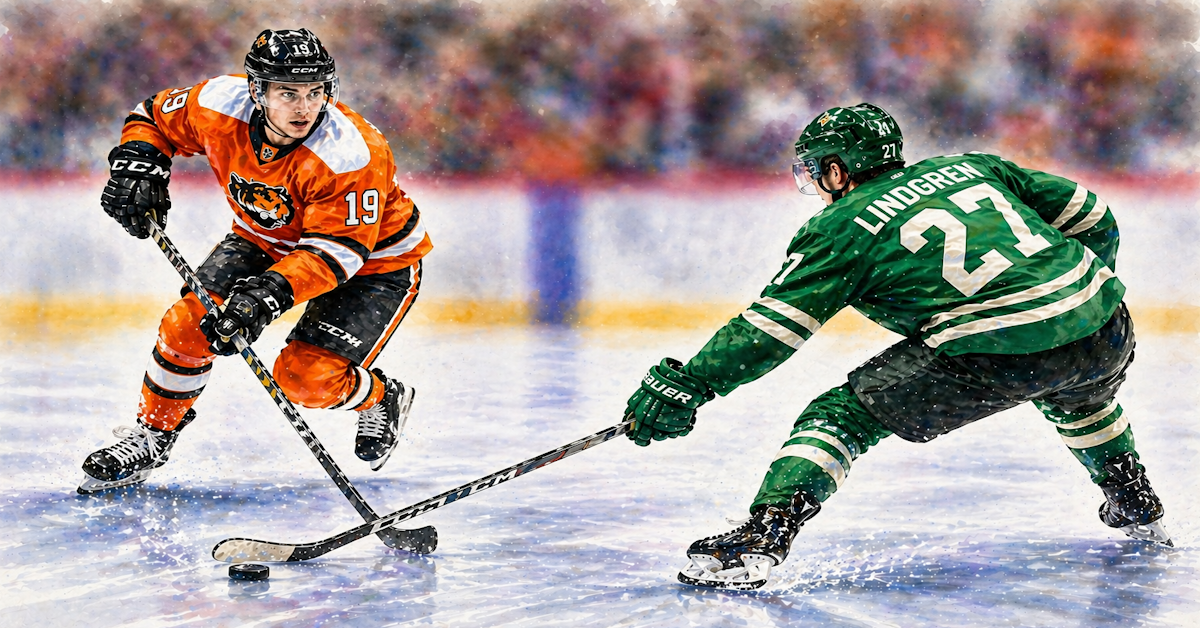
Gap control is one of the most important defensive skills in hockey, yet it is also one of the most misunderstood and underdeveloped, even at the high school level and beyond. Many players can skate well, understand basic positioning, and compete hard, but still struggle when it comes to managing space against an attacking opponent…