If there’s one thing I greatly miss after relocating from Massachusetts to Florida it’s my indoor hockey training facility I dubbed The MOTION Lab. The short video above provides a brief introduction but, I’ll look forward to sharing lots of ideas in future posts, including background information concerning some of the gadgets you see used…
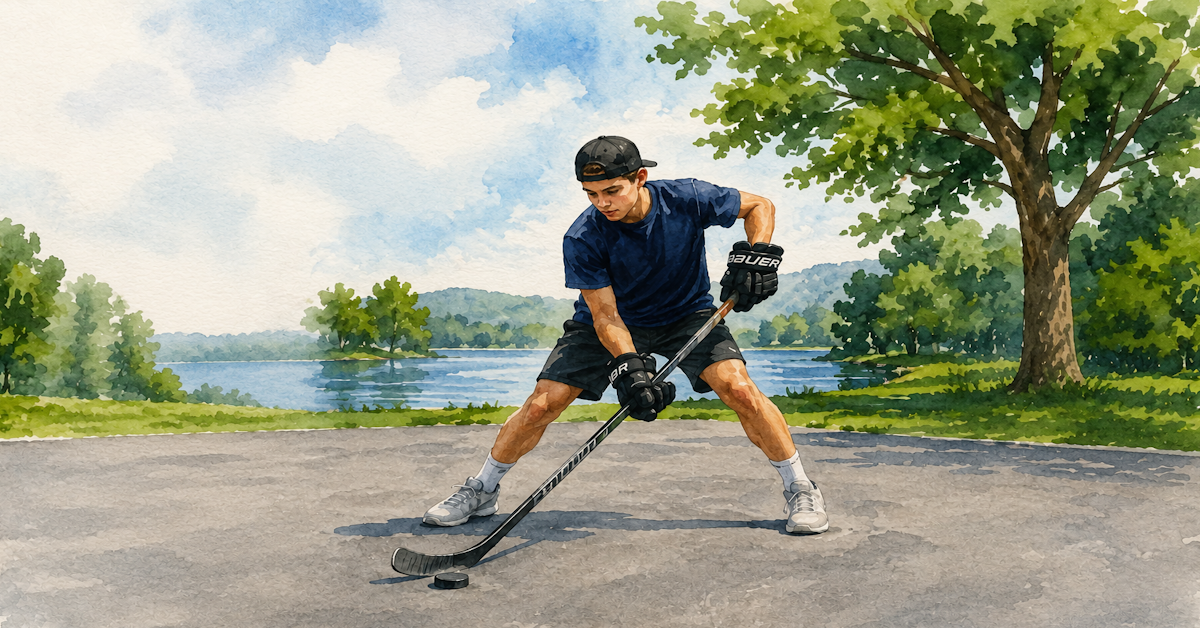
Summer is one of the best times of the year for hockey players to improve their stickhandling skills. With no games to prepare for and fewer team practices, players finally have the freedom to spend extra time working with a puck, ball, or stick. Driveways, garages, basements, and outdoor training areas become personal hockey development centers. Many young players dream of returning to the ice in the fall with quicker hands, better puck control, and greater confidence. Unfortunately…

Resistance bands, with their lightweight, flexible design and variable resistance, allow for joint-friendly, multi-plane strength training that promotes ageless strength without the drawbacks of free weights.
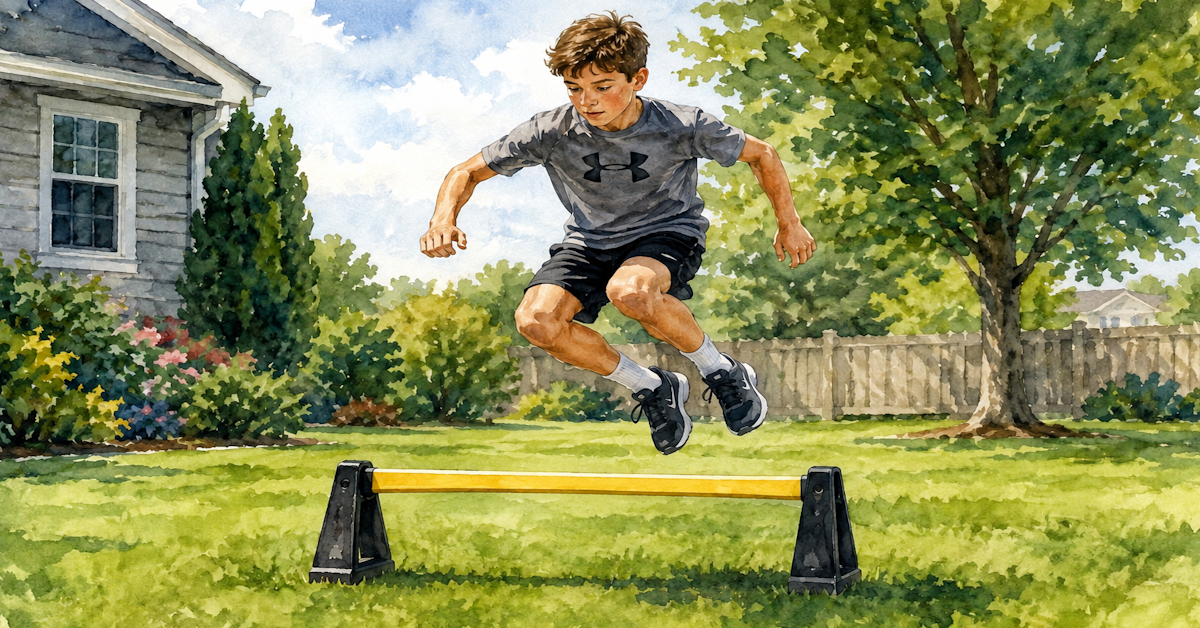
Modern off-ice training has changed a lot over the last decade, and many parents, coaches, and players are still trying to figure out what actually works. The good news is that effective hockey off-ice training is often much simpler than many people think. The goal is not to turn a young player into a professional athlete overnight.
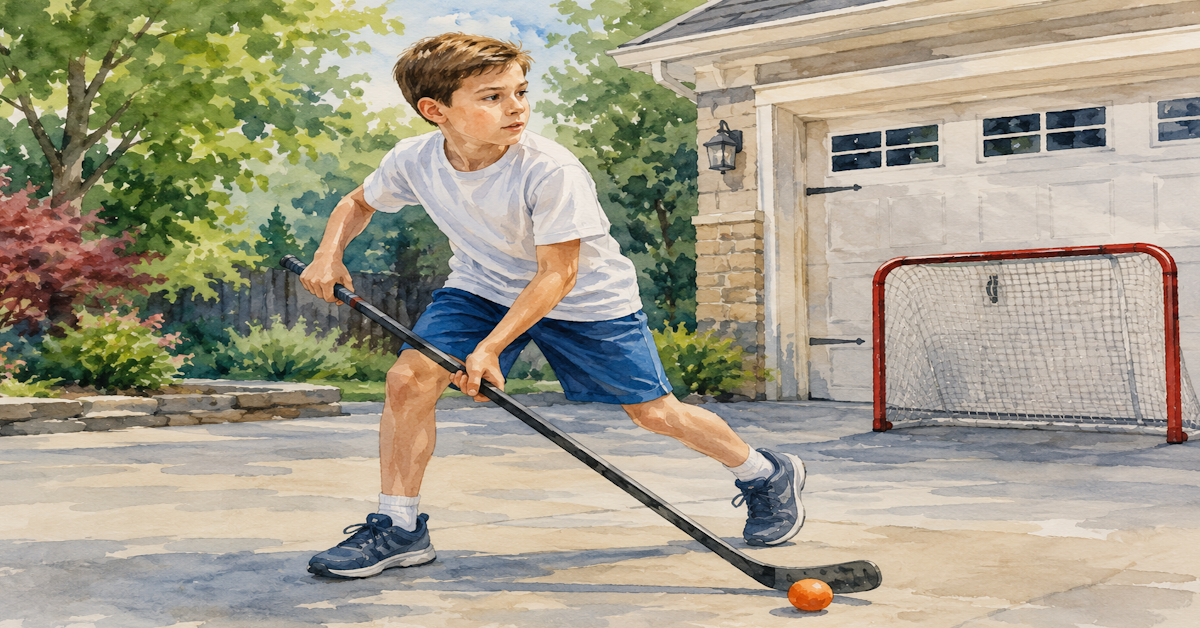
One of the most common challenges in youth hockey is teaching players to look up while handling the puck. Many young players become so focused on controlling the puck that they rarely notice what is happening around them. As a result, they miss open teammates, skate into pressure, and struggle to make smart decisions during games. Coaches often tell players to “keep your head up,” but for many kids, that instruction alone is not enough. Learning to scan the ice is a skill, and like every other hockey skill, it can be taught, practiced, and improved over time.
Follow along with Dave as he shows you how to use bands to train your body for more strength and endurance…
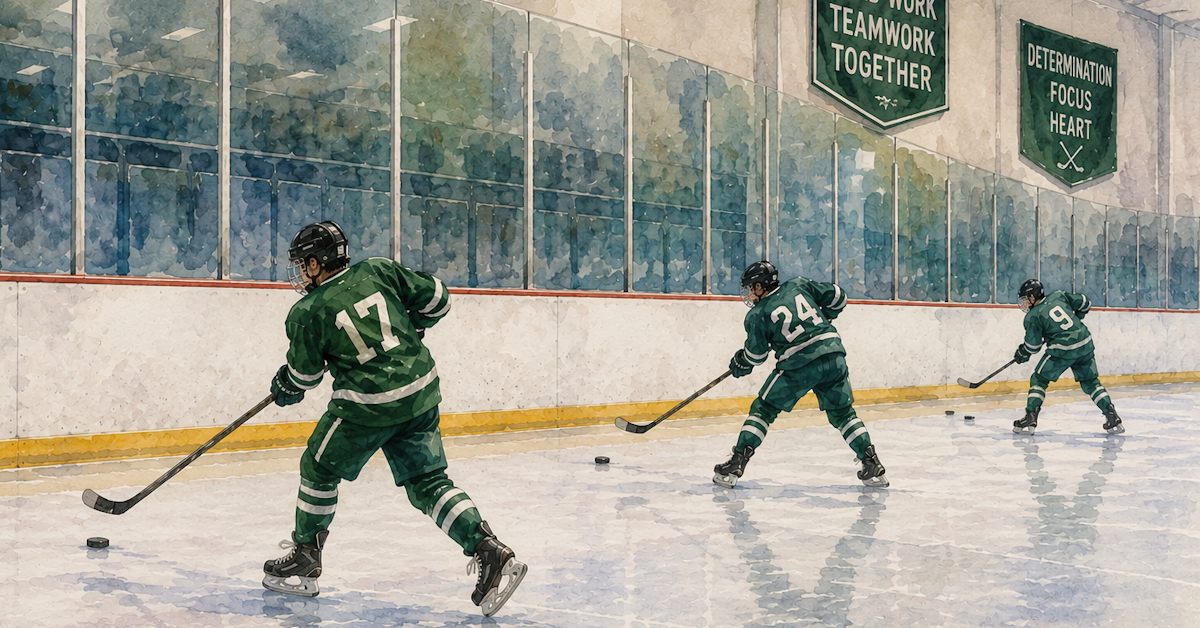
Summer hockey has become a major part of youth hockey culture, especially for competitive players who dream about making higher-level teams, junior hockey, college hockey, or beyond. There are certainly benefits to summer training, but there are also hidden costs that many players, parents, and even coaches do not fully recognize until they are deep into the process…
Follow along with Dave as he shows you how to use these bands to train your body for more strength and endurance…
Follow along with Dave as he shows you how to use these bands to train your body for more strength and endurance…
Follow along with Dave as he shows you how to use these bands to train your body for more strength and endurance…

Don’t forget to grab all you can from this awesome site, and make this coming month one to truly remember…