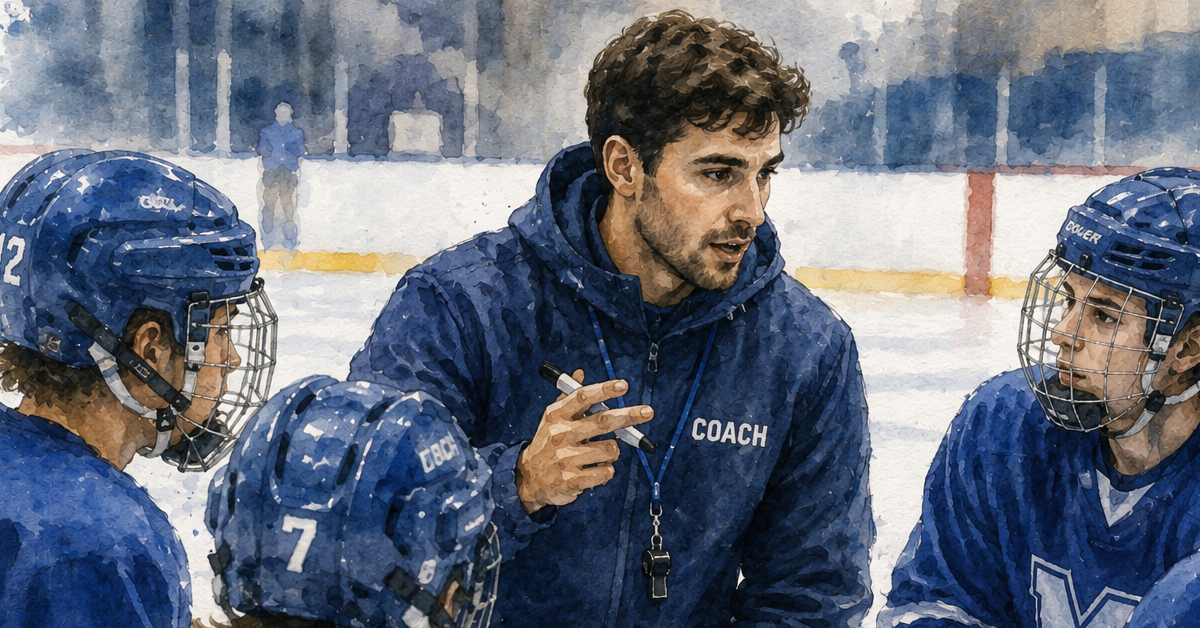
Few things change the direction of a hockey season faster than coaching turnover. One year a team may have a coach who focuses heavily on skill development, puck possession, and confidence-building, while the next year a completely different coaching style suddenly appears. For hockey players, parents, and even assistant coaches, these changes can create excitement, confusion, stress, or new opportunities depending on the situation.
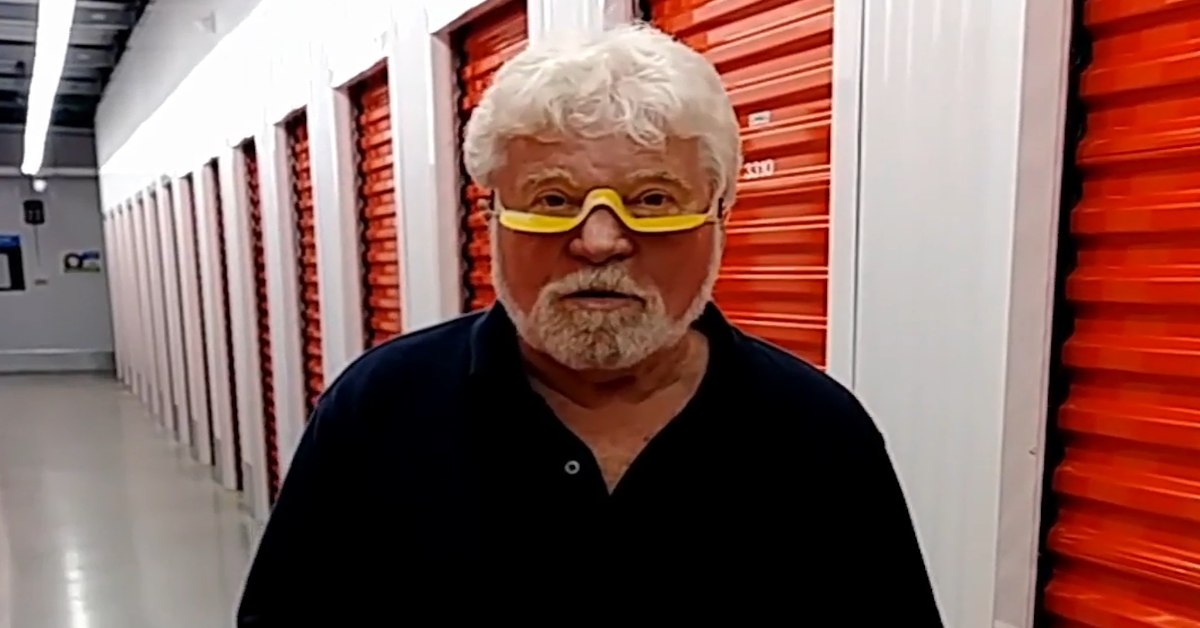
After years of running hockey schools, clinics, and team sessions, I’ve accumulated a lot of training gear — the kind of equipment that keeps players moving, learning, and improving without wasting time in long lines. And I’m now making the remaining pieces available to anyone who can put them to good use…
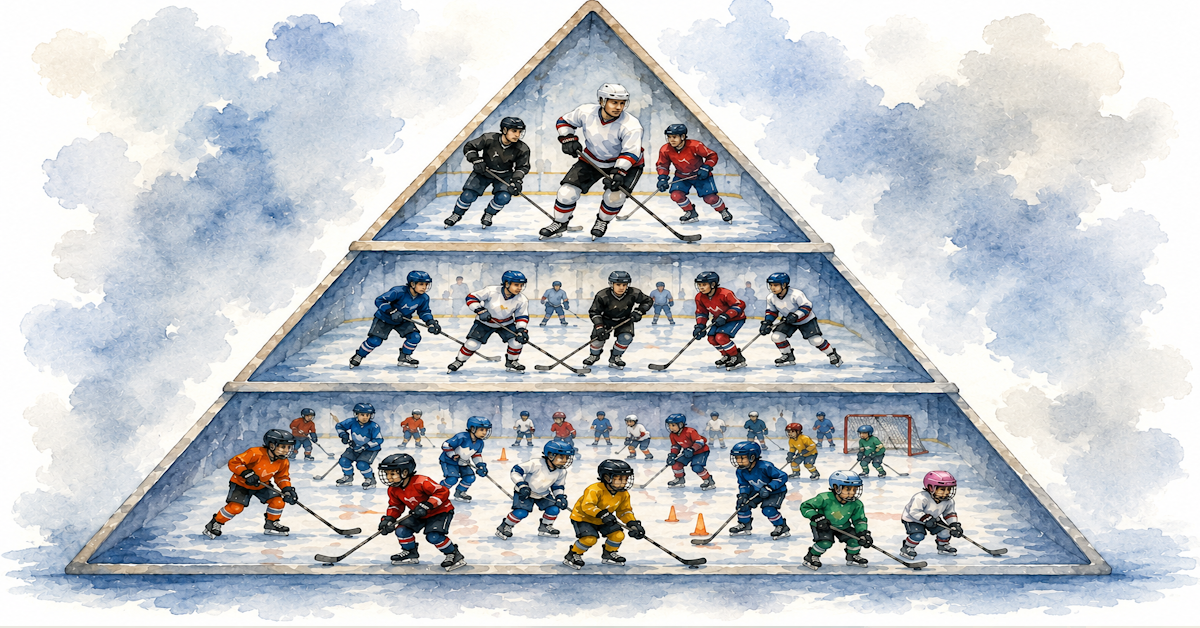
In youth hockey, one of the biggest challenges facing players, parents, and coaches today is something many people call the “talent pyramid problem.” It happens when young hockey players are identified as elite prospects too early while other players are pushed lower in the system before they have fully developed…
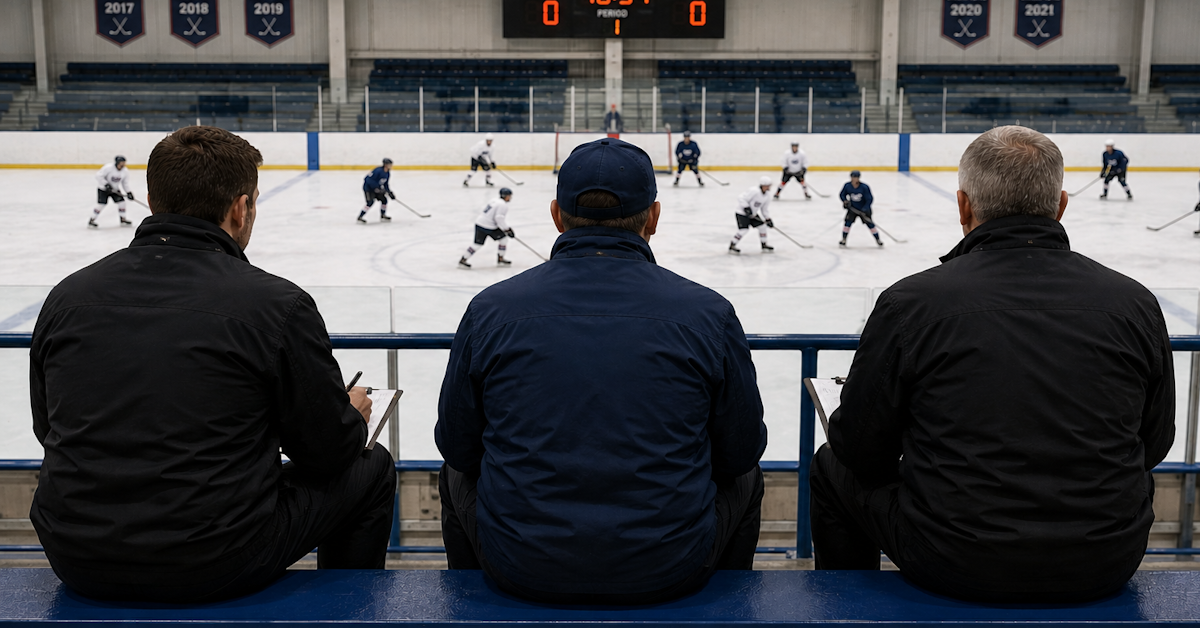
Every hockey season brings excitement, fresh goals, and new opportunities, but there is one part of the year that can create huge stress for players, parents, and coaches alike: hockey tryouts. Team selection season can feel like a pressure cooker. Players worry about making the top team, parents anxiously watch every drill from the stands, and coaches try to evaluate dozens of athletes fairly in only a few ice sessions. The truth is that hockey tryouts are emotional for almost everyone involved.
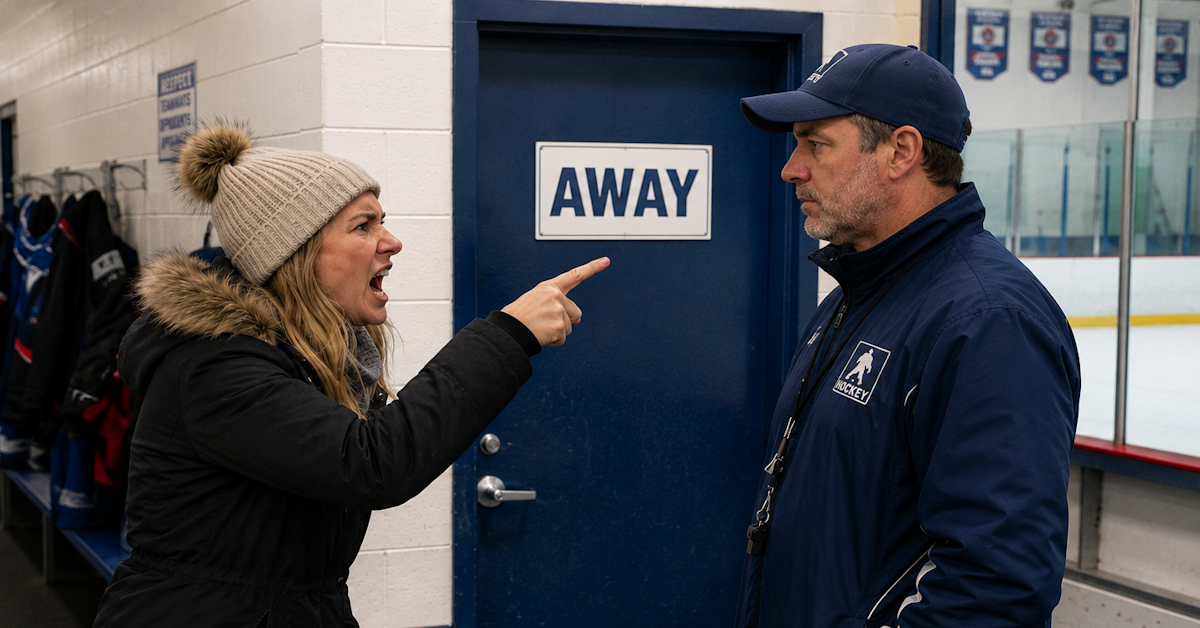
One of the biggest challenges in youth hockey is not always what happens on the ice. Sometimes the hardest part of the game happens behind the bench, in the stands, or in the parking lot after practice. Parents and coaches often want the same thing — helping young players grow, improve, and enjoy hockey — but even with good intentions, conflict can develop surprisingly quickly. Miscommunication, unrealistic expectations, and emotional reactions can turn small disagreements into ongoing tension.
Follow along with Dave as he shows you how to use these bands to train your body for more strength and endurance…
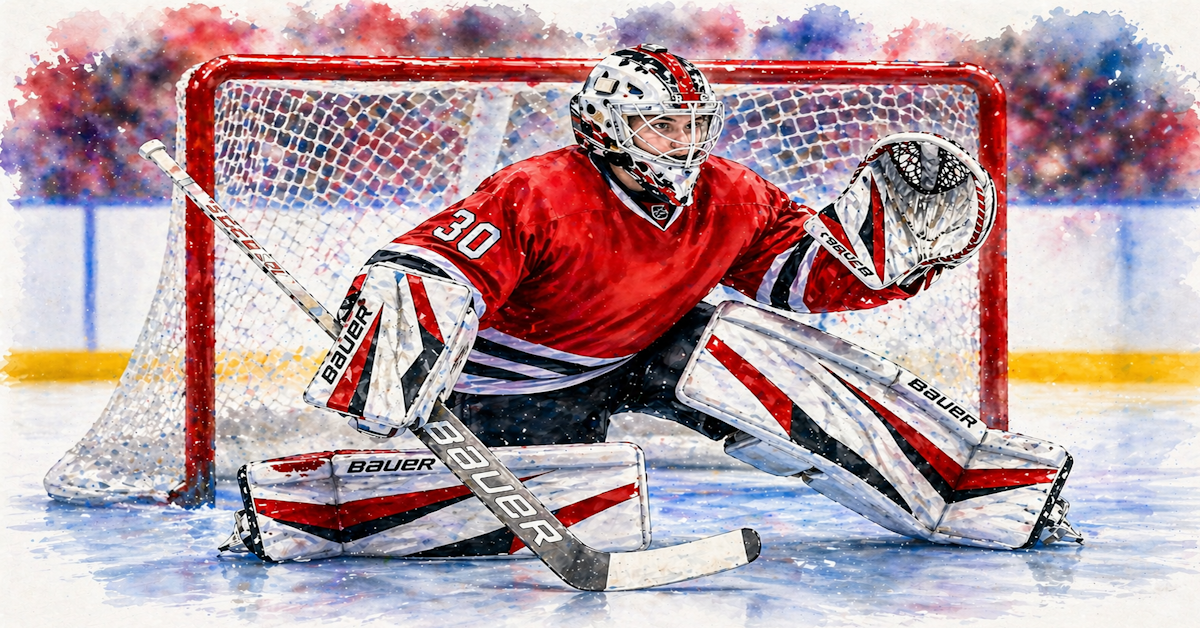
Before we even get into the pros and cons, it helps to understand exactly what the RVH is. RVH stands for “Reverse Vertical‑Horizontal,” and it’s a modern post‑integration technique used by goalies when the puck is near the goal line or in tight around the corners. Instead of standing upright or using the old-school VH…
Most players try to get better at everything all at once, and that’s exactly why so many of them never break through. In this episode, we look at the power of developing one world‑class skill — the kind of ability that changes how coaches see you, how teammates rely on you, and how opponents react to you.
Follow along with Dave as he shows you how to use these bands to train your body for more strength and endurance…
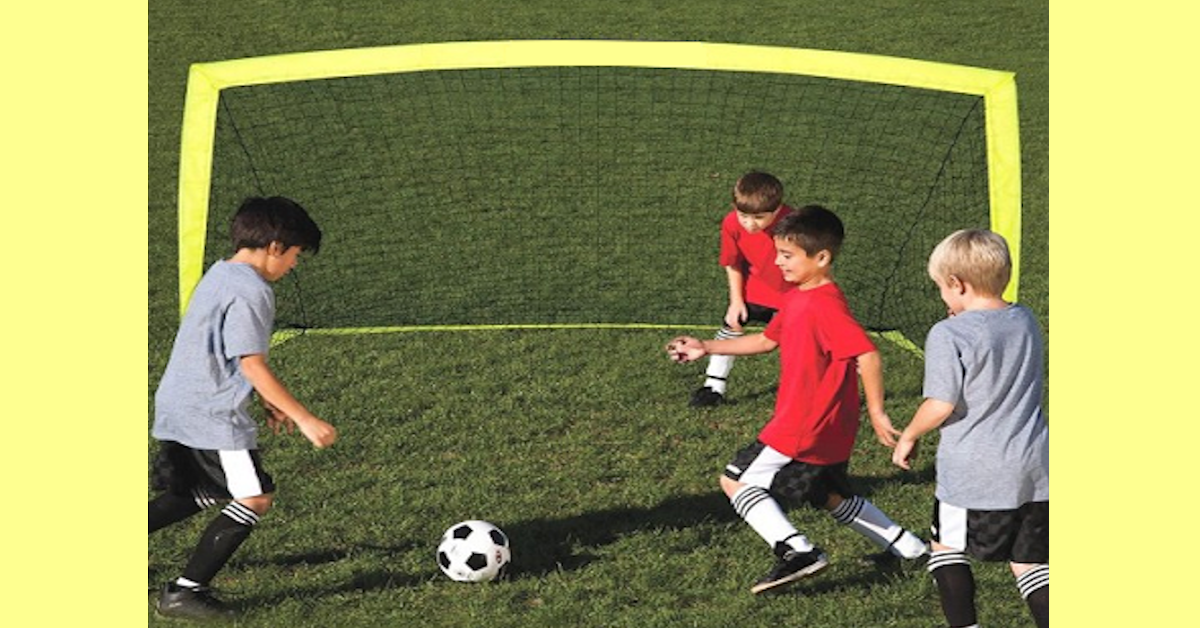
Coaches are always looking for ways to help players learn faster, practice smarter, and enjoy the game more. While the basics of hockey — skating, passing, shooting, and positioning — will always be the foundation of player development, the right training aids can make teaching those skills much easier.