Welcome to the Hockey Myths Hub
Hockey is a great game, but it’s also a game filled with old sayings, half‑truths, and ideas that get repeated so often that nobody stops to question them. This page brings those myths into the light.
Here, you’ll find clear explanations, real coaching insight, and practical fixes that help players, parents, and coaches understand what actually works. If you haven’t already, you may want to start with A Quick Hockey Reality Check, which explains why so many of these myths stick around. As new questions and misconceptions pop up, this Hub will continue to grow — so feel free to explore and revisit often.

Myth #21: “More ice time equals faster development.”
Myth #21: “More ice time equals faster development.”
Read More 
Myth #20: “Early talent predicts future success.”
Myth #20: “Early talent predicts future success.”
Read More 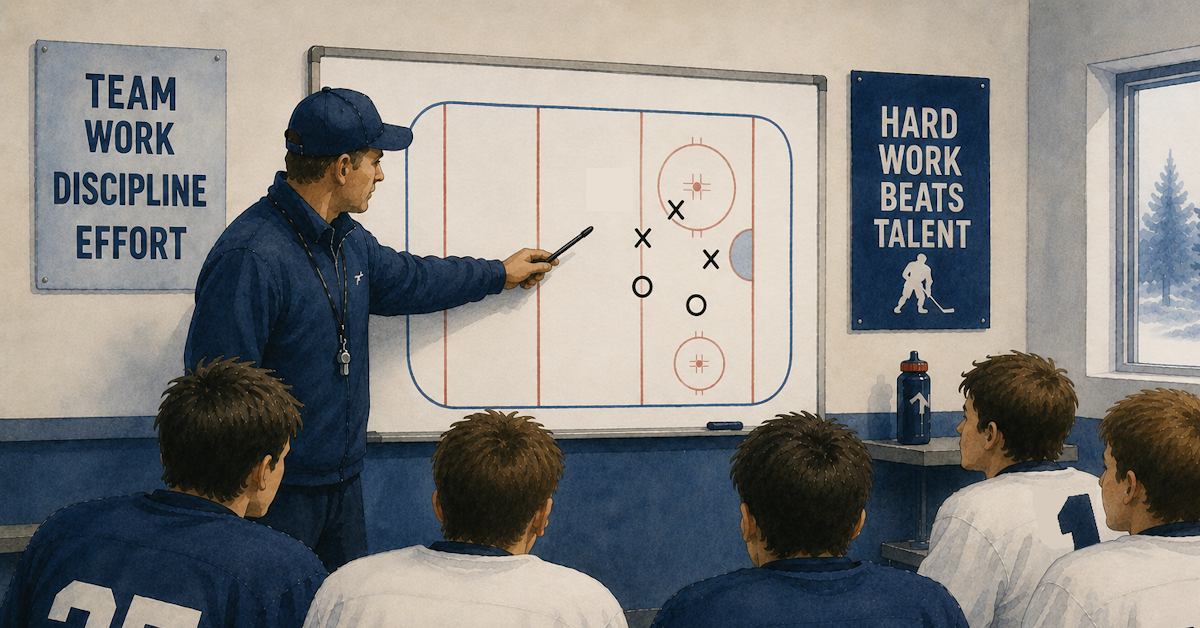

MYTH #18: “Smart players are born, not developed.”
Kids who are taught to scan, anticipate, and problem‑solve become “smart players.”
Read More 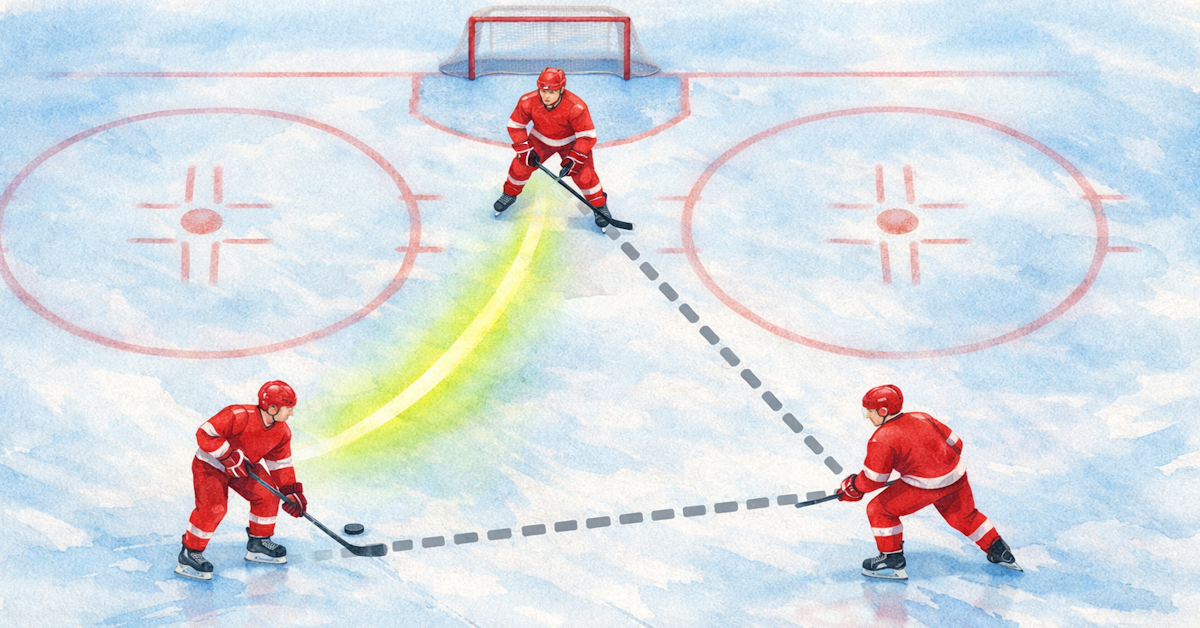
MYTH #17: “Hockey IQ can’t be taught.”
IQ grows through repetition, video, guided questions, and learning patterns -- just like any other skill.
Read More 
MYTH #16: “Dekes win games.”
EXPLANATION: A deke is just one option -- and often not the best one.
Read More 
Myth #15: “A longer stick is the key to scoring.”
Myth #15: "A longer stick is the key to scoring."
Read More 
MYTH #14: “You should always dump the puck in certain situations.”
MYTH #14: “You should always dump the puck in certain situations.”
Read More 

MYTH #12: “Smart players are born, not developed.”
REALITY: Experience and coaching shape intelligence. EXPLANATION: Kids who are taught to scan, anticipate, and problem‑solve become “smart players”.
Read More