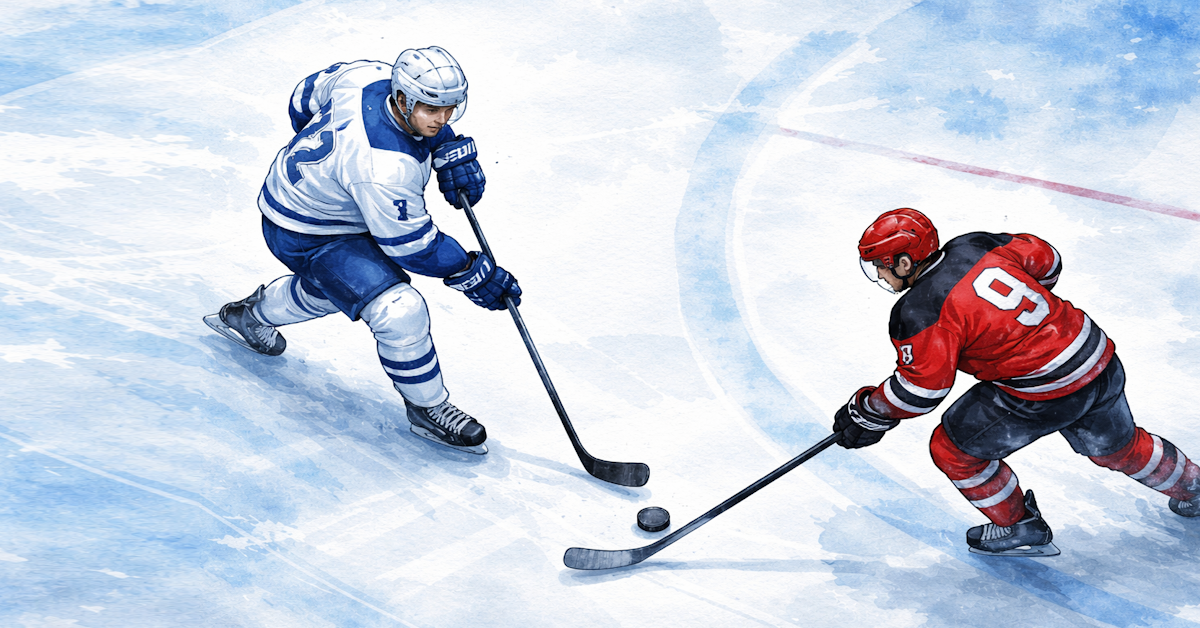
Every hockey player, no matter how skilled or experienced, eventually hits that moment when the puck is on their stick and everything suddenly feels too fast. A forechecker closes in, the crowd noise spikes, teammates are yelling, and the brain goes into emergency mode. That’s when panic passing shows up — the rushed, blind, hope‑for‑the‑best pass that usually ends up on an opponent’s stick.
When a team has the man advantage, everyone expects crisp puck movement, clean entries, and dangerous scoring chances. But what usually happens instead is hesitation, overthinking, and five players all trying to do a little bit of everything. That’s when the power play slows down, the penalty killers gain confidence, and the puck ends up 200 feet away. The good news is that most of these problems disappear the moment each player understands a simple, specific role and sticks to it. When roles are clear, the puck moves faster, the decisions get easier, and the power play suddenly looks like it has purpose instead of panic.

One of the most important but often overlooked skills in youth hockey is communication. Many players spend hours working on skating, shooting, and puck control, but very little time is spent learning how to talk to teammates on the ice. The truth is, strong on-ice communication can make an average team much more effective, while poor communication can cause even skilled players to struggle.
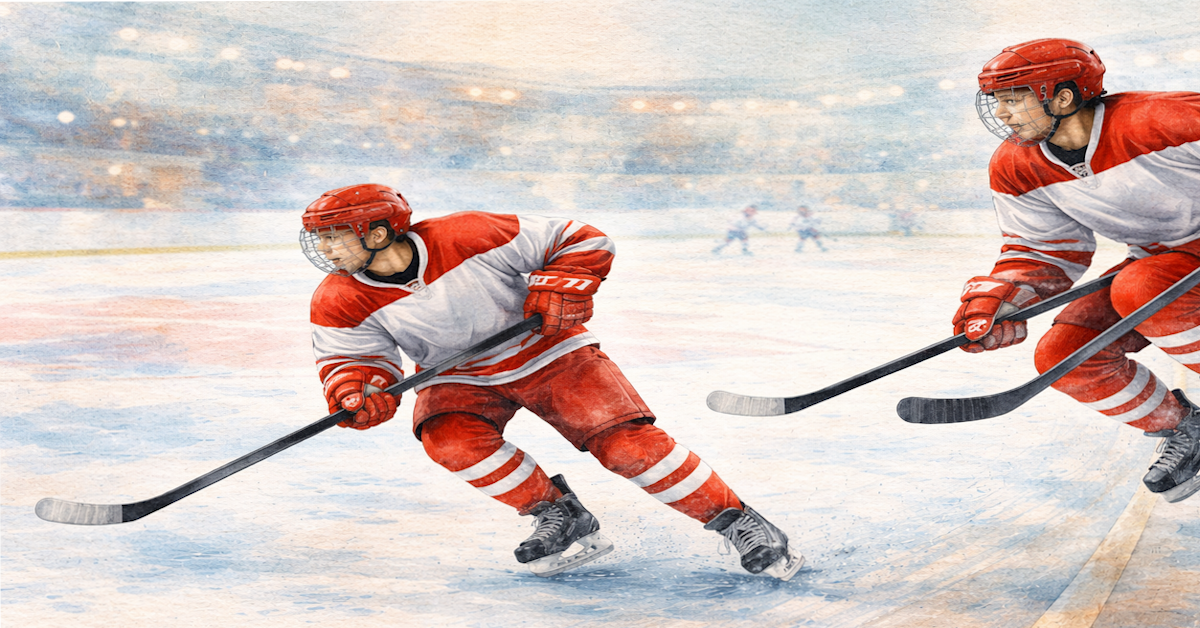
Many players think line changes are just a routine part of hockey, something you do when you get tired, but the truth is that poor line changes are one of the biggest causes of odd-man rushes.
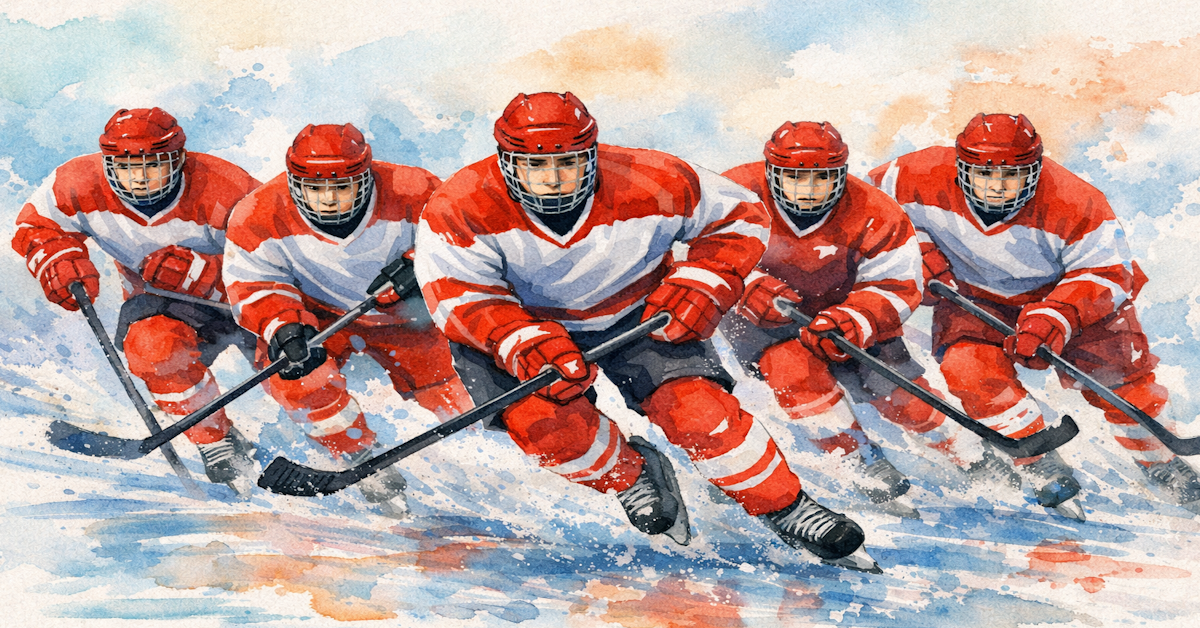
Many young players are taught to skate as hard as they can all the time, believing that constant speed is the key to beating opponents. While skating speed is certainly an important hockey skill, experienced coaches and skilled players know that the real advantage often comes from something much more subtle. The ability to change speed at the right moment, sometimes called tempo control, can be far more effective than simply racing up and down the ice at full speed. Learning the art of changing speed allows players to become less predictable, more creative with the puck, and far more difficult for defenders to handle.
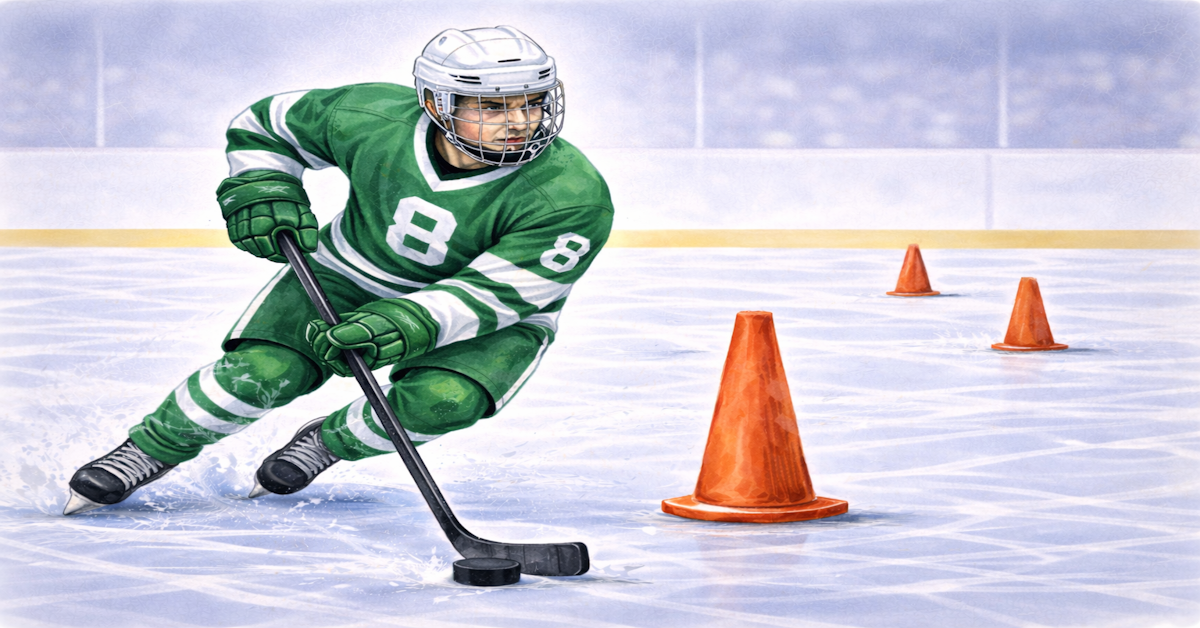
Deception in youth hockey is the ability to make a defender believe you are going one way while you actually plan to go another. It includes simple but powerful tools like shoulder drops, look-offs, and subtle body fakes. When taught correctly, deception creates time and space, which are two of the most valuable assets in modern hockey.
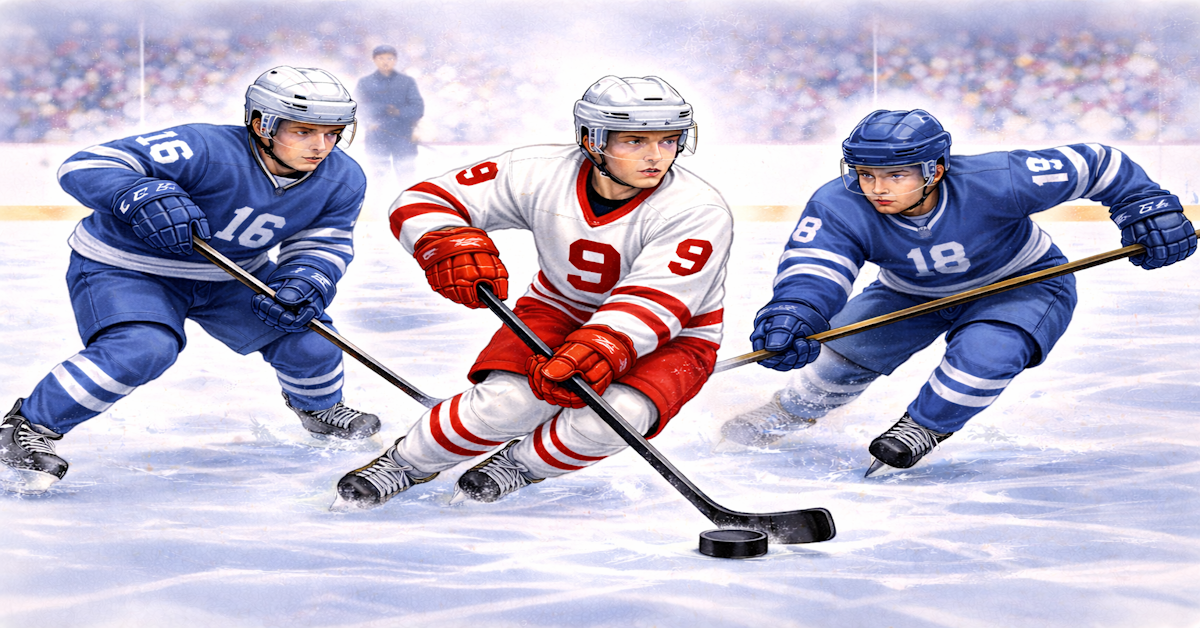
Many young players panic the moment a defender skates toward them, even when they still have time and space to make a smart play. Others hold onto the puck too long because they fail to recognize that pressure is closing fast. Understanding why young players misread pressure — and how to fix it — is one of the most important steps in building true hockey IQ, better decision-making, and long-term player confidence.
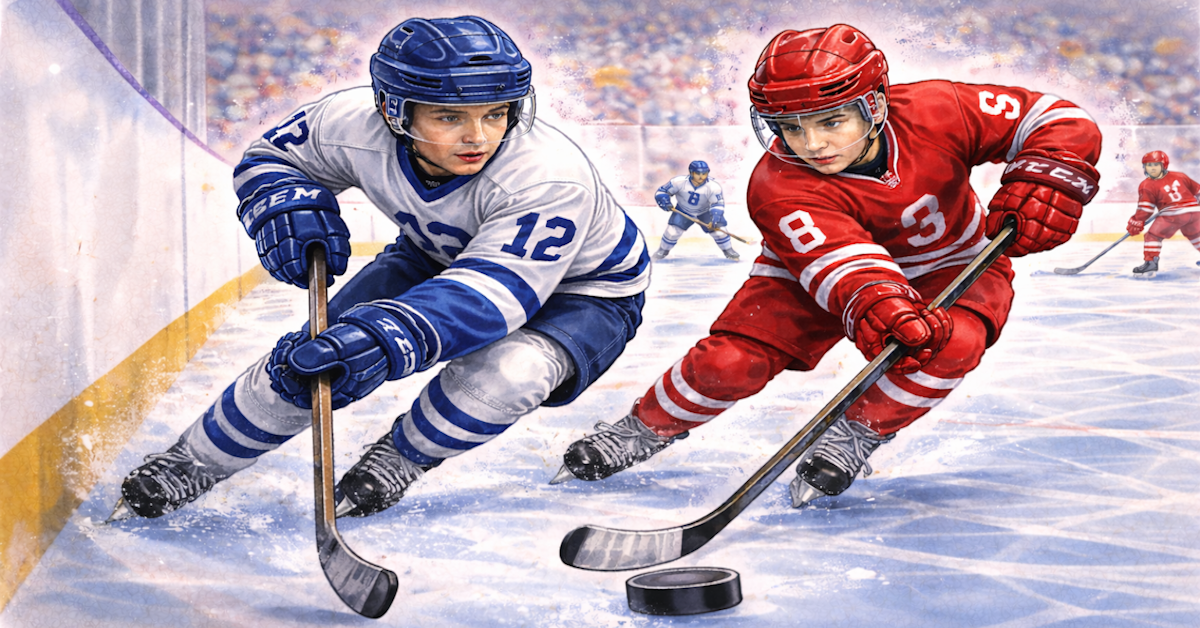
Winning puck races is one of the most underrated skills in hockey, yet it often determines who controls the game. Coaches talk about speed all the time, and players assume that the fastest skater always wins the race to the puck. The truth is very different. The hidden skill behind winning puck races is not just straight-line speed. It is anticipation, smart angles, explosive first strides, and the ability to read the play before it fully develops.
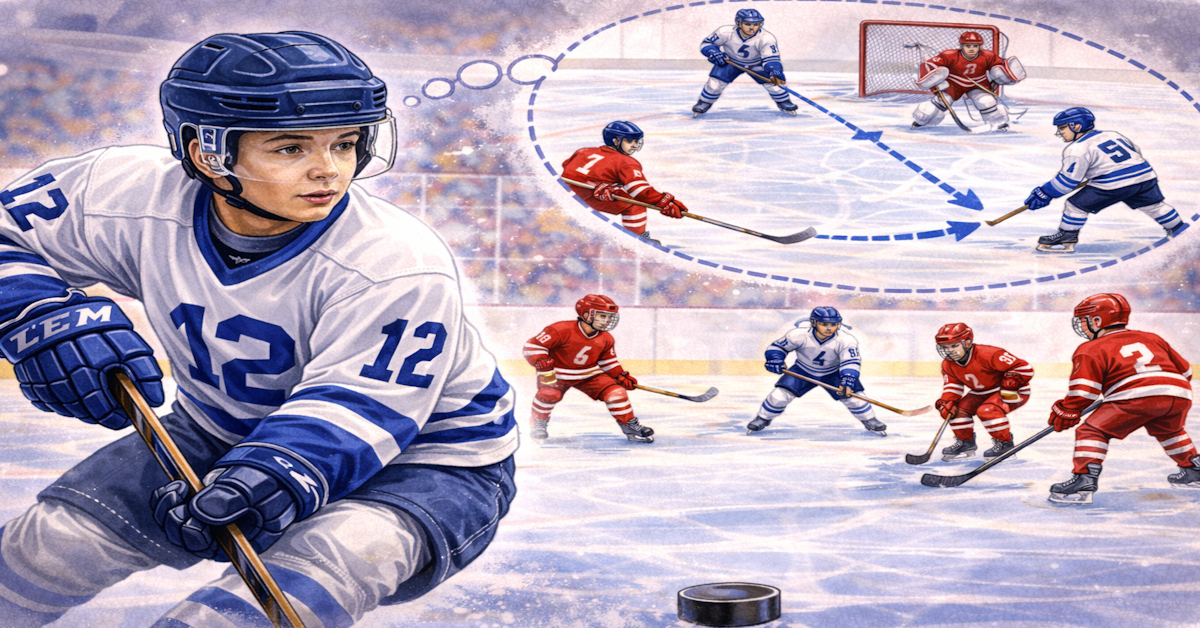
Thinking one pass ahead simply means that a player already knows their next option before the puck arrives on their stick. Instead of receiving a pass and then trying to figure out what to do, they scan the ice early, read the defensive pressure, and prepare their next move. This type of anticipation separates reactive players from intelligent, proactive players.
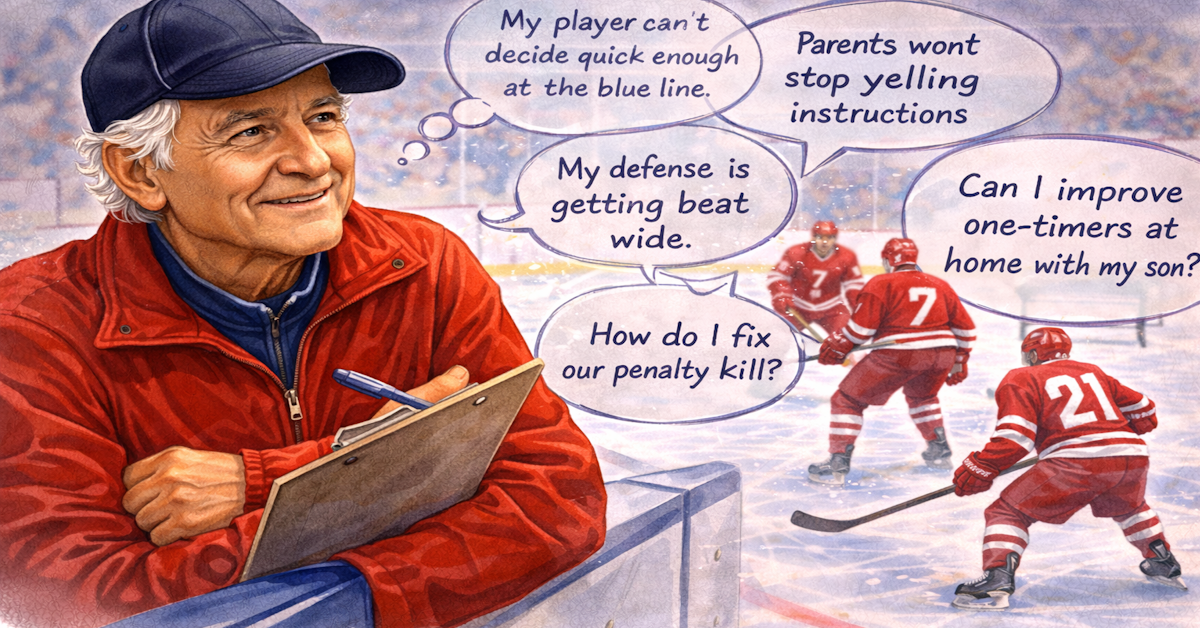
This site has always been about teaching the game — and teaching it in a way that actually helps you, your players, or your son or daughter. And here’s the truth I want to put front and center today:
I can only do that if I hear from you. Not once in a while. Not once a season. Regularly.