The Equipment Rabbit Hole — How to Stop Overthinking Sticks, Skates & Sharpenings
If you spend any time around youth hockey players or parents, you will quickly hear a lot of talk about gear. What stick curve is best? Should you switch to a different flex? Are your skates holding you back? Is your sharpening wrong? It can feel like every small detail in hockey equipment is the reason for success or failure. This is what many people call the “equipment rabbit hole,” and it is easy to fall into. Players start to believe that the next stick or a different sharpening will suddenly fix their game. The truth is, while hockey equipment does matter, overthinking it can actually slow down development and take focus away from what really improves performance.
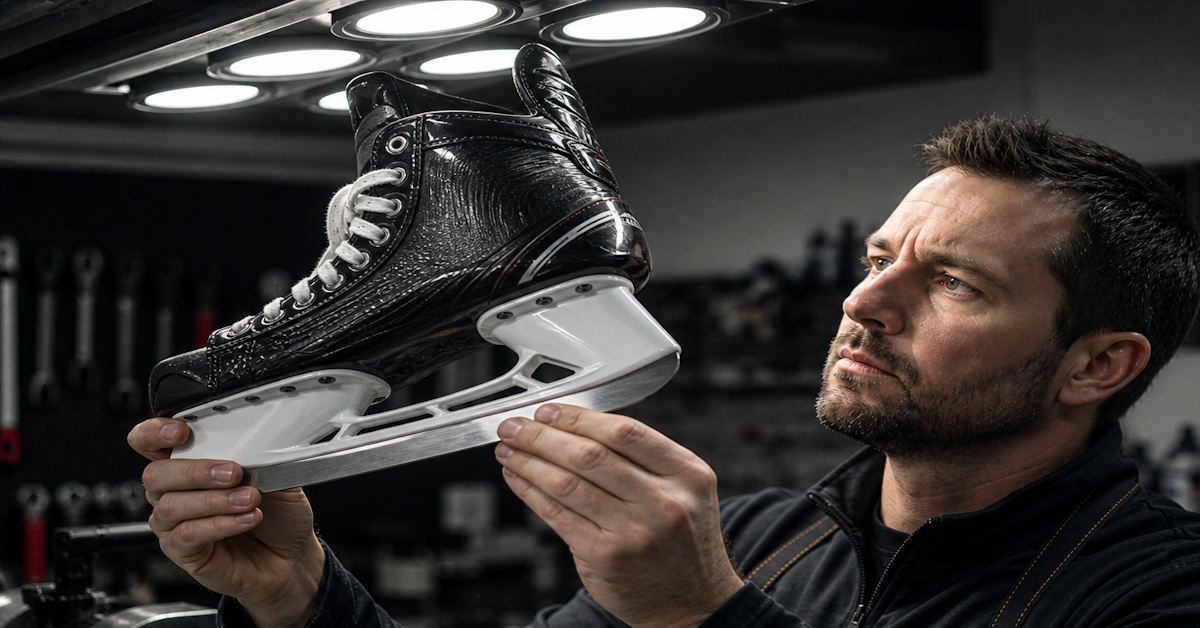
One of the biggest issues with overthinking hockey equipment is that it creates constant doubt. When a player misses a shot or struggles with puck control, it is tempting to blame the stick instead of looking at technique or decision-making. The same goes for skating. If a player feels slow, they might assume their skates or sharpening are the problem, even if the real issue is stride mechanics or conditioning. This mindset can lead to frequent changes in gear, which prevents players from getting comfortable and confident with what they are using.
Sticks are a great example of how players can get caught up in details. There are so many options today, including different flex ratings, blade curves, kick points, and brands. While these features do have an impact, they are not magic solutions. A player with solid fundamentals will perform well with a wide range of sticks, while a player who relies on equipment to fix problems will continue to struggle. Instead of constantly switching sticks, it is better for players to choose one that feels comfortable and then spend time learning how to use it effectively. Consistency builds confidence, and confidence leads to better performance.
Skates are another area where players can overthink things. Properly fitted skates are important for comfort and performance, but once a player has a good fit, the focus should shift to skating technique. Edge control, balance, and stride efficiency are what truly make a player faster and more agile. Changing skates too often or searching for the “perfect” model can distract from the work that actually improves skating. Players should make sure their skates fit well, are properly maintained, and then focus on getting stronger and more efficient on the ice.
Sharpening is probably one of the most debated topics in hockey. Players and parents often discuss hollow depth, edge sharpness, and how frequently skates should be sharpened. While sharpening does affect how a player feels on the ice, it is not something that needs constant adjustment. Finding a consistent sharpening that feels good and sticking with it is usually the best approach. Constantly changing sharpening can make it harder for players to adapt and develop a reliable feel for their edges. Consistency once again is key.
Another problem with the equipment rabbit hole is that it shifts attention away from hockey IQ and decision-making. The game is played at a high speed, and success often comes down to reading the play, making quick decisions, and working with teammates. No piece of equipment can replace those skills. Players who focus too much on gear may spend less time improving their awareness, positioning, and understanding of the game. These are the areas that truly separate players as they move up to higher levels.
Coaches and parents can help by guiding players toward a balanced approach. It is important to make sure players have safe, properly fitted equipment, but it is just as important to remind them that improvement comes from practice and effort. Encouraging players to stick with their gear and focus on skill development can help reduce unnecessary stress and confusion. When players stop worrying about every small equipment detail, they can put more energy into skating, passing, shooting, and competing.
For players, the goal should be to simplify. Choose equipment that fits well and feels comfortable, then commit to it. Spend time developing your skills, building confidence, and understanding the game. If something truly does not feel right, it is okay to make adjustments, but those decisions should be based on clear needs, not frustration or trends. The best players are not constantly changing their gear. They are constantly improving their game.
In the end, hockey equipment should support your development, not control it. Sticks, skates, and sharpening all play a role, but they are tools, not solutions. When players avoid the equipment rabbit hole and focus on what really matters, they give themselves a better chance to grow and succeed on the ice.
If you have experienced this in your own hockey journey or have tips for keeping equipment decisions simple and effective, feel free to share your thoughts down below in the Comments. When players, parents, and coaches share ideas, it helps everyone stay focused and keeps the conversation growing in a positive direction.
