How to Build a Player Who Can Play Center and Wing
Learning how to play both center and wing is one of the most valuable skills a hockey player can develop, especially at the youth and high school level. Coaches are always looking for versatile players who can adapt to different roles, and players who understand both positions often have a higher hockey IQ and more opportunities to contribute. While center and wing share many core skills like skating, passing, and puck control, the responsibilities are different enough that players need to train with purpose if they want to be effective in both roles.
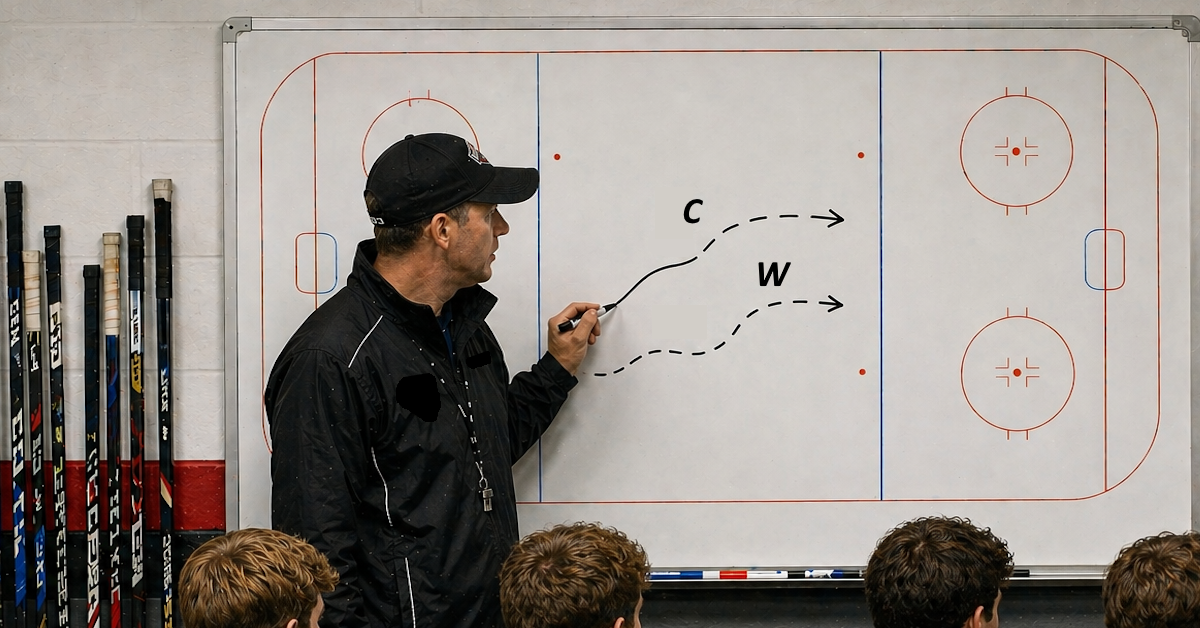
Centers are often seen as the “quarterbacks” of the ice. They are involved in all three zones, take face-offs, support the defense low in the defensive zone, and help drive the offense through the middle of the ice. This requires strong awareness, communication, and conditioning. A good center is constantly moving, reading the play, and supporting teammates. Wings, on the other hand, tend to play a more structured role along the boards and in wider areas of the ice. They are responsible for supporting breakouts, winning battles along the wall, and creating offensive chances from the outside lanes. While the wing position may seem simpler at first, it still requires smart positioning, quick decisions, and strong puck skills.
To build a player who can handle both positions, the first step is developing strong overall hockey fundamentals. Skating remains the foundation. Players need to be comfortable moving in all directions, accelerating quickly, and maintaining balance in tight spaces. A center often needs explosive speed and agility to cover more ice, while a wing benefits from strong edge work and the ability to handle contact along the boards. By focusing on skating drills that include transitions, crossovers, and quick changes of direction, players can prepare themselves for both roles.
Another key area is puck support and positioning. Centers are expected to stay low in the defensive zone and provide an outlet for defensemen, while wings must be in the right position along the boards to receive passes and move the puck up the ice. Players should practice reading the play and understanding where they need to be depending on the situation. This can be taught through small-area games and situational drills that force players to think and react rather than just follow a set pattern. The more a player understands positioning, the easier it becomes to switch between center and wing.
Faceoffs are a unique responsibility for centers, and players who want to play this position need to spend time practicing them. Winning draws can give a team immediate possession and control, especially in key moments of a game. Even players who primarily play wing can benefit from learning faceoff techniques, as it builds quick hands, reaction time, and awareness. At the same time, wings should focus on reacting quickly off face-offs, supporting the play, and being ready to make the next move.
Defensive awareness is another important factor. Centers are expected to track back hard and help protect the middle of the ice, while wings are responsible for covering the points and supporting along the boards. A player who understands both roles will be more reliable defensively and better prepared for different situations. Coaches can help by rotating players through different positions during practice, allowing them to experience both perspectives and learn the responsibilities of each role.
Communication also plays a big role in becoming a versatile player. Centers often lead communication on the ice, calling for the puck and directing teammates, while wings need to communicate their availability and provide support. Players who talk and stay engaged in the play are more likely to succeed, regardless of position. Encouraging communication in practice helps build confidence and teamwork, which are essential for playing multiple roles effectively.
Conditioning should not be overlooked either. Centers typically skate more during a game because they cover all areas of the ice, so strong endurance is important. Wings need to be able to explode into battles, win races along the boards, and recover quickly. Training that includes both endurance and short bursts of high intensity will prepare players for the demands of both positions.
In the end, building a player who can play both center and wing is about developing a complete hockey skill set. It requires attention to skating, positioning, puck support, defense, and communication. Players who take the time to understand both roles become more valuable to their team and more confident in their abilities. They are able to adapt, fill in where needed, and make smarter decisions during games. If you have experience training players to handle multiple positions or have seen the benefits of this versatility firsthand, feel free to share your thoughts down below in the Comments. When players, parents, and coaches exchange ideas, it helps everyone grow and keeps the conversation moving forward.
