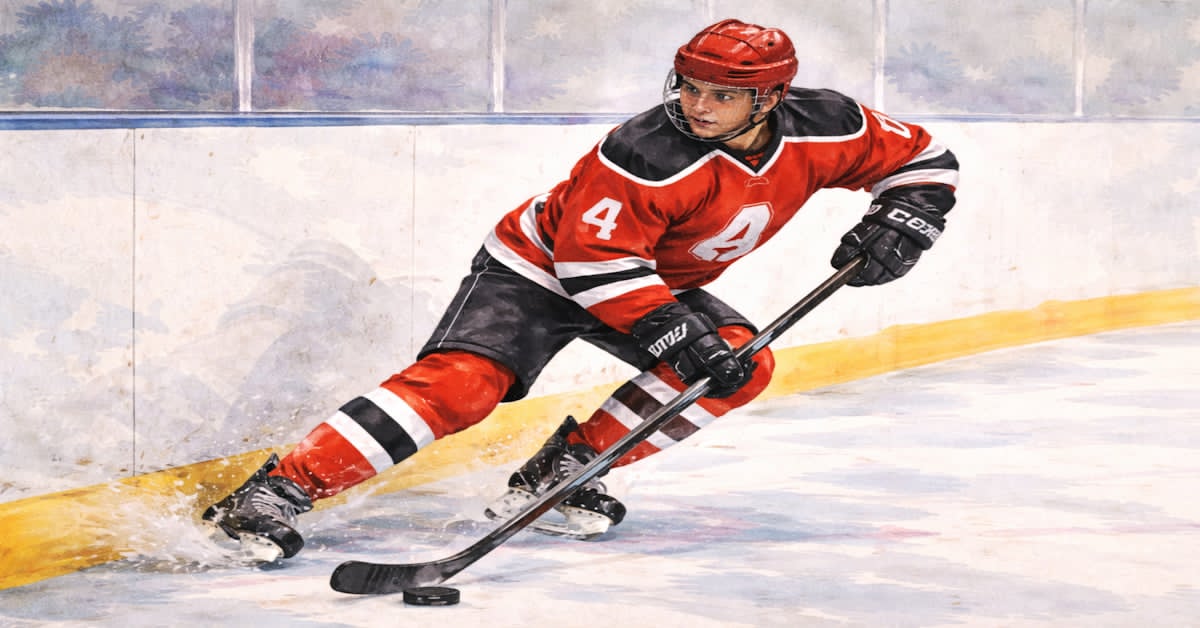
While coaches spend a lot of time teaching breakouts, passing, and positioning, the moment of retrieving the puck is where everything begins. If a defenseman cannot get to the puck cleanly, handle pressure, and make a smart first decision, the entire play breaks down before it even starts.
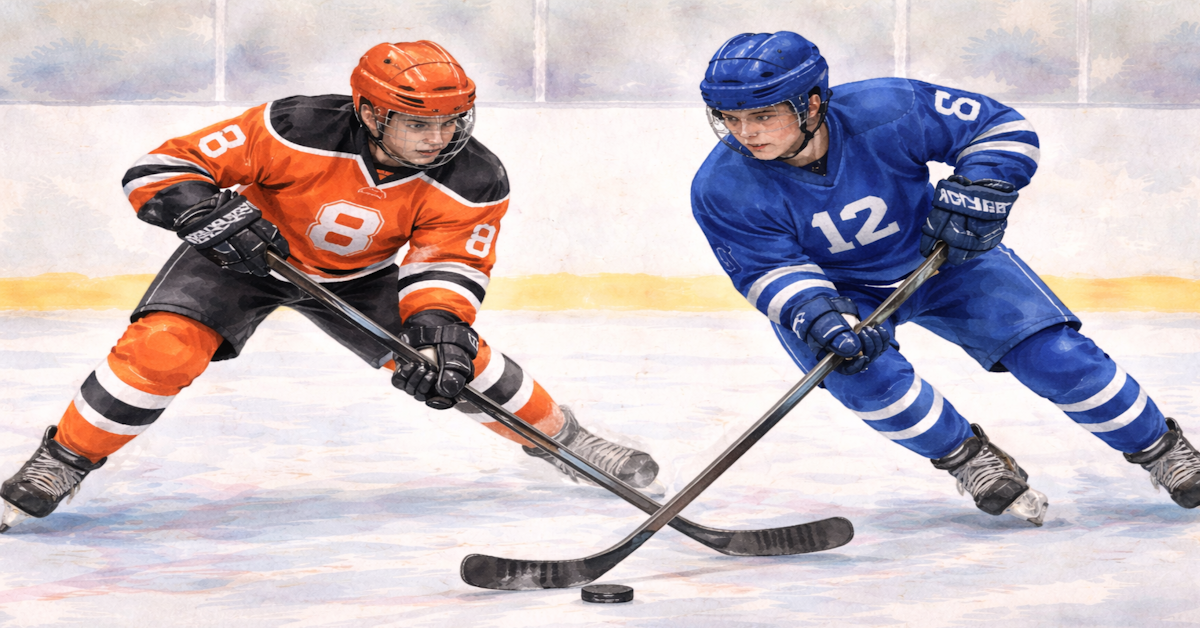
One of the most overlooked skills in modern hockey is the ability to read stick positioning. While players spend countless hours working on skating speed, shooting accuracy, and puck control, far fewer are taught how to recognize what defenders are doing with their sticks or how to use their own stick effectively. This is a key part of hockey IQ, and it often separates average players from those who consistently make smart, effective plays…
Every player has a natural leaning — something they do a little better than the rest. The key is identifying that strength early and building it into something undeniable. In this episode, we break down the process of selecting the right skill, understanding what makes it valuable, and creating a training approach that actually sticks.
Most players try to get better at everything all at once, and that’s exactly why so many of them never break through. In this episode, we look at the power of developing one world‑class skill — the kind of ability that changes how coaches see you, how teammates rely on you, and how opponents react to you.
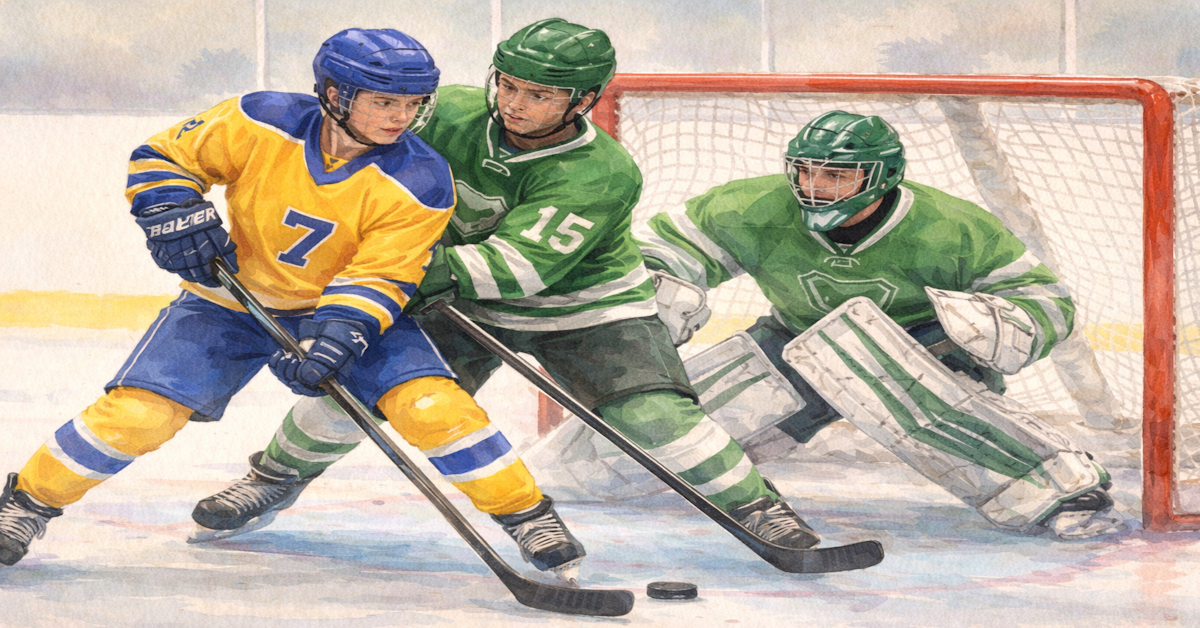
Net‑front play isn’t about being the biggest or strongest player on the ice. It’s about understanding leverage, timing, angles, and how to make life miserable for the opponent without taking penalties. When a player learns how to own the space around the crease, everything about their game becomes more dangerous. They become harder to defend, harder to move, and far more valuable to their team.
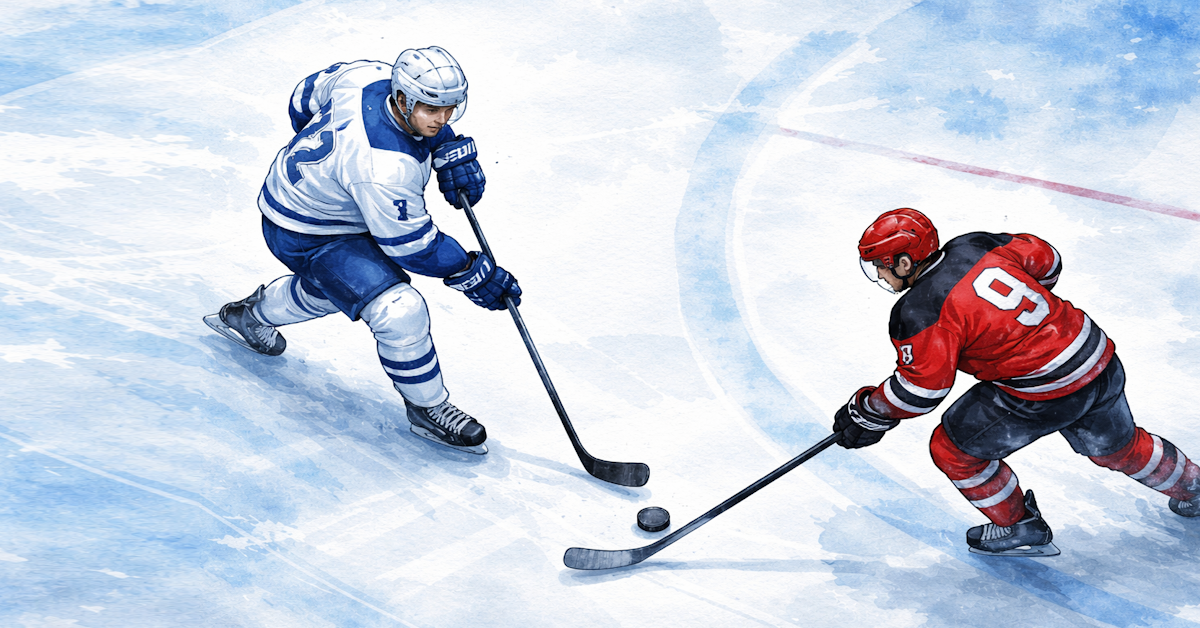
Every hockey player, no matter how skilled or experienced, eventually hits that moment when the puck is on their stick and everything suddenly feels too fast. A forechecker closes in, the crowd noise spikes, teammates are yelling, and the brain goes into emergency mode. That’s when panic passing shows up — the rushed, blind, hope‑for‑the‑best pass that usually ends up on an opponent’s stick.
Over the past few days, we’ve been working hard behind the scenes at CoachChic.com, and I want to take a moment to walk you through what’s new, why we made these changes, and how they’ll help you get even more out of your hockey development journey. Whether you’re a player trying to sharpen your skills, a parent looking for reliable guidance, or a coach searching for deeper teaching tools, these updates were made with you in mind. Hockey is always evolving, and a good hockey website should evolve right along with it.
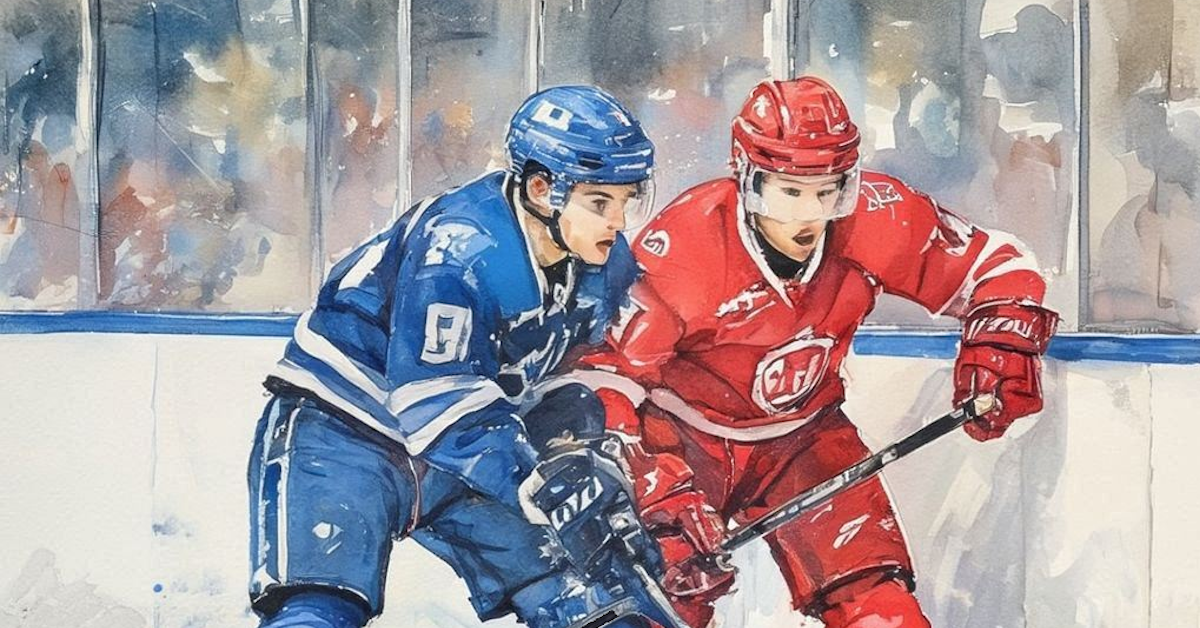
The truth about shoulder checking in hockey is that most young players think they’re doing it right simply because they make contact, but real shoulder‑to‑body checking is a technical skill built on timing, posture, and controlled force. A proper shoulder check isn’t about throwing your weight around or trying to “blow someone up.” It’s about using your shoulder and upper body to legally bump a puck‑carrying opponent and separate him from the puck without losing your own balance or taking yourself out of the play.
With mental toughness always being a key to solid hockey play, we’re thrilled to once again present Shawnee Harle’s monthly insights into that area. And, in this video, she addresses an obvious concern with “Negative Self-talk”!
Follow along with Dave as he shows you how to use these bands to train your body for more strength and endurance…