Posts by CoachC
The Most Overlooked Skill in Today’s Game: Net‑Front Body Positioning
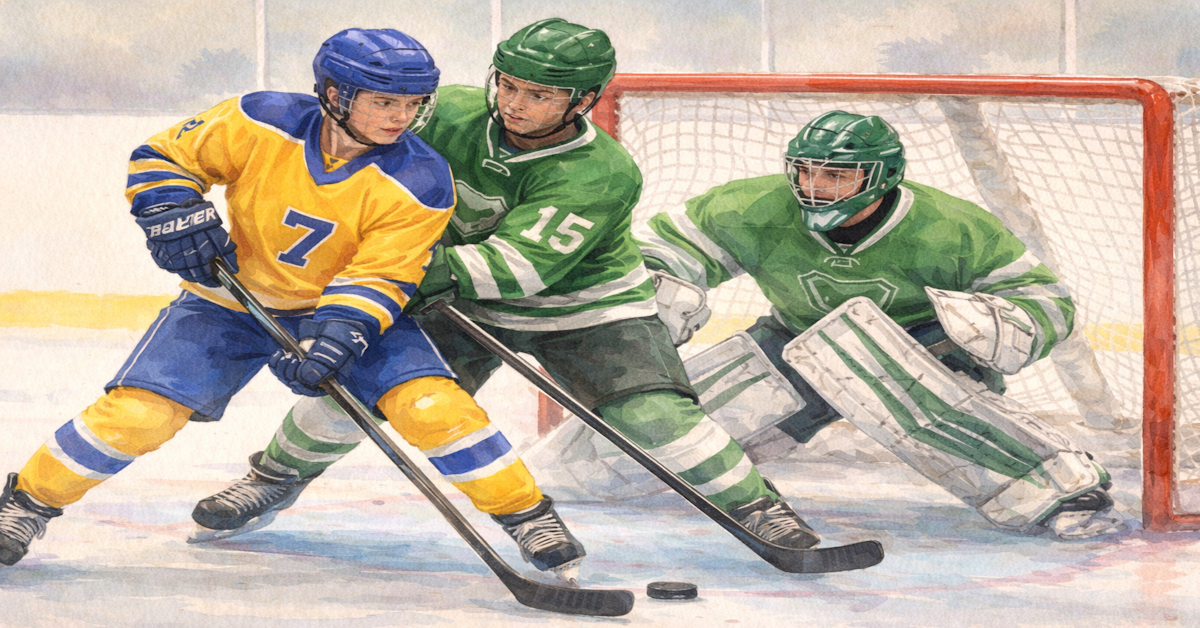
Net‑front play isn’t about being the biggest or strongest player on the ice. It’s about understanding leverage, timing, angles, and how to make life miserable for the opponent without taking penalties. When a player learns how to own the space around the crease, everything about their game becomes more dangerous. They become harder to defend, harder to move, and far more valuable to their team.
Read MoreMyth #6: “Stickhandling is about fast hands.”
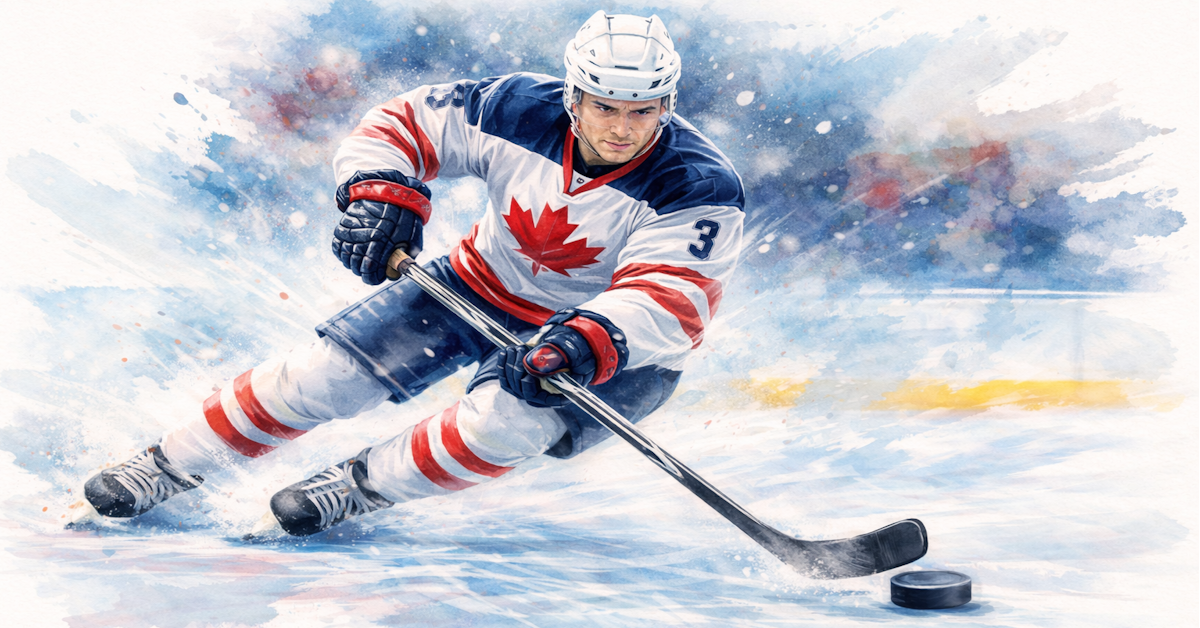
REALITY: It’s about controlling the puck with your body, not your wrists.
Read MoreThe Real Fix for Panic Passing Under Pressure
Every hockey player, no matter how skilled or experienced, eventually hits that moment when the puck is on their stick and everything suddenly feels too fast. A forechecker closes in, the crowd noise spikes, teammates are yelling, and the brain goes into emergency mode. That’s when panic passing shows up — the rushed, blind, hope‑for‑the‑best pass that usually ends up on an opponent’s stick.
Read MoreOur New Website Updates
Over the past few days, we’ve been working hard behind the scenes at CoachChic.com, and I want to take a moment to walk you through what’s new, why we made these changes, and how they’ll help you get even more out of your hockey development journey. Whether you’re a player trying to sharpen your skills, a parent looking for reliable guidance, or a coach searching for deeper teaching tools, these updates were made with you in mind. Hockey is always evolving, and a good hockey website should evolve right along with it.
Read MoreMYTH #5: “Kids should learn speed before edges.”
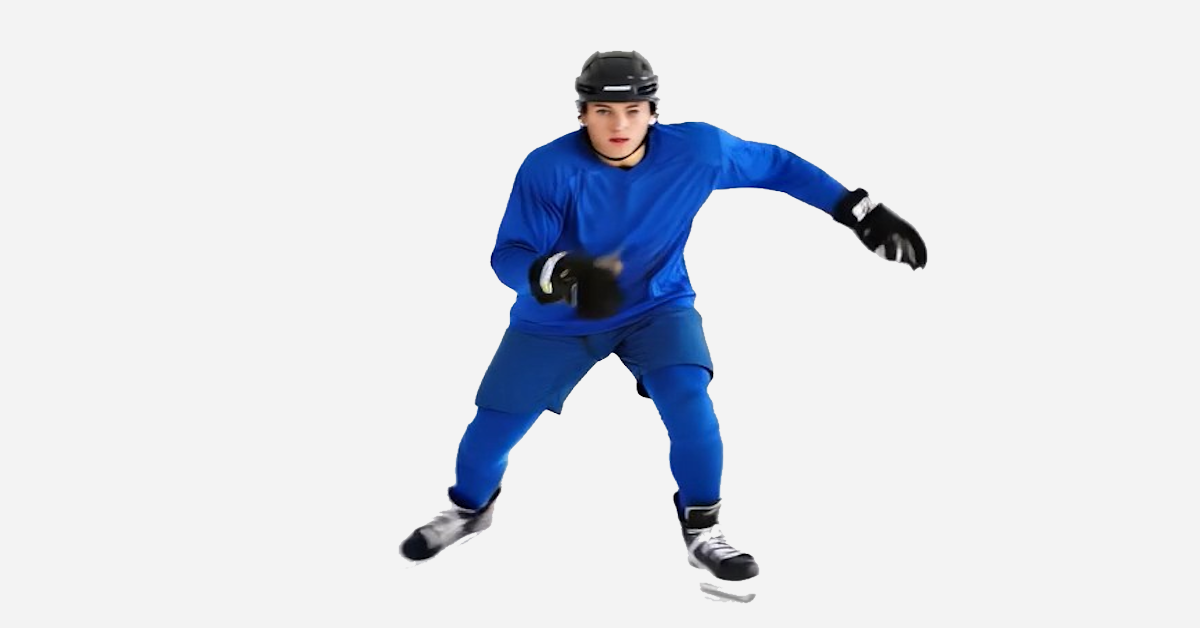
REALITY: Edges are the foundation of speed. EXPLANATION: Without edge control, speed becomes sloppy, unsafe, and impossible to build on.
Read MoreMYTH #4: “Power skating is separate from hockey skating.”
If a drill doesn’t connect directly to game movement, it’s conditioning, not skill development.
Read MoreThe Truth About “Shoulder Checking” — And Why Most Kids Do It Wrong
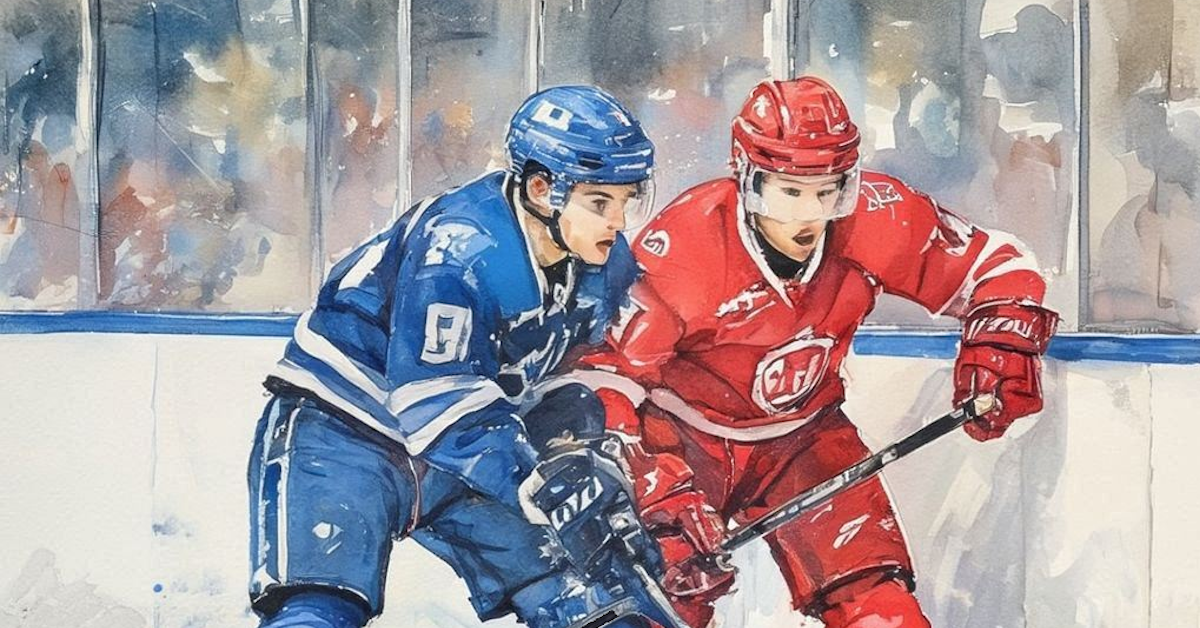
The truth about shoulder checking in hockey is that most young players think they’re doing it right simply because they make contact, but real shoulder‑to‑body checking is a technical skill built on timing, posture, and controlled force. A proper shoulder check isn’t about throwing your weight around or trying to “blow someone up.” It’s about using your shoulder and upper body to legally bump a puck‑carrying opponent and separate him from the puck without losing your own balance or taking yourself out of the play.
Read MoreMYTH #3: “Edge work means doing fancy patterns.”

”REALITY: Edgework is simply the ability to control your edges under pressure. EXPLANATION: It’s not about cones or choreography — it’s about balance, weight transfer, and being able to move efficiently in game situations.
Read MoreComing… April 2026
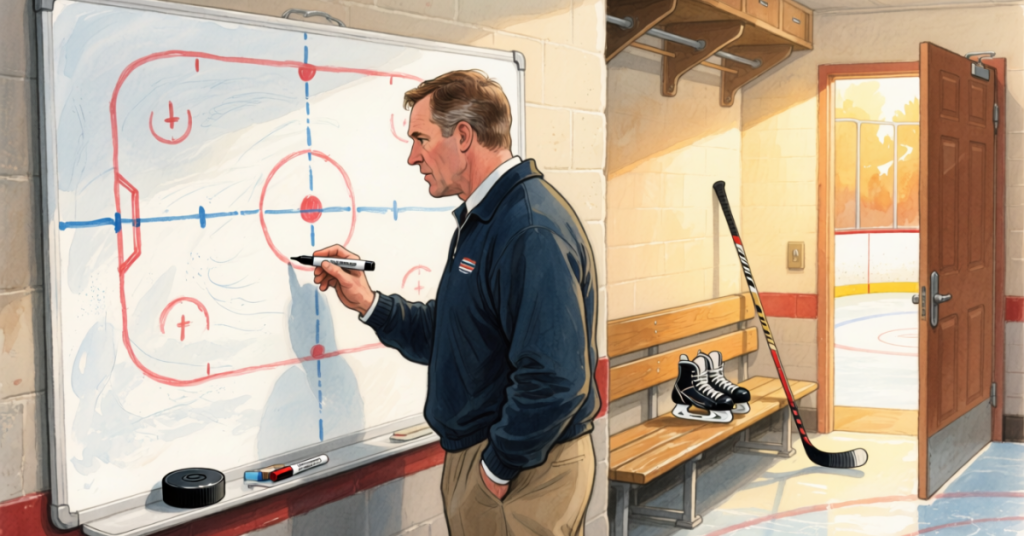
Long‑time hockey friends should know that I create this page each month as a courtesy to my members and potential members, trying to give everyone a sense of what’s “coming” within the next month. (As always, I’ve purposely saved a couple of slots for this coming month, so please keep an eye out for those…
Read MoreMYTH #2: “You need to stay low all the time.”
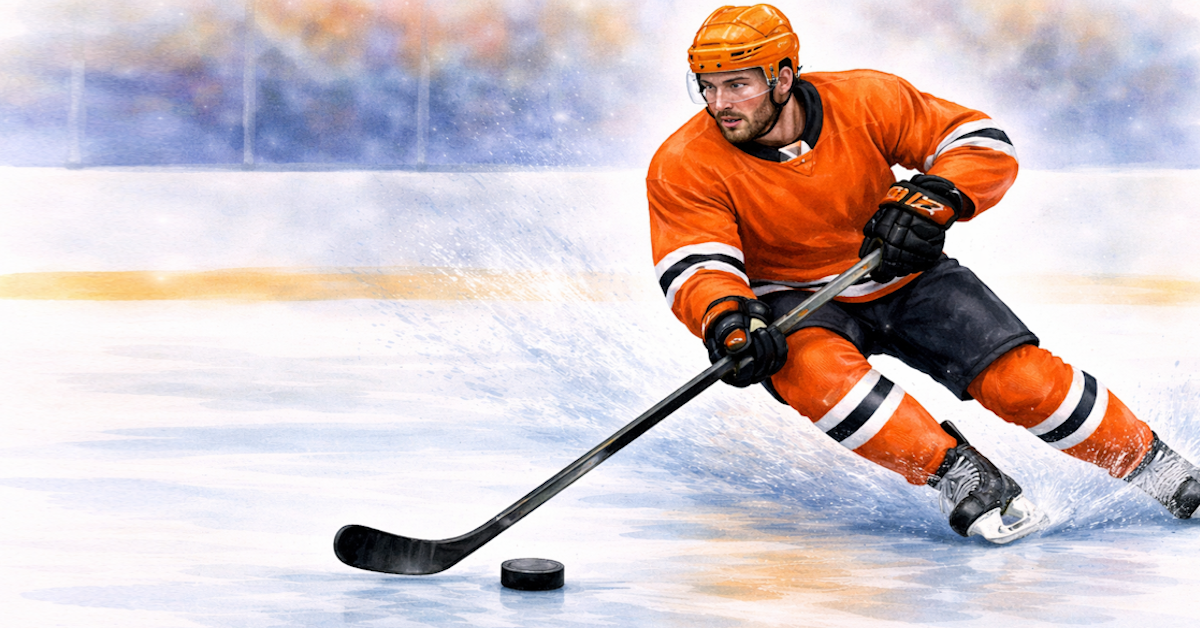
Most players hear “stay low” so often that they treat it like a permanent commandment. They drop into a deep crouch, lock themselves there, and wonder why they feel slow, stiff, or stuck. The truth is, skating isn’t a single height — it’s a living, changing posture.
Read More