Hockey Myths
MYTH #11: “Hockey IQ can’t be taught.”
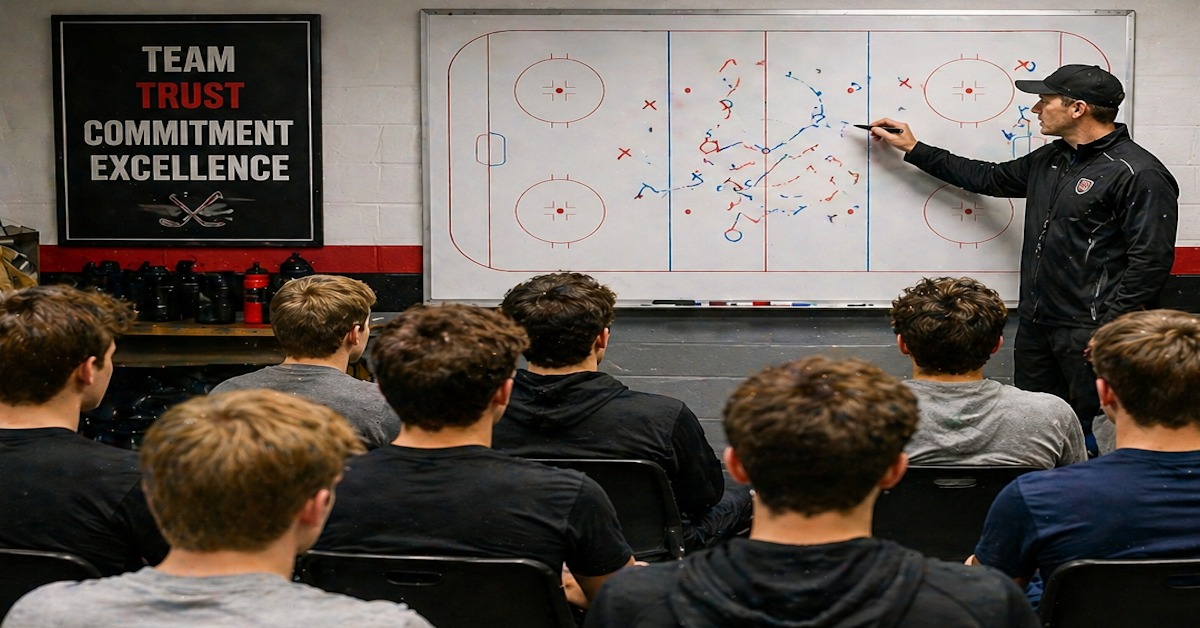
REALITY: It absolutely can. EXPLANATION: IQ grows through repetition, video, guided questions, and learning patterns — just like any other skill.
Read MoreMYTH #10: “Dekes win games.”
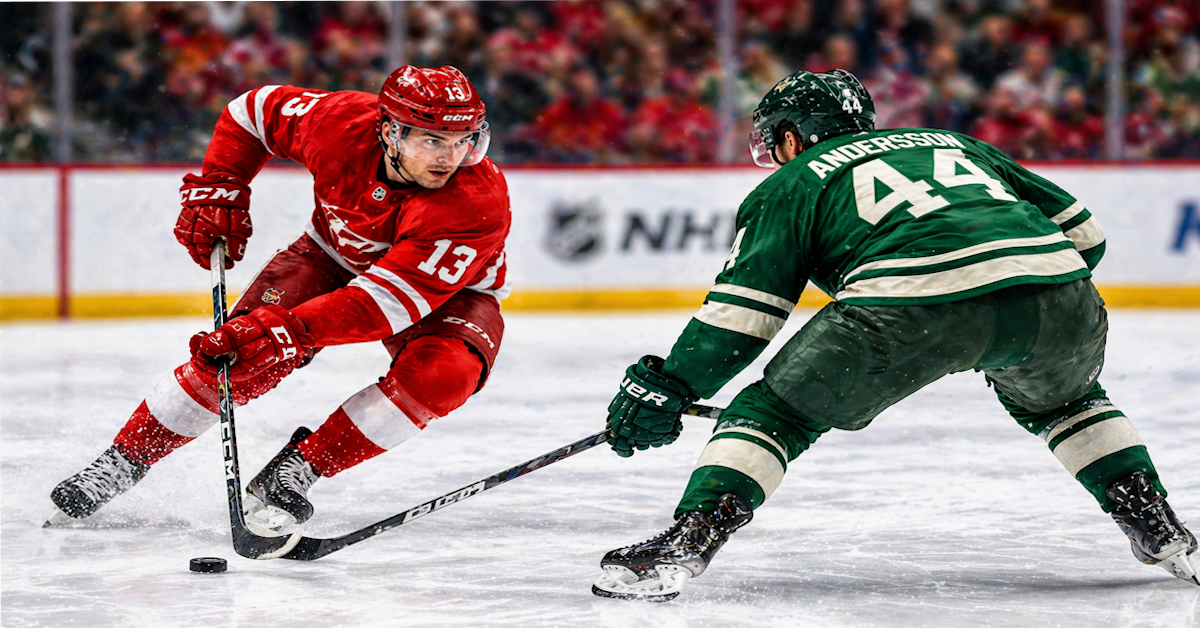
A deke is just one option — and often not the best one. Smart players choose the highest‑percentage play…
Read MoreMYTH #9: “You should always keep two hands on your stick.”
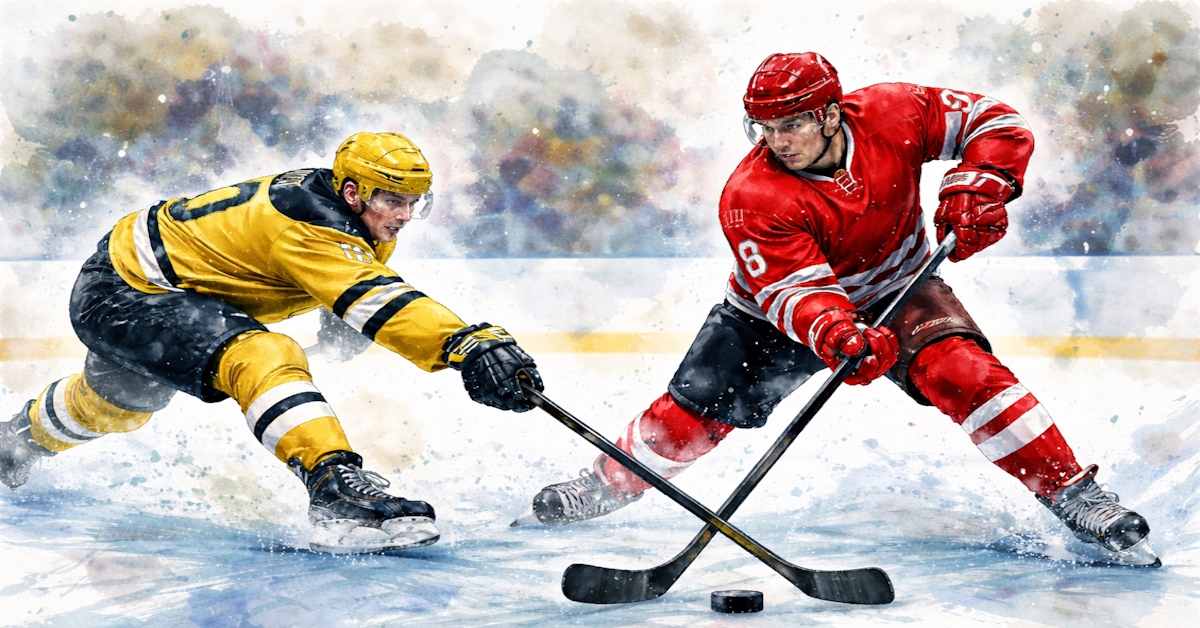
REALITY: One-hand control is essential in modern hockey. EXPLANATION: Reaching, poking, angling, and protecting space all require one-hand mobility.
Read MoreMYTH #8: “Passing is just about accuracy”
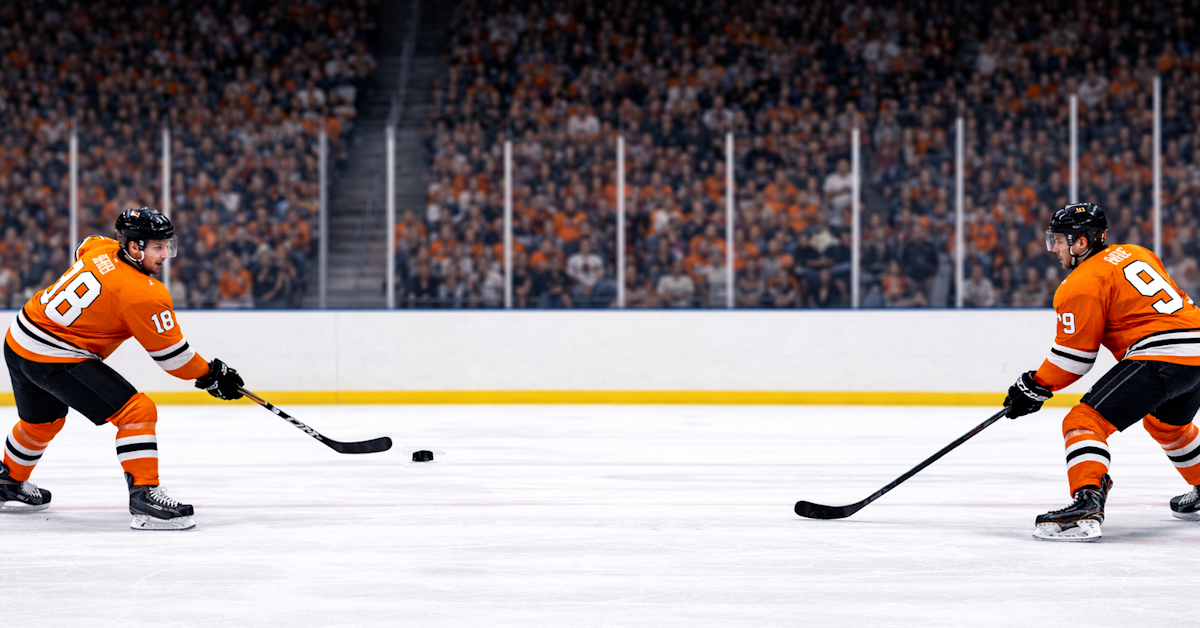
REALITY: Accuracy, deception, and timing score more goals than raw power.
EXPLANATION: Goalies stop hard shots they can see. They struggle with shots that change angle or arrive unexpectedly…
MYTH #7: “Shooting harder is the key to scoring.”
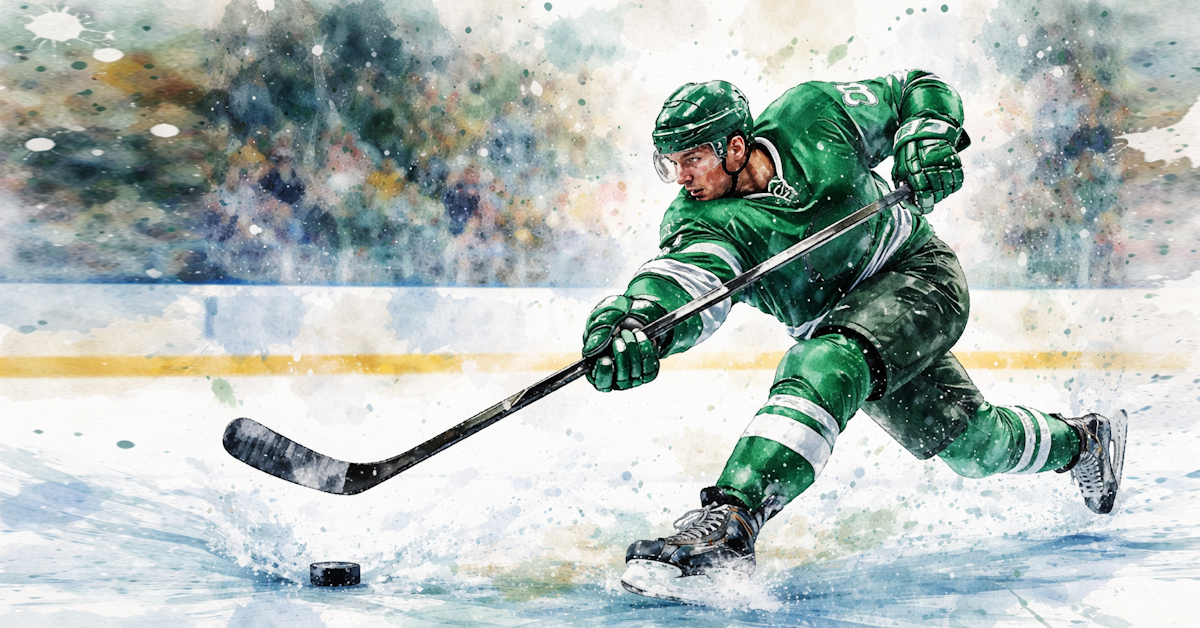
REALITY: Accuracy, deception, and timing score more goals than raw power. EXPLANATION: Goalies stop hard shots they can see. They struggle with shots that change angle or arrive unexpectedly.
Read MoreMyth #6: “Stickhandling is about fast hands.”
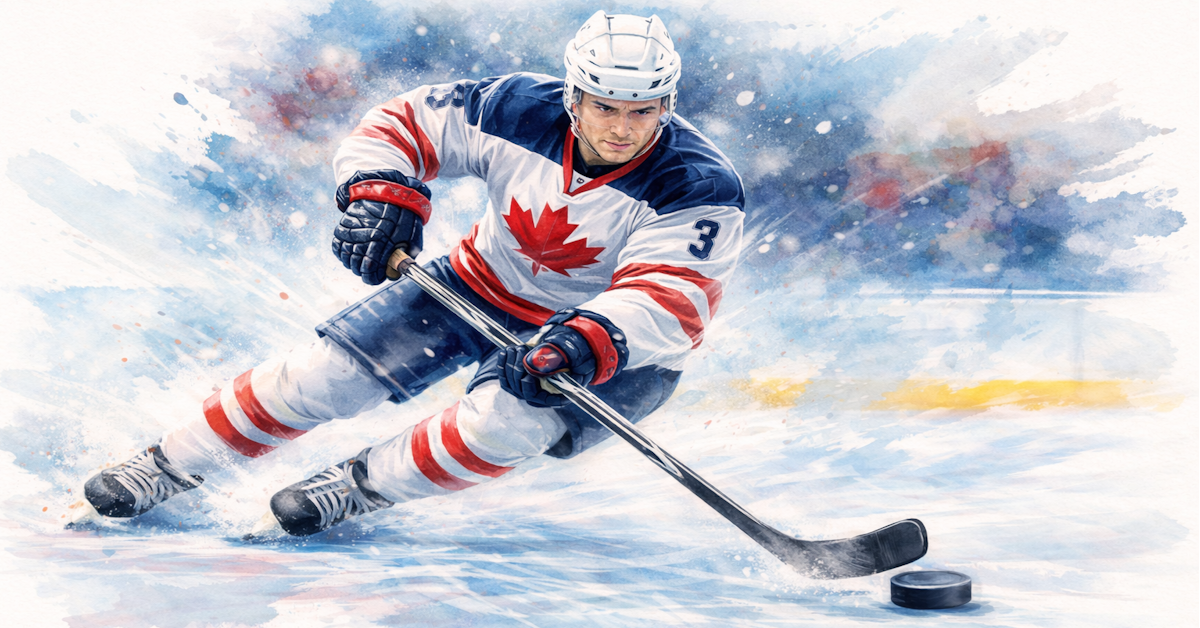
REALITY: It’s about controlling the puck with your body, not your wrists.
Read MoreMYTH #5: “Kids should learn speed before edges.”
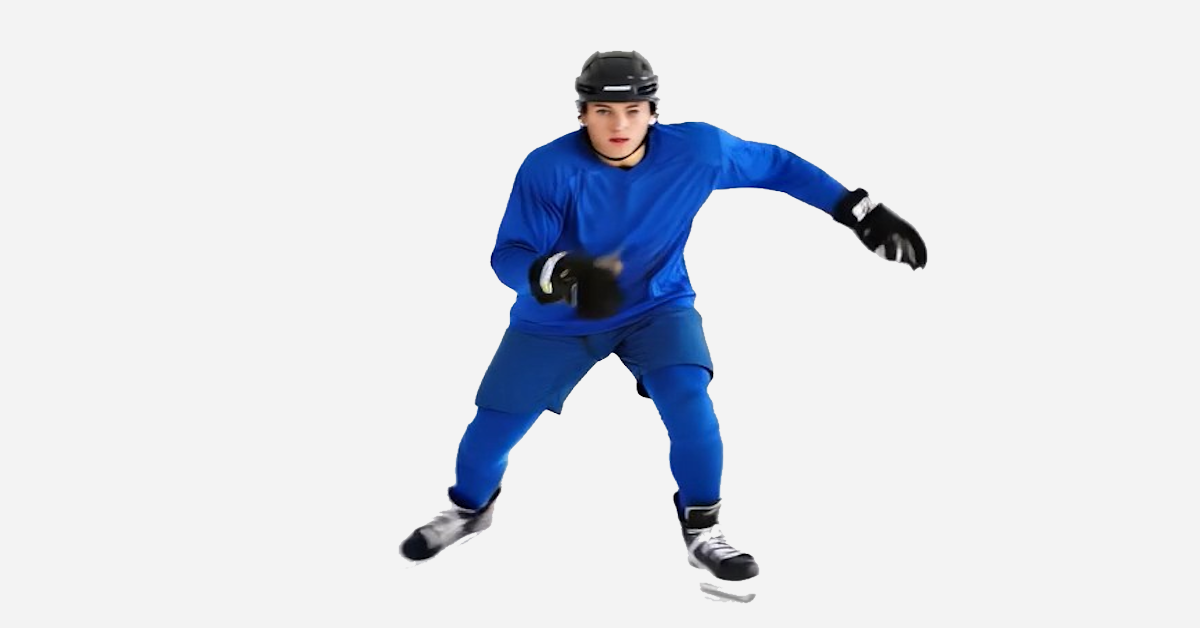
REALITY: Edges are the foundation of speed. EXPLANATION: Without edge control, speed becomes sloppy, unsafe, and impossible to build on.
Read MoreMYTH #4: “Power skating is separate from hockey skating.”
If a drill doesn’t connect directly to game movement, it’s conditioning, not skill development.
Read MoreMYTH #3: “Edge work means doing fancy patterns.”

”REALITY: Edgework is simply the ability to control your edges under pressure. EXPLANATION: It’s not about cones or choreography — it’s about balance, weight transfer, and being able to move efficiently in game situations.
Read MoreMYTH #2: “You need to stay low all the time.”
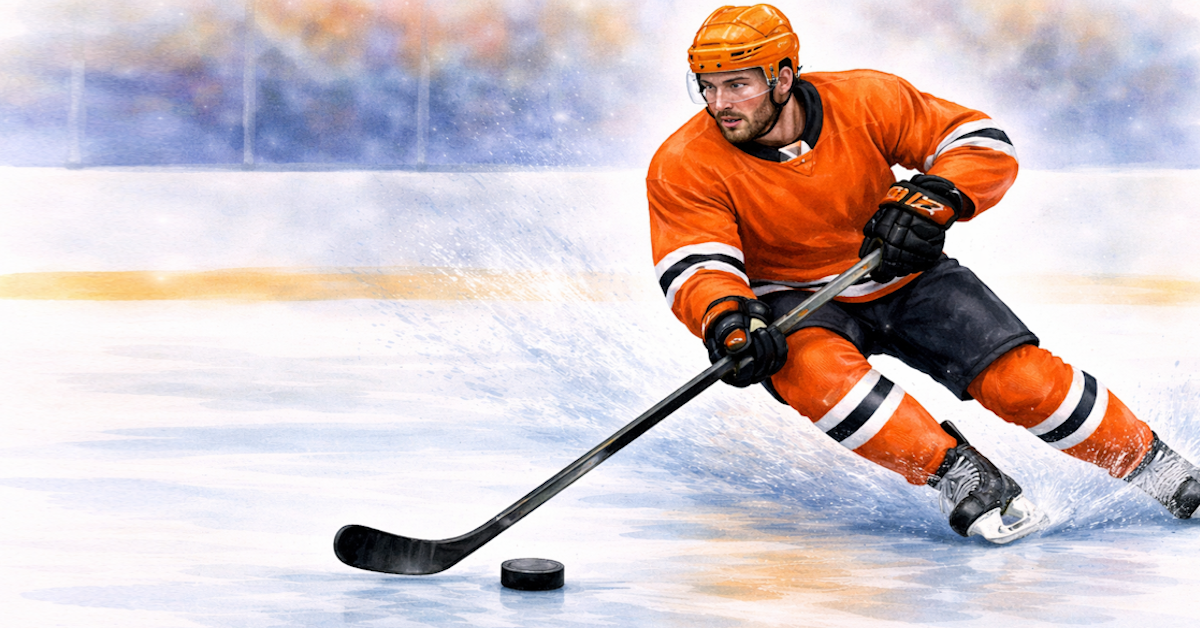
Most players hear “stay low” so often that they treat it like a permanent commandment. They drop into a deep crouch, lock themselves there, and wonder why they feel slow, stiff, or stuck. The truth is, skating isn’t a single height — it’s a living, changing posture.
Read More