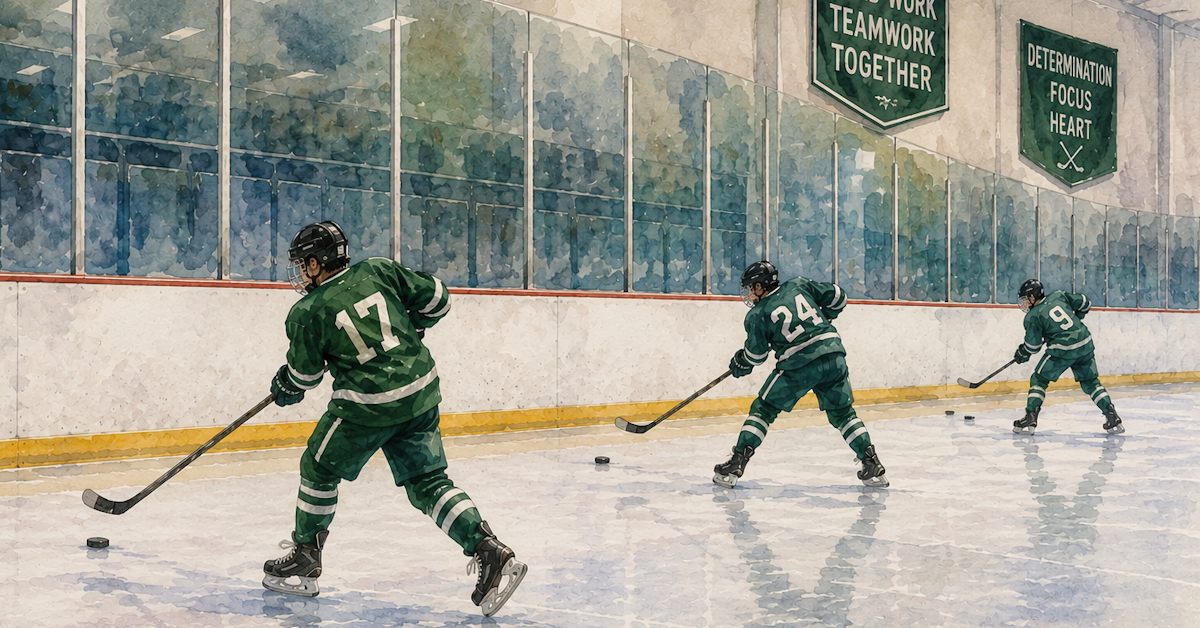
Every summer, hockey players across North America sign up for hockey skills camps with the goal of becoming better players before the next season begins. Parents invest time and money into skating camps, stickhandling clinics, shooting programs, and specialized development sessions because they want to help their players improve. Coaches often encourage athletes to use the off-season wisely and continue developing their game. The big question, however…
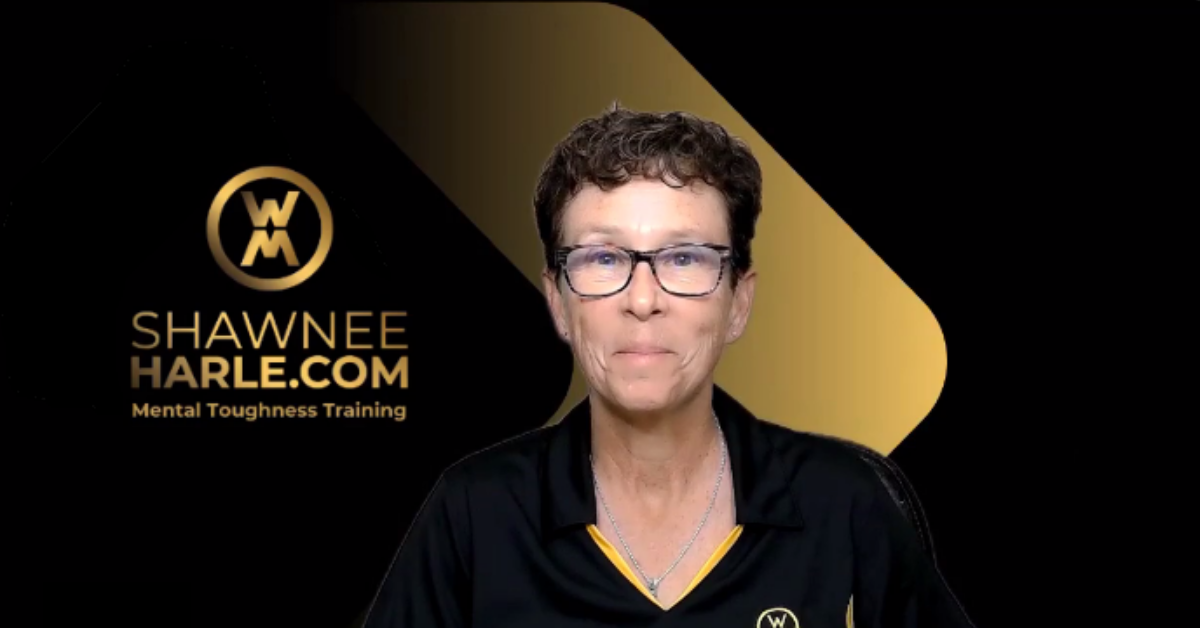
With mental toughness always being a key to solid hockey play, we’re thrilled to once again present Shawnee Harle’s monthly insights into that area. And, in this video, she addresses an obvious concern with “Negative Self-talk”!
Follow along with Dave as he shows you how to use bands to train your body for more strength and endurance…
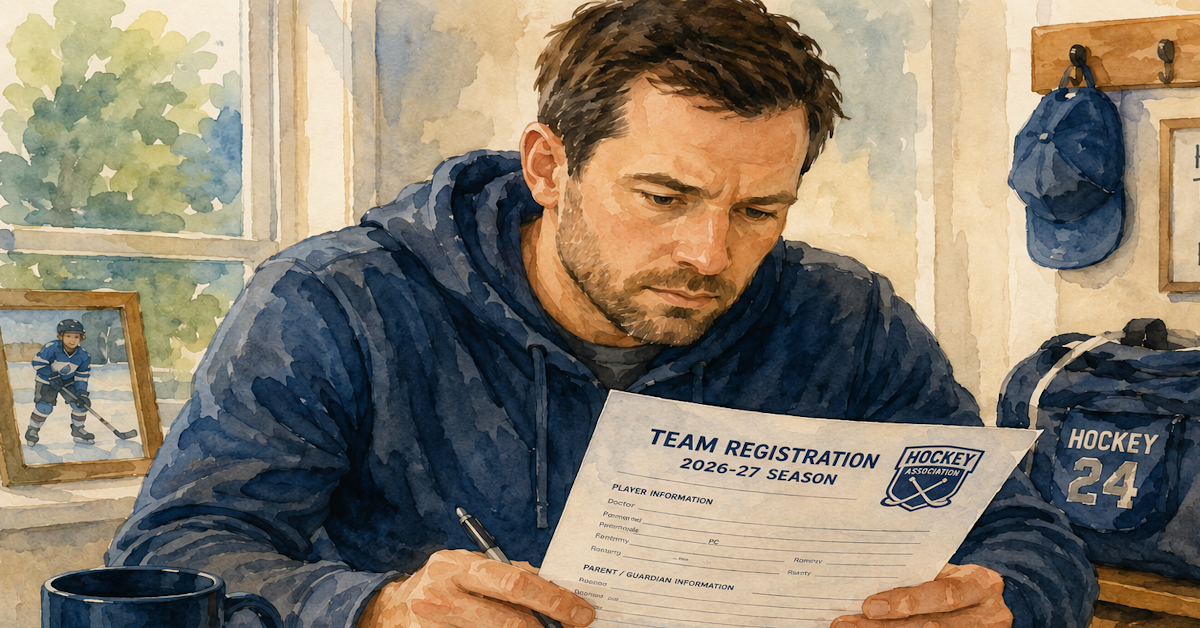
If you are a hockey parent, it can sometimes feel like there is a new form, certification, or league requirement waiting around every corner. Between registering for teams, arranging transportation, buying equipment, and supporting your young player, it is easy to overlook important requirements such as Respect in Sport training, coaching certifications, and league rules. However…
Summer hockey has become a major part of youth hockey culture, especially for competitive players who dream about making higher-level teams, junior hockey, college hockey, or beyond. There are certainly benefits to summer training, but there are also hidden costs that many players, parents, and even coaches do not fully recognize until they are deep into the process…
Hockey players hear it all the time: “Have your stick on the ice.” But that alone doesn’t guarantee you’ll control a pass. In fact, most bobbled pucks happen even when the blade is down — because the blade isn’t turned to the correct angle. The real key to clean puck reception is simple, but almost…

Most parents enter youth hockey focused mainly on their child’s team, coach, and game schedule. They think about practices, tournaments, equipment, ice time, and player development. But behind almost every youth hockey organization is another group quietly shaping the experience for every family in the program: the board of directors.
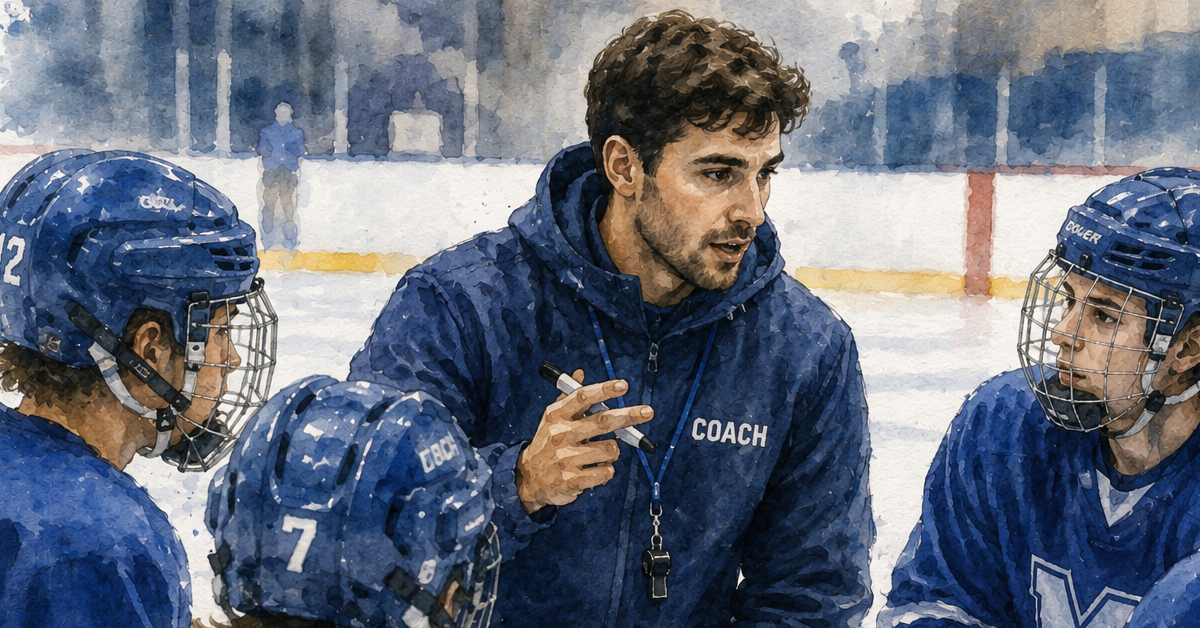
Few things change the direction of a hockey season faster than coaching turnover. One year a team may have a coach who focuses heavily on skill development, puck possession, and confidence-building, while the next year a completely different coaching style suddenly appears. For hockey players, parents, and even assistant coaches, these changes can create excitement, confusion, stress, or new opportunities depending on the situation.
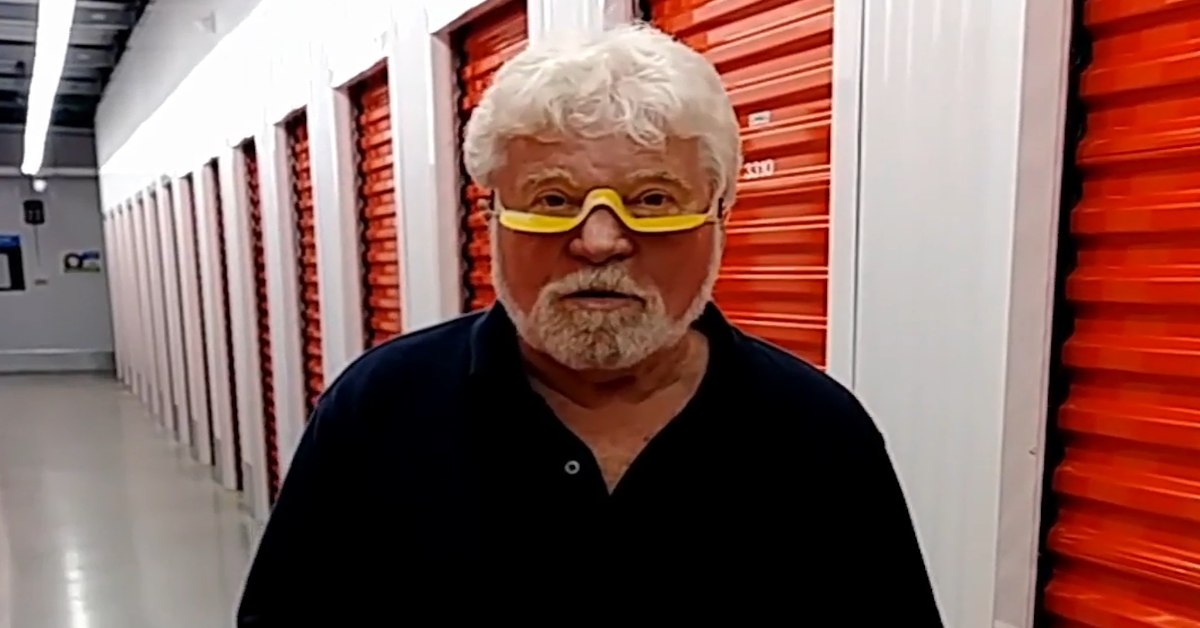
After years of running hockey schools, clinics, and team sessions, I’ve accumulated a lot of training gear — the kind of equipment that keeps players moving, learning, and improving without wasting time in long lines. And I’m now making the remaining pieces available to anyone who can put them to good use…