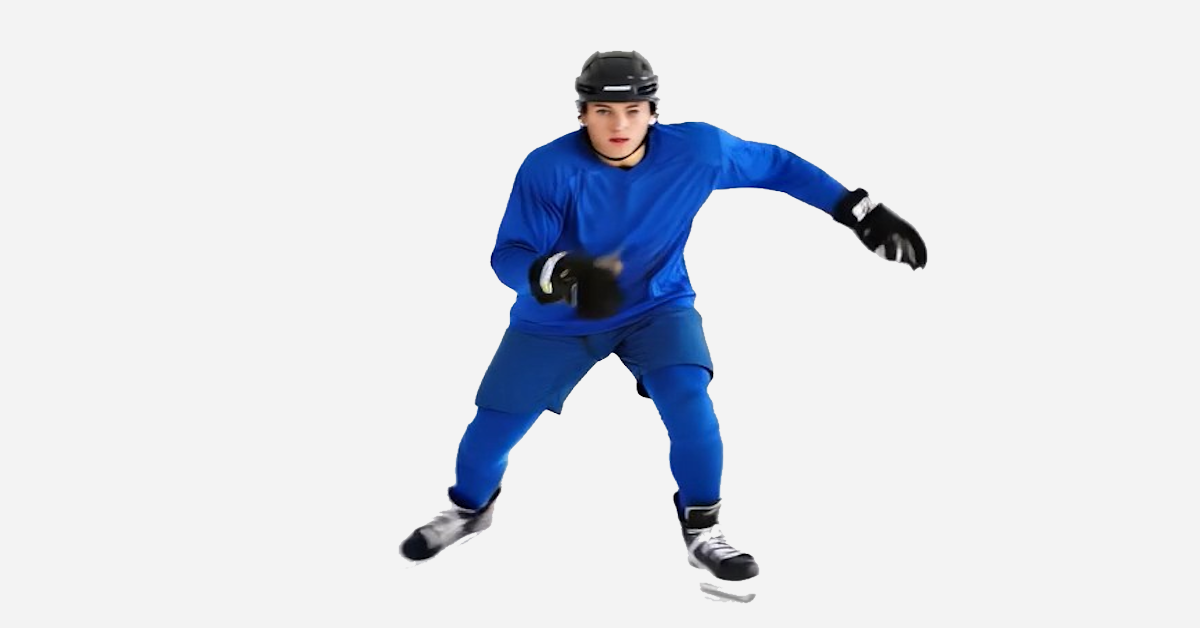
REALITY: Edges are the foundation of speed. EXPLANATION: Without edge control, speed becomes sloppy, unsafe, and impossible to build on.
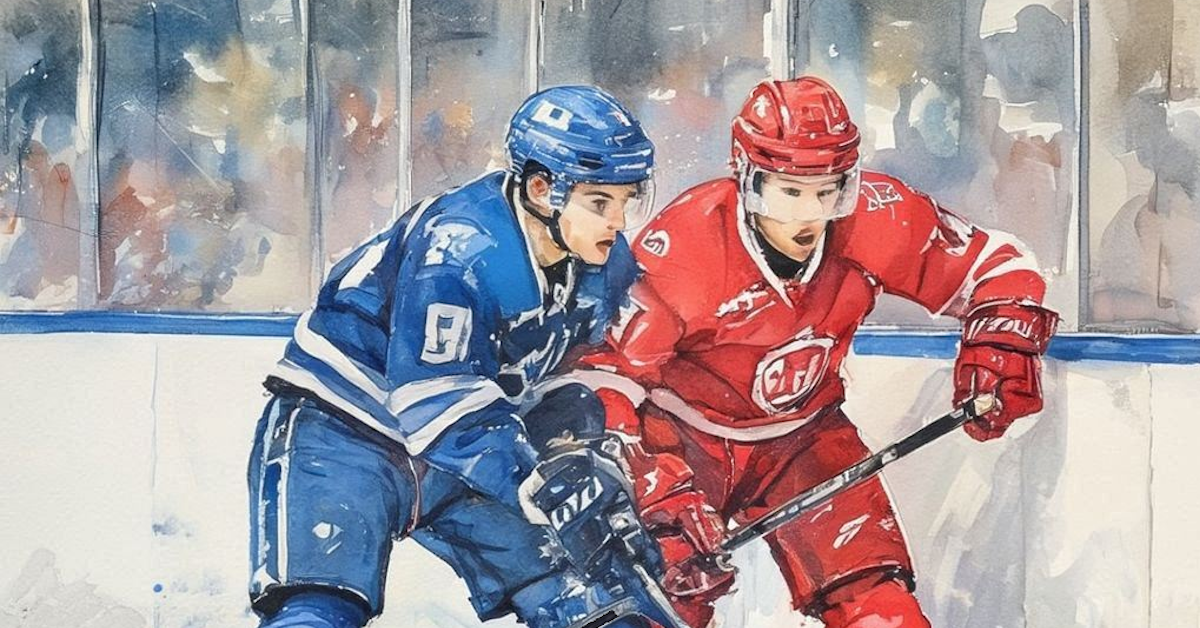
The truth about shoulder checking in hockey is that most young players think they’re doing it right simply because they make contact, but real shoulder‑to‑body checking is a technical skill built on timing, posture, and controlled force. A proper shoulder check isn’t about throwing your weight around or trying to “blow someone up.” It’s about using your shoulder and upper body to legally bump a puck‑carrying opponent and separate him from the puck without losing your own balance or taking yourself out of the play.

With mental toughness always being a key to solid hockey play, we’re thrilled to once again present Shawnee Harle’s monthly insights into that area. And, in this video, she addresses an obvious concern with “Negative Self-talk”!

”REALITY: Edgework is simply the ability to control your edges under pressure. EXPLANATION: It’s not about cones or choreography — it’s about balance, weight transfer, and being able to move efficiently in game situations.
Follow along with Dave as he shows you how to use these bands to train your body for more strength and endurance…
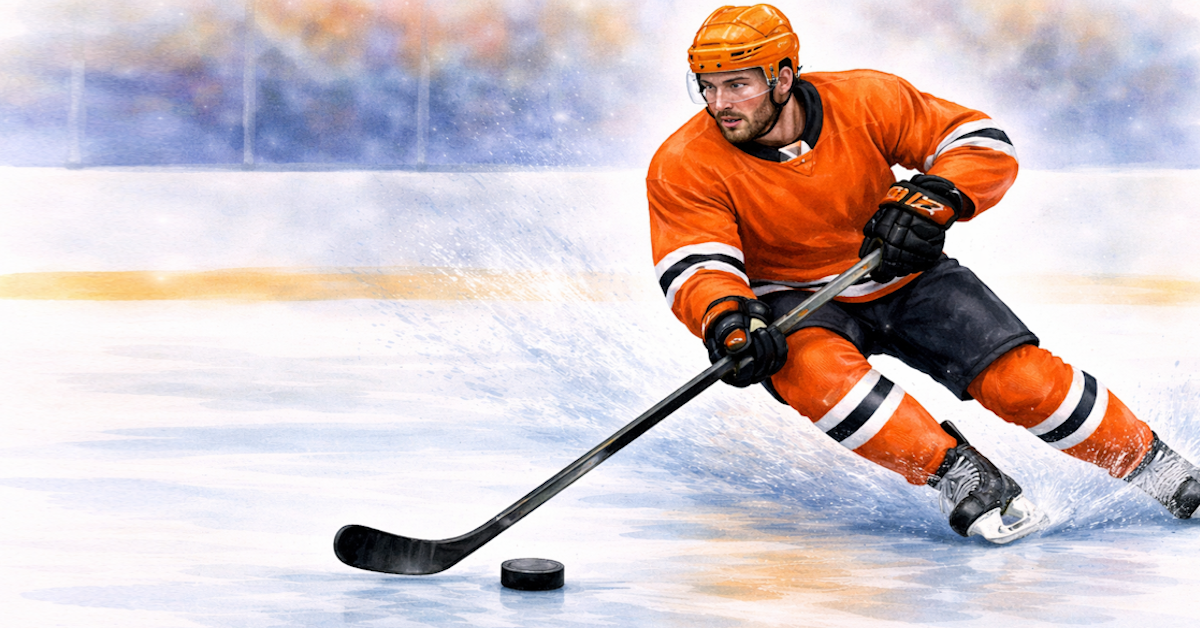
Most players hear “stay low” so often that they treat it like a permanent commandment. They drop into a deep crouch, lock themselves there, and wonder why they feel slow, stiff, or stuck. The truth is, skating isn’t a single height — it’s a living, changing posture.
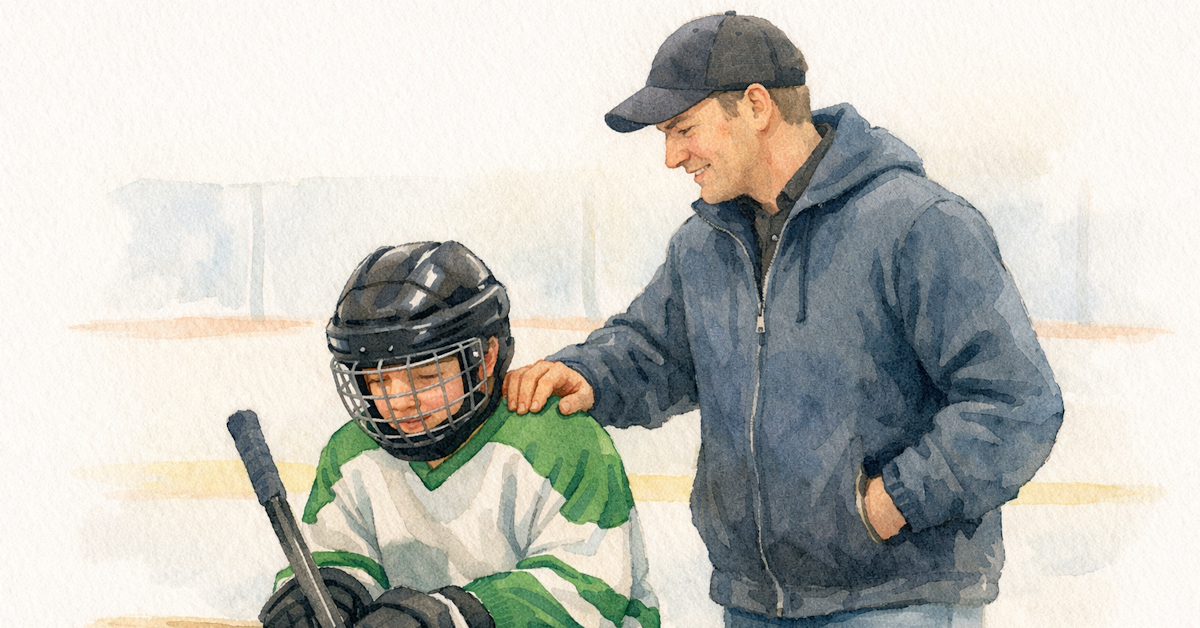
The real difference between strong players and struggling players isn’t the number of mistakes they make, but how quickly they bounce back from them. When a player learns to reset, refocus, and keep their confidence steady, their entire game changes. They stop playing scared, they stop hesitating, and they start trusting their instincts again. That shift alone can turn an average player into a reliable, resilient one who can handle the ups and downs of a long season.
A lot of players grow up hearing that the key to skating faster is simply pushing harder, and it sounds reasonable enough on the surface. But the truth is, the fastest skaters aren’t the ones muscling their way down the ice — they’re the ones moving efficiently…
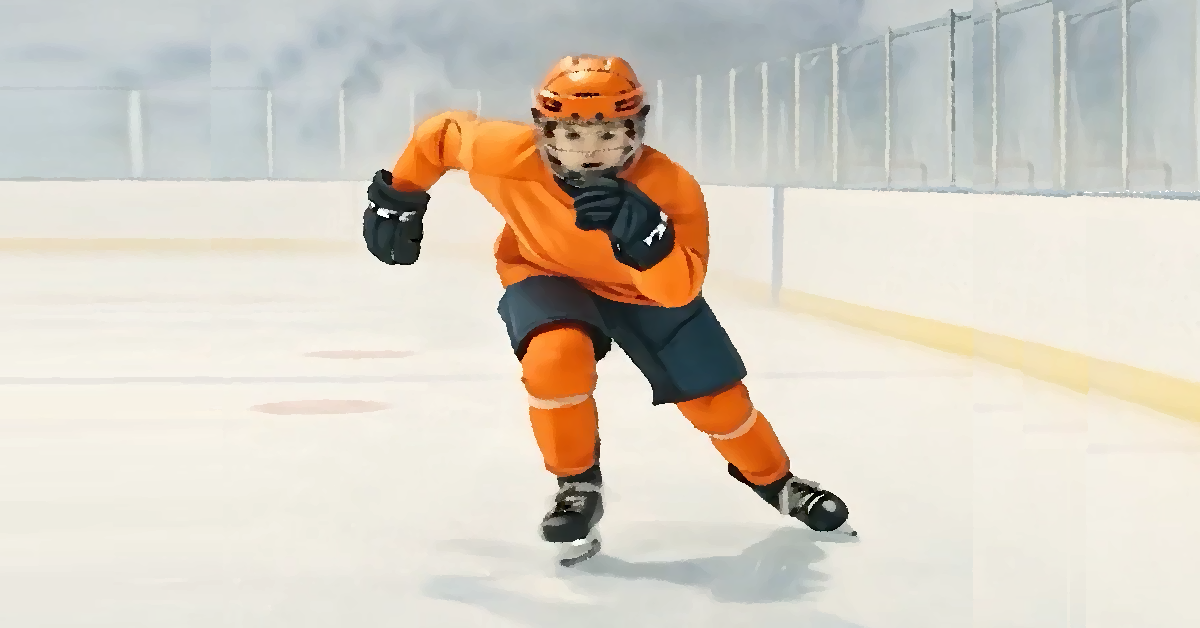
A young hockey player can improve faster when he or she starts seeing the game as more than just skating hard and chasing the puck. High‑school athletes who separate themselves from the pack usually do it by understanding the deeper mechanics behind every stride, every pass, and every decision. When you begin to recognize how rhythm, timing, and body control shape your performance — and get to use the Skater’s Rhythm Bar, the game slows down in the best possible way.
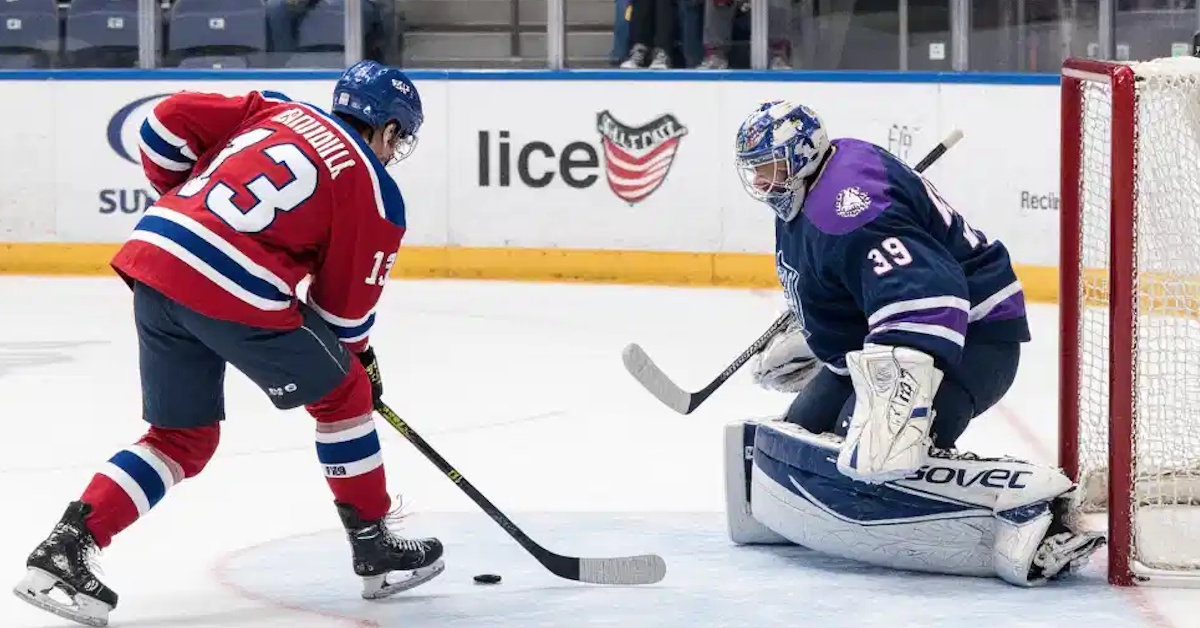
Most players don’t struggle with the backhand because they’re weak, unskilled, or afraid of the shot. They struggle because the backhand has quietly become one of the most neglected skills in modern hockey. Kids grow up firing forehands from every angle, but they almost never get the same number of touches, experiments, or repetitions on the backhand side. By the time they reach competitive levels, the backhand feels foreign, awkward, and unreliable…