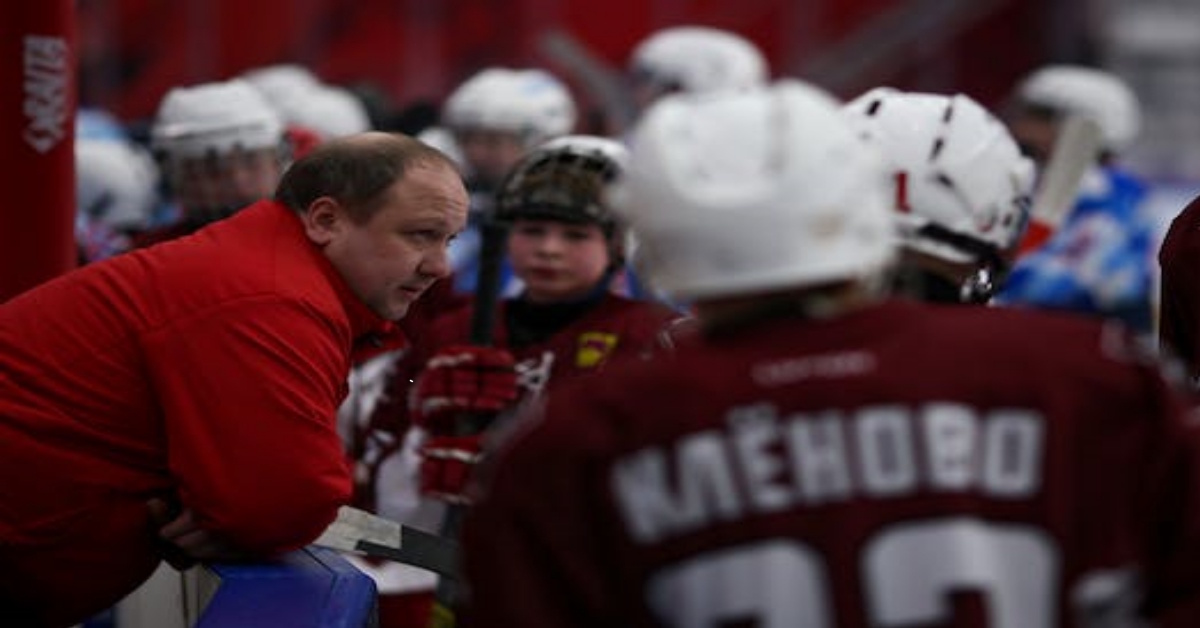
When a team has the man advantage, everyone expects crisp puck movement, clean entries, and dangerous scoring chances. But what usually happens instead is hesitation, overthinking, and five players all trying to do a little bit of everything. That’s when the power play slows down, the penalty killers gain confidence, and the puck ends up 200 feet away. The good news is that most of these problems disappear the moment each player understands a simple, specific role and sticks to it. When roles are clear, the puck moves faster, the decisions get easier, and the power play suddenly looks like it has purpose instead of panic.
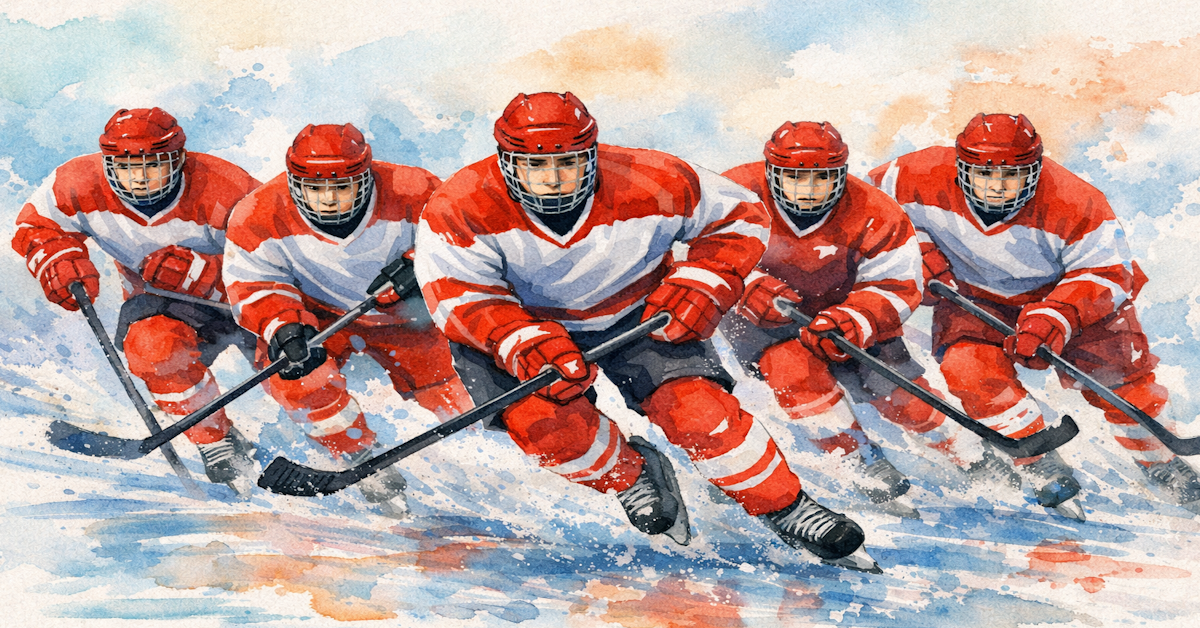
Many young players are taught to skate as hard as they can all the time, believing that constant speed is the key to beating opponents. While skating speed is certainly an important hockey skill, experienced coaches and skilled players know that the real advantage often comes from something much more subtle. The ability to change speed at the right moment, sometimes called tempo control, can be far more effective than simply racing up and down the ice at full speed. Learning the art of changing speed allows players to become less predictable, more creative with the puck, and far more difficult for defenders to handle.
Coaches are always looking for ways to help players learn faster, practice smarter, and enjoy the game more. While the basics of hockey — skating, passing, shooting, and positioning — will always be the foundation of player development, the right training aids can make teaching those skills much easier.
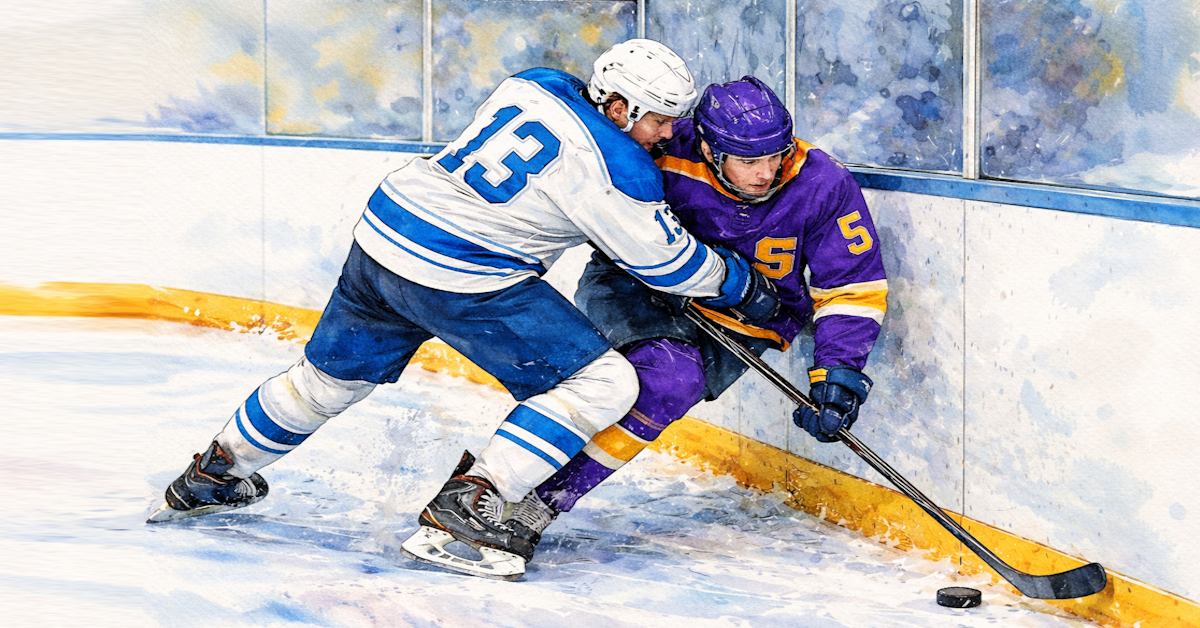
One of the most important defensive habits in hockey is learning how to protect the middle of the ice, and I harped on that often as a higher level coach. Of course, coaches at every level talk about it, but young players often don’t fully understand what it means or why it matters so much. The middle of the ice is the most dangerous scoring area on the rink. It runs from the center lane in the neutral zone all the way to the slot and the front of the net in the defensive zone.
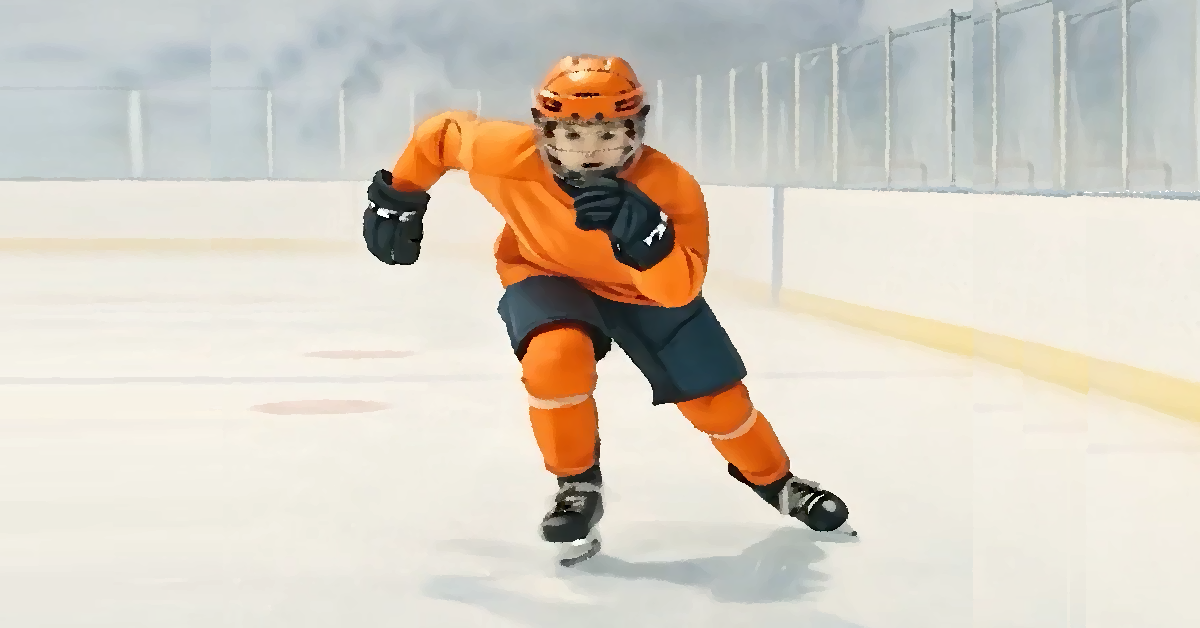
A young hockey player can improve faster when he or she starts seeing the game as more than just skating hard and chasing the puck. High‑school athletes who separate themselves from the pack usually do it by understanding the deeper mechanics behind every stride, every pass, and every decision. When you begin to recognize how rhythm, timing, and body control shape your performance — and get to use the Skater’s Rhythm Bar, the game slows down in the best possible way.
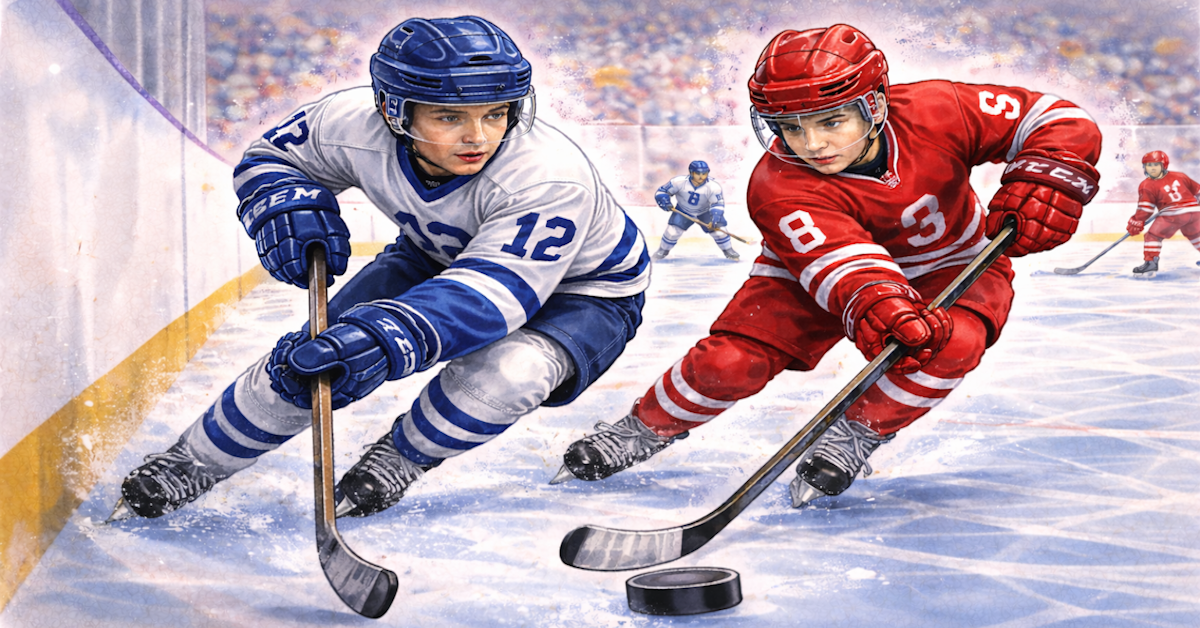
Winning puck races is one of the most underrated skills in hockey, yet it often determines who controls the game. Coaches talk about speed all the time, and players assume that the fastest skater always wins the race to the puck. The truth is very different. The hidden skill behind winning puck races is not just straight-line speed. It is anticipation, smart angles, explosive first strides, and the ability to read the play before it fully develops.
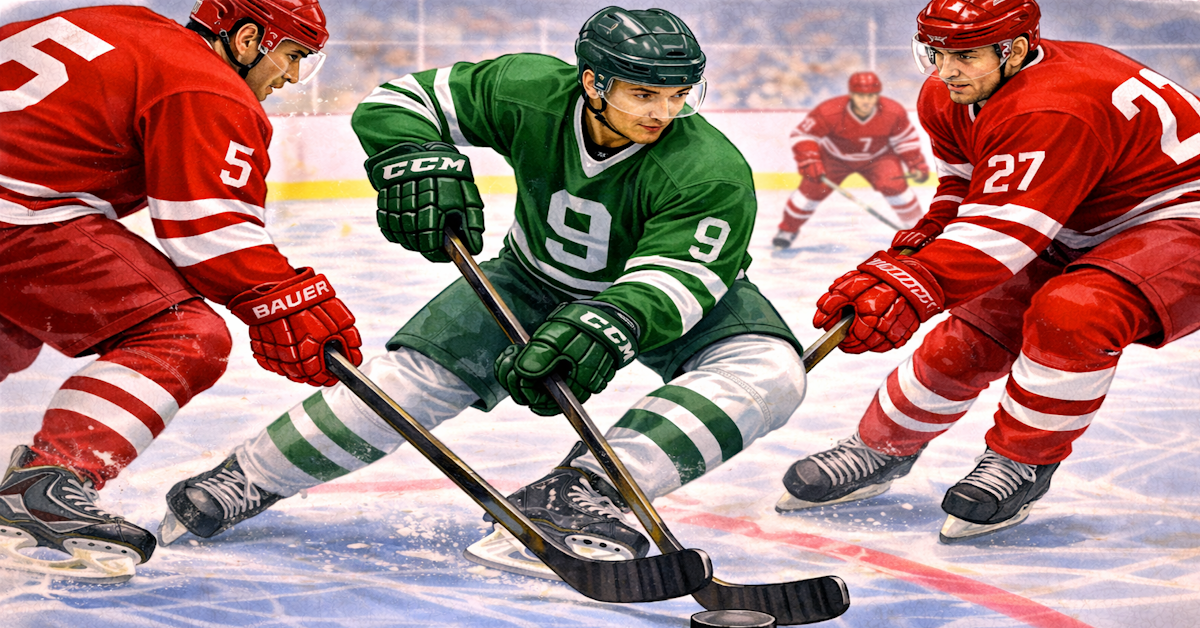
Stickhandling in open ice can feel comfortable, but the game becomes much harder when space disappears and pressure increases. This is where the “quiet hands” technique becomes one of the most valuable skills a player can develop. Quiet hands refer to calm, efficient, and controlled puck handling that allows players to maintain possession even in heavy traffic.
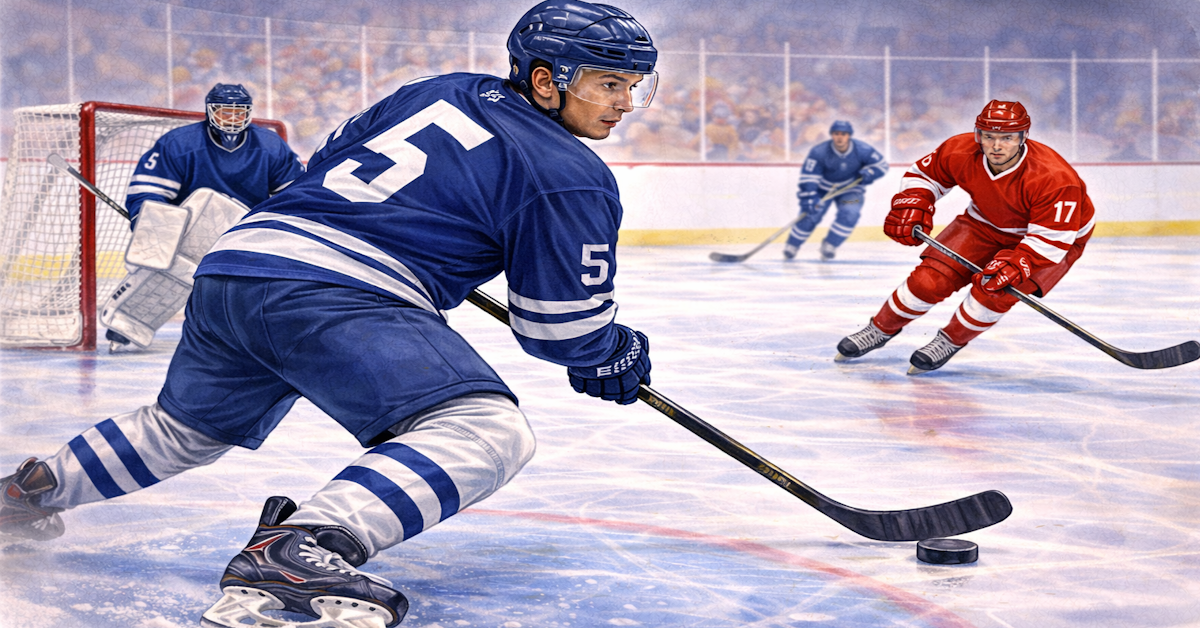
Building a confident breakout defenseman is one of the most important goals in hockey player development. Defensemen play a huge role in transitioning the puck from the defensive zone to the offensive zone, and a strong breakout often determines whether a team can create scoring chances or stay trapped under pressure. Many young defensemen have the skills to move the puck but struggle with confidence when forecheckers close in. Confidence is not just about personality.

Don’t forget to grab all you can from this awesome site, and make this coming month one to truly remember…
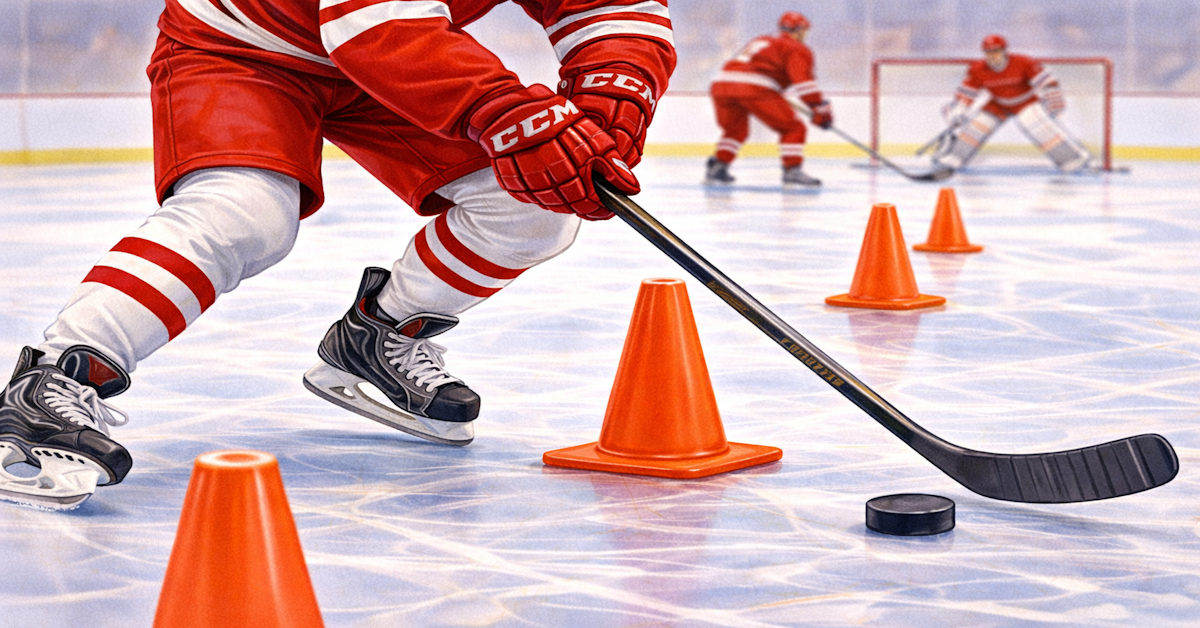
Most hockey players believe elite stickhandling is all about lightning-fast hands, fancy moves, and highlight-reel plays. Social media doesn’t help, because it shows the flash but not the foundation. In reality, the biggest difference between average stickhandlers and elite ones is not speed or creativity. It’s mastery of small, repeatable micro-skills that quietly show up on every shift. These details don’t look exciting on their own, but together they separate players who panic under pressure from players who stay calm and in control.