A Coach’s Notebook
Why Smarter Stride Training (and the Rhythm Bar) Helps Young Players Rise Above the Pack
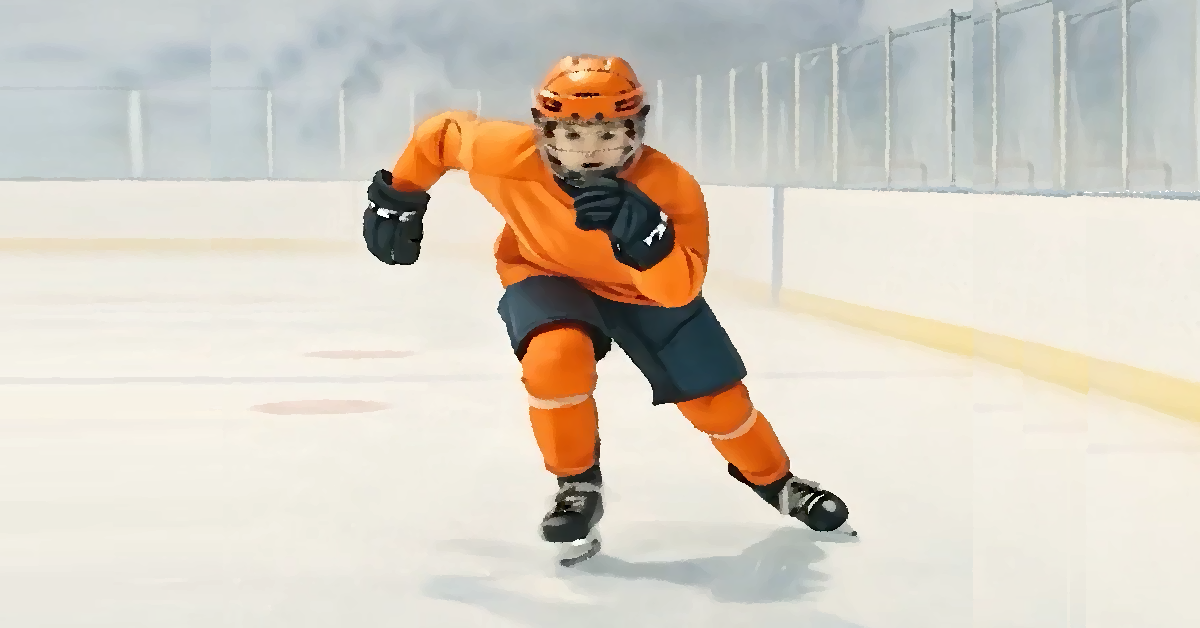
A young hockey player can improve faster when he or she starts seeing the game as more than just skating hard and chasing the puck. High‑school athletes who separate themselves from the pack usually do it by understanding the deeper mechanics behind every stride, every pass, and every decision. When you begin to recognize how rhythm, timing, and body control shape your performance — and get to use the Skater’s Rhythm Bar, the game slows down in the best possible way.
Read MoreThe Role of Deception in Youth Hockey — Teaching Fakes, Look-Offs, and Shoulder Drops
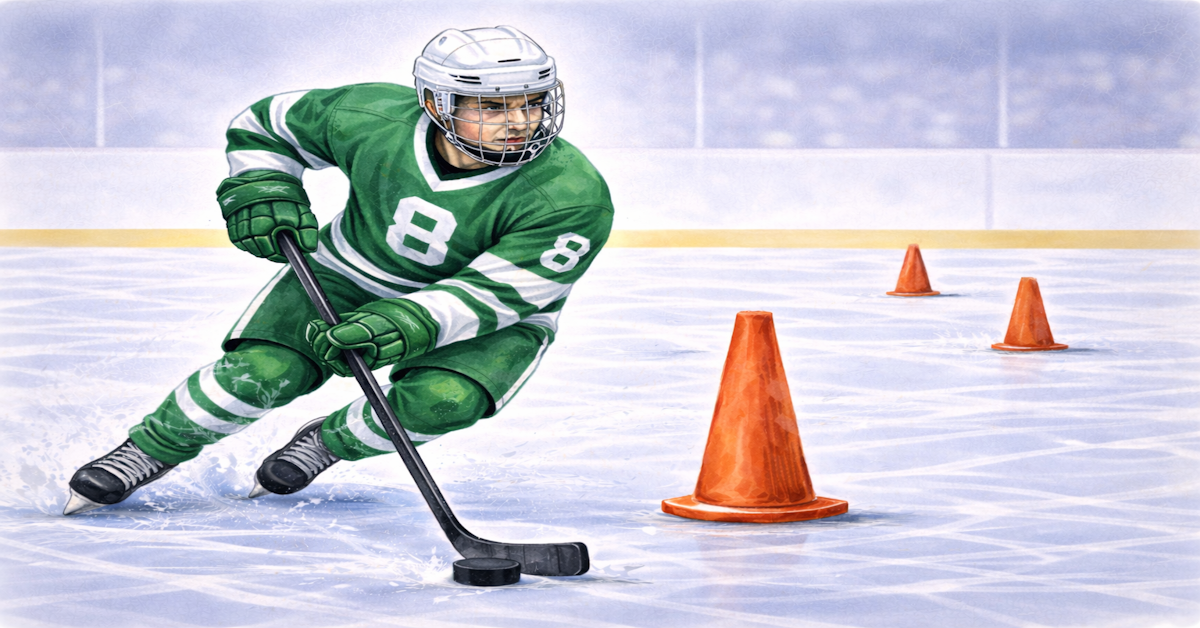
Deception in youth hockey is the ability to make a defender believe you are going one way while you actually plan to go another. It includes simple but powerful tools like shoulder drops, look-offs, and subtle body fakes. When taught correctly, deception creates time and space, which are two of the most valuable assets in modern hockey.
Read MoreThe Real Reason Players Struggle With Backhand Shots
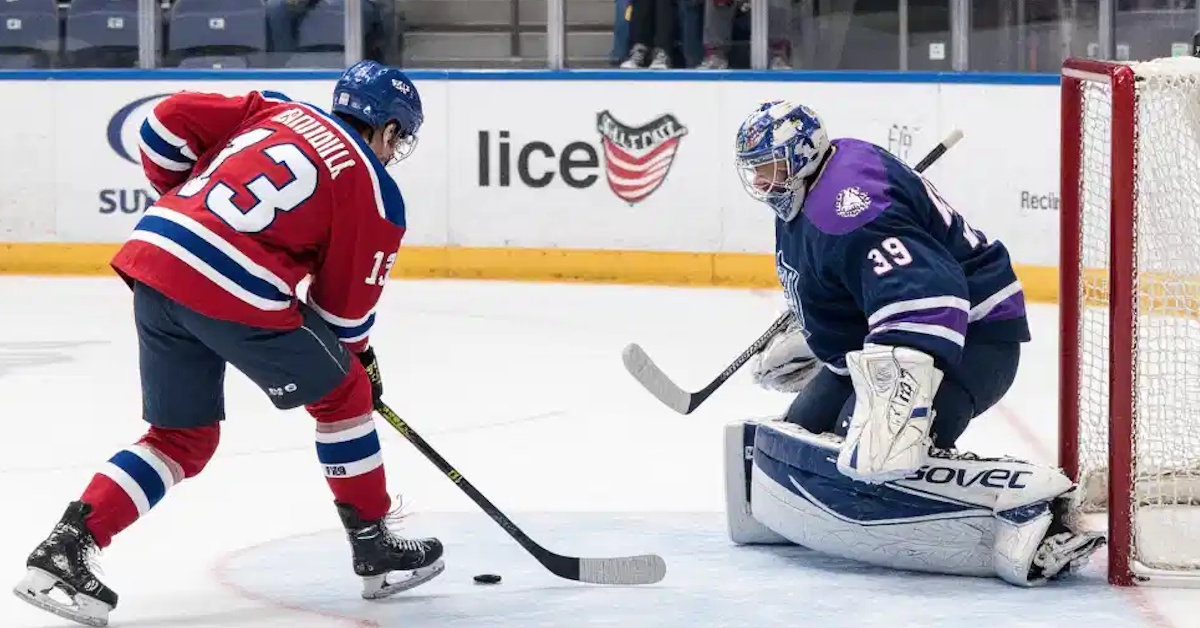
Most players don’t struggle with the backhand because they’re weak, unskilled, or afraid of the shot. They struggle because the backhand has quietly become one of the most neglected skills in modern hockey. Kids grow up firing forehands from every angle, but they almost never get the same number of touches, experiments, or repetitions on the backhand side. By the time they reach competitive levels, the backhand feels foreign, awkward, and unreliable…
Read MoreWhy Young Players Misread Pressure — And How to Fix It
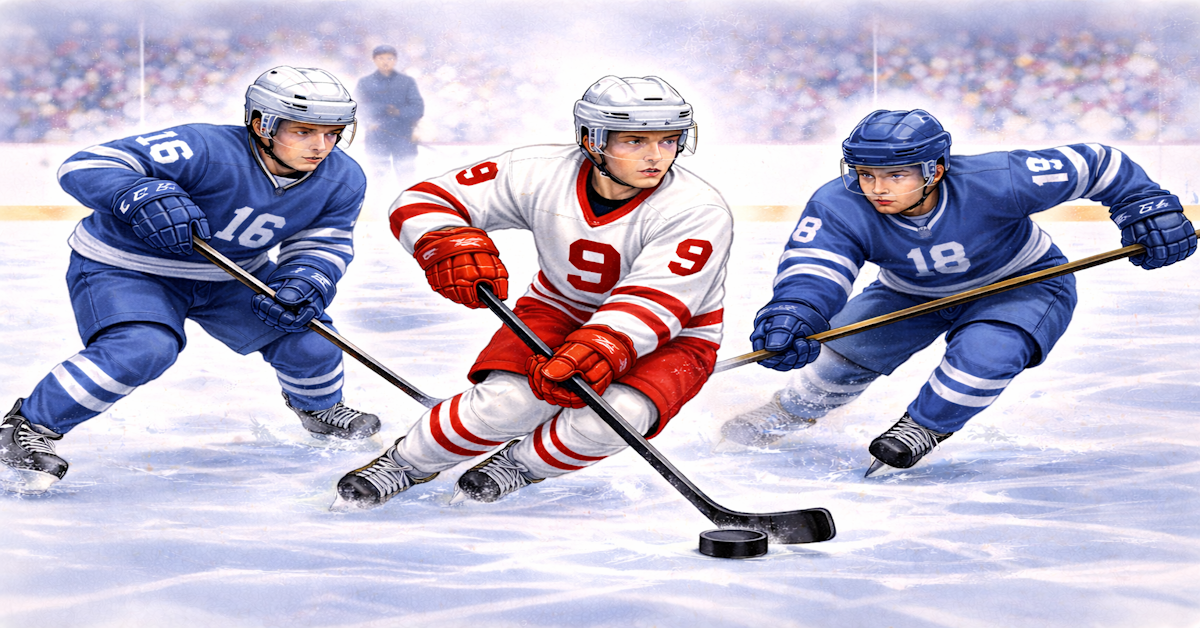
Many young players panic the moment a defender skates toward them, even when they still have time and space to make a smart play. Others hold onto the puck too long because they fail to recognize that pressure is closing fast. Understanding why young players misread pressure — and how to fix it — is one of the most important steps in building true hockey IQ, better decision-making, and long-term player confidence.
Read MoreRight between your ears

With mental toughness always being a key to solid hockey play, we’re thrilled to once again present Shawnee Harle’s monthly insights into that area. And, in this video, she addresses an obvious concern with “Negative Self-talk”!
Read MoreThe Most Misunderstood Skill in Youth Hockey: Angling
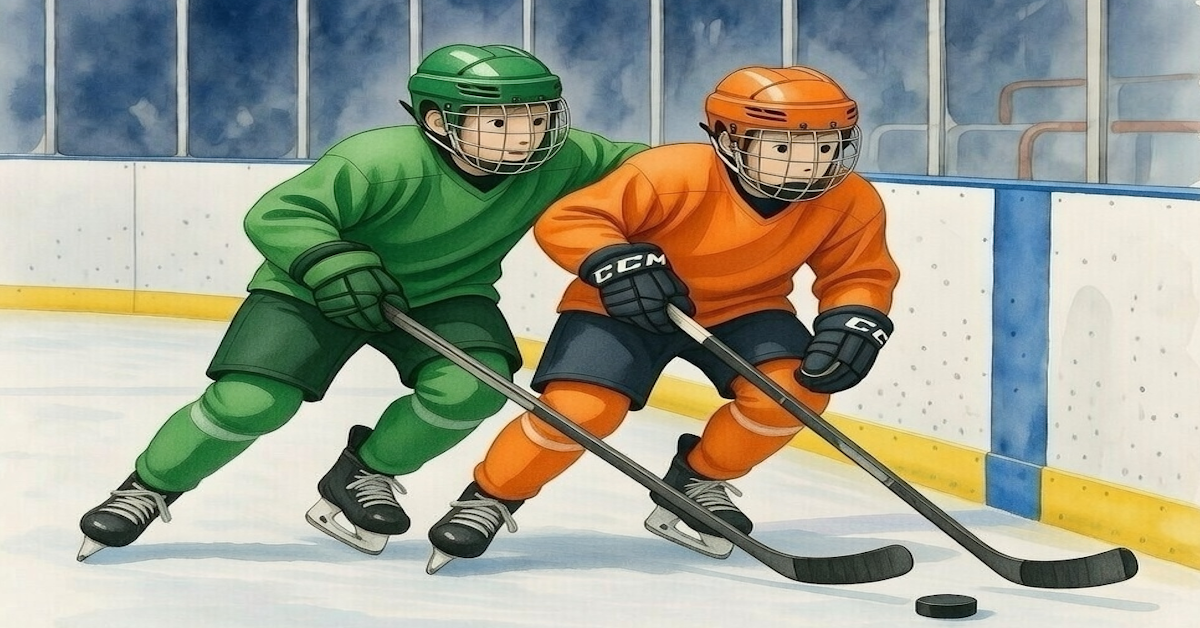
Many young players think angling means skating hard at an opponent and trying to deliver a big hit. Others believe it is simply about chasing the puck carrier as fast as possible. In reality, proper angling in hockey is about control, positioning, patience, and smart decision-making.
Read MoreThe Hidden Skill Behind Winning Puck Races
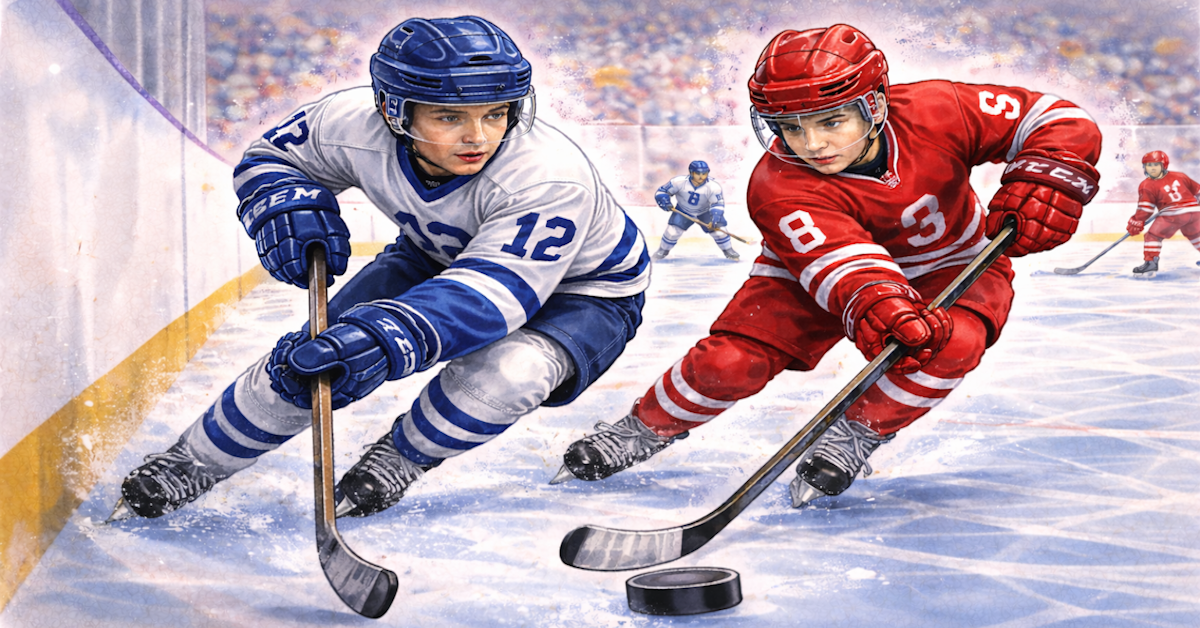
Winning puck races is one of the most underrated skills in hockey, yet it often determines who controls the game. Coaches talk about speed all the time, and players assume that the fastest skater always wins the race to the puck. The truth is very different. The hidden skill behind winning puck races is not just straight-line speed. It is anticipation, smart angles, explosive first strides, and the ability to read the play before it fully develops.
Read MoreTeaching Players to Think One Pass Ahead
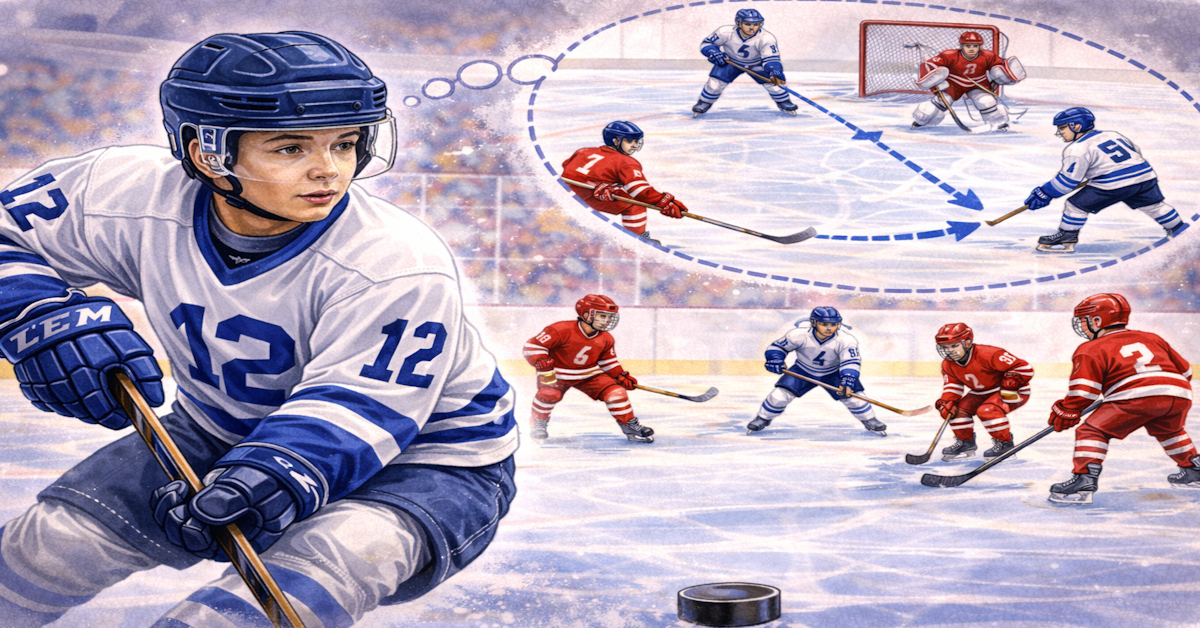
Thinking one pass ahead simply means that a player already knows their next option before the puck arrives on their stick. Instead of receiving a pass and then trying to figure out what to do, they scan the ice early, read the defensive pressure, and prepare their next move. This type of anticipation separates reactive players from intelligent, proactive players.
Read MoreWhy I Need to Hear From You — Often
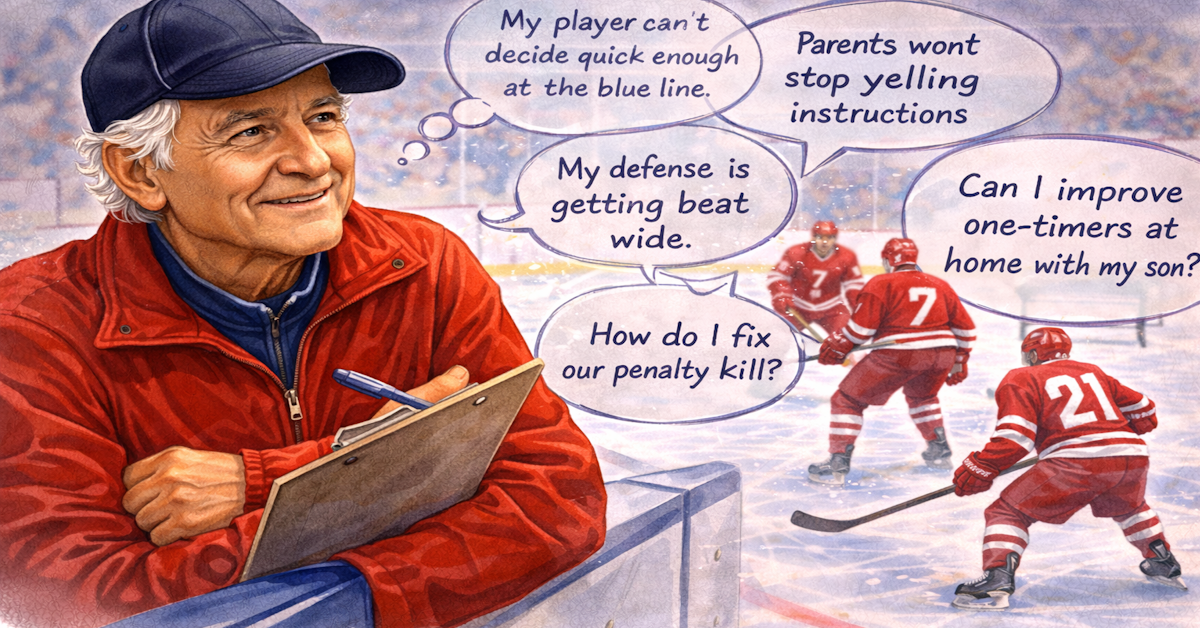
This site has always been about teaching the game — and teaching it in a way that actually helps you, your players, or your son or daughter. And here’s the truth I want to put front and center today:
I can only do that if I hear from you. Not once in a while. Not once a season. Regularly.
Read MoreThe “Quiet Hands” Technique for Better Stickhandling in Traffic
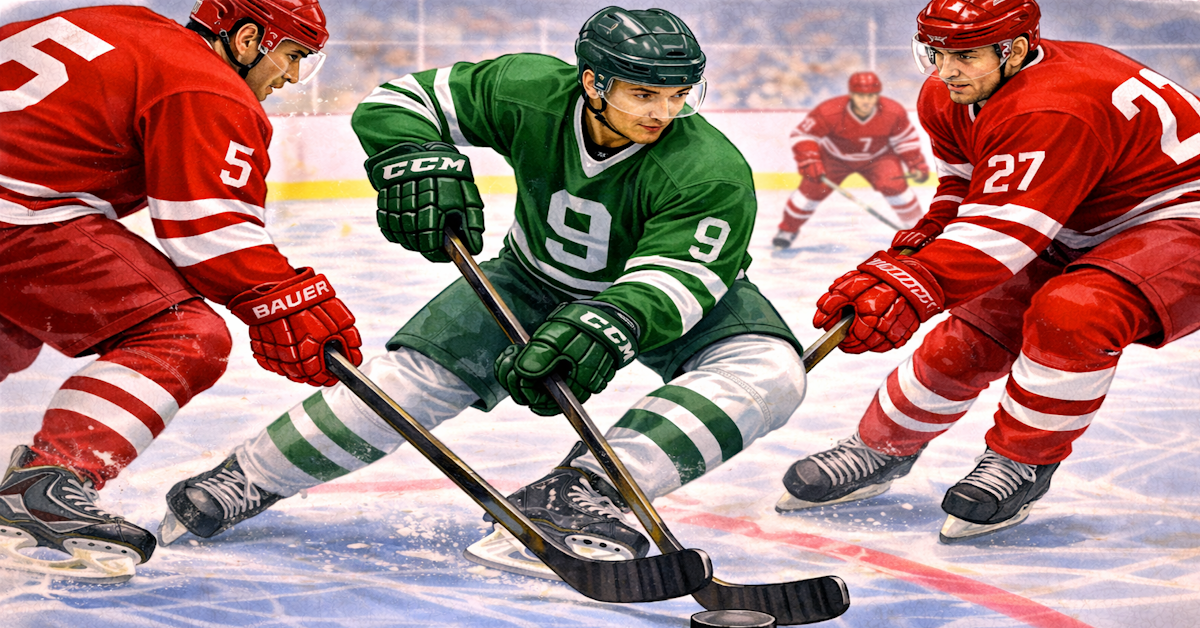
Stickhandling in open ice can feel comfortable, but the game becomes much harder when space disappears and pressure increases. This is where the “quiet hands” technique becomes one of the most valuable skills a player can develop. Quiet hands refer to calm, efficient, and controlled puck handling that allows players to maintain possession even in heavy traffic.
Read More