Special Topics
Sleep and Recovery for Teen Athletes
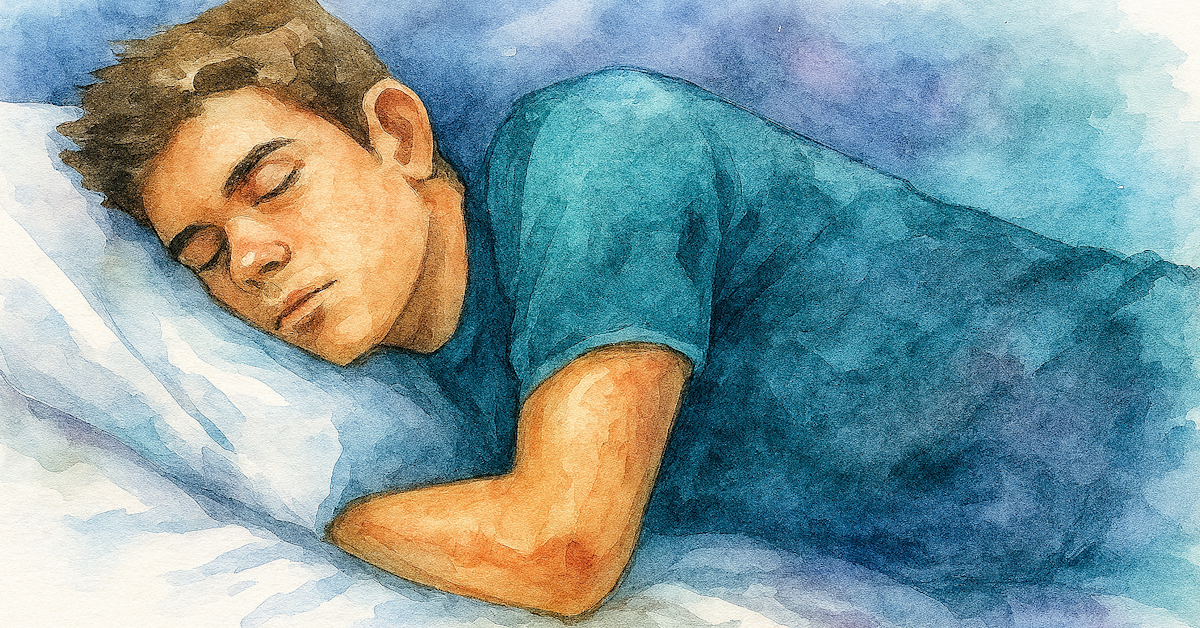
Most teens already know sleep is important, but many don’t realize just how closely sleep is connected to their strength, reaction time, mood, learning ability, and long-term athletic development. For hockey players who balance school, practices, games, training sessions, and travel, sleep isn’t just something nice to have — it is one of the biggest competitive advantages available…
Read MoreInclusive Locker Room Culture Tips
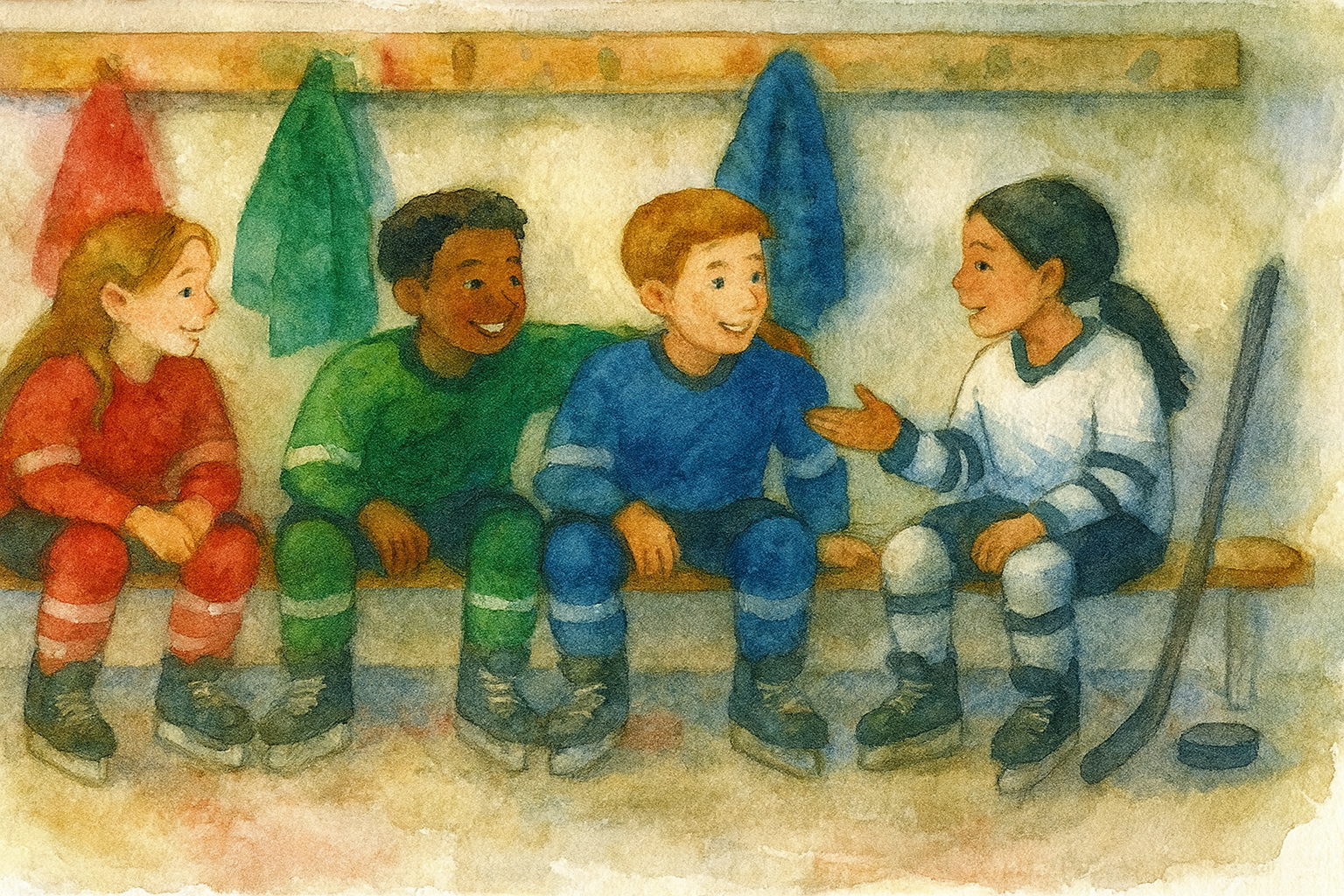
Creating an inclusive locker room culture in hockey is one of the most powerful ways to improve team chemistry, individual confidence, and overall performance. A locker room should never feel like a place of stress, worry, or judgment…
Read MoreConcussion Return Steps for Parents
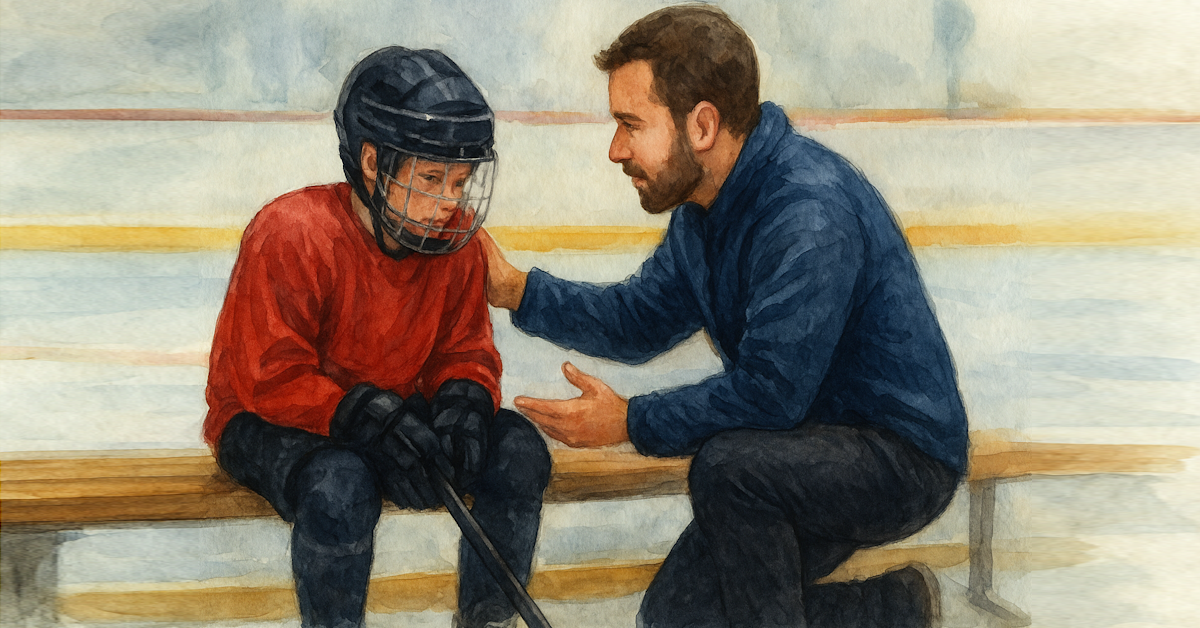
In a sport where toughness and resilience are valued, it can be tempting for players to shrug off a hit to the head or try to get back on the ice before they’re truly ready. But concussions are brain injuries, and unlike a sore shoulder or a bruised knee, they need careful time and attention to heal properly. Understanding how to safely return after a concussion isn’t just about protecting a season—it’s about protecting the player’s long-term health and future in the game…
Read MoreHigh School Hockey Periodization Guide

High school hockey is one of the most demanding levels of the game, balancing academics, athletics, and personal growth all at once. Periodization is a science-based approach to training that organizes the year into manageable phases. It ensures players are performing their best when it matters most, such as during playoffs, while still staying healthy and motivated throughout the year…
Read MoreLow Slot Attack Strategies
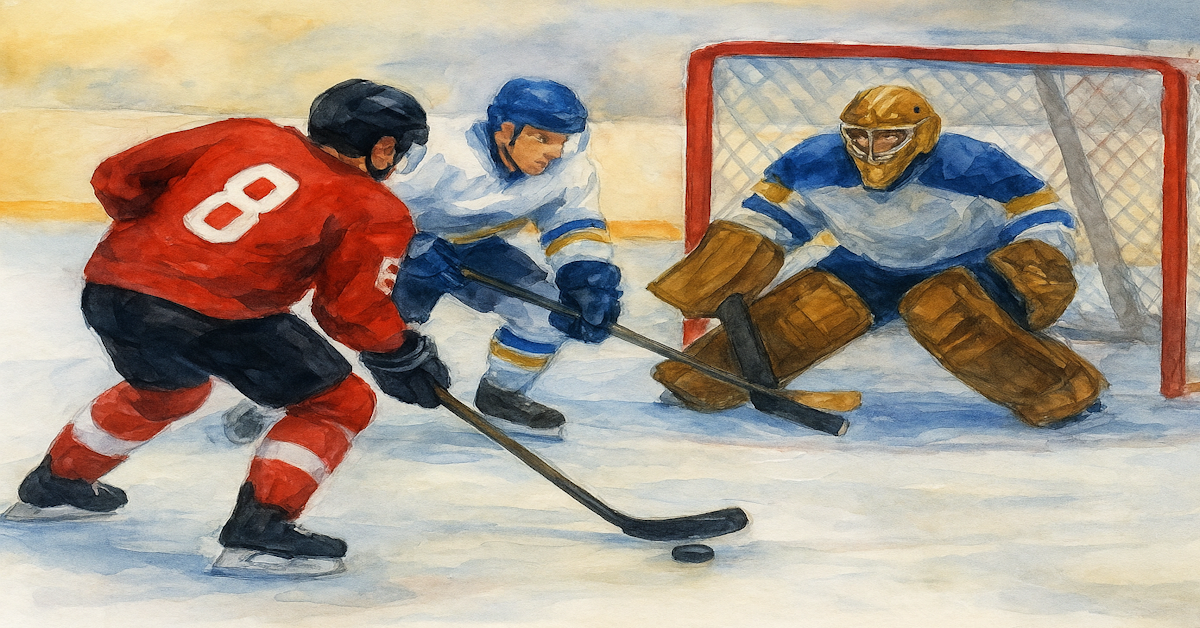
In hockey, few places on the ice are as dangerous — or as rewarding — as the low slot. It’s the area directly in front of the net, where goals are most often scored and where defenders fight the hardest to protect their territory. Mastering how to attack from this zone is one of the surest ways to elevate offensive play, and understanding the strategies that make it work can help any player or coach turn scoring opportunities into consistent results…
Read MoreHockey Without Borders: Global Styles on Ice
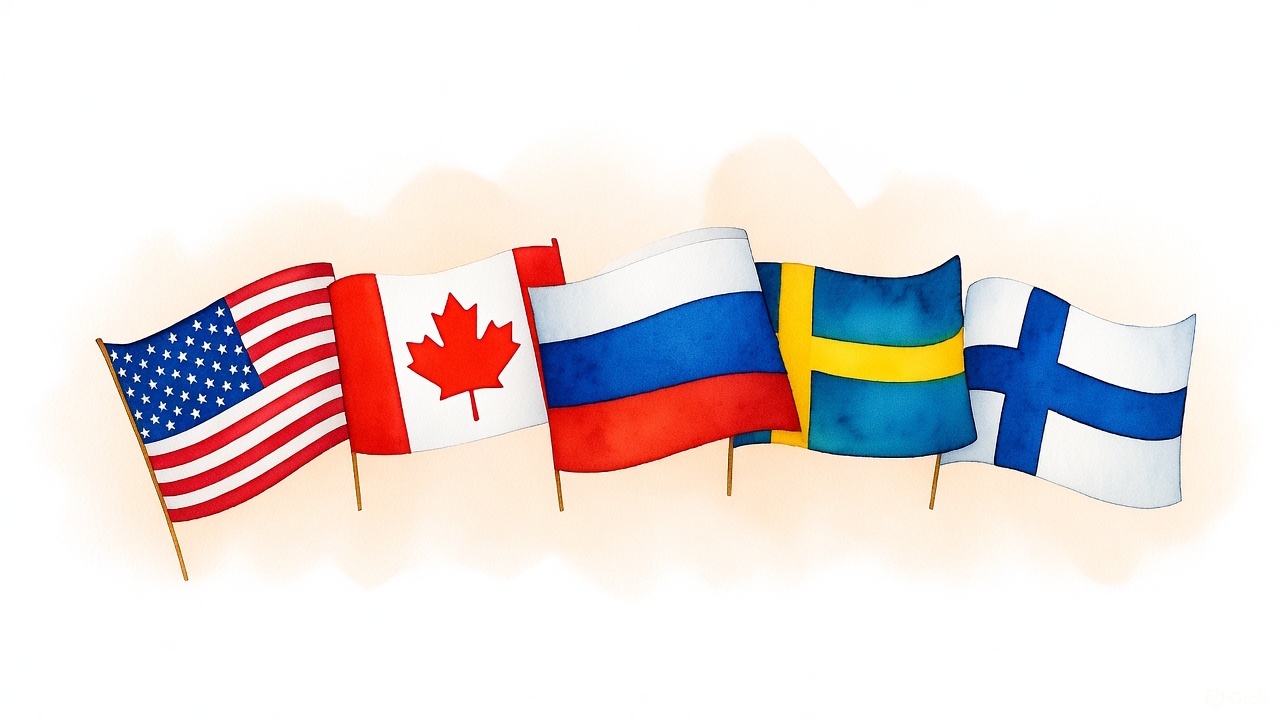
While the game looks the same on the surface no matter where it’s played — skaters, sticks, pucks, goals — the way it is taught, played, and celebrated can vary a lot depending on where the players come from…
Read MoreStats That Coaches Should Actually Use
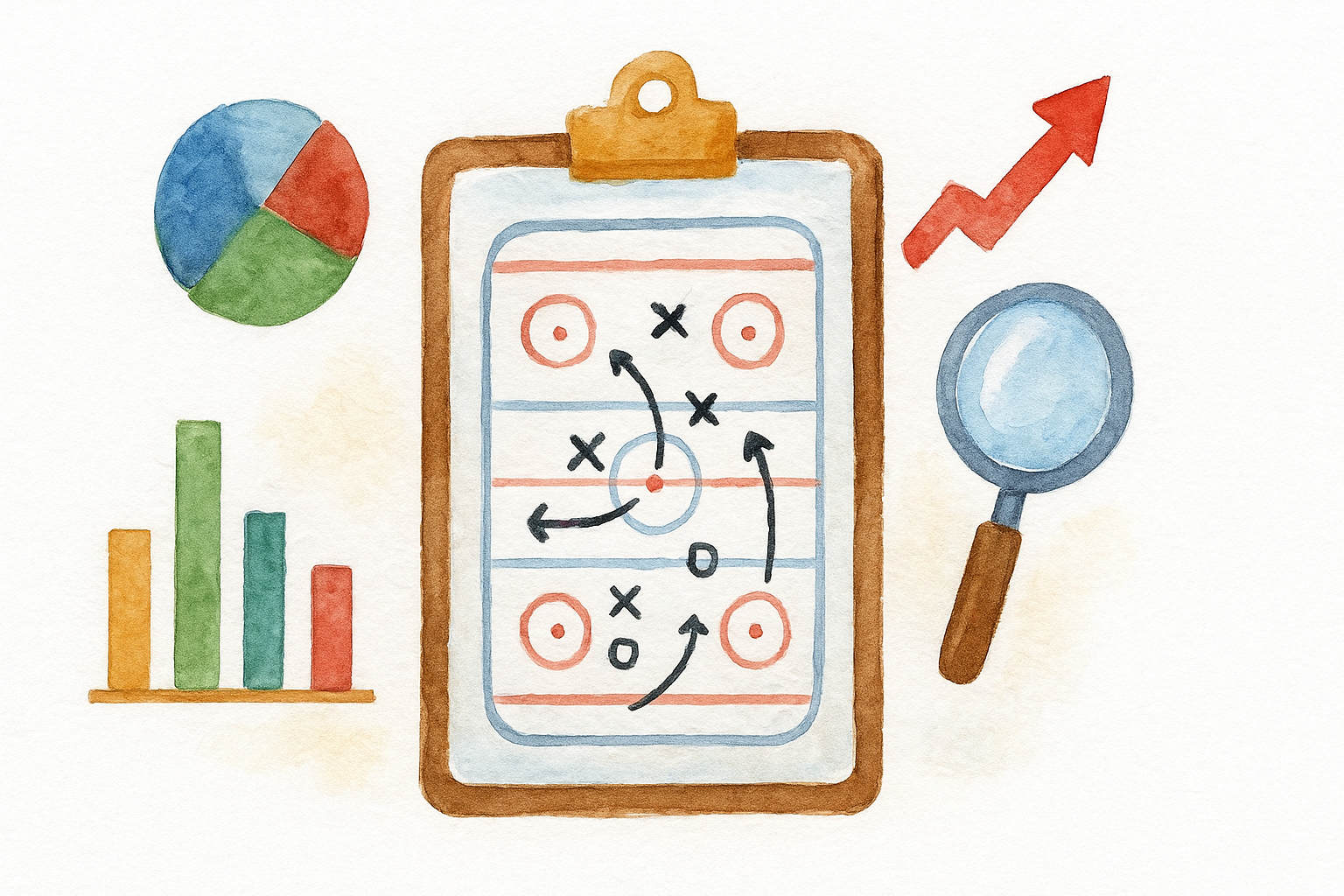
Hockey has always been a sport filled with numbers, and coaches at every level often look to statistics for guidance. The problem is that not all stats are created equal. Some numbers look impressive on paper but…
Read MoreThe Coach’s Sketchbook and Drawing Plays That Stick
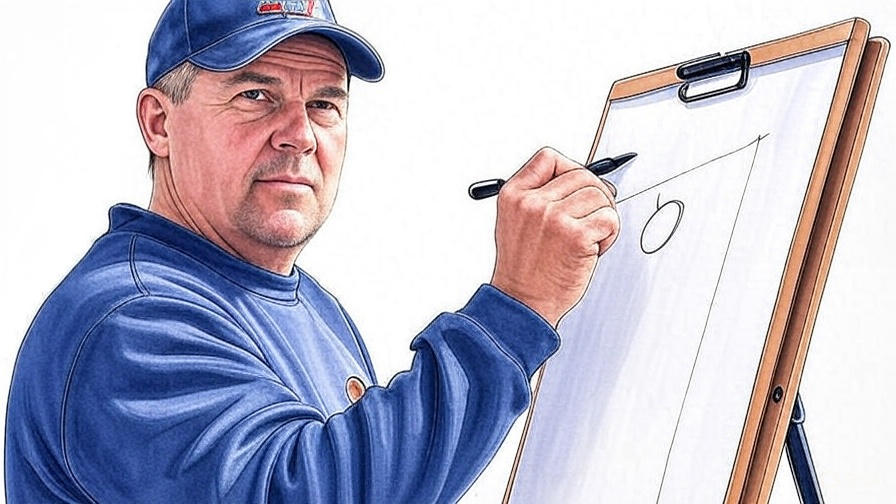
A simple drawing can transform a jumble of instructions into a clear visual that sticks in the minds of players. Whether you’re coaching at the youth level or working with seasoned athletes, the ability to sketch plays that players can instantly understand is one of the most valuable tools you can have…
Read MoreThe Rituals of Warmups That Actually Work
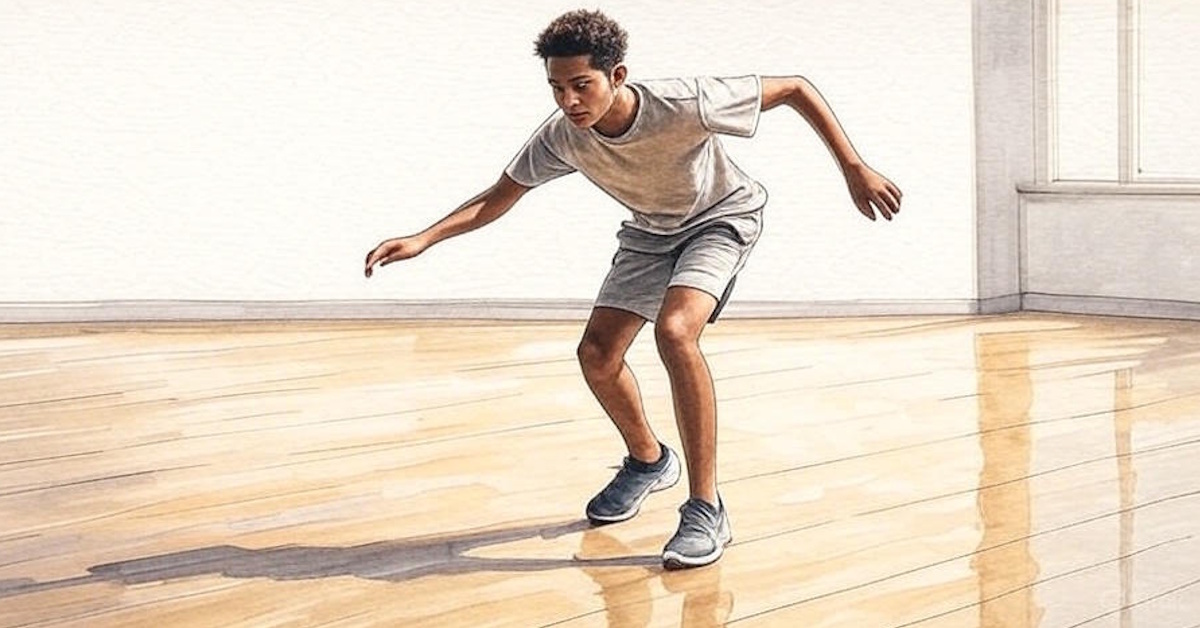
The main purpose of a warmup is simple but powerful: get your body and mind ready to perform at your best…
Read MoreFan-Invented Traditions
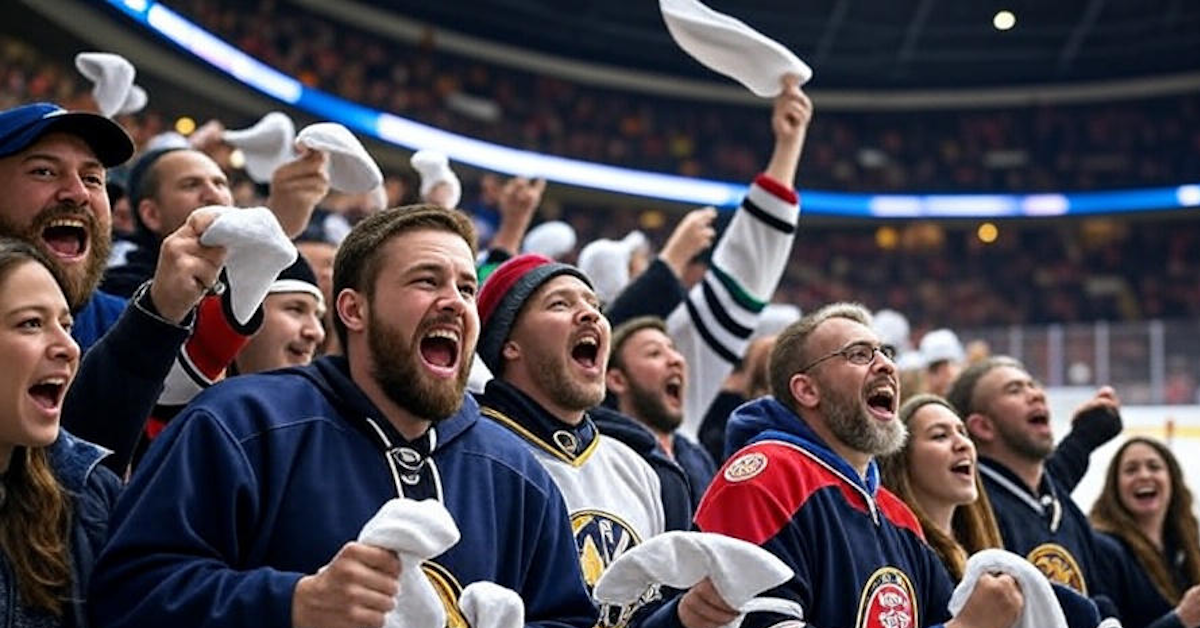
While players compete on the ice and coaches strategize behind the bench, fans in the stands or watching from home add something special that can’t be measured on a scoreboard. Beyond jerseys and cheering, fans create their own identity through traditions that often become just as famous as the games themselves…
Read More