Summer Skills Camps: What Actually Transfers to Real Games?
Every summer, hockey players across North America sign up for hockey skills camps with the goal of becoming better players before the next season begins. Parents invest time and money into skating camps, stickhandling clinics, shooting programs, and specialized development sessions because they want to help their players improve. Coaches often encourage athletes to use the off-season wisely and continue developing their game. The big question, however, is simple: what skills learned at summer hockey camps actually transfer to real games when the puck drops in the fall?
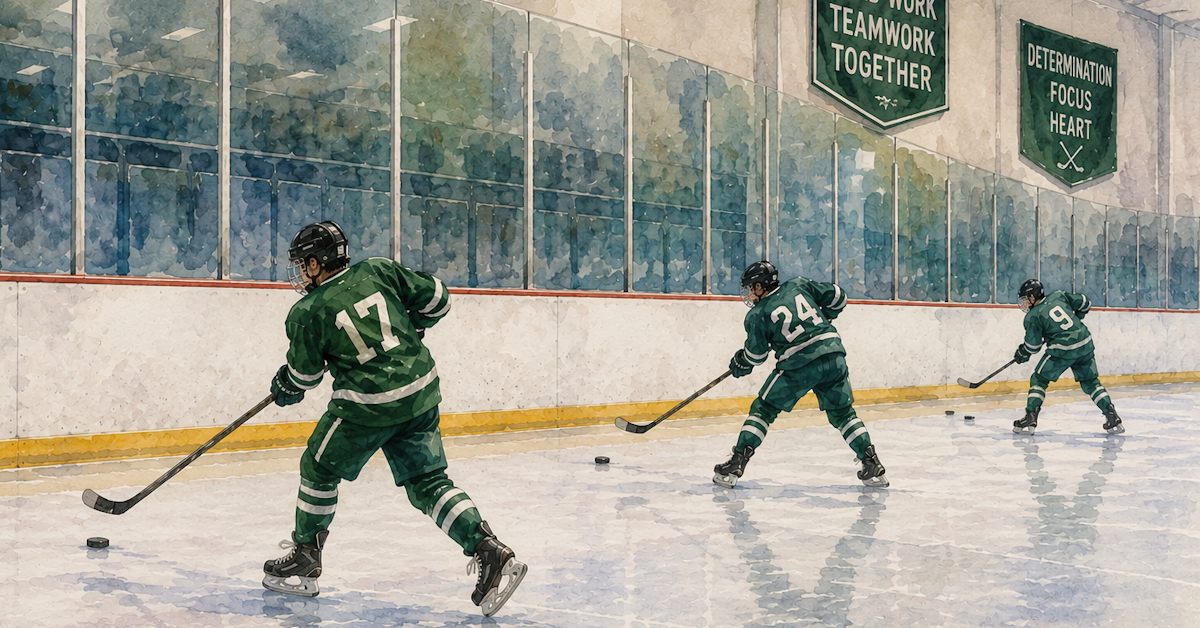
The answer may surprise some people. Not every drill that looks impressive during a summer camp leads directly to better game performance. Players can spend hours mastering complicated stickhandling moves around cones or taking hundreds of shots from perfect positions, only to find that those skills are difficult to use during a fast-paced hockey game. Real hockey is played under pressure, against opponents, in constantly changing situations. The skills that transfer best are usually the ones that help players make faster decisions, move more efficiently, and execute fundamentals while under pressure.
One of the most valuable skills that consistently transfers from summer training to game situations is skating. Strong skating remains the foundation of hockey performance. Players who improve their acceleration, edge control, balance, agility, and skating efficiency often see immediate benefits once the season begins. Faster skating helps athletes win races to loose pucks, create offensive opportunities, recover defensively, and maintain better positioning throughout games. Unlike some flashy skills, improved skating shows up in nearly every shift. A player who becomes a better skater during the summer usually becomes a more effective player during the season.
Another area that transfers exceptionally well is puck control while moving at game speed. Many players can stickhandle comfortably when standing still or moving slowly. The real challenge is controlling the puck while skating hard, changing directions, and reacting to defenders. Summer camps that focus on handling the puck while accelerating, turning, and keeping the head up often prepare players for actual game situations. The ability to protect the puck and maintain possession under pressure becomes extremely valuable during competitive play.
Passing is another skill that often gets less attention than shooting but has tremendous game value. Hockey is a team sport, and successful teams move the puck quickly and efficiently. Summer camps that emphasize passing accuracy, receiving difficult passes, making quick decisions, and passing while skating help players improve their overall hockey IQ. A player who consistently makes smart passes can have a major impact on the game, even if they are not the team’s leading scorer.
Decision-making may be the most overlooked skill in hockey development. During games, players constantly process information. They must read opponents, recognize opportunities, anticipate plays, and make quick decisions. The best summer skills camps include small-area games, competitive drills, and situations that force players to think rather than simply follow instructions. These types of activities help develop hockey sense, which often separates good players from great players. Players who learn to make better decisions during training are more likely to succeed when facing real game pressure.
Shooting remains important, but the type of shooting practice matters. Repeatedly firing pucks into an empty net from the same location can help develop mechanics, but game situations rarely provide perfect shooting opportunities. The most effective shooting drills involve movement, quick releases, changing angles, and shooting immediately after receiving passes. Players who learn to get shots away quickly under pressure often find that those improvements carry directly into games.
Compete level is another factor that transfers extremely well. Summer camps that encourage effort, battle drills, puck protection contests, and competitive small-area games often create habits that carry into the season. Coaches consistently value players who compete hard for loose pucks, finish battles along the boards, and work relentlessly on both sides of the puck. While skill development is important, the willingness to compete often determines how effectively those skills are used during games.
For parents evaluating summer hockey programs, it can be helpful to look beyond marketing promises and flashy social media videos. A drill may look impressive online, but that does not necessarily mean it develops game-ready skills. Ask whether players are learning skills they can use during actual competition. Are they making decisions? Are they skating at game speed? Are they facing pressure from opponents? Are they learning to read the play? Camps that include these elements often provide greater long-term value.
For coaches, summer development should focus on building transferable skills rather than creating highlight-reel moments. Players benefit most when training resembles the demands of real hockey. Small-area games, competitive drills, skating development, puck protection exercises, and decision-making scenarios tend to produce improvements that remain visible months later during league play.
For players, the goal should not be to win the drill or impress people at camp. The goal is to become a more effective hockey player when the season starts. Focus on improving skating, passing, puck control, shooting under pressure, hockey sense, and compete level. These areas consistently show up during games and help players contribute regardless of age, position, or skill level.
The best summer hockey skills camps are not necessarily the ones with the fanciest drills or the biggest promises. They are the ones that prepare players for the realities of competitive hockey. When training teaches athletes to execute fundamental skills at high speed, make smart decisions under pressure, and compete with confidence, those improvements have a much greater chance of appearing when it matters most. Summer development should always connect back to game performance, because ultimately the true measure of any hockey camp is not what happens during the drill, but what happens during the season.
Have you attended a summer hockey skills camp that helped your game, or perhaps one that did not deliver the results you expected? So, without naming names, feel free to share your experiences, observations, or advice in the Comments section below. Your insights can help players, parents, and coaches continue the conversation and learn from one another.
