Special Topics
The Parent–Coach Communication Reset for 2026

Youth hockey continues to evolve every year, but one thing remains constant: strong communication between parents and coaches can make a huge difference in a player’s development and overall experience. As we move into 2026, many hockey organizations are encouraging families and coaches to take a fresh look at how they communicate with one another. The goal is simple. Create an environment where players can focus on learning, improving, competing, and enjoying the game without unnecessary stress or conflict
Read MoreRespect in Sport, Certifications & League Rules — What Parents Need to Know
If you are a hockey parent, it can sometimes feel like there is a new form, certification, or league requirement waiting around every corner. Between registering for teams, arranging transportation, buying equipment, and supporting your young player, it is easy to overlook important requirements such as Respect in Sport training, coaching certifications, and league rules. However…
Read MoreHockey School, Clinic & Team Gear Available
After years of running hockey schools, clinics, and team sessions, I’ve accumulated a lot of training gear — the kind of equipment that keeps players moving, learning, and improving without wasting time in long lines. And I’m now making the remaining pieces available to anyone who can put them to good use…
Read MoreThe AAA Mirage — Why Higher Level Doesn’t Always Mean Better Development
For many families, making a AAA team feels like the ultimate goal. It is often viewed as proof that a player is elite, serious about the game, and on the right path toward junior hockey, college hockey, or even beyond. Because of this reputation, many players and parents automatically assume that a higher level always means better development.
Read MoreOur New Website Updates
Over the past few days, we’ve been working hard behind the scenes at CoachChic.com, and I want to take a moment to walk you through what’s new, why we made these changes, and how they’ll help you get even more out of your hockey development journey. Whether you’re a player trying to sharpen your skills, a parent looking for reliable guidance, or a coach searching for deeper teaching tools, these updates were made with you in mind. Hockey is always evolving, and a good hockey website should evolve right along with it.
Read MoreHow to Scout Your Own Child (or Player) Without Bias

Scouting a hockey player is never easy, and it becomes even harder when the player is your own child or someone you coach closely. Emotions naturally get involved. Pride, worry, hope, and frustration can all shape what you think you see on the ice. Because of this, many well-meaning parents and coaches struggle to evaluate players fairly. Learning how to scout your own child or player without bias is an important skill, and when done right, it can support development instead of creating pressure or confusion.
Read MoreWhat Coaches Wish Parents Knew About Player Development

Most parents involved in youth and high school hockey care deeply about their child’s success. They drive to early practices, pay for equipment, and spend countless hours in cold rinks because they want to see their player grow and enjoy the game. Coaches recognize this commitment and appreciate it, but they also see many misunderstandings about how player development really works.
Read MoreBetter Puck Support for Young Players
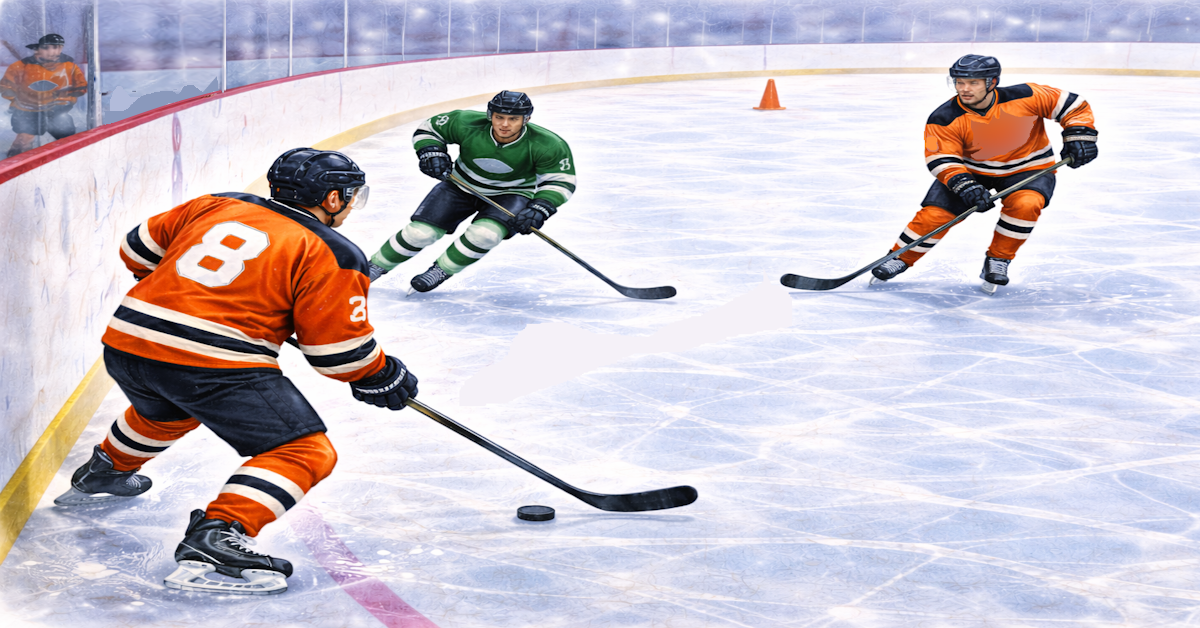
Better puck support is one of the most important team habits young hockey players can learn, yet it is often one of the most misunderstood. Many young players focus almost entirely on the puck carrier, thinking the job is done once someone has control of the puck. In reality, hockey is a game of constant movement, spacing, and decision-making. Strong puck support gives teammates options, reduces turnovers, and helps young players feel more confident when they have the puck on their stick.
Read MoreMastering Hockey Tempo Changes
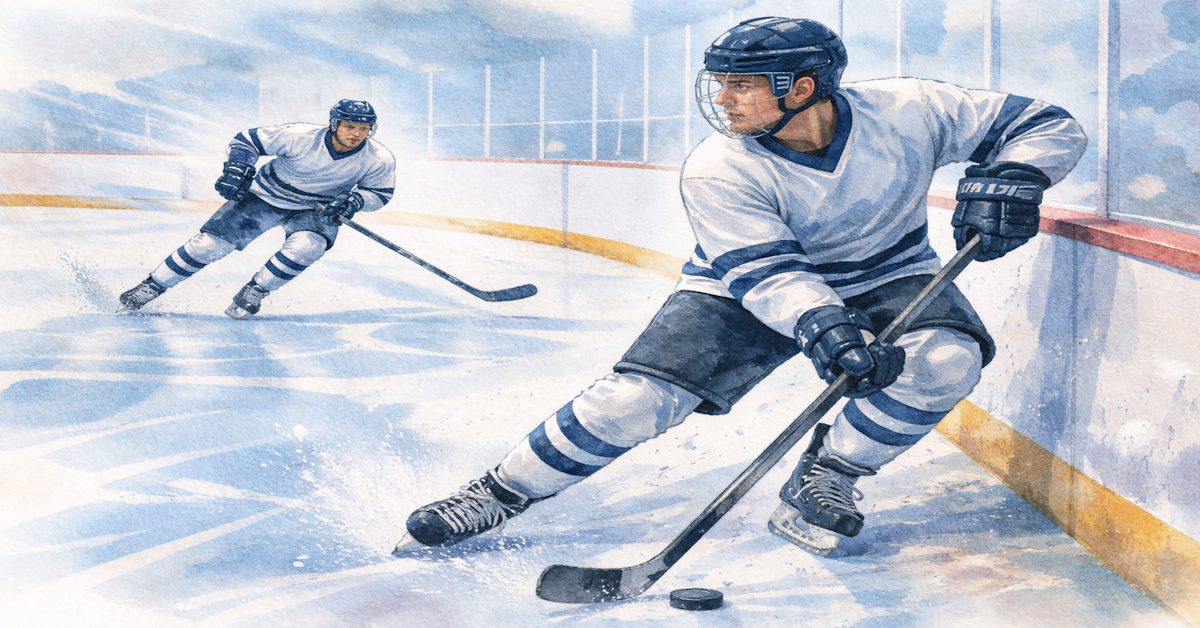
Tempo is the speed and rhythm of the game, and learning how to change it at the right moments can separate smart players from players who only rely on speed. Hockey is not played at one constant pace. The best teams know when to attack fast, when to slow things down, and how to control momentum during a shift, a period, or an entire game.
Read MoreMulti Sport Balance for Hockey Families
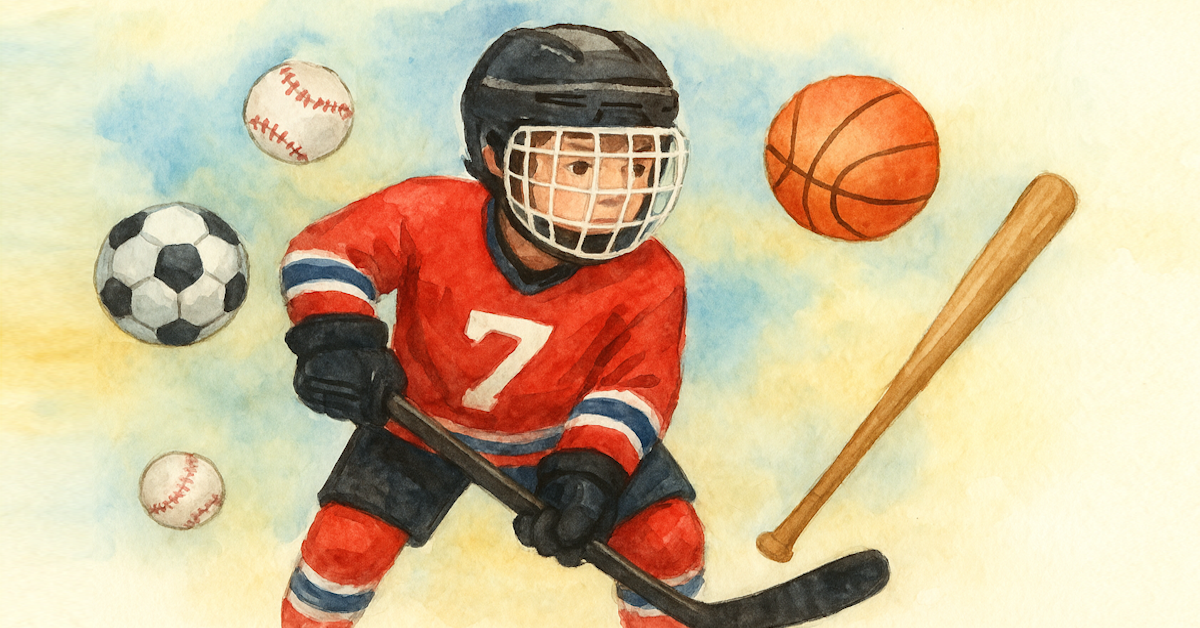
Understanding how multi-sport balance supports long-term growth can help families create a smarter approach that protects their young athlete’s passion, motivation, and physical safety. When families find the right balance, kids often perform better in hockey and enjoy their training more throughout the year.
Read More