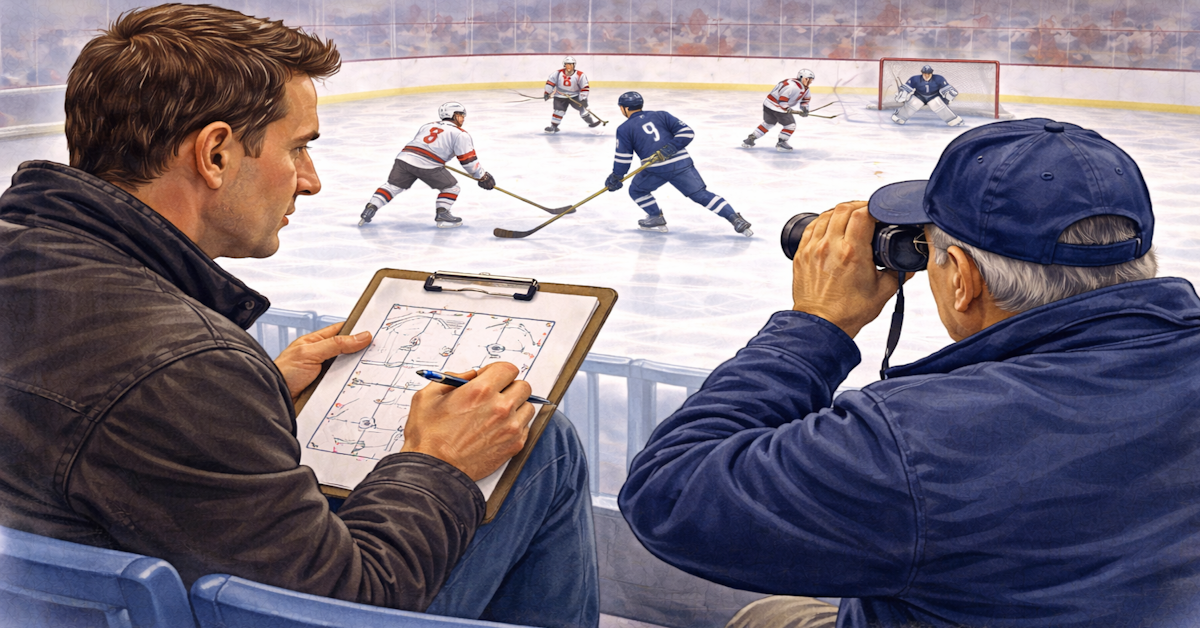
Scouting a hockey player is never easy, and it becomes even harder when the player is your own child or someone you coach closely. Emotions naturally get involved. Pride, worry, hope, and frustration can all shape what you think you see on the ice. Because of this, many well-meaning parents and coaches struggle to evaluate players fairly. Learning how to scout your own child or player without bias is an important skill, and when done right, it can support development instead of creating pressure or confusion.
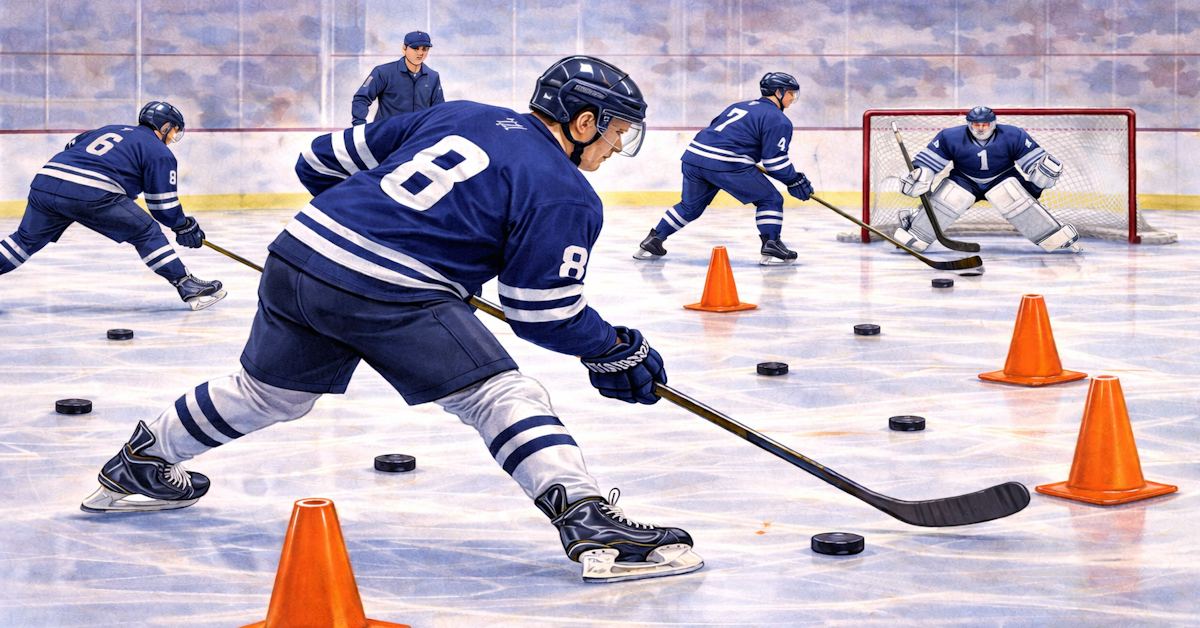
Warm-ups are not just about breaking a sweat. They are meant to prepare the body, the hands, and the brain to perform right away, and many players unknowingly make mistakes that hurt their early shifts.
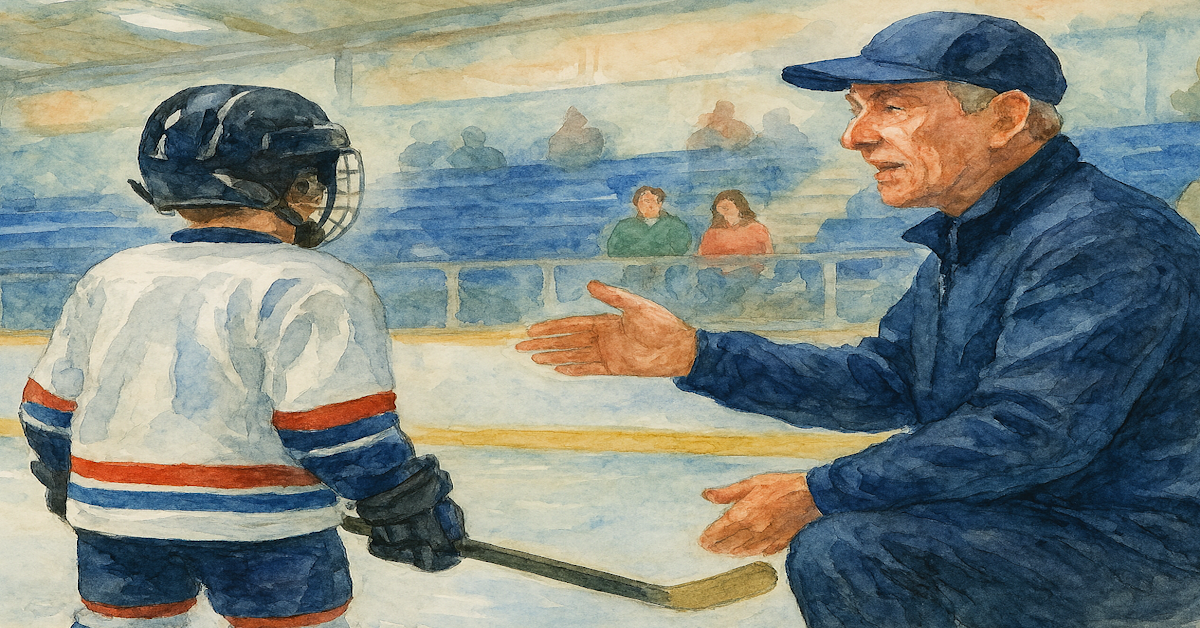
The truth is, teaching the game works best when it becomes a team effort. Every time someone shares a real experience, a smart observation, or a lesson learned from a practice, game, or season, it helps someone else grow. That’s why your voice matters here, and why your comments under each post can help us teach the game in ways no single coach ever could.
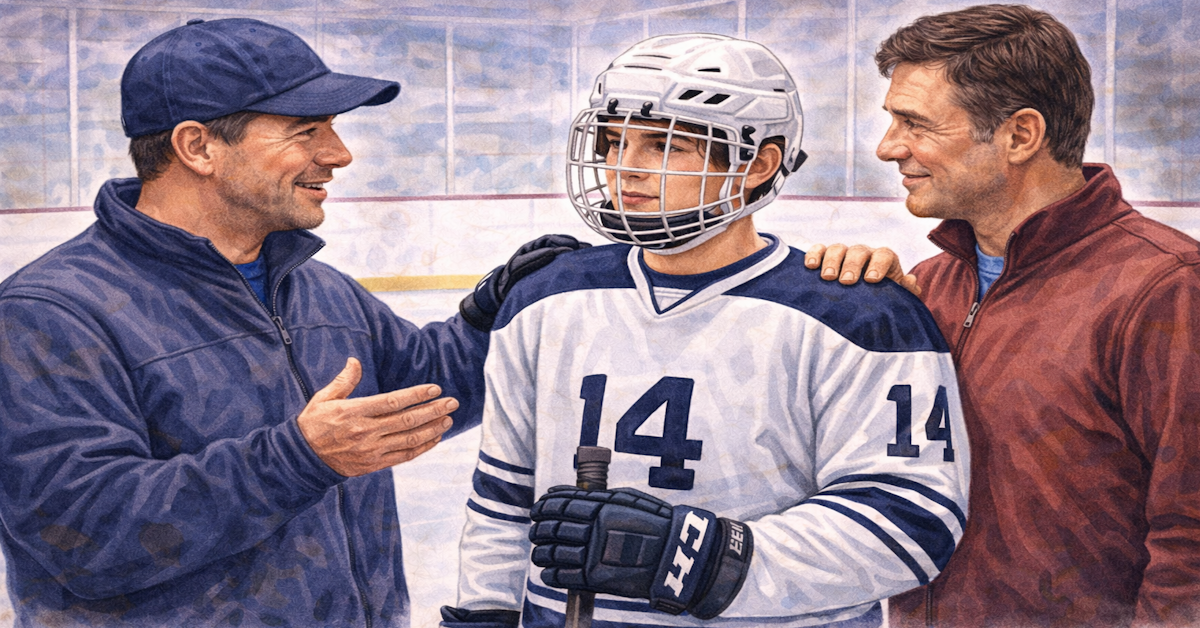
Most parents involved in youth and high school hockey care deeply about their child’s success. They drive to early practices, pay for equipment, and spend countless hours in cold rinks because they want to see their player grow and enjoy the game. Coaches recognize this commitment and appreciate it, but they also see many misunderstandings about how player development really works.
Using a mini-band and a single 41″ Quantum band, follow along with Dave as he shows you how to use these two bands to train your lower body strength endurance. You are going to be surprised at how challenging this workout will be. Complete 50-reps per exercise before moving on to the next exercise. Scale Total Reps and Quantum Band Resistance to fit your fitness level.

With mental toughness always being a key to solid hockey play, we’re thrilled to once again present Shawnee Harle’s monthly insights into that area. And, in this video, she addresses an obvious concern with “Negative Self-talk”!

Folks should know I create this page as sort of a courtesy, trying to give visitors a sense of what’s “coming” within the next month…
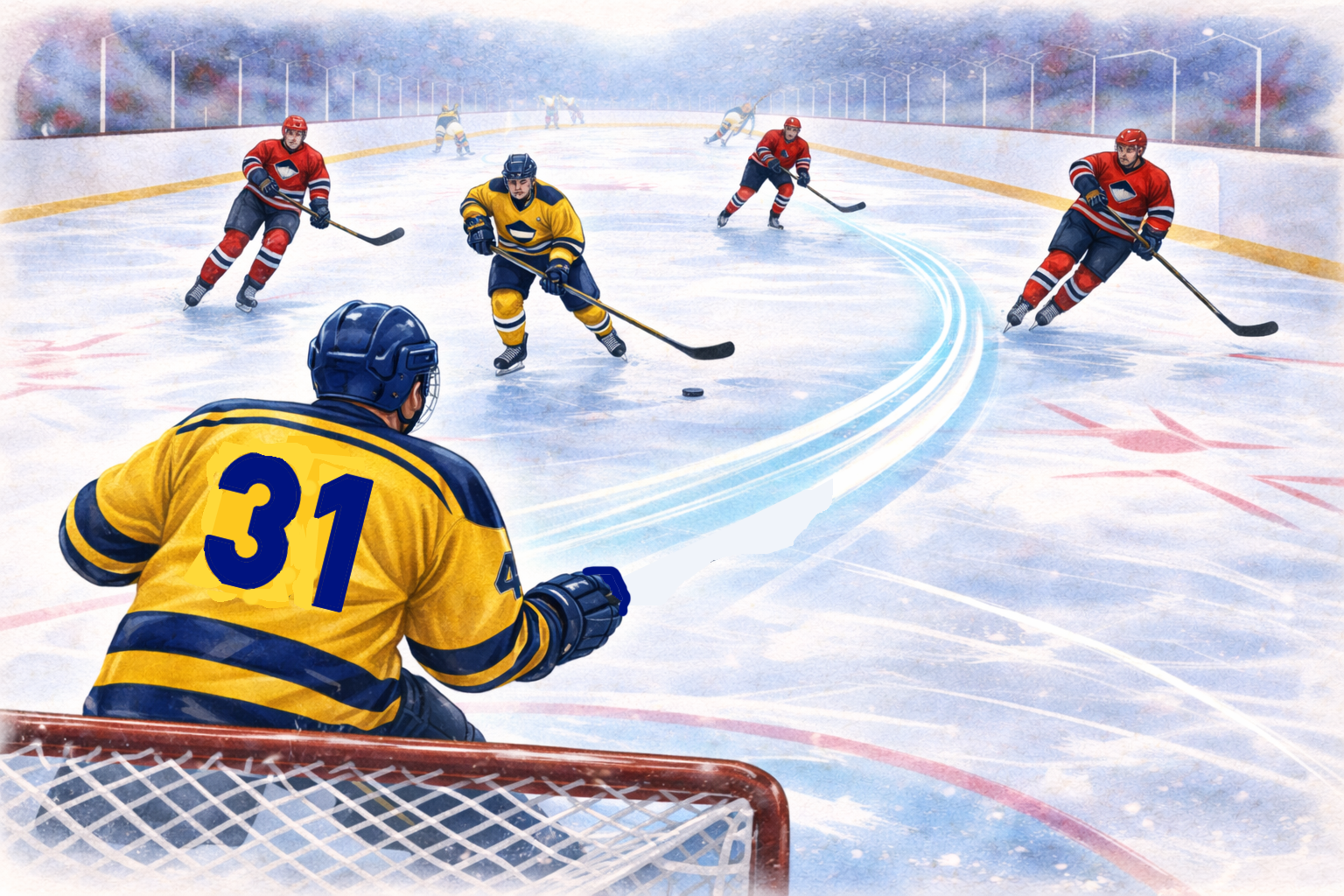
When breakouts are rushed, sloppy, or unorganized, teams spend too much time defending and chasing the puck. When breakouts are smart and consistent, players gain confidence, create offense, and control the pace of the game.
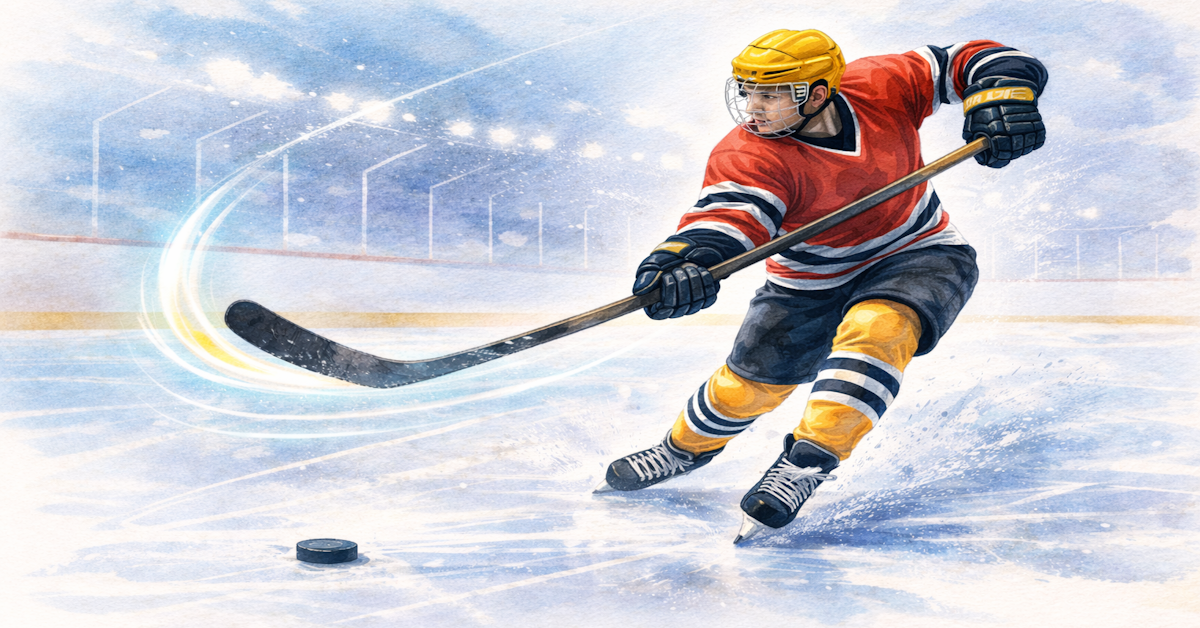
Choosing the right hockey stick flex can feel confusing, especially when players hear different advice from teammates, coaches, and sporting goods stores. Stick flex might sound like a small detail, but it plays a major role in shooting power, accuracy, puck control, and overall confidence on the ice. Understanding the science behind stick flex helps players make smarter choices that match their body, strength, and playing style, instead of guessing or copying someone else’s setup.

A poorly timed line change can turn a good shift into a breakaway against, while a smart change can keep pressure on the opponent and lead directly to scoring chances. Learning how to time line changes correctly is not about being fancy or fast. It is about reading the game, communicating with teammates, and understanding responsibility…