
Most parents enter youth hockey focused mainly on their child’s team, coach, and game schedule. They think about practices, tournaments, equipment, ice time, and player development. But behind almost every youth hockey organization is another group quietly shaping the experience for every family in the program: the board of directors.
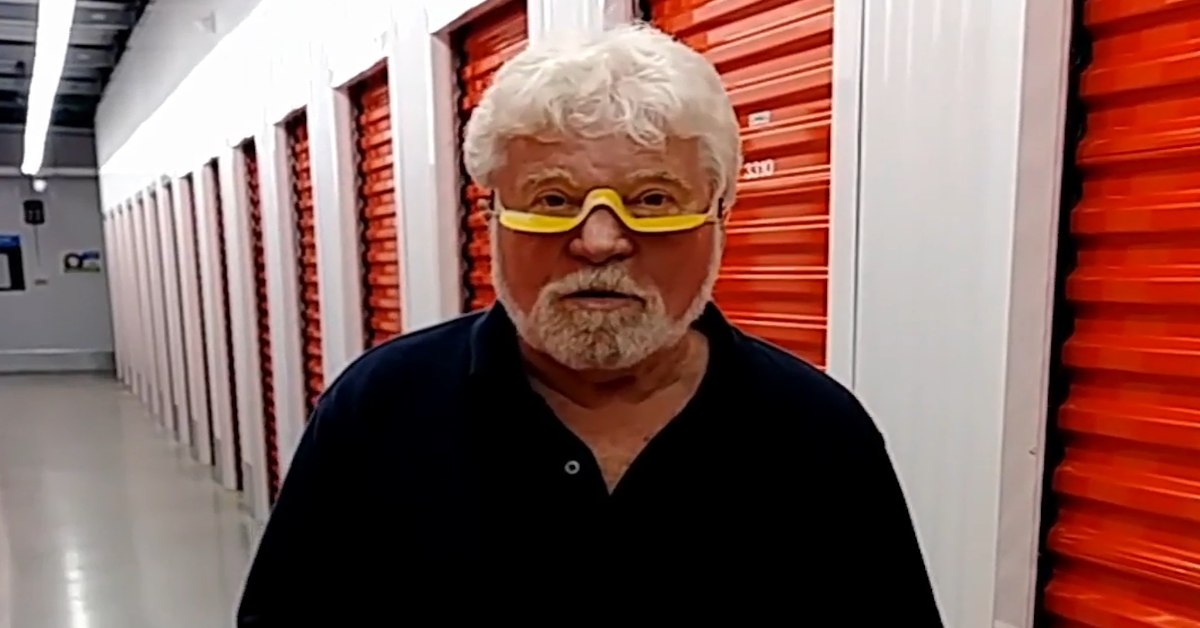
After years of running hockey schools, clinics, and team sessions, I’ve accumulated a lot of training gear — the kind of equipment that keeps players moving, learning, and improving without wasting time in long lines. And I’m now making the remaining pieces available to anyone who can put them to good use…
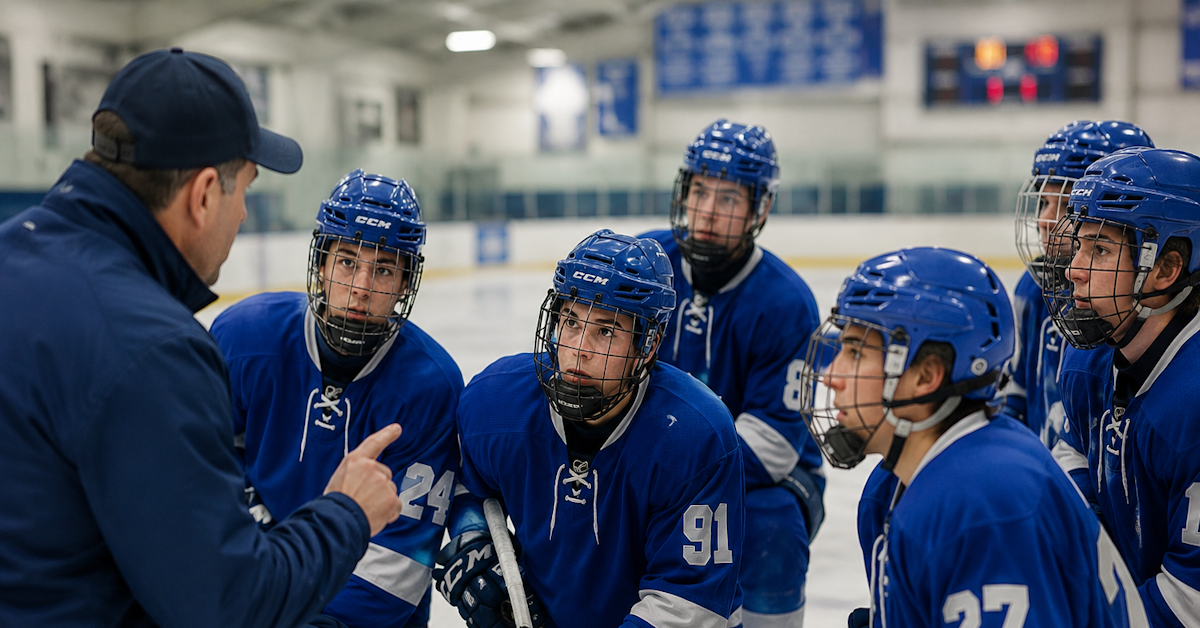
For many families, making a AAA team feels like the ultimate goal. It is often viewed as proof that a player is elite, serious about the game, and on the right path toward junior hockey, college hockey, or even beyond. Because of this reputation, many players and parents automatically assume that a higher level always means better development.
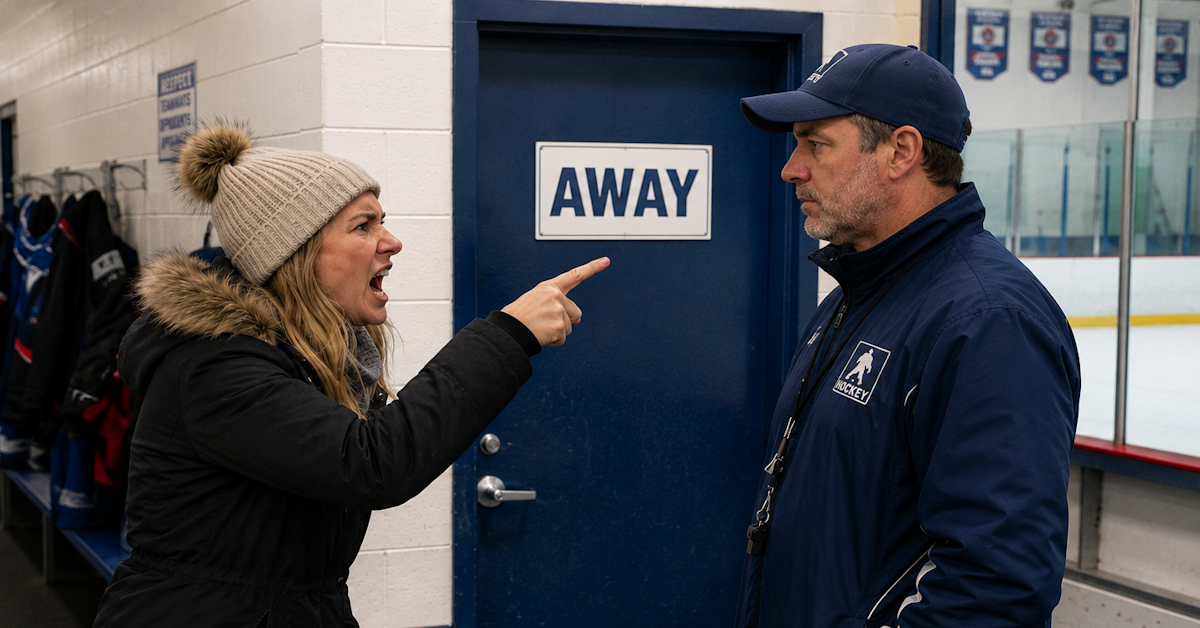
One of the biggest challenges in youth hockey is not always what happens on the ice. Sometimes the hardest part of the game happens behind the bench, in the stands, or in the parking lot after practice. Parents and coaches often want the same thing — helping young players grow, improve, and enjoy hockey — but even with good intentions, conflict can develop surprisingly quickly. Miscommunication, unrealistic expectations, and emotional reactions can turn small disagreements into ongoing tension.
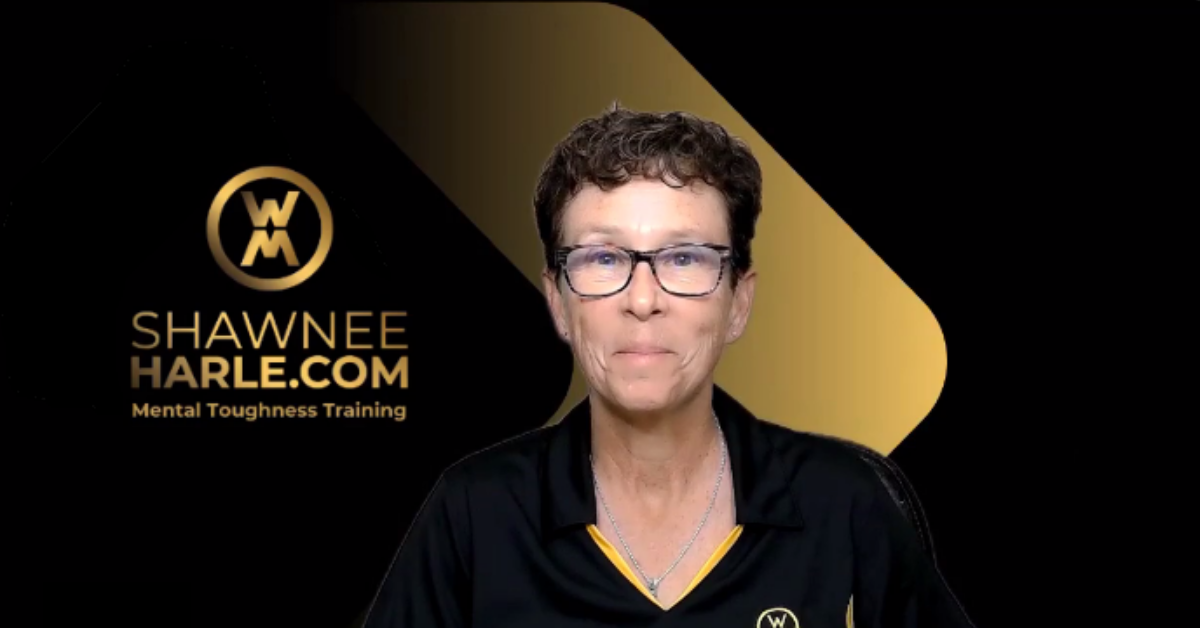
With mental toughness always being a key to solid hockey play, we’re thrilled to once again present Shawnee Harle’s monthly insights into that area. And, in this video, she addresses an obvious concern with “Negative Self-talk”!
Follow along with Dave as he shows you how to use these bands to train your body for more strength and endurance…
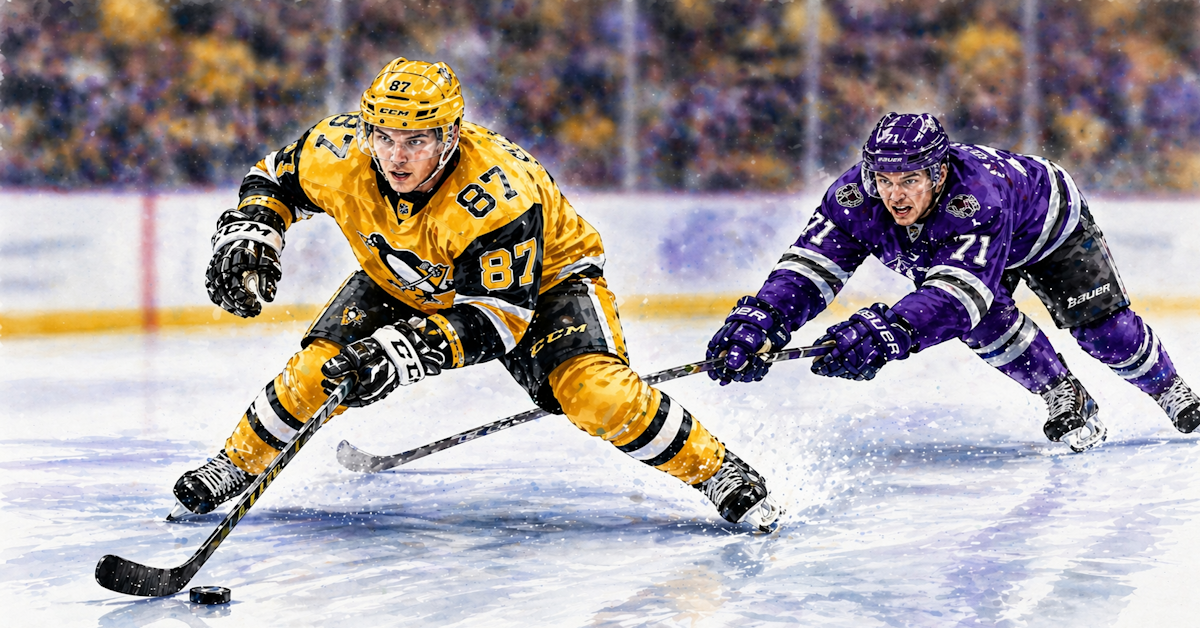
One of the most frustrating things for hockey players and coaches to watch is a player who looks fast and confident in practice but suddenly seems slower and less effective during games. This is a common issue in youth hockey, and it often leaves players wondering what went wrong…
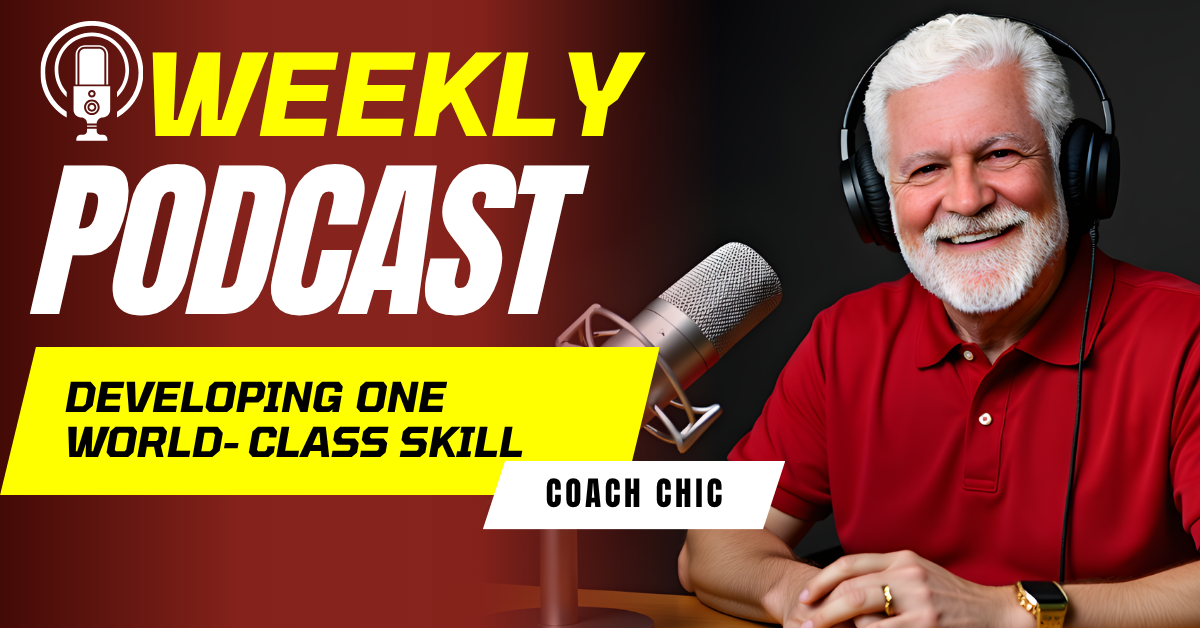
Most players try to get better at everything all at once, and that’s exactly why so many of them never break through. In this episode, we look at the power of developing one world‑class skill — the kind of ability that changes how coaches see you, how teammates rely on you, and how opponents react to you.
Over the past few days, we’ve been working hard behind the scenes at CoachChic.com, and I want to take a moment to walk you through what’s new, why we made these changes, and how they’ll help you get even more out of your hockey development journey. Whether you’re a player trying to sharpen your skills, a parent looking for reliable guidance, or a coach searching for deeper teaching tools, these updates were made with you in mind. Hockey is always evolving, and a good hockey website should evolve right along with it.
With mental toughness always being a key to solid hockey play, we’re thrilled to once again present Shawnee Harle’s monthly insights into that area. And, in this video, she addresses an obvious concern with “Negative Self-talk”!