General Skills Advice
How to Build a Player Who Can Play Center and Wing
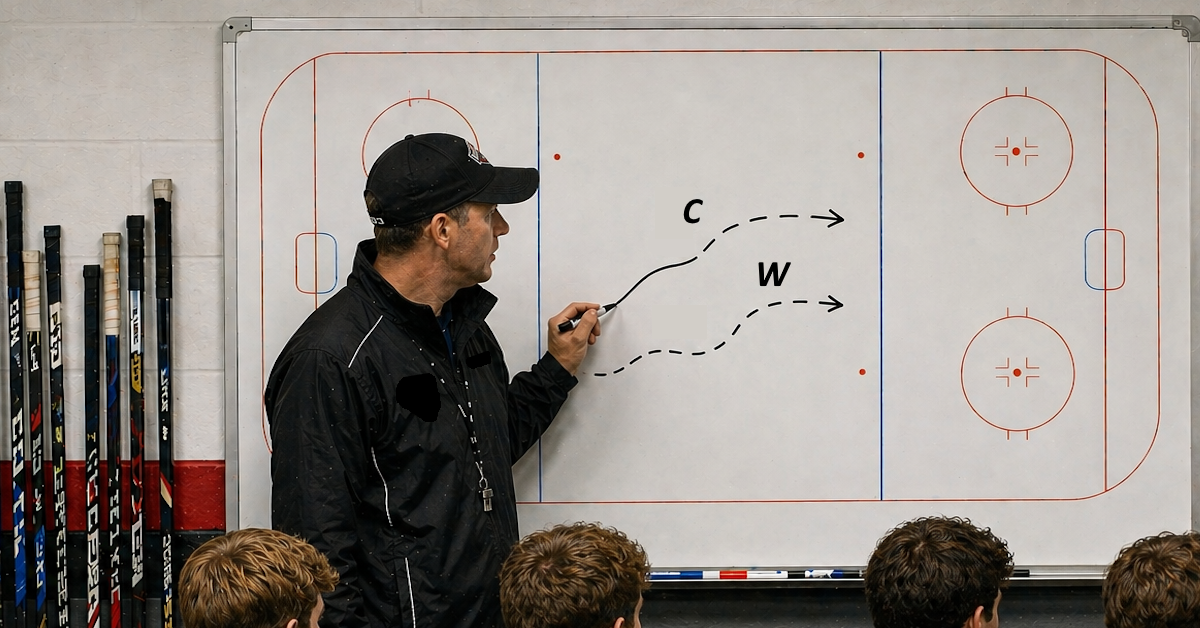
Learning how to play both center and wing is one of the most valuable skills a hockey player can develop, especially at the youth and high school level. Coaches are always looking for versatile players who can adapt to different roles, and players who understand both positions often have a higher hockey IQ and more opportunities to contribute.
Read MoreWhy Players Lose Speed in Games (But Not in Practice)
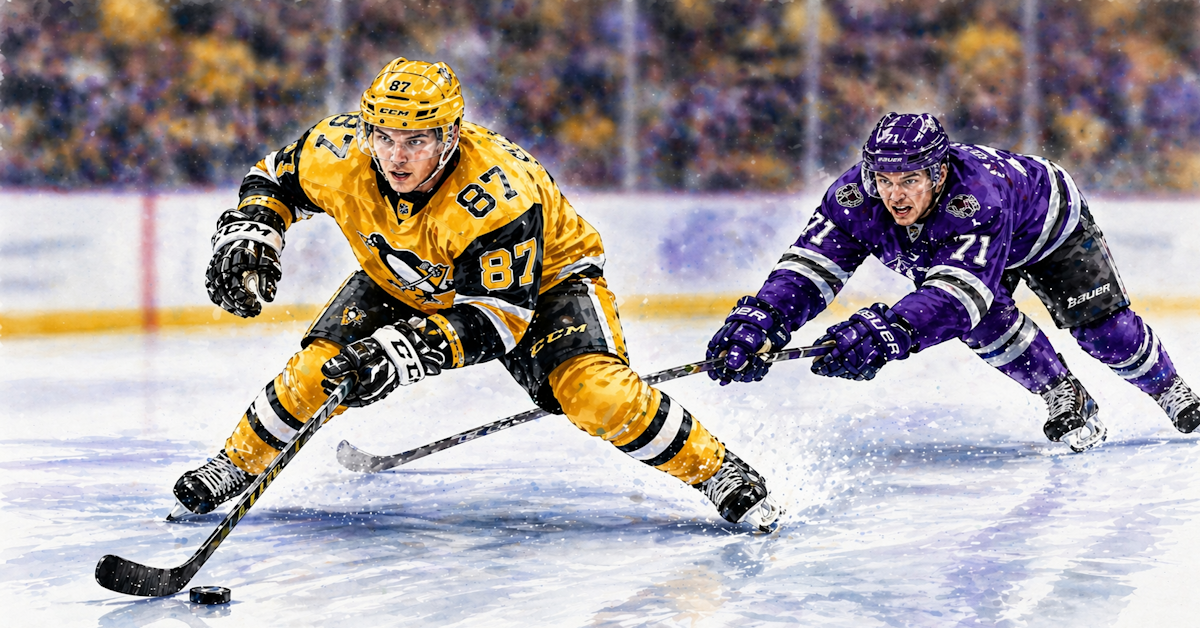
One of the most frustrating things for hockey players and coaches to watch is a player who looks fast and confident in practice but suddenly seems slower and less effective during games. This is a common issue in youth hockey, and it often leaves players wondering what went wrong…
Read MoreWhy Young Defensemen Struggle With Retrievals — And How to Train Them
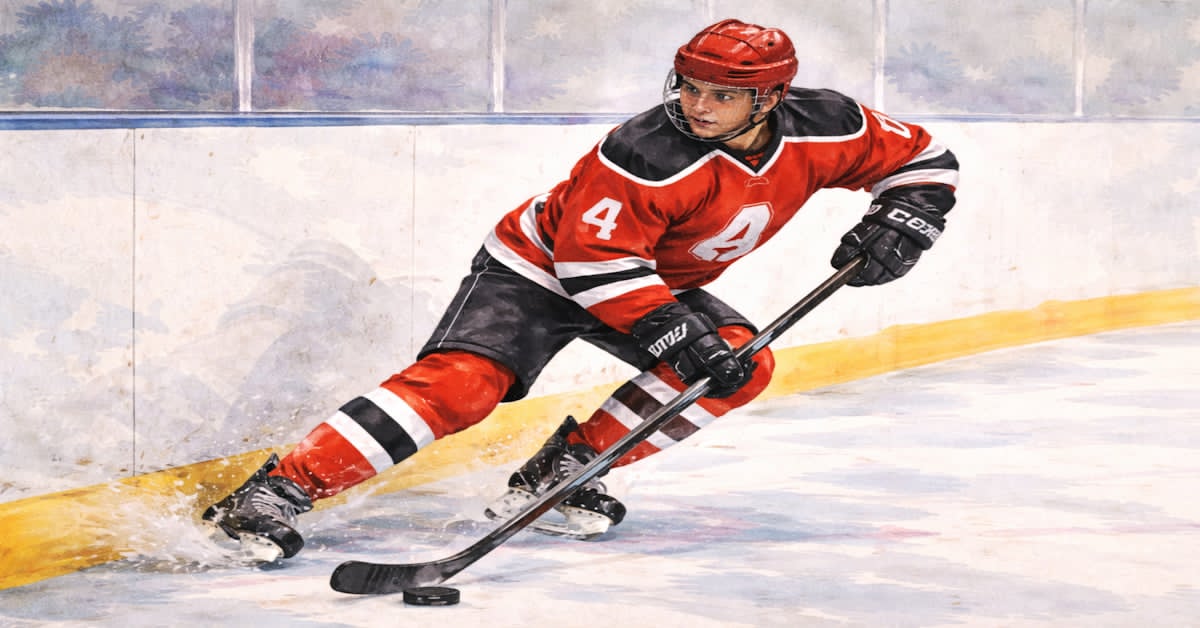
While coaches spend a lot of time teaching breakouts, passing, and positioning, the moment of retrieving the puck is where everything begins. If a defenseman cannot get to the puck cleanly, handle pressure, and make a smart first decision, the entire play breaks down before it even starts.
Read MoreHow to Teach Players to Read Stick Positioning (A Missing Modern Skill)
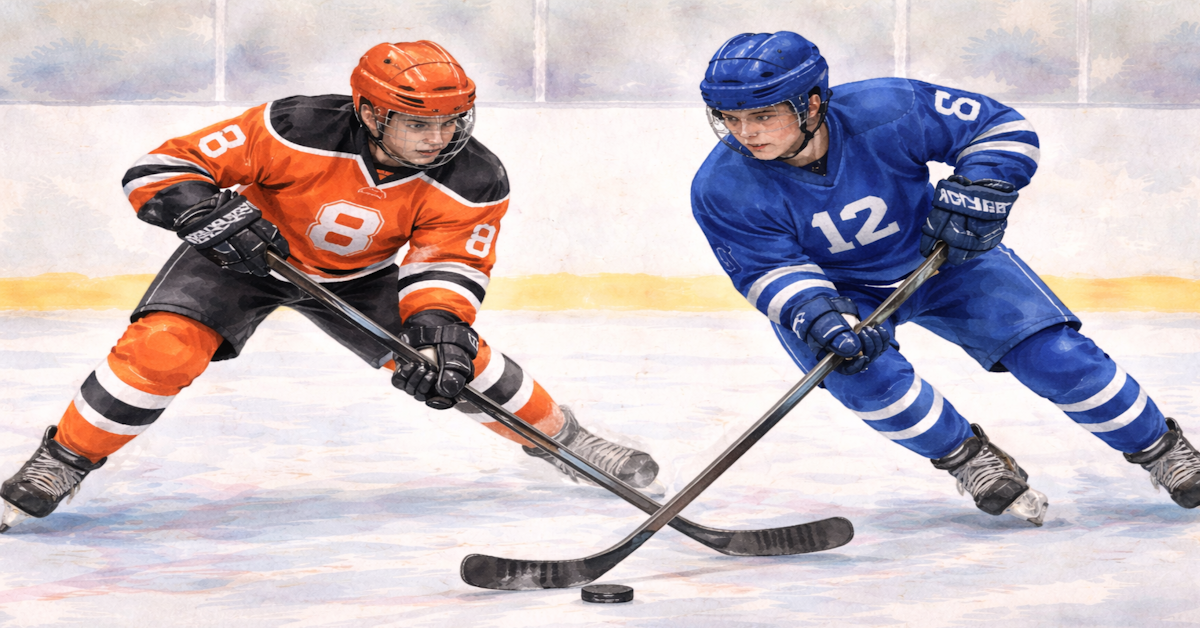
One of the most overlooked skills in modern hockey is the ability to read stick positioning. While players spend countless hours working on skating speed, shooting accuracy, and puck control, far fewer are taught how to recognize what defenders are doing with their sticks or how to use their own stick effectively. This is a key part of hockey IQ, and it often separates average players from those who consistently make smart, effective plays…
Read MoreDeveloping One World‑Class Skill — Part 1
Most players try to get better at everything all at once, and that’s exactly why so many of them never break through. In this episode, we look at the power of developing one world‑class skill — the kind of ability that changes how coaches see you, how teammates rely on you, and how opponents react to you.
Read MoreThe Most Overlooked Skill in Today’s Game: Net‑Front Body Positioning
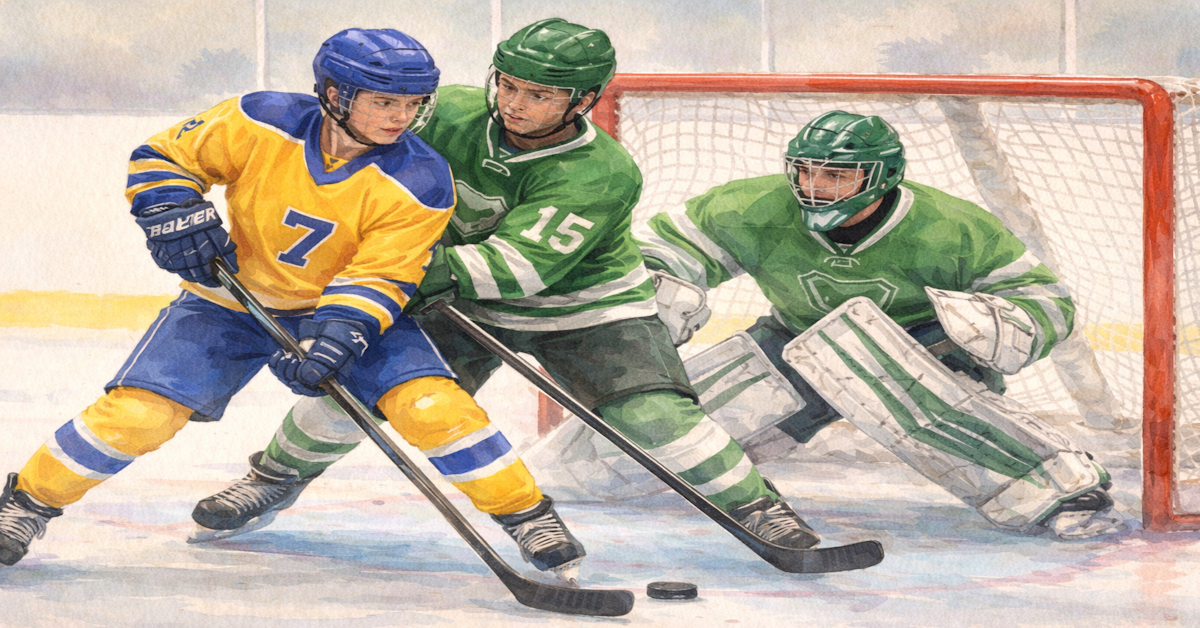
Net‑front play isn’t about being the biggest or strongest player on the ice. It’s about understanding leverage, timing, angles, and how to make life miserable for the opponent without taking penalties. When a player learns how to own the space around the crease, everything about their game becomes more dangerous. They become harder to defend, harder to move, and far more valuable to their team.
Read MoreThe Real Fix for Panic Passing Under Pressure
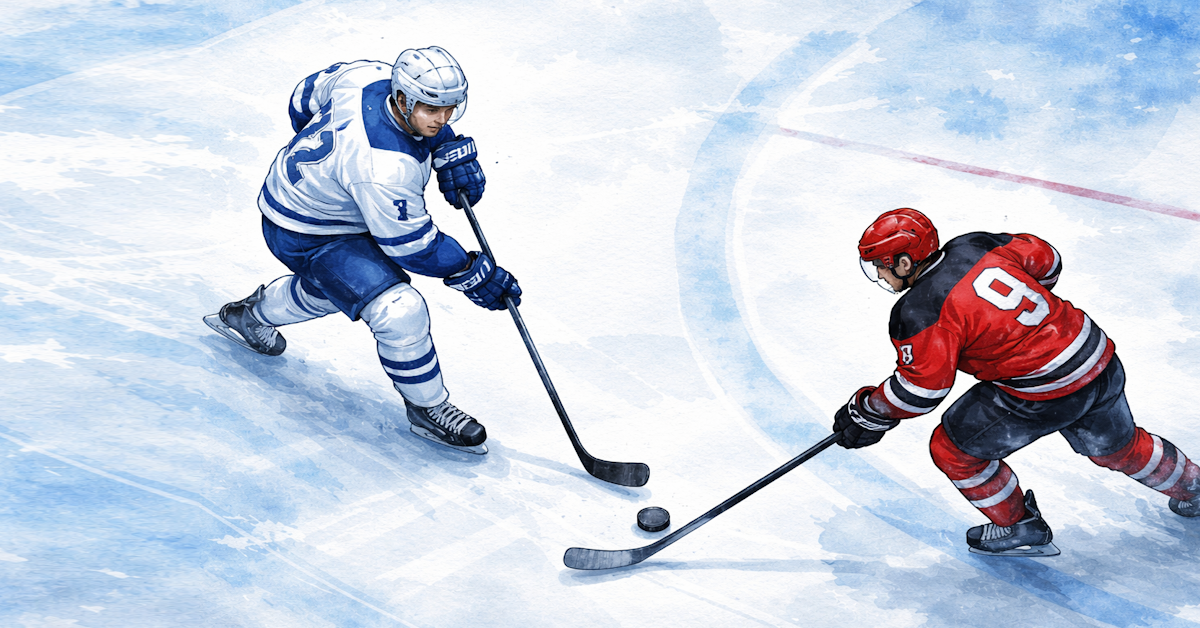
Every hockey player, no matter how skilled or experienced, eventually hits that moment when the puck is on their stick and everything suddenly feels too fast. A forechecker closes in, the crowd noise spikes, teammates are yelling, and the brain goes into emergency mode. That’s when panic passing shows up — the rushed, blind, hope‑for‑the‑best pass that usually ends up on an opponent’s stick.
Read MoreThe Truth About “Shoulder Checking” — And Why Most Kids Do It Wrong
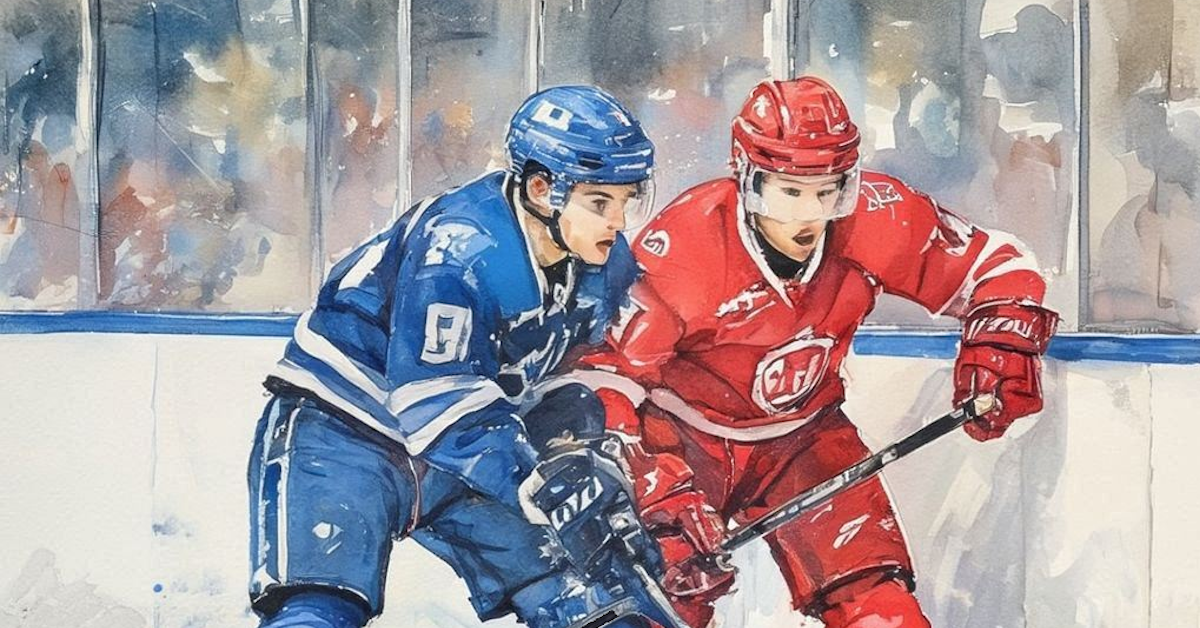
The truth about shoulder checking in hockey is that most young players think they’re doing it right simply because they make contact, but real shoulder‑to‑body checking is a technical skill built on timing, posture, and controlled force. A proper shoulder check isn’t about throwing your weight around or trying to “blow someone up.” It’s about using your shoulder and upper body to legally bump a puck‑carrying opponent and separate him from the puck without losing your own balance or taking yourself out of the play.
Read MoreHow to Teach Young Defensemen to Close Gaps Without Getting Beat Wide
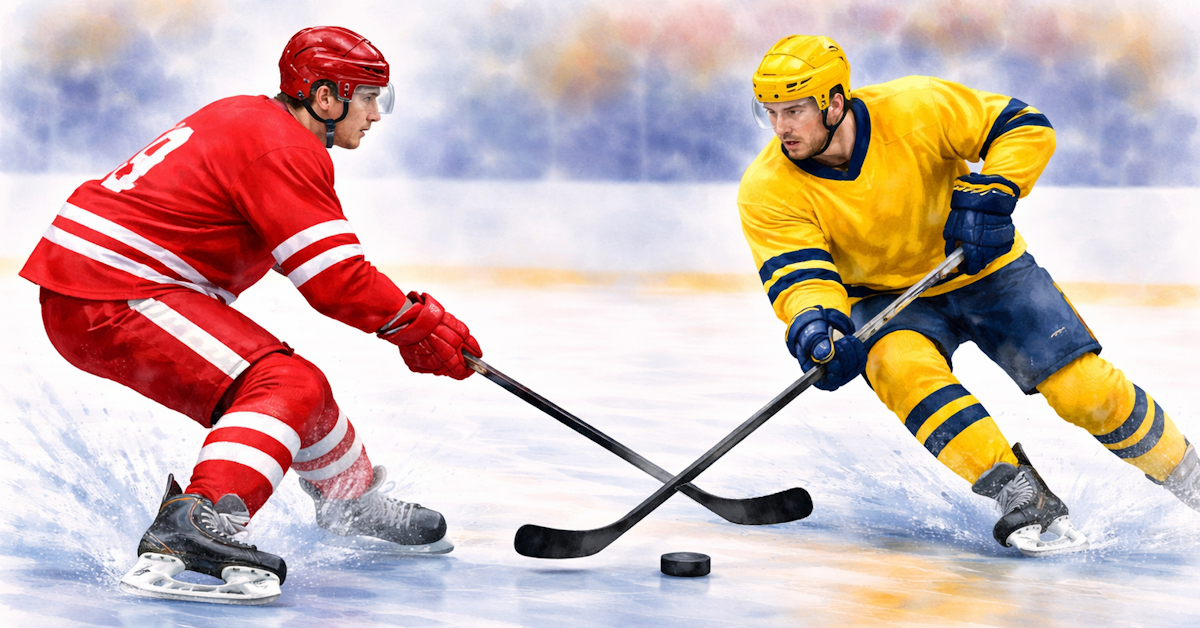
Closing the gap is one of the most important defensive skills in hockey, but it’s also one of the hardest for young defensemen to get right. Every player has heard a coach yell “Close the gap!” from the bench, yet very few kids actually understand what that means in real time. They either charge forward too aggressively and get burned wide, or they back off too much and give the puck carrier all the space in the world. The real art of gap control is learning how to shrink the distance between you and the attacker without giving up your inside positioning, your skating base, or your ability to react…
Read MoreWhy Most Powerplays Struggle — And How to Simplify Player Roles
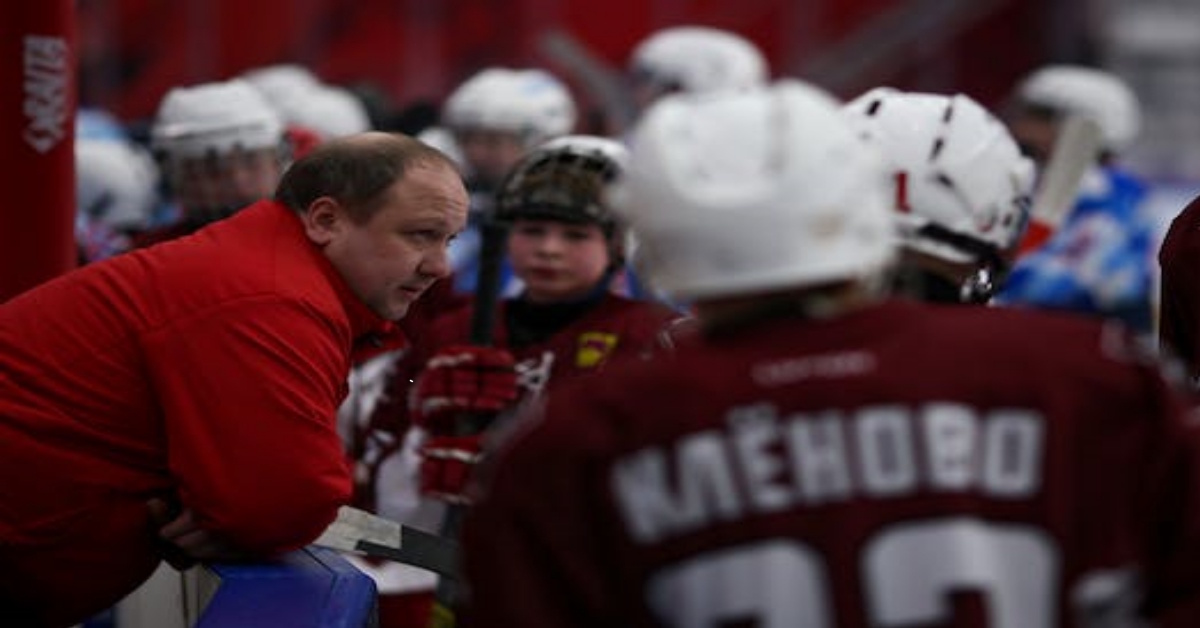
When a team has the man advantage, everyone expects crisp puck movement, clean entries, and dangerous scoring chances. But what usually happens instead is hesitation, overthinking, and five players all trying to do a little bit of everything. That’s when the power play slows down, the penalty killers gain confidence, and the puck ends up 200 feet away. The good news is that most of these problems disappear the moment each player understands a simple, specific role and sticks to it. When roles are clear, the puck moves faster, the decisions get easier, and the power play suddenly looks like it has purpose instead of panic.
Read More