General Skills Advice
The Truth About Off‑Ice Training for Young Players — What Works Now
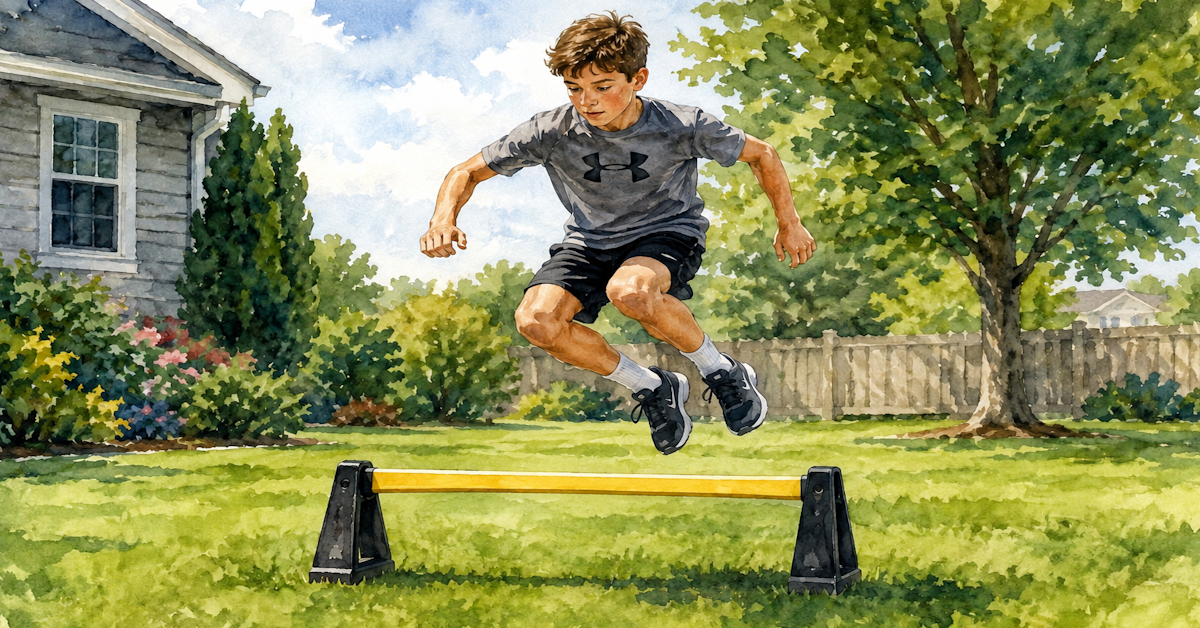
Modern off-ice training has changed a lot over the last decade, and many parents, coaches, and players are still trying to figure out what actually works. The good news is that effective hockey off-ice training is often much simpler than many people think. The goal is not to turn a young player into a professional athlete overnight.
Read MoreHow to Teach ‘Scanning’ When Kids Don’t Naturally Look Up
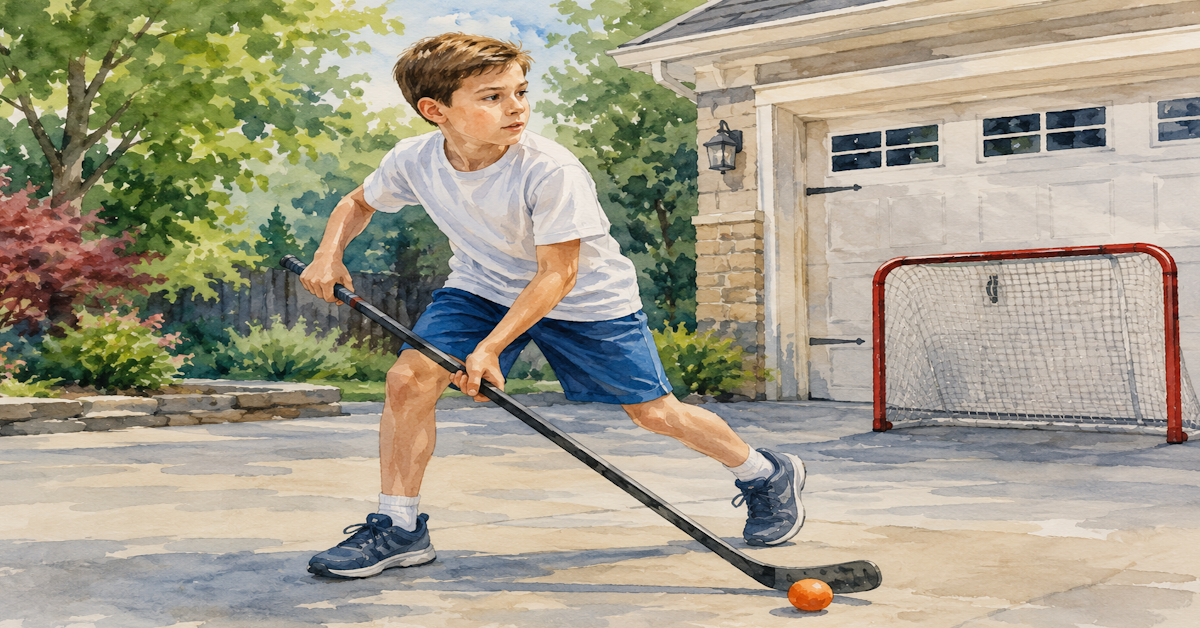
One of the most common challenges in youth hockey is teaching players to look up while handling the puck. Many young players become so focused on controlling the puck that they rarely notice what is happening around them. As a result, they miss open teammates, skate into pressure, and struggle to make smart decisions during games. Coaches often tell players to “keep your head up,” but for many kids, that instruction alone is not enough. Learning to scan the ice is a skill, and like every other hockey skill, it can be taught, practiced, and improved over time.
Read MoreThe Real Reason So Many Players Plateau Between Ages 11 and 14
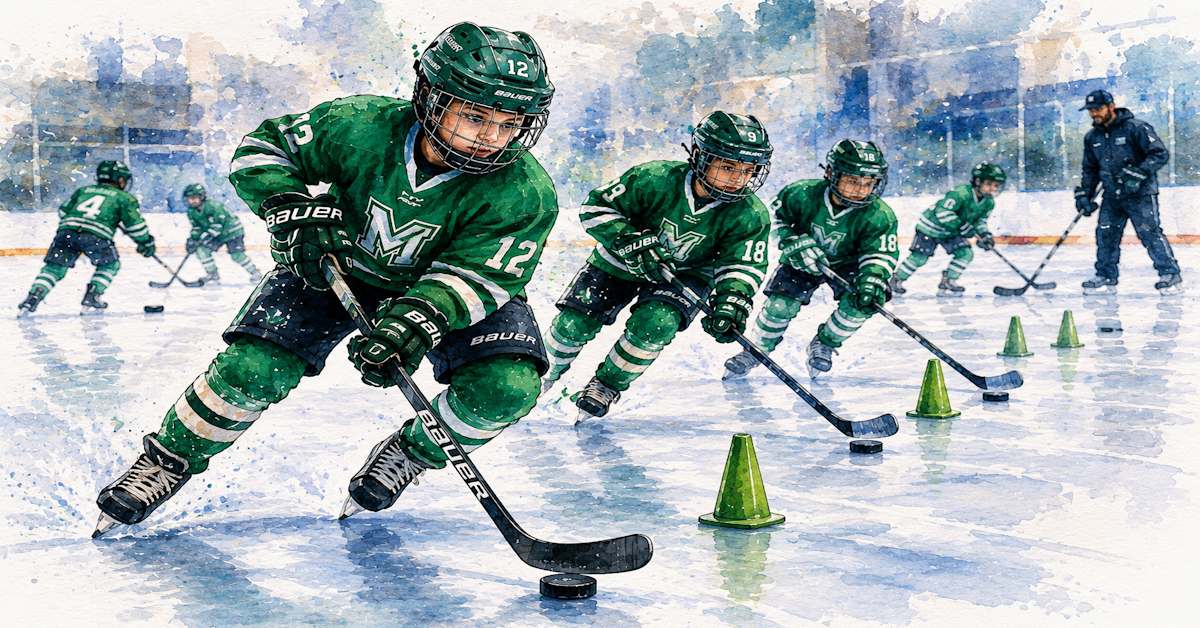
It happens all the time between the ages of 11 and 14. A player who was scoring goals, making teams, and gaining confidence can suddenly seem stuck. Their skating may stop improving as quickly. Their puck skills may look the same year after year. Their confidence may even begin to slip. Parents start wondering what happened. Coaches become concerned. Players often become discouraged. The truth is that this hockey development plateau is incredibly common, and understanding why it happens can help players continue growing instead of becoming frustrated.
Read MoreSummer Skills Camps: What Actually Transfers to Real Games?
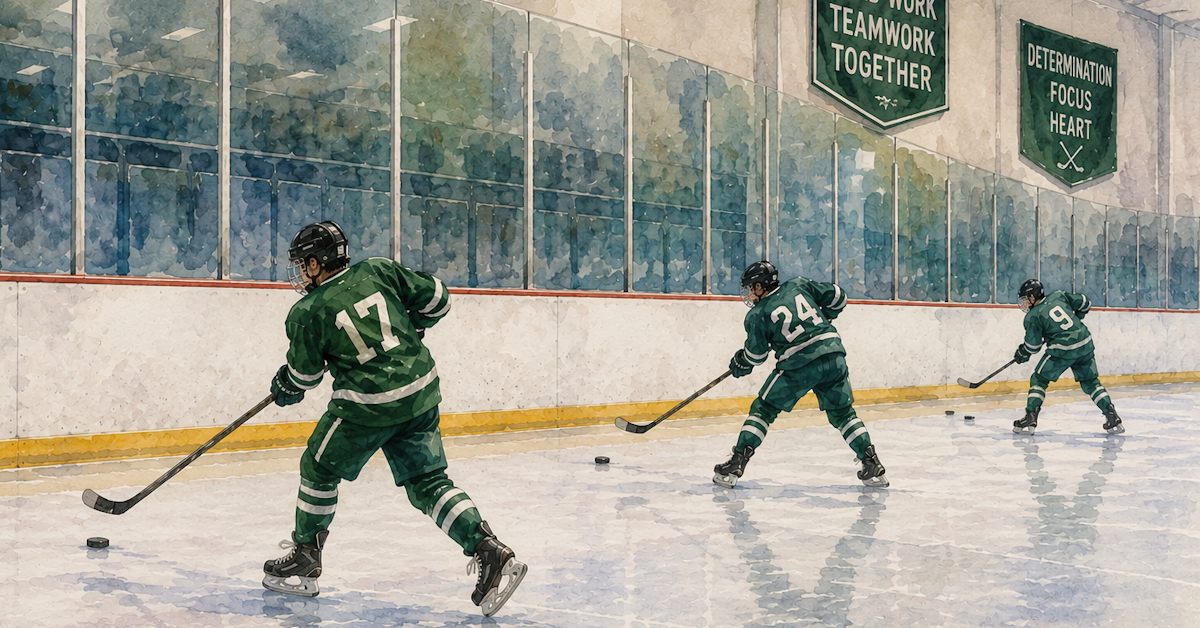
Every summer, hockey players across North America sign up for hockey skills camps with the goal of becoming better players before the next season begins. Parents invest time and money into skating camps, stickhandling clinics, shooting programs, and specialized development sessions because they want to help their players improve. Coaches often encourage athletes to use the off-season wisely and continue developing their game. The big question, however…
Read MoreStick Blade Angle on Incoming Passes
Hockey players hear it all the time: “Have your stick on the ice.” But that alone doesn’t guarantee you’ll control a pass. In fact, most bobbled pucks happen even when the blade is down — because the blade isn’t turned to the correct angle. The real key to clean puck reception is simple, but almost…
Read MoreCoaching Turnover: What It Means for Player Development
Few things change the direction of a hockey season faster than coaching turnover. One year a team may have a coach who focuses heavily on skill development, puck possession, and confidence-building, while the next year a completely different coaching style suddenly appears. For hockey players, parents, and even assistant coaches, these changes can create excitement, confusion, stress, or new opportunities depending on the situation.
Read MoreHockey School, Clinic & Team Gear Available
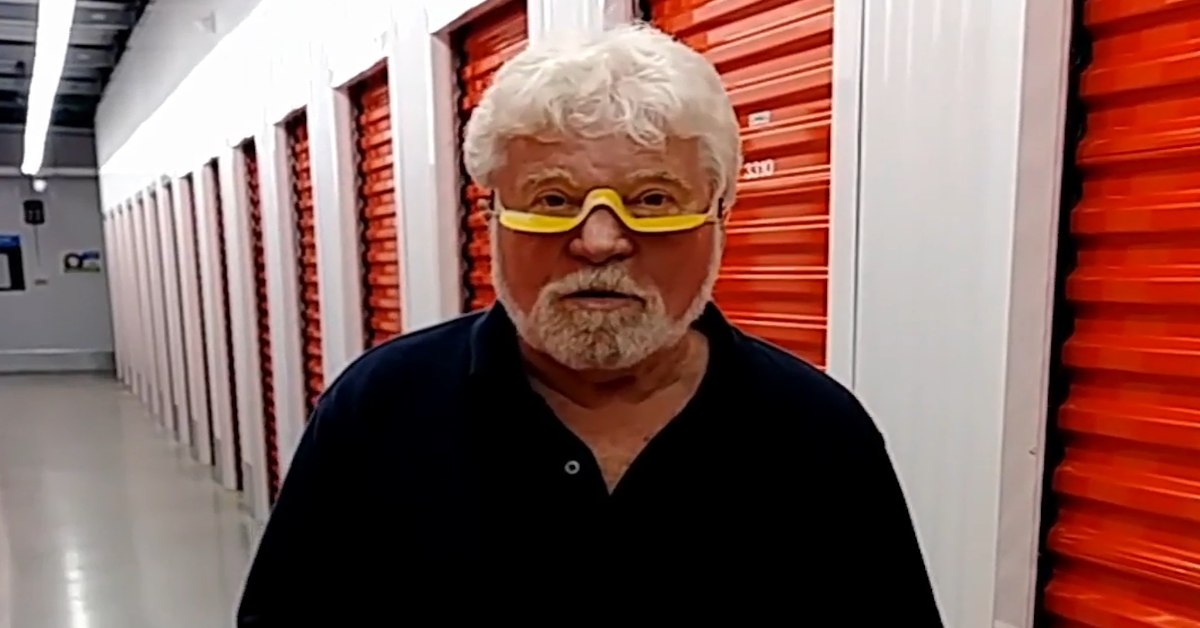
After years of running hockey schools, clinics, and team sessions, I’ve accumulated a lot of training gear — the kind of equipment that keeps players moving, learning, and improving without wasting time in long lines. And I’m now making the remaining pieces available to anyone who can put them to good use…
Read MoreThe Talent Pyramid Problem — Why Kids Are Being Sorted Too Early
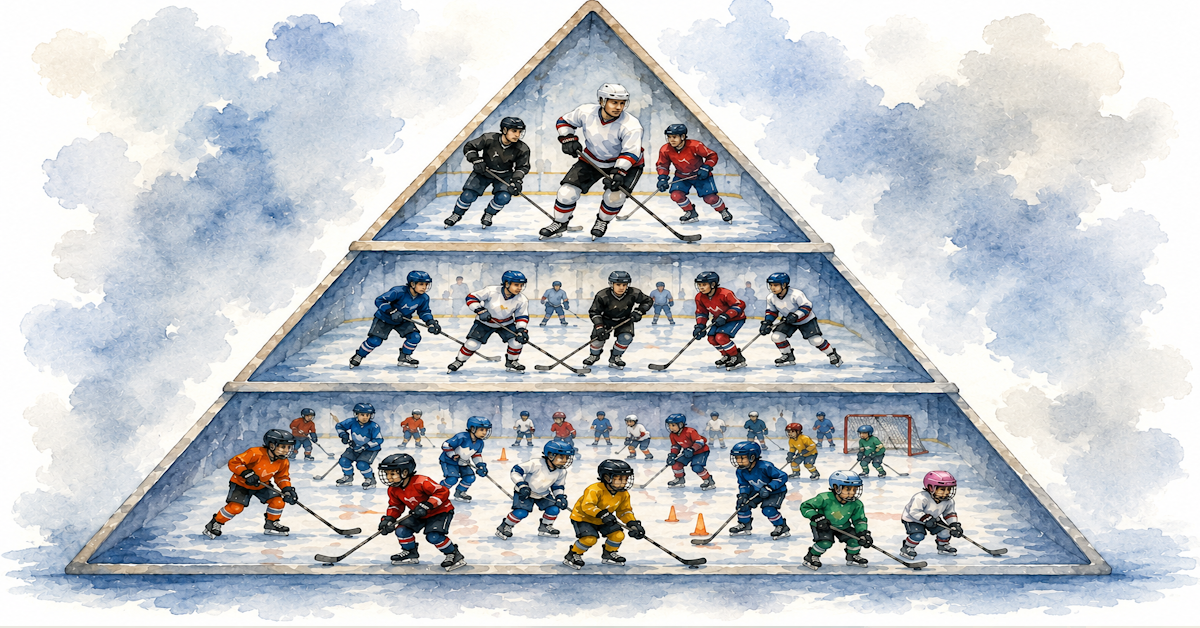
In youth hockey, one of the biggest challenges facing players, parents, and coaches today is something many people call the “talent pyramid problem.” It happens when young hockey players are identified as elite prospects too early while other players are pushed lower in the system before they have fully developed…
Read MoreThe Tryout Trap — How to Stay Sane During Team Selection Season
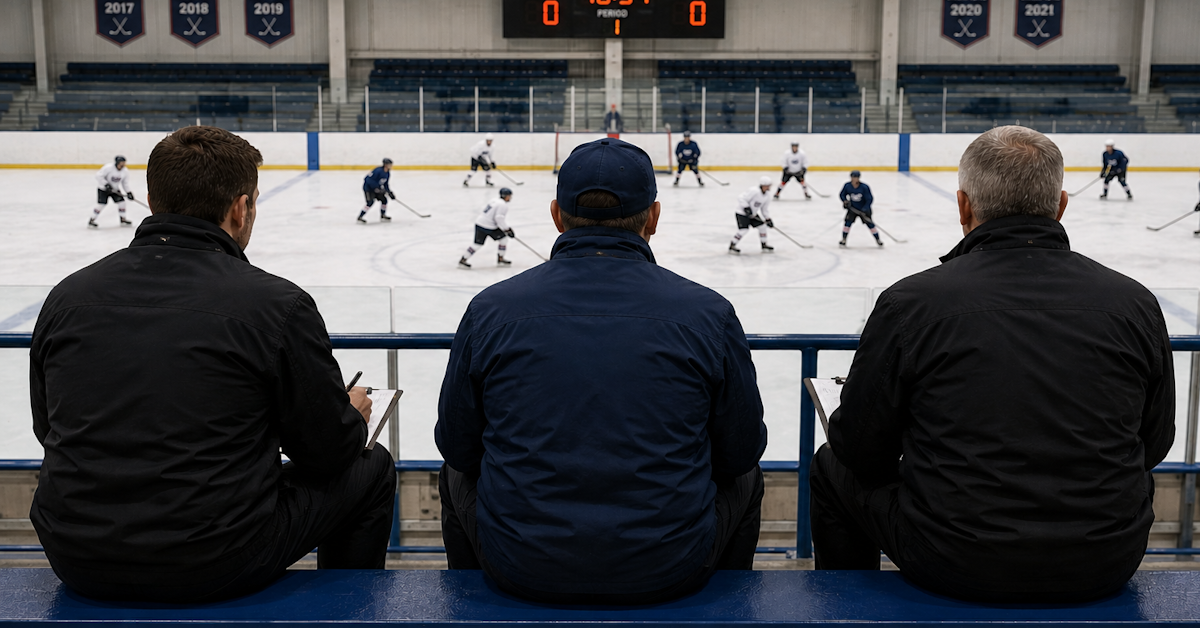
Every hockey season brings excitement, fresh goals, and new opportunities, but there is one part of the year that can create huge stress for players, parents, and coaches alike: hockey tryouts. Team selection season can feel like a pressure cooker. Players worry about making the top team, parents anxiously watch every drill from the stands, and coaches try to evaluate dozens of athletes fairly in only a few ice sessions. The truth is that hockey tryouts are emotional for almost everyone involved.
Read MoreThe Equipment Rabbit Hole — How to Stop Overthinking Sticks, Skates & Sharpenings
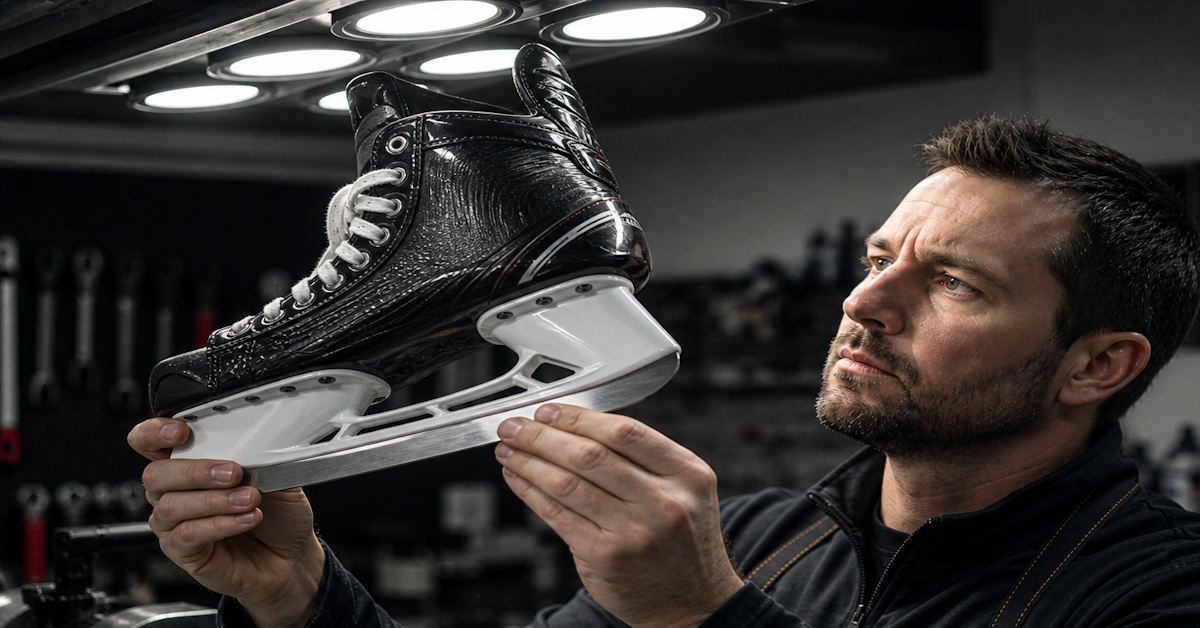
It can feel like every small detail in hockey equipment is the reason for success or failure. This is what many people call the “equipment rabbit hole,” and it is easy to fall into. Players start to believe that the next stick or a different sharpening will suddenly fix their game. The truth is, while hockey equipment does matter, overthinking it can actually slow down development and take focus away from what really improves performance.
Read More