
With mental toughness always being a key to solid hockey play, we’re thrilled to once again present Shawnee Harle’s monthly insights into that area. And, in this video, she addresses an obvious concern with “Negative Self-talk”!
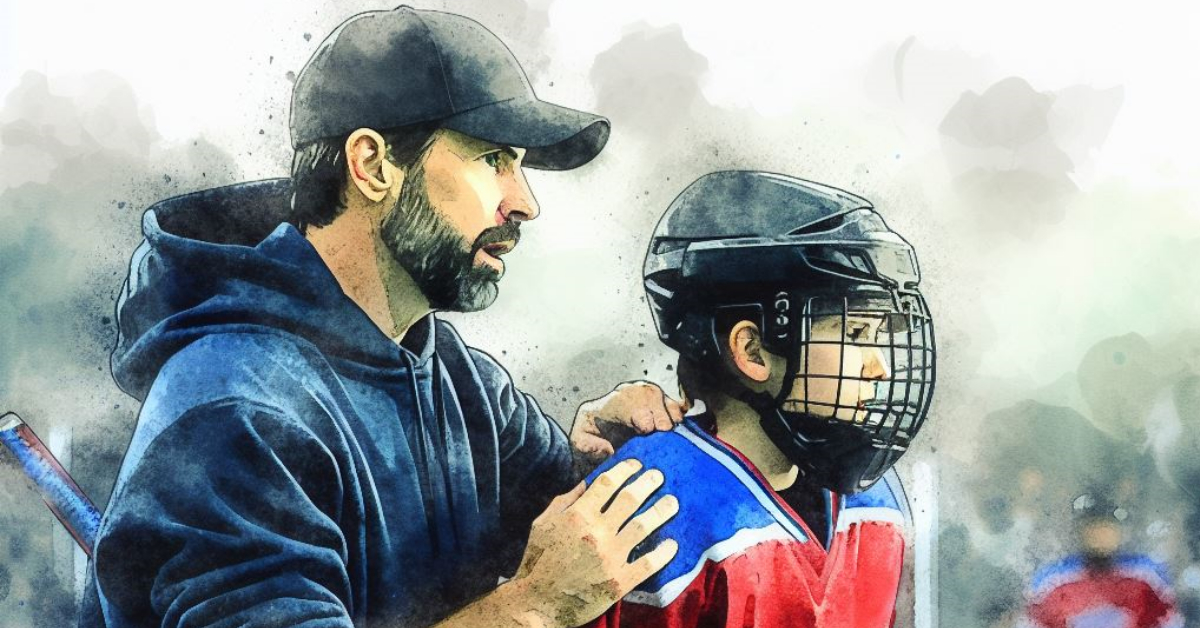
If you’ve spent any time on YouTube or scrolling through social media, you’ve probably noticed something that doesn’t sit quite right. A lot of people who share hockey tips online sound confident, look polished, and speak like experts, but when you listen closely, something feels off. The advice is often oversimplified, incomplete, or flat‑out wrong. And the tough part is that most viewers, especially newer coaches and parents, can’t easily tell the difference between someone who truly understands the game and someone who’s just good at performing confidence on camera.
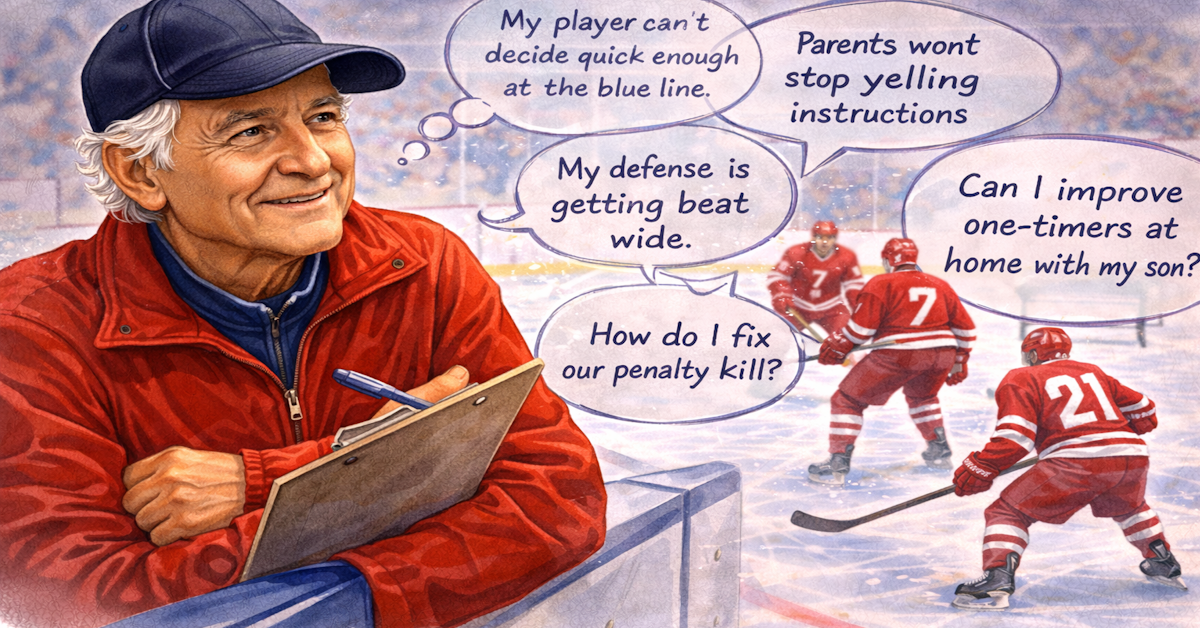
This site has always been about teaching the game — and teaching it in a way that actually helps you, your players, or your son or daughter. And here’s the truth I want to put front and center today:
I can only do that if I hear from you. Not once in a while. Not once a season. Regularly.
He played for the Atlanta and Calgary Flames in the 1970s and ’80s, and by the time he was traded to the St. Louis Blues in 1983, he was the Flames’ all-time leader in points and assists, though the record has since been eclipsed… More…
Follow along with Dave as he shows you how to use these bands to train your body for more strength and endurance…
Don’t forget to grab all you can from this awesome site, and make this coming month one to truly remember…
With mental toughness always being a key to solid hockey play, we’re thrilled to once again present Shawnee Harle’s monthly insights into that area. And, in this video, she addresses an obvious concern with “Negative Self-talk”!
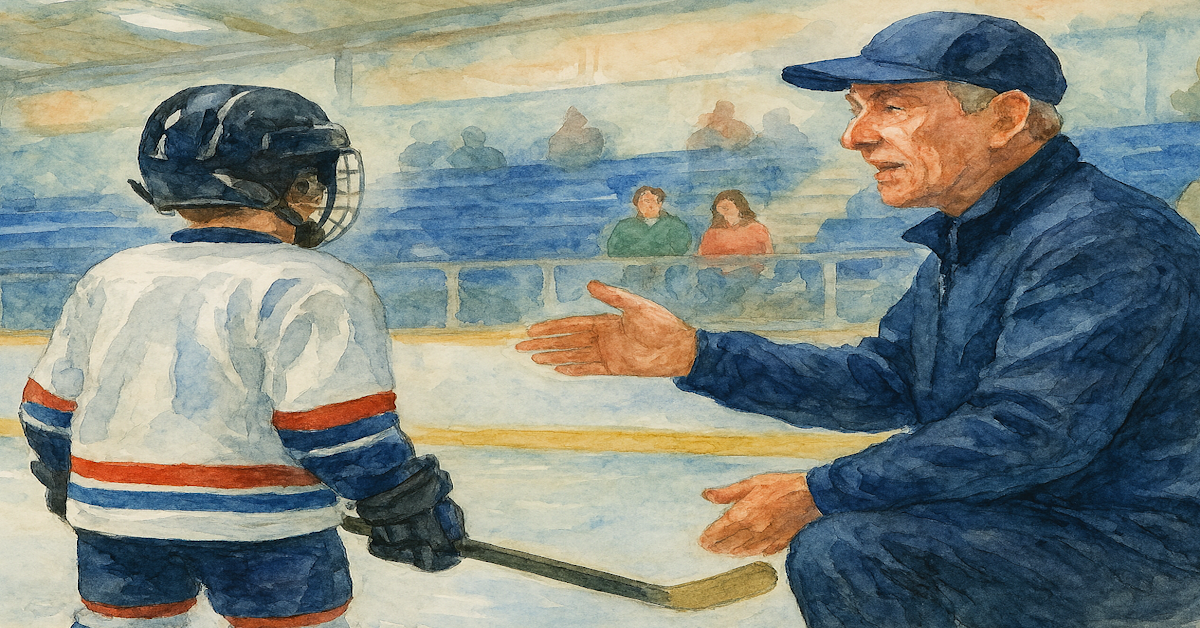
The truth is, teaching the game works best when it becomes a team effort. Every time someone shares a real experience, a smart observation, or a lesson learned from a practice, game, or season, it helps someone else grow. That’s why your voice matters here, and why your comments under each post can help us teach the game in ways no single coach ever could.
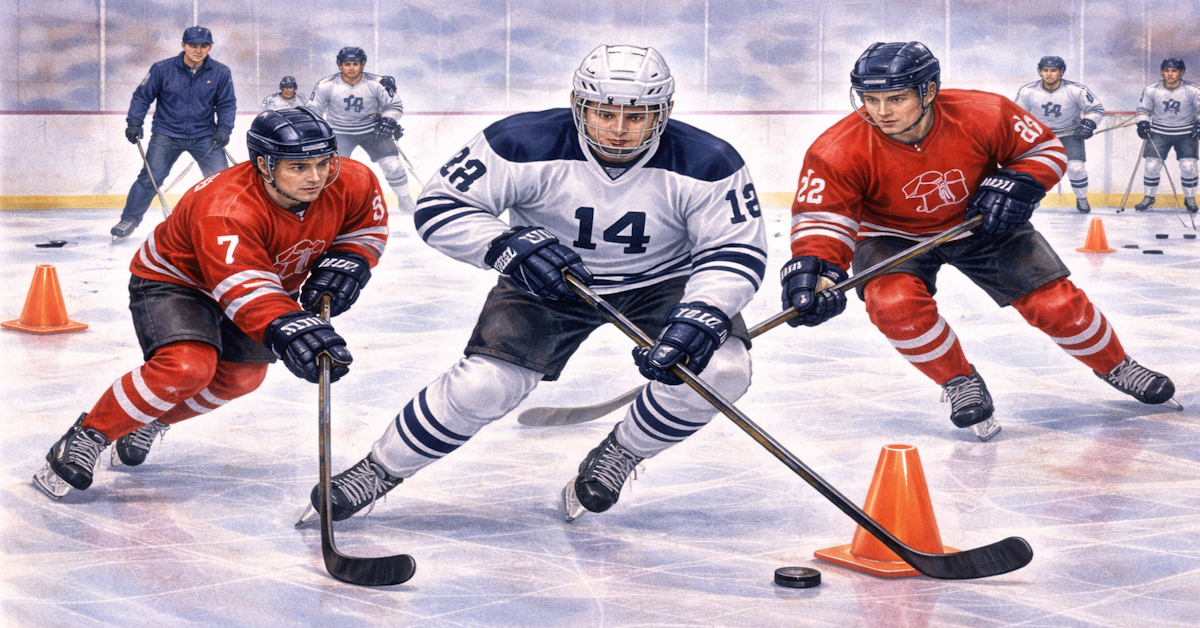
Staying calm with the puck under pressure is one of the biggest differences between players who simply work hard and players who consistently make smart plays. Many high school hockey players have solid skating and stickhandling skills, yet those skills seem to disappear when the game speeds up or defenders close in. This is not…
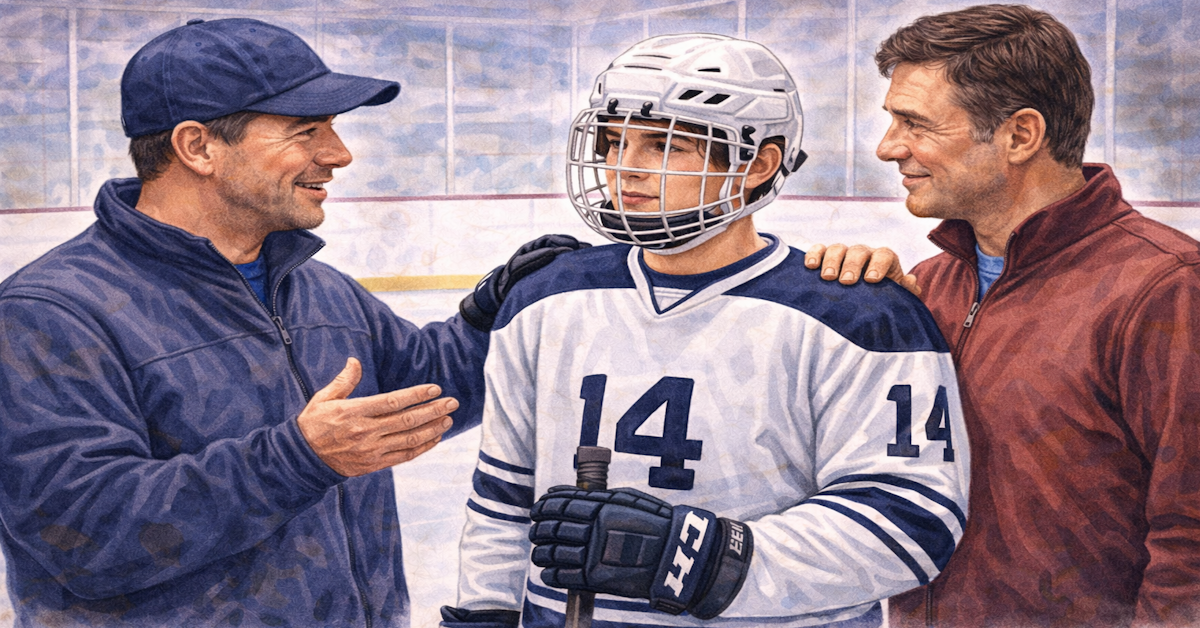
Most parents involved in youth and high school hockey care deeply about their child’s success. They drive to early practices, pay for equipment, and spend countless hours in cold rinks because they want to see their player grow and enjoy the game. Coaches recognize this commitment and appreciate it, but they also see many misunderstandings about how player development really works.