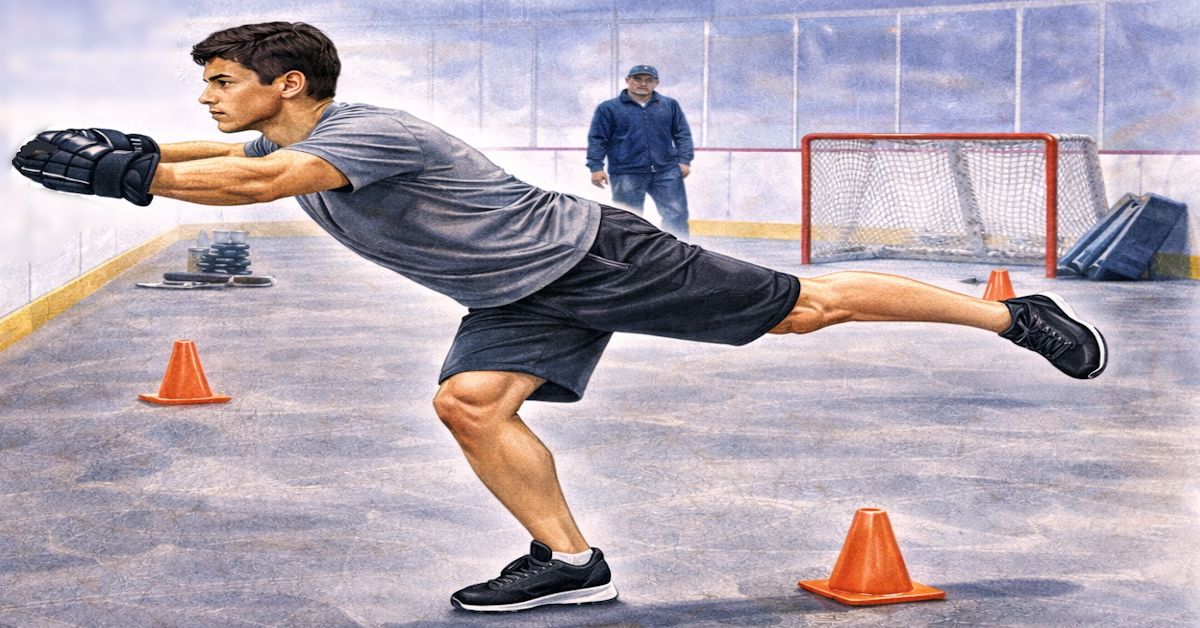
Balance is one of the most important skills in hockey, yet it is often misunderstood and overcomplicated. Many players believe they need expensive training tools or fancy equipment to improve their balance, but the truth is that great hockey balance is built through simple, consistent habits. Balance in hockey is not about standing still on one foot. It is about staying strong, controlled, and confident while skating, turning, battling, and reacting at game speed.
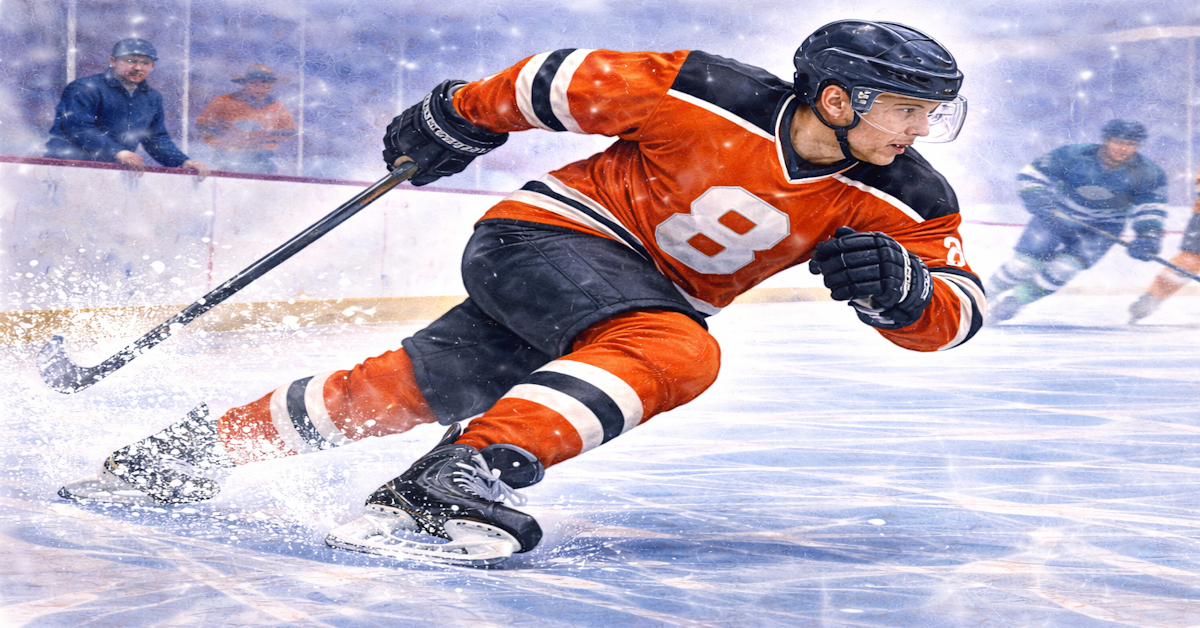
While many players focus on top speed, the truth is that explosive first strides matter far more than how fast someone can skate once they are already moving. The ability to accelerate quickly from a near standstill is a hidden skill that separates confident, effective players from those who always feel a step behind.
Don’t forget to grab all you can from this awesome site, and make this coming month one to truly remember…
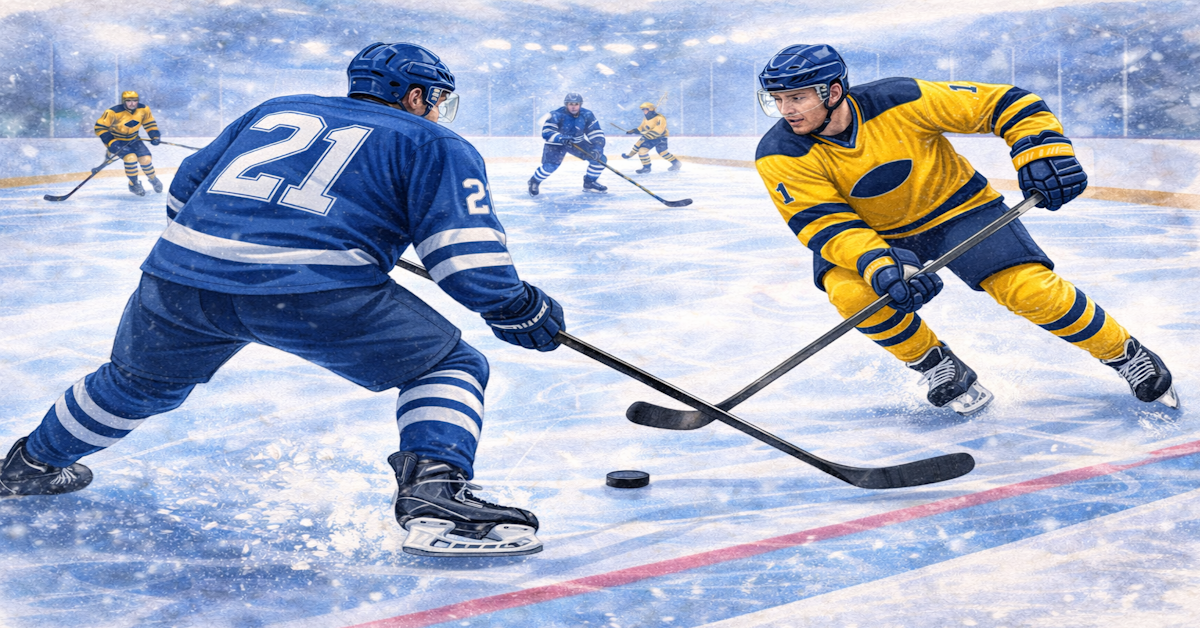
The blue line is where offense and defense collide, and decisions made in this small area can quickly lead to scoring chances or costly turnovers. Players who learn to recognize pressure early gain more time, make smarter plays, and stay confident with the puck. Understanding how to read pressure helps players at every position, especially defensemen and forwards entering the offensive zone.
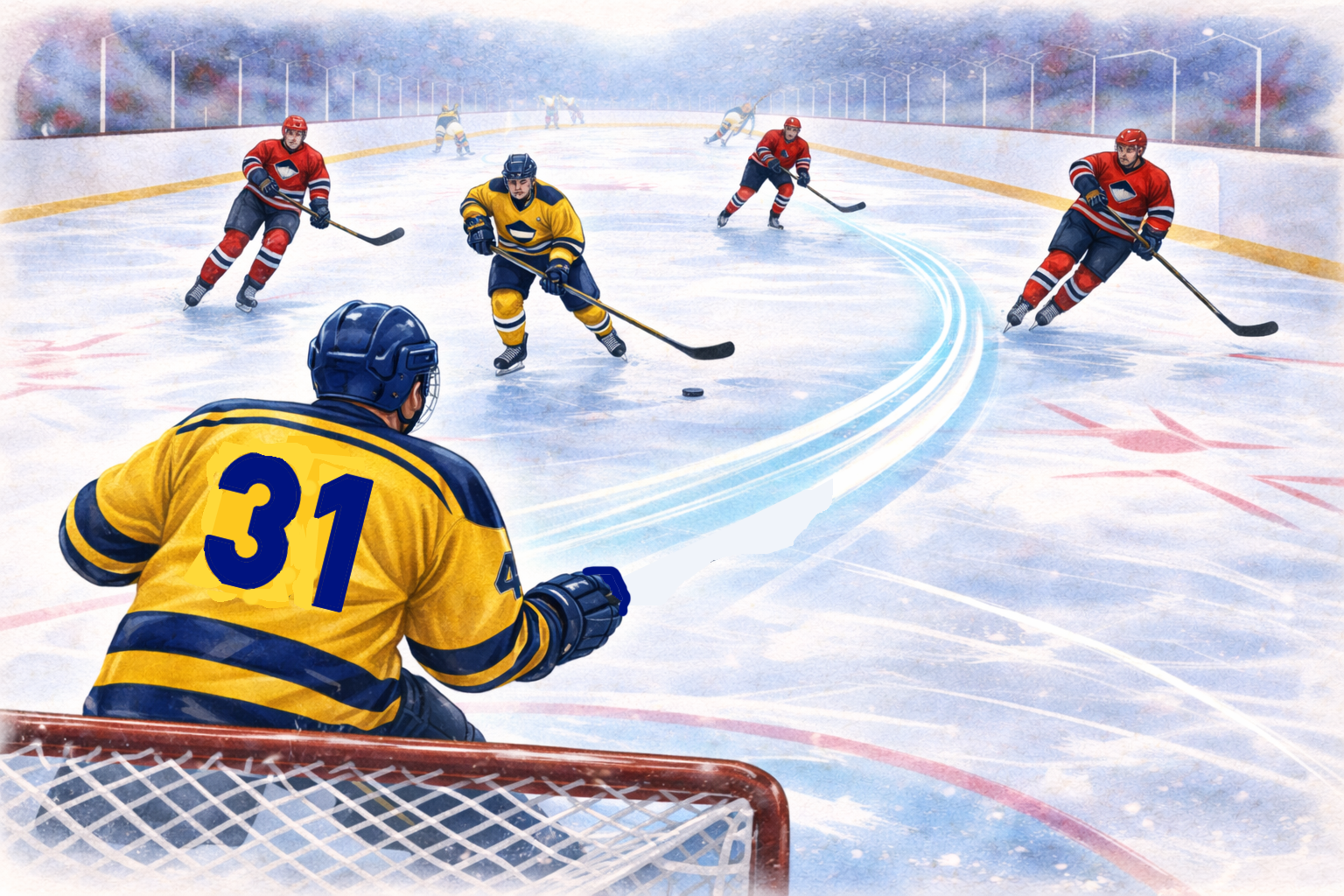
When breakouts are rushed, sloppy, or unorganized, teams spend too much time defending and chasing the puck. When breakouts are smart and consistent, players gain confidence, create offense, and control the pace of the game.
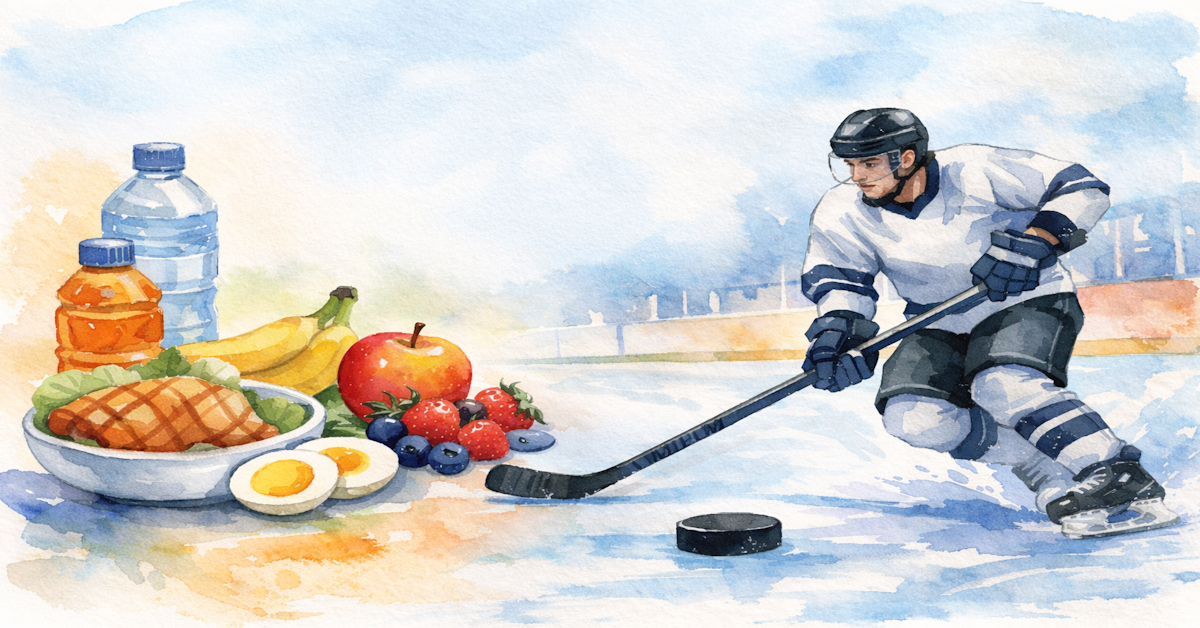
Better fuel leads to better skating, yet many hockey players never think about what they eat or drink until they feel tired halfway through a game. Skating is one of the most demanding skills in hockey because it requires speed, power, balance, and quick recovery between shifts. When the body does not have the right fuel, even strong skaters can look slow and sloppy. Learning how nutrition affects skating helps players stay fast, focused, and confident from the first shift to the last.
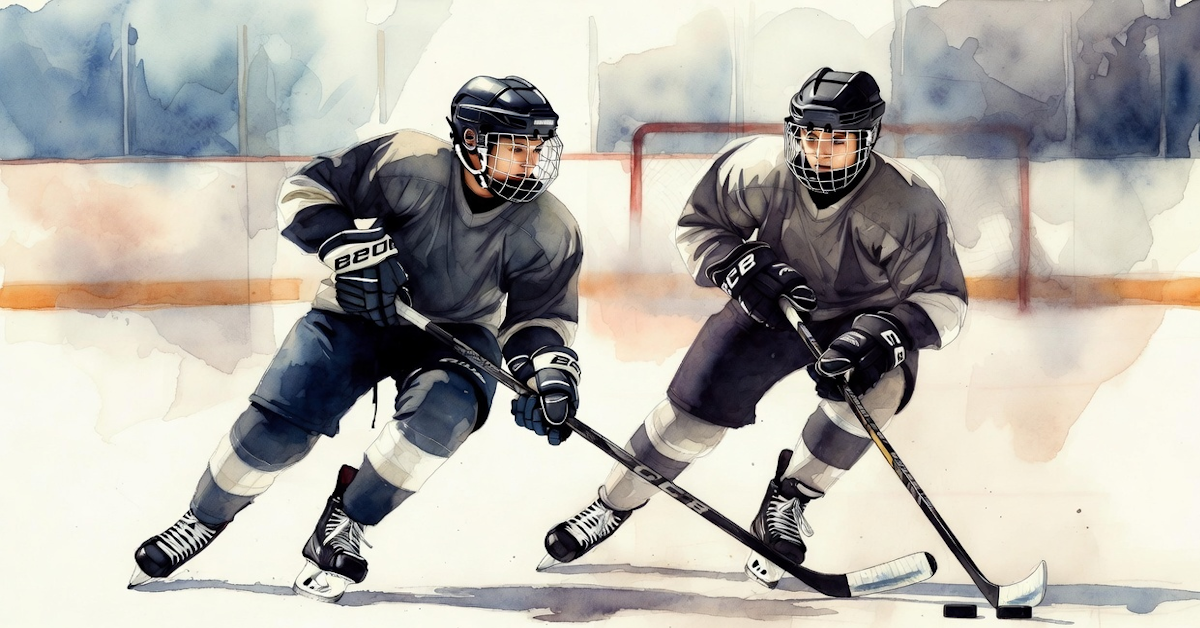
When defensemen master gap control, they force opponents into bad decisions, limit dangerous scoring chances, and make the game feel slower and easier. When gap control is weak, even slower forwards suddenly look fast, and even simple rushes can feel overwhelming. Learning to manage that space effectively can completely change the way a defenseman plays in the neutral zone and inside the defensive zone.
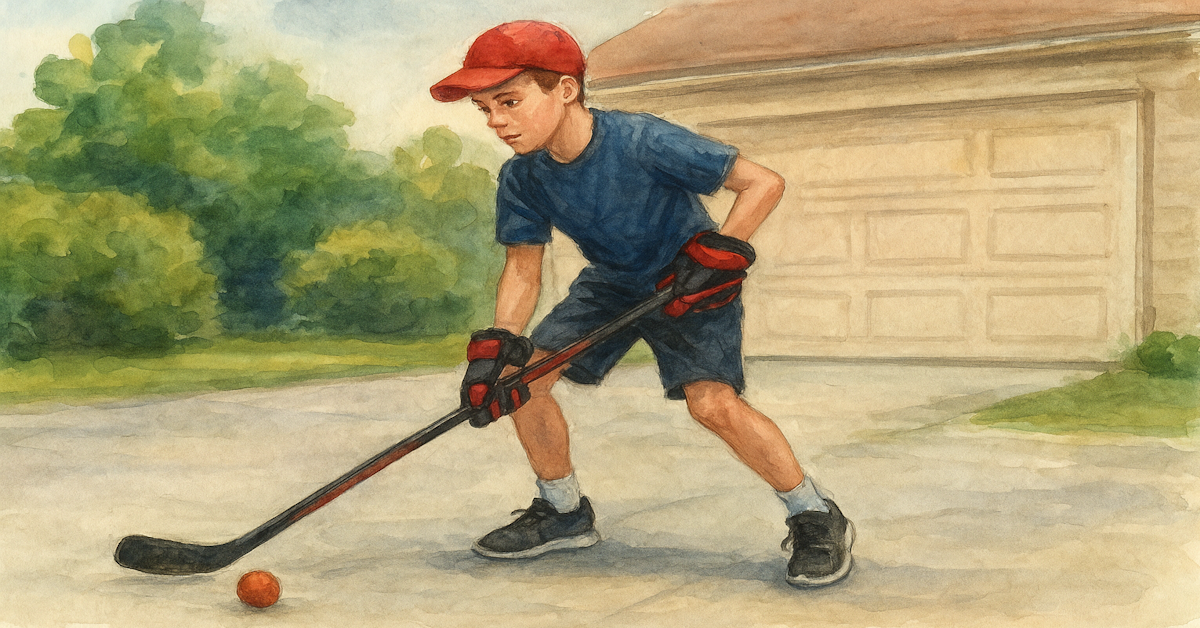
Handling the puck in heavy traffic is one of the toughest skills a hockey player can develop, and it’s also one of the most important. The modern game moves faster than ever, and players are expected to make quick decisions while surrounded by opponents, sticks, and constant pressure. In every zone — whether along the boards, in front of the net, or through the neutral zone — traffic is part of hockey, and learning how to stay calm, protect the puck, and execute under that pressure can completely change a player’s effectiveness…
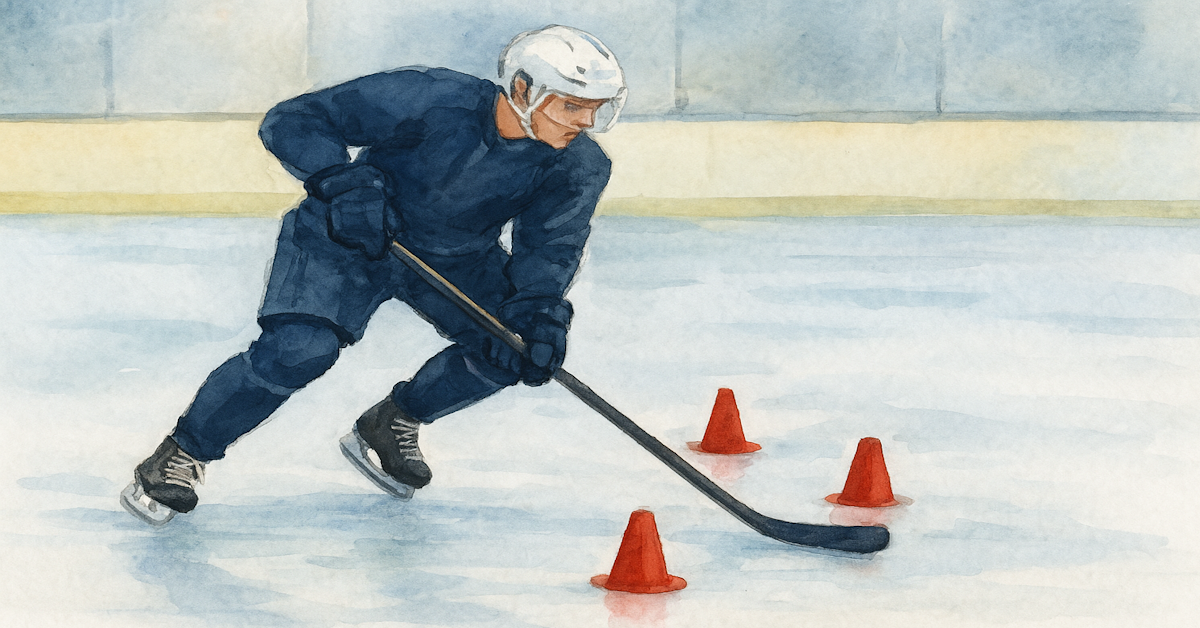
Hockey moves too fast for anyone to rely on instinct alone. Players must be able to see what is happening, process the information quickly, and respond in a way that supports their team. This is one of the biggest separators between average players and impact players. Reaction speed isn’t only about how fast someone can skate; it’s about reading plays, adjusting on the fly, and making confident decisions in a split second.
Don’t forget to grab all you can from this awesome site, and make this coming month one to truly remember…