The Real Reason Parents & Coaches Clash — And How to Fix It
One of the biggest challenges in youth hockey is not always what happens on the ice. Sometimes the hardest part of the game happens behind the bench, in the stands, or in the parking lot after practice. Parents and coaches often want the same thing — helping young players grow, improve, and enjoy hockey — but even with good intentions, conflict can develop surprisingly quickly. Miscommunication, unrealistic expectations, and emotional reactions can turn small disagreements into ongoing tension. Understanding the real reasons why parents and coaches clash is the first step toward building a healthier and more positive hockey environment for everyone involved.
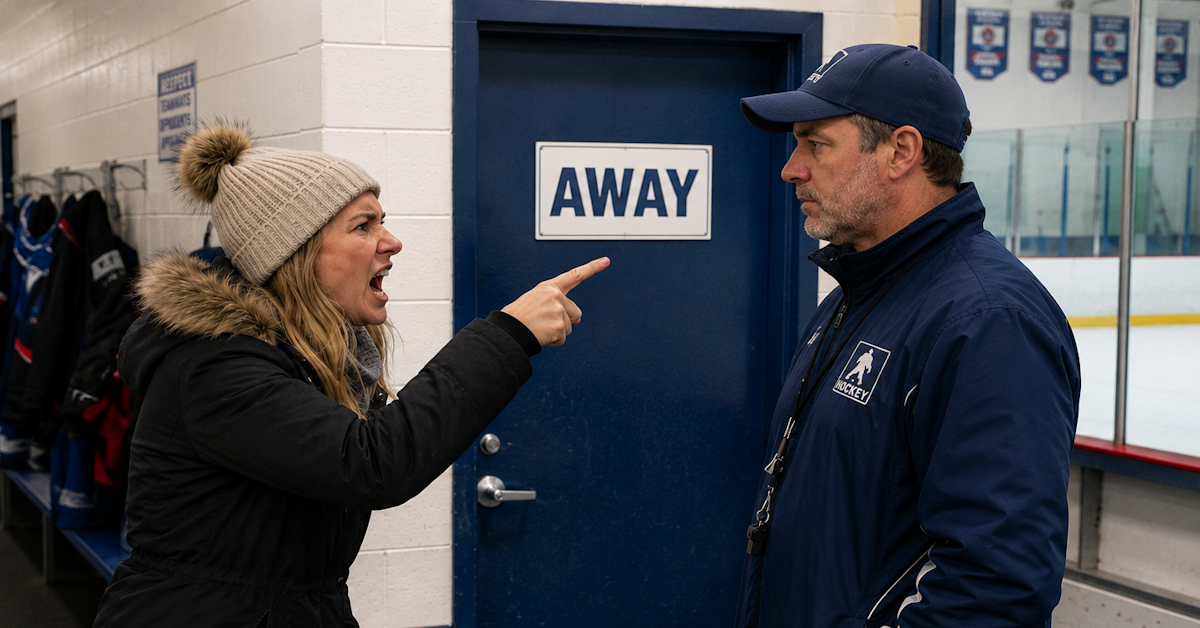
One major reason conflict happens is that parents and coaches often see the game from completely different perspectives. Coaches usually focus on team development, systems, effort, discipline, and long-term growth. They are responsible for managing the entire roster and making decisions that affect the whole team. Parents, however, naturally focus on their own child. They notice ice time, line combinations, power-play opportunities, and mistakes that affect their son or daughter directly. Neither side is necessarily wrong, but when those viewpoints are not understood, frustration can build very quickly.
Communication problems make this even worse. Many disagreements in youth hockey do not start because someone is angry or unreasonable. They start because assumptions replace communication. A parent may assume a coach dislikes their child because of reduced ice time, while the coach may believe the player simply needs more effort in practice. Without calm and honest conversation, both sides can create stories in their minds that may not reflect reality at all. Over time, these misunderstandings grow and damage trust between families and coaches.
Another common issue is unrealistic expectations. In today’s hockey culture, many players and parents feel pressure to move quickly through the ranks, make elite teams, or earn scholarships. Social media, highlight videos, and constant comparisons to other players can increase this pressure. Parents may expect rapid improvement or major opportunities, while coaches may be focused on steady long-term development. When expectations are unclear or unrealistic, disappointment often turns into conflict.
Ice time is probably the most emotional topic in youth hockey. Almost every parent believes their child deserves more opportunities, especially when they see effort and dedication at home. Coaches, however, make decisions based on many factors, including game situations, positioning, defensive reliability, and overall team needs. The problem is that ice-time decisions are often viewed emotionally instead of objectively. Players who spend too much time worrying about ice time can also lose focus on the habits that would actually help them earn more opportunities.
The good news is that many of these conflicts can be improved with better communication and stronger relationships. Coaches can help by being more transparent about expectations, team rules, and player development goals early in the season. When parents understand what a coach values and what players need to improve, there is less confusion later. Regular communication, even simple updates or positive feedback, can build trust and reduce unnecessary tension.
Parents also play an important role in creating a positive hockey experience. Supporting players emotionally instead of constantly analyzing every shift can make a huge difference. Young athletes already place pressure on themselves, and too much criticism after games often increases stress instead of improving performance. Parents who focus on effort, attitude, and growth help players develop confidence and resilience over time. Sometimes the best post-game conversation is simply asking if the player had fun or what they learned.
Respect is another key factor. Coaches should remember that parents invest significant time, money, and energy into youth hockey, while parents should recognize the amount of work coaches put into practices, planning, and player development. When both sides acknowledge each other’s efforts, it becomes easier to work together instead of against each other. Players notice these interactions as well. When they see healthy communication and mutual respect between adults, it creates a more stable and supportive environment for them to grow in.
It is also important to remember that development is rarely a straight line. Players improve at different rates, and setbacks are a normal part of hockey. Some players mature physically later, while others need more time to build confidence or hockey IQ. Coaches and parents who stay patient and focused on long-term progress often help players far more than those who become caught up in short-term frustrations.
At the end of the day, parents and coaches usually want the same thing: to help young players succeed both on and off the ice. The problem is not always disagreement itself, but how those disagreements are handled. Better communication, realistic expectations, patience, and mutual respect can completely change the atmosphere around a team. When adults work together instead of competing for control, players benefit the most.
If you have experienced positive ways that parents and coaches worked together, or if you have seen situations where communication helped solve problems, feel free to share your thoughts down below in the Comments. When players, parents, and coaches exchange ideas respectfully, it helps everyone learn and keeps the conversation growing in a healthy and positive direction.
