The AAA Mirage — Why Higher Level Doesn’t Always Mean Better Development
In youth hockey, few topics create more excitement and pressure than AAA hockey. For many families, making a AAA team feels like the ultimate goal. It is often viewed as proof that a player is elite, serious about the game, and on the right path toward junior hockey, college hockey, or even beyond. Because of this reputation, many players and parents automatically assume that a higher level always means better development. But the truth is much more complicated. While AAA hockey can absolutely be a great fit for some players, it is not automatically the best environment for every young athlete. In fact, chasing the highest level too early can sometimes slow development instead of helping it.
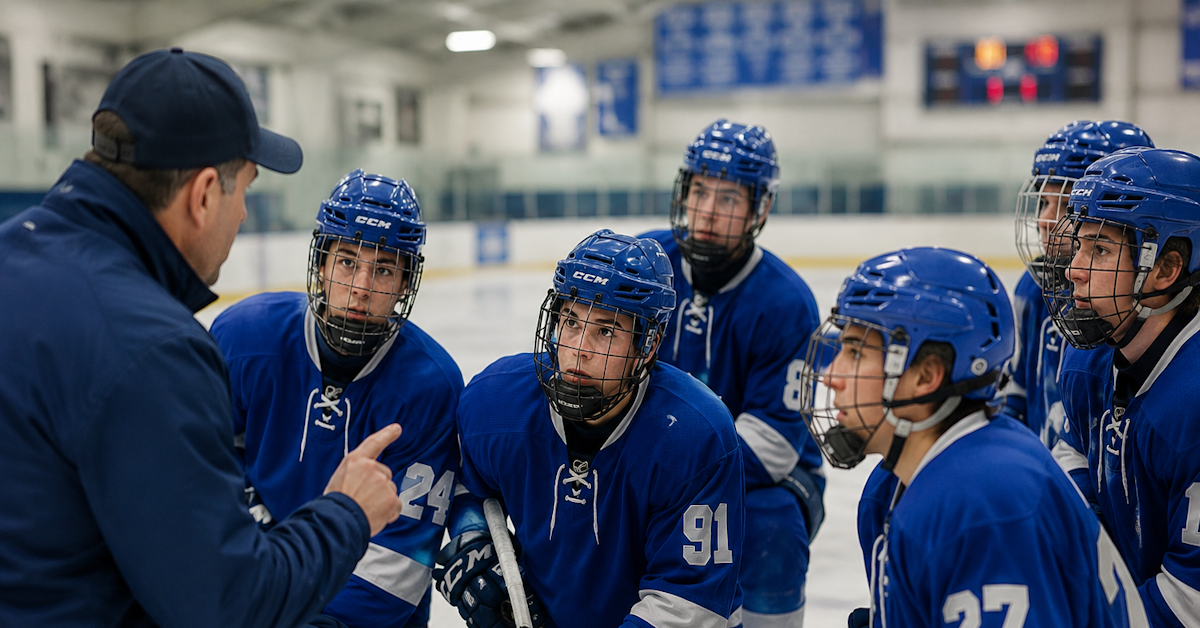
One reason the “AAA mirage” exists is because hockey culture often connects status with success. Players wear elite logos, travel to major tournaments, and compete against stronger opponents, which can make it seem like they are automatically improving faster. Social media also plays a role, with highlight clips and rankings creating the impression that higher-level hockey guarantees future opportunities. The reality, however, is that player development depends far more on ice time, coaching quality, confidence, and opportunity than on the label attached to a team.
A player sitting on the bench at a high level may actually develop more slowly than a player receiving important minutes at a slightly lower level. Hockey players improve by making decisions, handling pressure, and playing meaningful situations during games. A player who rarely touches the puck, never plays on special teams, or constantly worries about mistakes may struggle to build confidence and hockey IQ. On the other hand, a player in a strong AA or local program who gets regular shifts, key responsibilities, and opportunities to lead may improve much faster over time.
Confidence is one of the most overlooked parts of player development. Young athletes need an environment where they can compete, make mistakes, and continue learning without fear. In some elite environments, players become so worried about losing their spot or disappointing coaches that they stop playing creatively and aggressively. Instead of developing instincts and confidence, they become cautious and tense. Hockey development is not just about competition level; it is about finding the right balance between challenge and opportunity.
Coaching quality is another major factor. Not every AAA coach is automatically better than coaches at lower levels. A strong developmental coach focuses on teaching, communication, skill improvement, and long-term growth. Some coaches understand how to build hockey IQ, encourage confidence, and help players improve step by step. Others may focus heavily on winning games in the short term instead of developing players properly. Families sometimes become so focused on the level itself that they overlook whether the coaching environment is truly helping the player grow.
Ice time matters more than many people realize. Repetition is one of the biggest drivers of improvement in hockey. Players who regularly handle the puck, defend against top opponents, and participate in important situations gain valuable experience every game. Sitting at the end of the bench on a top team may sound impressive, but development often comes from active involvement rather than simply being part of a high-level roster. Players need opportunities to think, react, compete, and learn through experience.
Another issue with chasing higher levels too early is burnout. AAA hockey often comes with intense travel schedules, higher costs, year-round commitments, and increased pressure. For some players, this environment can take away the joy of the game. Young athletes who once loved hockey may begin to feel exhausted mentally and physically. Development works best when players stay motivated, curious, and excited to improve. A healthy hockey experience matters just as much as a competitive one.
Parents also face pressure in the youth hockey world. It can feel difficult to say no to a higher-level opportunity, especially when other families are chasing the same path. But development is not a race. Every player grows differently, both physically and mentally. Some players thrive immediately at higher levels, while others need more time to build skills and confidence before taking that step. Choosing the right environment should be based on what helps the player improve, not just what sounds impressive.
This does not mean AAA hockey is bad. For many players, it provides excellent competition, strong coaching, and valuable experiences. The important point is that higher level hockey does not automatically guarantee better development. The best environment is usually the one where a player is challenged appropriately, receives good coaching, gets meaningful opportunities, and continues to love the game.
In the long run, hockey development is about building complete players, not collecting labels. Skating ability, hockey IQ, confidence, decision-making, work ethic, and passion for the game matter far more than simply saying a player competed at the highest level possible at a young age. Families who focus on long-term growth instead of short-term status often help players reach their full potential more successfully.
If you have seen examples where the right development environment mattered more than the level itself, or if you have experiences with AAA hockey that shaped your perspective, feel free to share your thoughts down below in the Comments. When players, parents, and coaches exchange honest ideas and experiences, it helps everyone learn and keeps the conversation growing in a positive direction.
