Posts by CoachC
Band-Dumbbell Home Leg Workout

Resistance bands, with their lightweight, flexible design and variable resistance, allow for joint-friendly, multi-plane strength training that promotes ageless strength without the drawbacks of free weights.
Read MoreComing… July & August 2026
Long‑time hockey friends should know that I create this page each month as a courtesy to my members and potential members, trying to give everyone a sense of what’s “coming” within the next month. (As always, I’ve purposely saved a couple of slots for this coming month, so please keep an eye out for those postings.)
Read MoreWhy Youth Teams Struggle With Breakouts — Even After Practicing Them
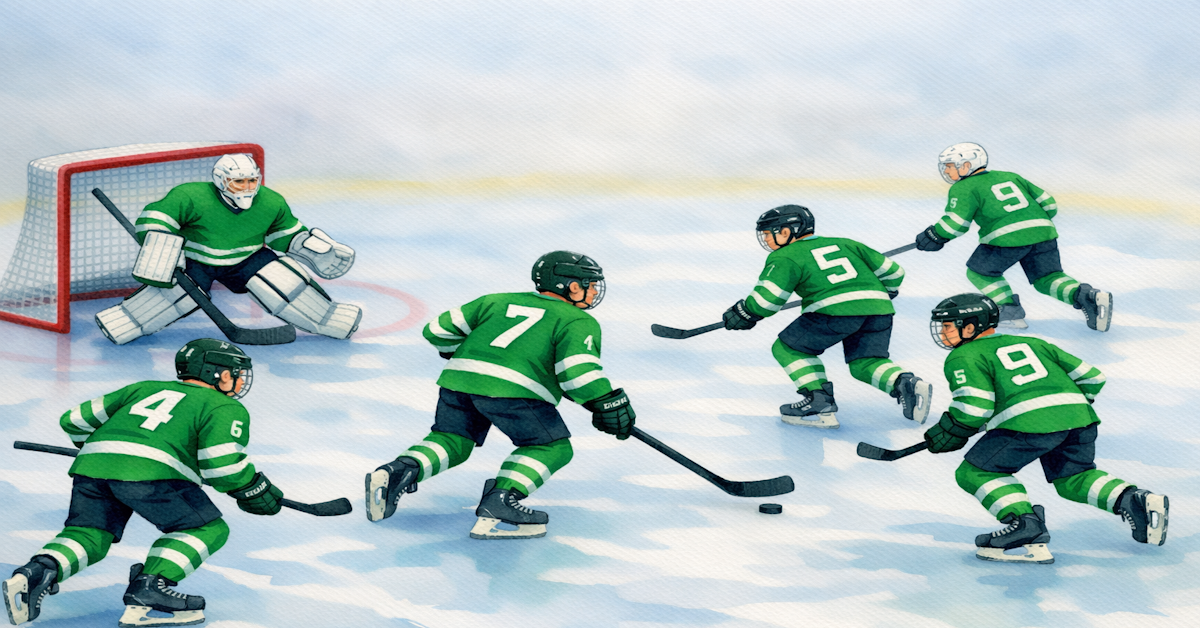
One of the biggest frustrations for youth hockey coaches, players, and parents is watching a team struggle to execute clean breakouts even after spending plenty of practice time working on them. Coaches draw the breakout on the whiteboard, players skate through the drill over and over, and everything looks smooth during practice. Then game day arrives, the opposing team applies pressure, and suddenly the breakout falls apart…
Read MoreMyth #19: “Systems create hockey sense.”
Myth #19: “Systems create hockey sense.”
Read MoreHow to Build Smarter Players in an Era of Over‑Coaching
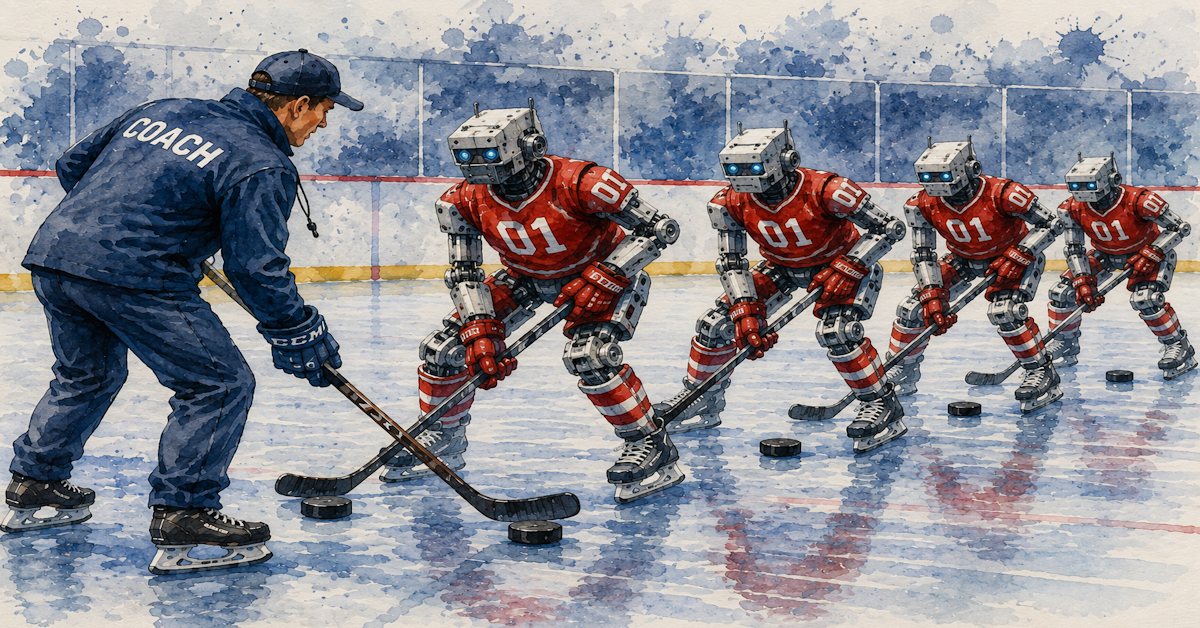
In today’s era of over coaching, helping athletes become independent decision-makers (and not making them play like robots) may be one of the most valuable skills a coach can develop…
Read MoreWhy Modern Practices Fail Adult Beginners — And How to Fix Them
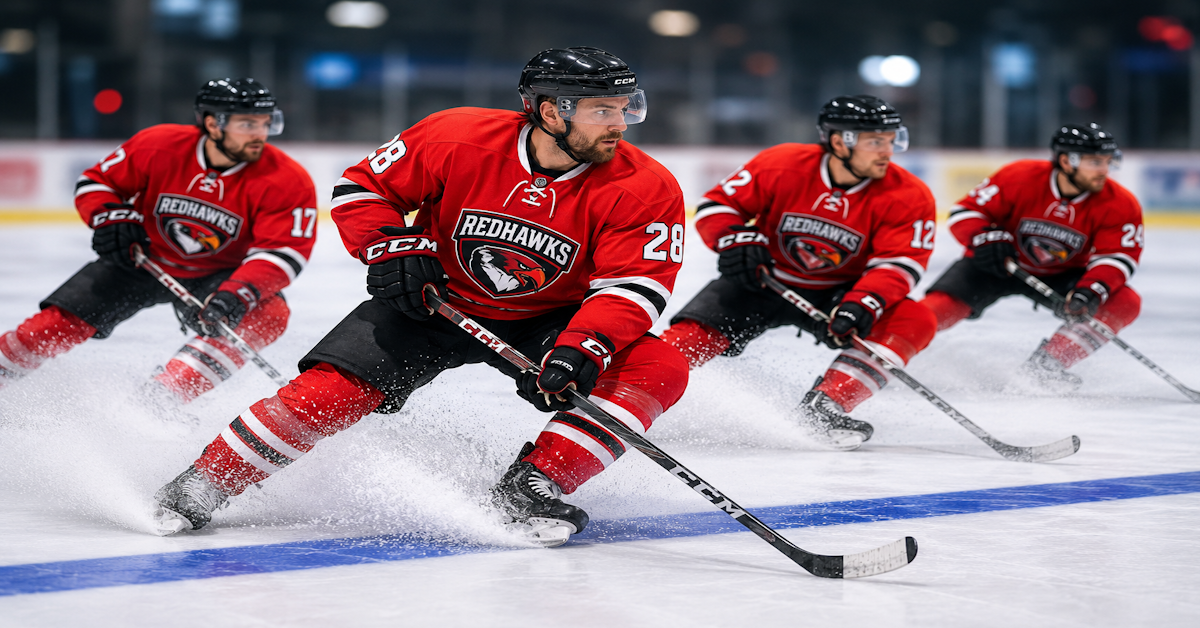
Unfortunately, many discover that modern hockey practices often move too quickly for someone who is just learning the basics. Instead of building confidence, these fast-paced sessions can leave new players frustrated, exhausted, and wondering if hockey simply is not for them. The good news is that the problem usually is not the player…
Read MoreThe Truth About Off‑Ice Training for Young Players — What Works Now
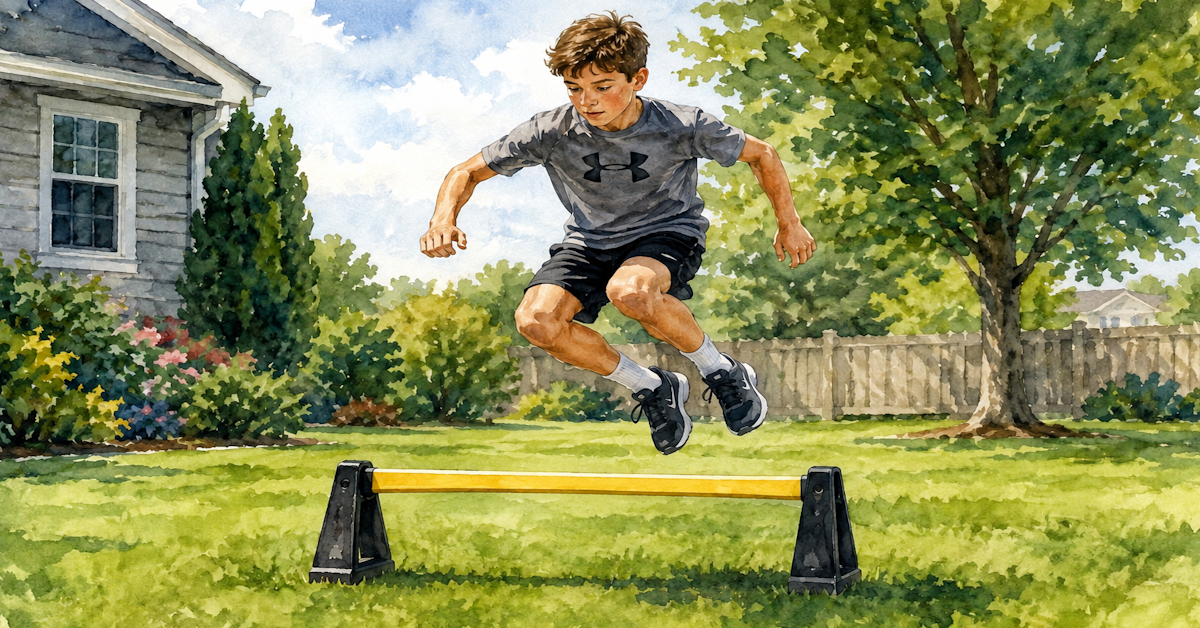
Modern off-ice training has changed a lot over the last decade, and many parents, coaches, and players are still trying to figure out what actually works. The good news is that effective hockey off-ice training is often much simpler than many people think. The goal is not to turn a young player into a professional athlete overnight.
Read MoreThe New Goalie Crisis — Why Fewer Kids Want the Position
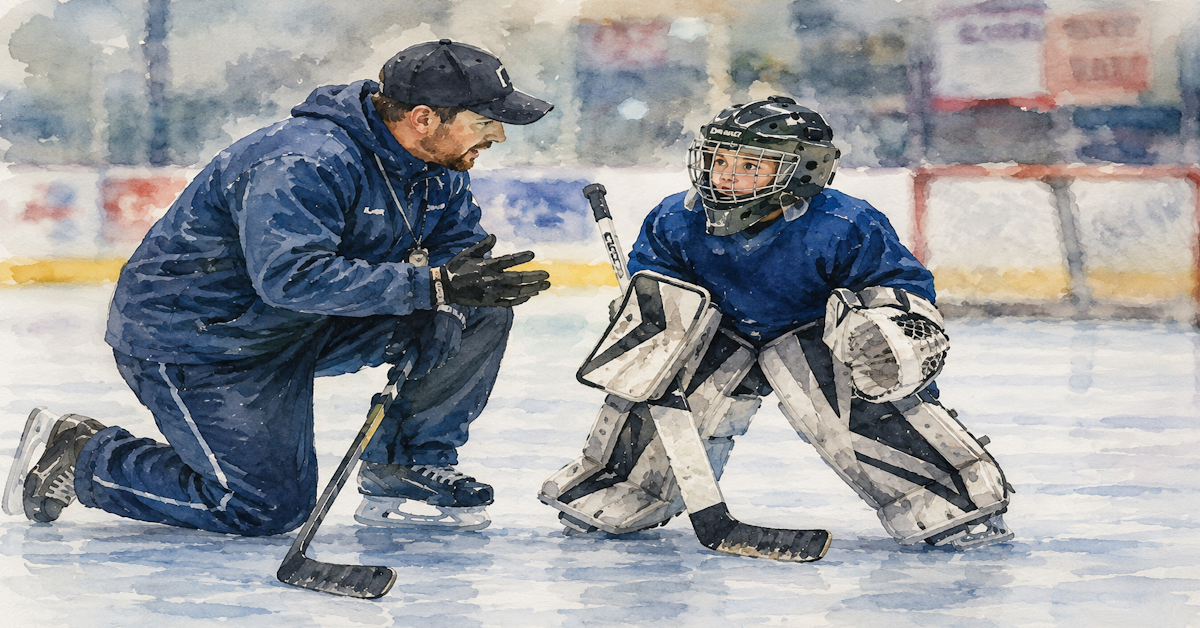
Across youth hockey, coaches, parents, and league organizers are noticing a growing problem. Fewer kids want to play goalie. In many areas, teams struggle to find a dedicated goaltender, and some organizations are forced to rotate players through the position just to get through a season. This trend has created what many people are calling a goalie crisis…
Read MoreUsing Video to Improve Your Game
Long before video became common in youth hockey, I discovered how slowing plays down, freezing frames, and studying movement could reveal things the naked eye simply can’t catch in real time.
Read MoreThe Parent–Coach Communication Reset for 2026
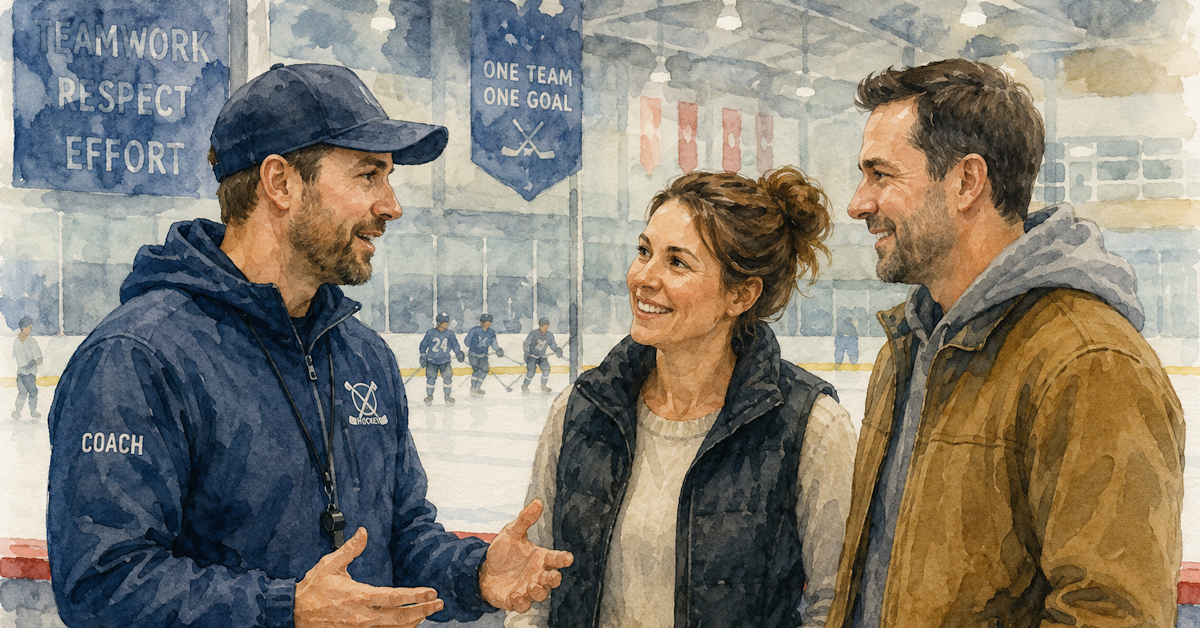
Youth hockey continues to evolve every year, but one thing remains constant: strong communication between parents and coaches can make a huge difference in a player’s development and overall experience. As we move into 2026, many hockey organizations are encouraging families and coaches to take a fresh look at how they communicate with one another. The goal is simple. Create an environment where players can focus on learning, improving, competing, and enjoying the game without unnecessary stress or conflict
Read More