Coaching Turnover: What It Means for Player Development
Few things change the direction of a hockey season faster than a coaching turnover. One year a team may have a coach who focuses heavily on skill development, puck possession, and confidence-building, while the next year a completely different coaching style suddenly appears. For hockey players, parents, and even assistant coaches, these changes can create excitement, confusion, stress, or new opportunities depending on the situation. Coaching turnover has become more common in youth hockey, travel hockey, high school hockey, and even junior hockey, and its impact on player development can be much bigger than many people realize.
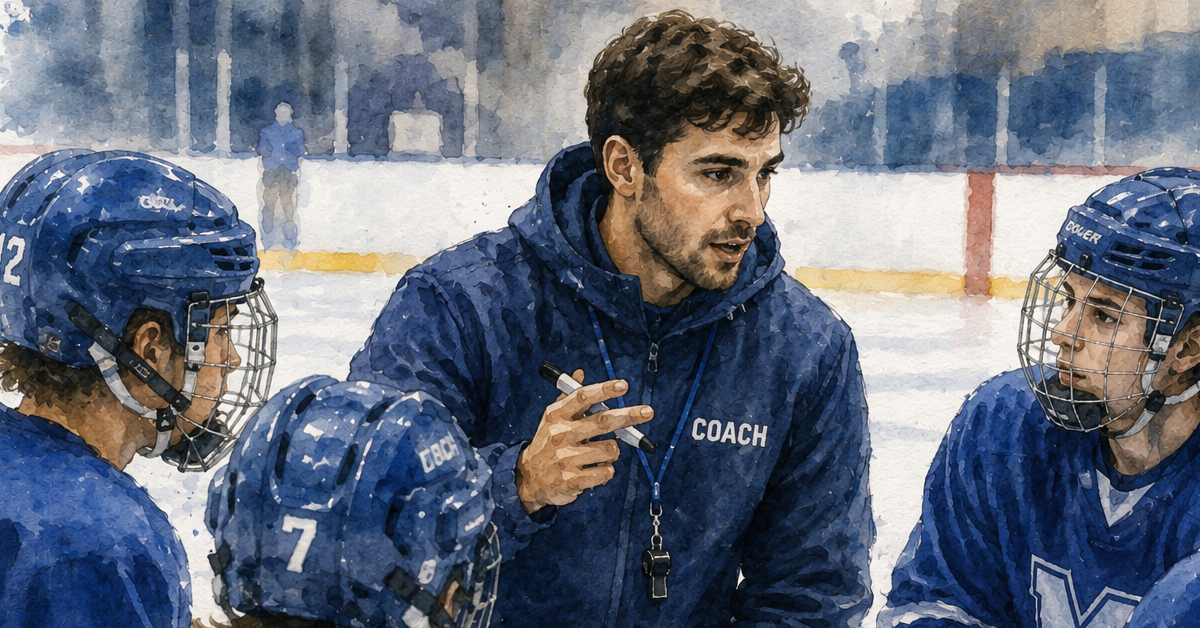
For young hockey players, consistency matters. Players develop best when they clearly understand expectations, systems, and communication styles over time. When a coaching staff changes frequently, players often have to constantly adapt to new drills, new systems, and new personalities. One coach may value aggressive forechecking, while another prefers a defensive structure. One may reward creativity, while another demands safer plays and simple puck movement. These changes can affect confidence, decision-making, and even enjoyment of the game. Some players adjust quickly, but others struggle because they are constantly trying to figure out what the new coach wants instead of simply focusing on improving their hockey skills.
That does not mean a coaching turnover is always negative. In some situations, a new hockey coach can completely transform a team culture for the better. A fresh voice can improve accountability, communication, and energy inside the locker room. Sometimes players who felt overlooked under a previous coach suddenly get an opportunity to shine. A coach who teaches modern hockey systems, edge work, puck support, and hockey IQ may help players grow faster than before. Good coaching can unlock confidence in a young defenseman, improve a forward’s understanding of positioning, or help a goalie settle mentally during difficult games. The key issue is not simply whether a coaching change happens, but whether the new coach supports long-term player development.
One of the biggest challenges with coaching turnover is inconsistency in teaching fundamentals. Strong hockey development usually requires repetition over many seasons. Skills such as skating mechanics, gap control, passing accuracy, stick positioning, angling, and offensive awareness improve gradually through consistent instruction and reinforcement. When coaches constantly change, players may hear completely different advice every year. One coach may teach defensemen to stand up early at the blue line, while another tells them to back in and protect the middle. A young player can become confused and hesitant if every season introduces conflicting ideas. This is especially difficult for younger athletes who are still building confidence in their game.
Parents often feel the effects of coaching turnover too. Families invest significant time, money, and emotion into youth hockey. New coaching staffs can change ice time distribution, communication styles, expectations, and team culture almost overnight. Some parents become frustrated if development takes a back seat to winning. Others worry when coaches focus too heavily on systems instead of allowing players to build creativity and hockey sense. At the same time, strong coaches can bring structure, positivity, and organization that helps both players and families enjoy the experience more. The best coaches understand that hockey development includes both skill growth and emotional growth. Players need to feel challenged, but they also need support and trust.
For high school hockey players, learning how to adapt to different coaching styles is actually an important part of long-term athletic development. At higher levels of hockey, players constantly encounter new systems, teammates, and expectations. Junior hockey, college hockey, and professional hockey all require adaptability. Players who learn how to stay coachable during periods of transition often become mentally stronger and more mature. They learn to communicate better, listen carefully, and adjust their game without losing confidence. These are valuable life skills that extend far beyond hockey.
Communication becomes extremely important during coaching changes. Players benefit when coaches clearly explain systems, expectations, and roles early in the season. Honest communication builds trust and reduces uncertainty. Coaches who take time to explain why certain systems are being used often gain better player buy-in. This is especially true for teenage athletes, who want to feel respected and included in the process. When communication is poor, players often start guessing, overthinking, or losing confidence. A confused player usually plays slower, hesitates more, and struggles to develop instincts.
Another important factor is patience. Player development is rarely perfectly smooth, even with great coaching. Some athletes improve quickly while others develop later physically or mentally. Coaching turnover can sometimes interrupt progress temporarily, but it can also expose players to new ideas and teaching methods that eventually help them become more complete hockey players. Smart athletes focus on controllable habits such as effort, skating, conditioning, puck battles, and attitude regardless of who is behind the bench. Players who stay committed to improving every season usually continue progressing even during periods of instability.
Great hockey coaches understand that development is bigger than wins and losses. They recognize that young athletes need confidence, repetition, structure, and encouragement. They help players think the game, not just survive it. Whether a team changes coaches once in ten years or every other season, the most successful programs are usually the ones that keep player development at the center of everything they do. Strong communication, clear expectations, and a positive learning environment often matter just as much as systems or strategies.
Coaching turnover will probably always be part of hockey. Some changes improve teams immediately, while others create difficult adjustment periods. The important thing is making sure players continue learning, competing, and enjoying the game while developing both hockey skills and personal character along the way. Every coach leaves some kind of impact, and every season teaches something valuable to players willing to learn from the experience.
If you have seen coaching changes affect your own hockey experience, feel free to share your thoughts, observations, or lessons in the Comments to help keep the conversation growing.
