FREE TOOLS AND TIPS
The Real Reason Breakaway Attempts Fail — And How to Fix Them
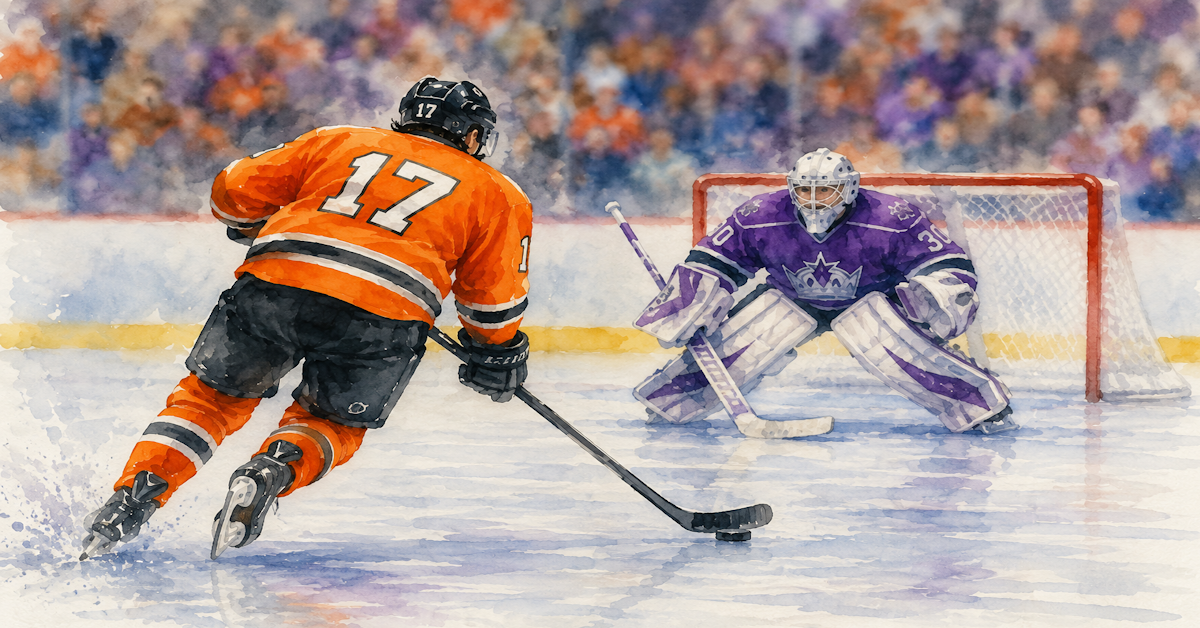
One of the biggest mistakes players make on a breakaway is deciding what move they are going to use long before they reach the goalie. They convince themselves they are going to deke, shoot high glove side, or fake a backhand move no matter what the goalie does. Hockey does not work that way…
Read MoreApologies for being away

We were unexpectedly stuck without an Internet connection, and it knocked out my ability to post, update, or even check in. Not the way I like to operate, especially when I know many of you look forward to the regular flow of ideas, tips, and discussions here at CoachChic.com…
Read MoreHow to Help Young Defensemen Stop Panicking Under Forecheck Heat
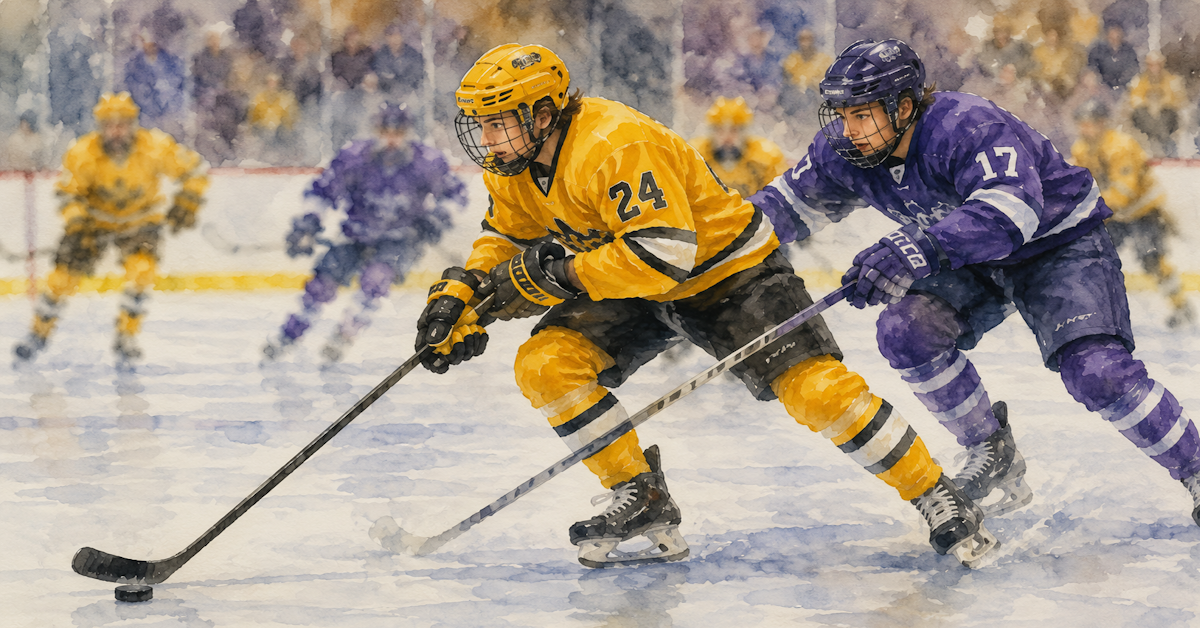
Helping young defensemen stop panicking under forecheck heat is really about building habits that become automatic. Smart scanning, strong skating, constant communication, realistic practice drills, positive coaching, and growing confidence all work together to slow the game down…
Read MoreAthleticism First
Hockey players often look for complicated ways to get better, but the truth is that real improvement usually starts with simple, foundational work…
Read MoreDrill Creation
Every coach collects drills — books, videos, binders full of them. I’ve got hundreds myself. But no drill library is ever enough, because every team is different and players’ needs change quickly. That’s why the best coaches don’t just use drills… they create them…
Read MoreBand-Dumbbell Home Leg Workout

Resistance bands, with their lightweight, flexible design and variable resistance, allow for joint-friendly, multi-plane strength training that promotes ageless strength without the drawbacks of free weights.
Read MoreMy Coach Plays Head Games
With mental toughness always being a key to solid hockey play, we’re thrilled to once again present Shawnee Harle’s monthly insights into that area. And, in this video, she addresses an obvious concern with “Negative Self-talk”!
Read MoreThe Truth About Off‑Ice Training for Young Players — What Works Now
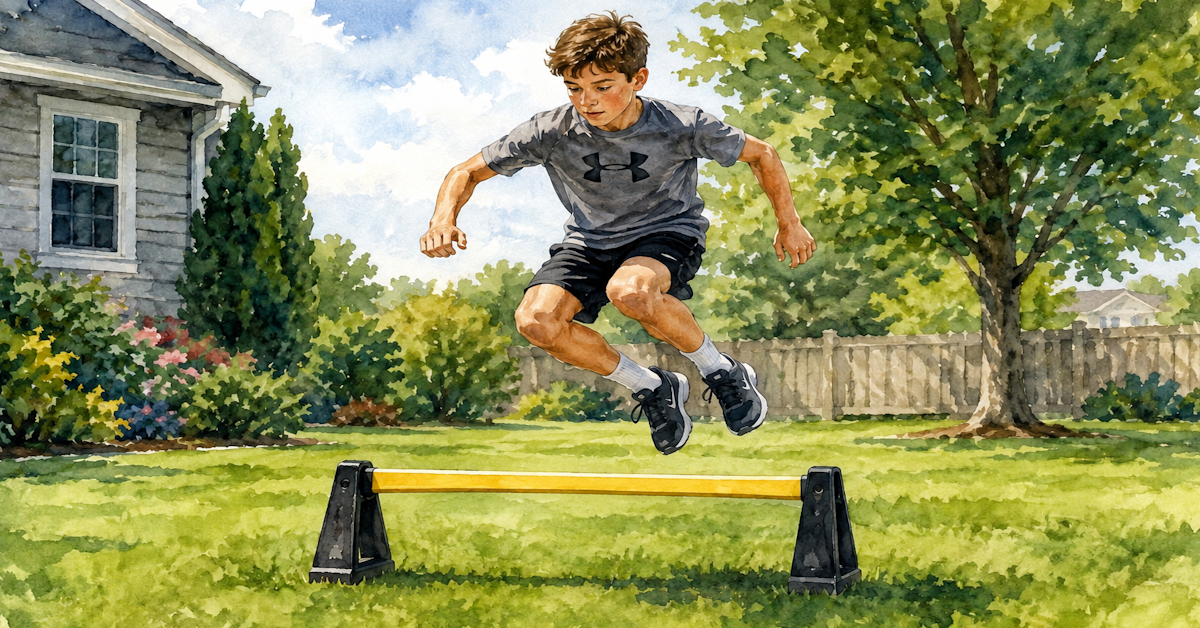
Modern off-ice training has changed a lot over the last decade, and many parents, coaches, and players are still trying to figure out what actually works. The good news is that effective hockey off-ice training is often much simpler than many people think. The goal is not to turn a young player into a professional athlete overnight.
Read MoreUsing Video to Improve Your Game
Long before video became common in youth hockey, I discovered how slowing plays down, freezing frames, and studying movement could reveal things the naked eye simply can’t catch in real time.
Read MoreThe Stick‑Length Debate: What Coaches Worldwide Are Arguing About
In this episode, we’re taking a fresh look at something every hockey player depends on but few measure correctly — stick length. Instead of guessing or using outdated height charts, we’ll explore a simple, functional method that matches the way players actually skate and handle the puck. If you’ve ever wondered whether your stick helps or hurts your game, this short lesson will give you a clearer, more reliable way to find the perfect fit.
Read More