How to Help Young Defensemen Stop Panicking Under Forecheck Heat
Every hockey coach has seen it happen. A young defenseman skates back to retrieve a loose puck, hears the sound of an opponent racing in on the forecheck, and suddenly forgets everything they practiced. Instead of making a smart play, they rush a weak pass, throw the puck blindly around the boards, or panic and turn it over right in front of their own net. It is one of the most common challenges in youth hockey, and it can be frustrating for players, coaches, and parents alike. The good news is that panic under forecheck pressure is not a permanent problem. It is a skill that can be improved with the right coaching, plenty of repetition, and growing confidence.
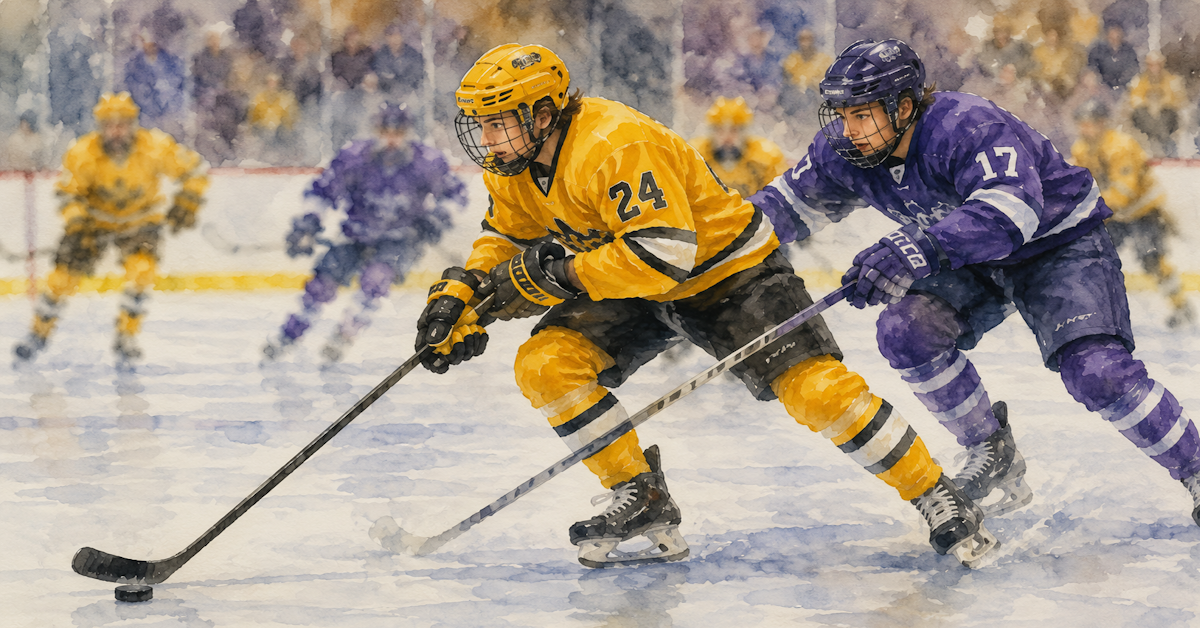
One of the biggest mistakes coaches make is assuming the young defenseman simply lacks hockey IQ. In many cases, the player already knows the correct play. They understood it perfectly during a slow practice drill. The problem begins when speed, pressure, and emotion are added to the situation. The player’s brain shifts from thinking clearly to simply trying to survive the moment. That is why many defensemen who look outstanding in practice suddenly struggle during games.
The first step in helping young defensemen stay calm is teaching them that they actually have more time than they think. Young players often hear footsteps that are not there. As soon as they know a forechecker is coming, they imagine they have only a split second before getting hit. In reality, many forecheckers are still several strides away. Coaches can help players learn to judge time more accurately by creating drills where the forechecker starts at different distances. The defenseman begins to realize that rushing every play usually creates more problems than taking one extra second to make a smart decision.
Another important habit is teaching defensemen to scan the ice before they ever touch the puck. Great players gather information early. As they skate back toward the puck, they should quickly check over both shoulders to see where teammates are moving, where the forechecker is coming from, and where open ice may exist. By the time they collect the puck, they already have a plan instead of trying to invent one while under pressure. This simple habit of scanning the ice can dramatically reduce panic because surprises become much less common.
Good skating also plays a huge role in beating forecheck pressure. Young defensemen sometimes believe they must stop immediately when they reach the puck. Instead, coaches should teach them to keep their feet moving whenever possible. A few extra strides behind the net or a quick escape turn can completely change the angle of the forechecker. Smooth skating creates options. Standing still usually invites trouble.
Communication is another powerful tool that often gets overlooked. Defense partners and centermen should constantly talk during breakouts. A simple call of “time,” “wheel,” “reverse,” or “boards” can instantly calm a nervous defenseman. Young players often become so focused on the forechecker that they stop listening altogether. Coaches should build communication into every practice drill until talking becomes automatic. Hockey is much easier when five players solve problems together instead of one player trying to do everything alone.
Practice design also matters. Many youth practices spend too much time on perfect passing drills with no pressure at all. Those drills certainly have value, but they do not prepare players for the speed of a real game. Coaches should gradually introduce controlled forechecking pressure during breakout drills. Start slowly, allowing the defenseman time to succeed. Then increase the speed as confidence grows. Players learn best when they experience success before facing greater challenges.
Mistakes should also be viewed as learning opportunities instead of disasters. If every turnover brings yelling from the bench, young defensemen become even more afraid of making mistakes. Fear creates hesitation, and hesitation often leads to more turnovers. Smart coaches correct mistakes calmly, explain better options, and then give players another chance to execute the same play. Confidence grows when players know they are allowed to learn.
Parents can help, too. After games, it is tempting to point out every turnover or poor decision. Instead, ask questions that encourage learning. Ask what the player saw on a certain play or whether they noticed another passing option. This approach develops hockey thinking rather than increasing anxiety. Young players usually know when they made a mistake. They need encouragement to keep improving, not reminders of every error.
Video can also become an excellent teaching tool. Watching short clips allows defensemen to see that many rushed decisions happened because they panicked rather than because the forechecker actually reached them. They also begin noticing successful moments where staying calm created an easy breakout. These positive examples build confidence much faster than criticism alone.
It is equally important to remind young defensemen that even elite NHL players occasionally lose battles under heavy forecheck pressure. The difference is that experienced players trust their training and quickly recover from mistakes instead of carrying them into the next shift. Developing that same mindset takes time. Every difficult retrieval is another opportunity to build confidence, improve decision-making, and strengthen composure.
Helping young defensemen stop panicking under forecheck heat is really about building habits that become automatic. Smart scanning, strong skating, constant communication, realistic practice drills, positive coaching, and growing confidence all work together to slow the game down. As these habits improve, players begin making cleaner breakouts, reducing turnovers, and controlling the pace of play instead of reacting with panic. Over time, those nervous young defensemen often become the calm, dependable players every coach wants on the ice during the biggest moments of the game.
Have you coached or watched a young defenseman learn to stay calm under forecheck pressure? Share your experiences, favorite coaching tips, or lessons you’ve learned in the Comments below. Your ideas may help another player or coach gain the confidence they need to succeed.
