The Truth About Off‑Ice Training for Young Players — What Works Now
When people think about hockey development, they usually picture players skating hard, shooting pucks, and competing in games. While ice time is still important, the truth is that some of the biggest improvements in a young hockey player’s performance happen away from the rink. Modern off-ice training has changed a lot over the last decade, and many parents, coaches, and players are still trying to figure out what actually works. The good news is that effective hockey off-ice training is often much simpler than many people think. The goal is not to turn a young player into a professional athlete overnight. The goal is to help players move better, become stronger, reduce injury risk, and develop skills that transfer directly to hockey.
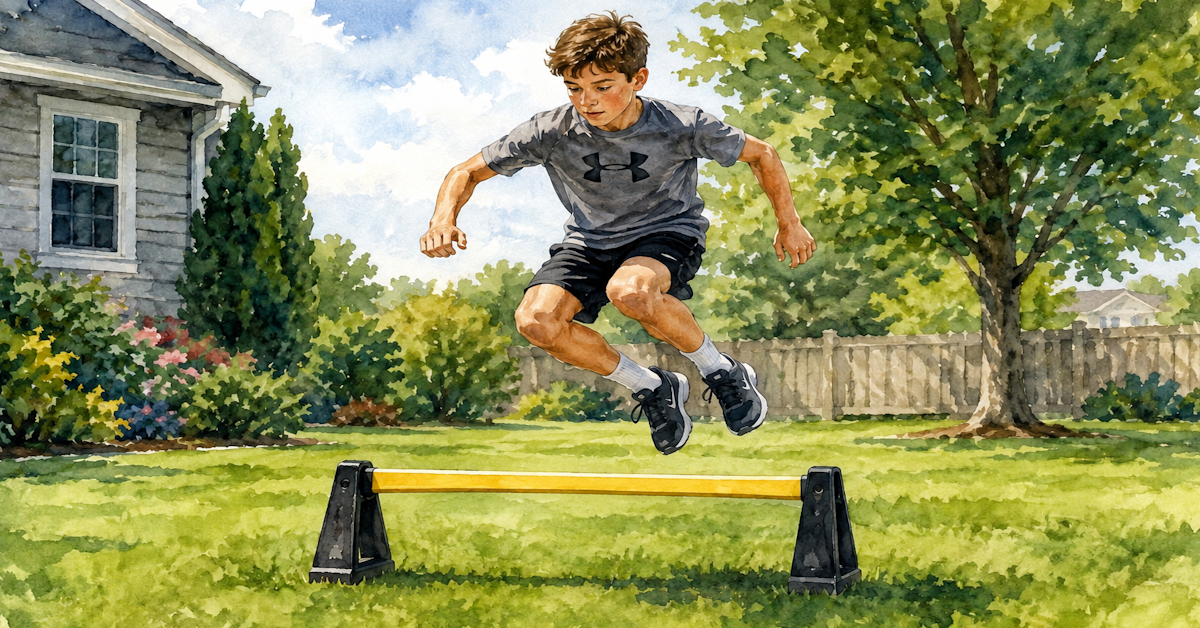
One of the biggest mistakes in youth hockey training is focusing too much on complicated workouts. Many young players spend time doing exercises they saw on social media without understanding why they are doing them. The best off-ice hockey training programs today focus on movement quality first. Young athletes need to learn how to run, jump, land, balance, change direction, and control their bodies efficiently. These basic athletic skills form the foundation for better skating, stronger puck battles, and improved overall performance on the ice.
Speed and agility training continue to be some of the most valuable parts of hockey dryland training. Hockey is a game of quick bursts, explosive starts, and rapid direction changes. Young players benefit greatly from short sprint drills, acceleration work, shuttle runs, and reaction exercises. These activities help develop fast-twitch muscle fibers and improve athleticism. The key is keeping the drills short and intense rather than turning every workout into a long conditioning session. Quality matters more than quantity when developing hockey speed.
Strength training has also become an important part of hockey player development, but it looks different for younger athletes than it does for adults. Today’s best youth hockey strength programs emphasize bodyweight exercises, proper technique, and gradual progression. Pushups, squats, lunges, planks, pullups, and other basic movements can build tremendous strength when performed correctly. Young players do not need to chase heavy weights to see results. Learning proper movement patterns during childhood and adolescence creates a foundation that can support more advanced training later in their hockey journey.
Another area that has gained attention is balance and coordination training. Hockey players spend the game on a thin blade while reacting to opponents, teammates, and the puck. Off-ice exercises that challenge balance and body control can help improve stability on the ice. Single-leg exercises, hopping drills, balance challenges, and coordination games all contribute to better athletic development. For younger players especially, making these activities fun can increase participation and long-term improvement.
Mobility training is another often-overlooked part of hockey conditioning. Tight hips, limited ankle mobility, and poor posture can negatively affect skating mechanics. Modern hockey development programs frequently include mobility exercises that help players move through a greater range of motion. Dynamic stretching, hip mobility drills, and simple movement routines can improve skating stride efficiency and help reduce the risk of injury. Mobility work does not need to take a long time. Even ten minutes a few times per week can make a noticeable difference over the course of a season.
One of the most effective off-ice hockey training tools remains surprisingly simple: stickhandling practice. Players can develop puck control skills almost anywhere with a stick, a ball, and a small practice area. Consistent stickhandling training helps improve hand speed, puck feel, coordination, and confidence. Young players who spend just a few minutes each day working on puck control often see significant improvements during games. The best results usually come from practicing while keeping the head up rather than constantly looking down at the ball or puck. This helps develop the scanning habits that are so important in today’s fast-paced hockey environment.
Reaction training has also become increasingly popular because hockey is a game of decisions. Players rarely perform skills in isolation. They must read situations, react quickly, and make choices under pressure. Simple reaction drills using visual cues, partner challenges, or random commands can help develop hockey IQ and processing speed. While these exercises may seem basic, they can improve a player’s ability to recognize opportunities and react more effectively during competition.
Parents should also understand that recovery is part of training. Many young athletes play hockey year-round while participating in other sports and activities. Without adequate rest, performance can suffer and injury risk can increase. Proper sleep, hydration, nutrition, and recovery habits are critical components of long-term hockey development. Sometimes the best thing a young athlete can do is take a day off and allow the body to recover.
For coaches, one of the most important lessons from modern sports science is that young players do not all develop at the same rate. Some players grow earlier, gain strength faster, or appear more athletic at younger ages. Effective off-ice hockey programs focus on individual improvement rather than comparing athletes against one another. Building confidence, consistency, and healthy training habits often produces better long-term results than chasing short-term performance gains.
The truth about off-ice training for young hockey players is that what works now is not necessarily flashy or complicated. The most successful programs focus on athletic development, speed, strength, balance, mobility, stickhandling, decision-making, and recovery. These fundamentals help players become better athletes and better hockey players. Whether a player dreams of making a varsity team, competing at a higher level, or simply enjoying the game more, smart off-ice training can make a meaningful difference. The key is staying consistent, keeping workouts age-appropriate, and focusing on skills that truly transfer to the ice.
If you have your own experiences with youth hockey training, feel free to share your observations in the Comments and help keep the conversation growing for players, parents, and coaches alike.
