Mental Training
How to Help Young Defensemen Stop Panicking Under Forecheck Heat
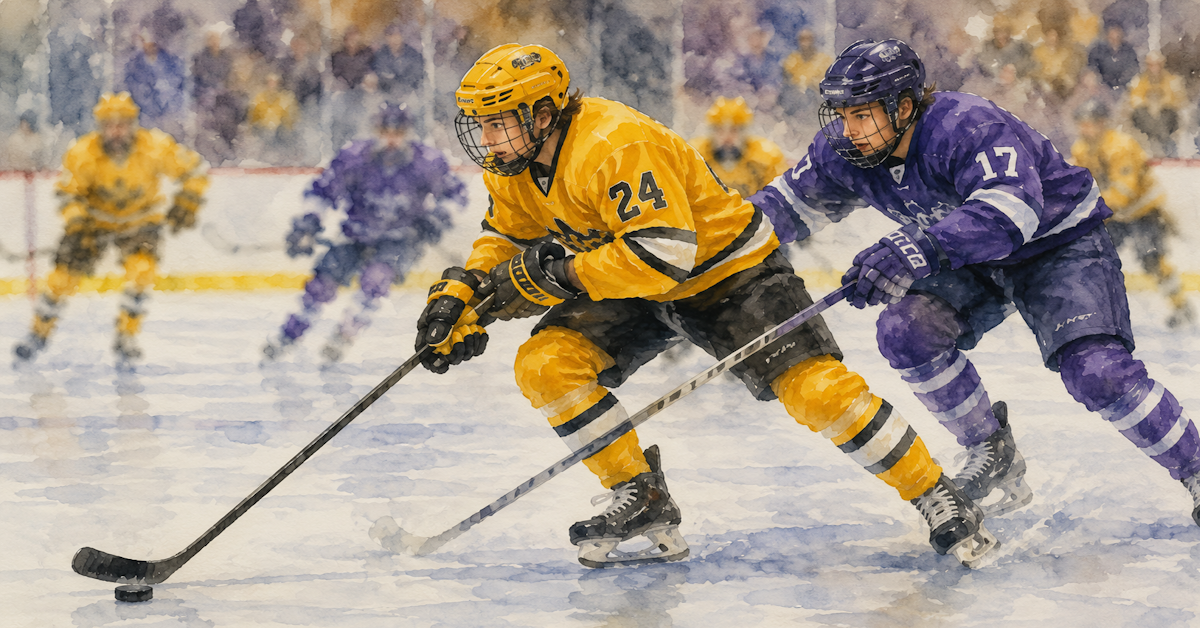
Helping young defensemen stop panicking under forecheck heat is really about building habits that become automatic. Smart scanning, strong skating, constant communication, realistic practice drills, positive coaching, and growing confidence all work together to slow the game down…
Read MoreHow to Build Hockey IQ in Players Who Don’t Watch Games
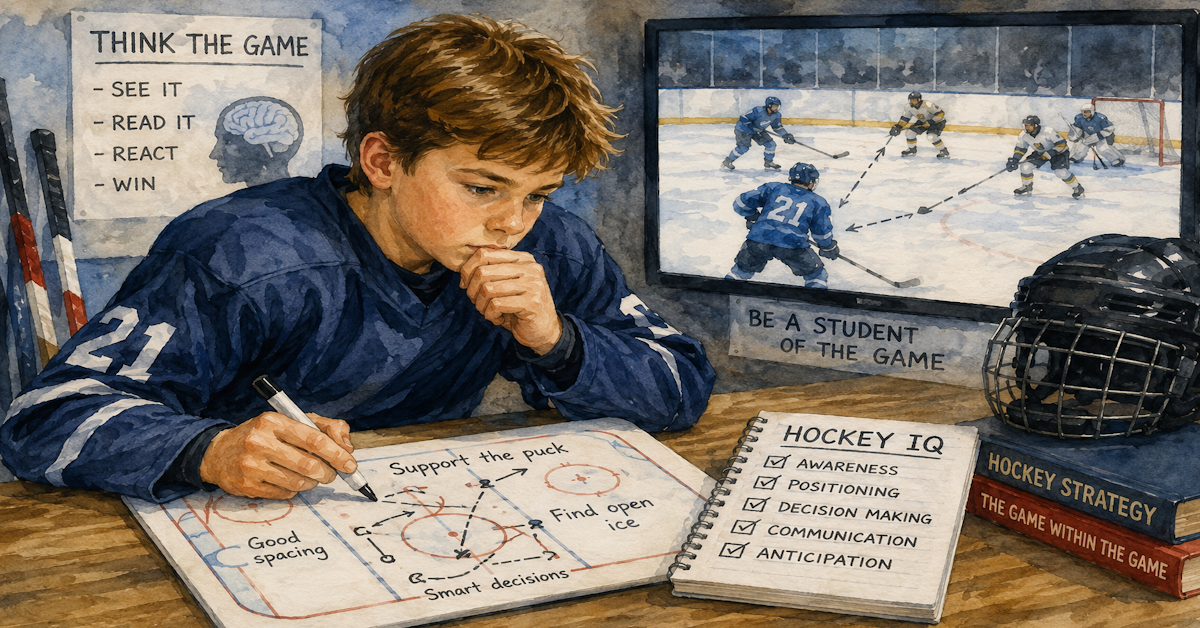
Hockey IQ is much more than having quick hands or fast skating. It is the ability to read the play, anticipate what will happen next, make smart decisions under pressure, and consistently be in the right place at the right time…
Read MoreMy Coach Plays Head Games

With mental toughness always being a key to solid hockey play, we’re thrilled to once again present Shawnee Harle’s monthly insights into that area. And, in this video, she addresses an obvious concern with “Negative Self-talk”!
Read MoreHow to Build Smarter Players in an Era of Over‑Coaching
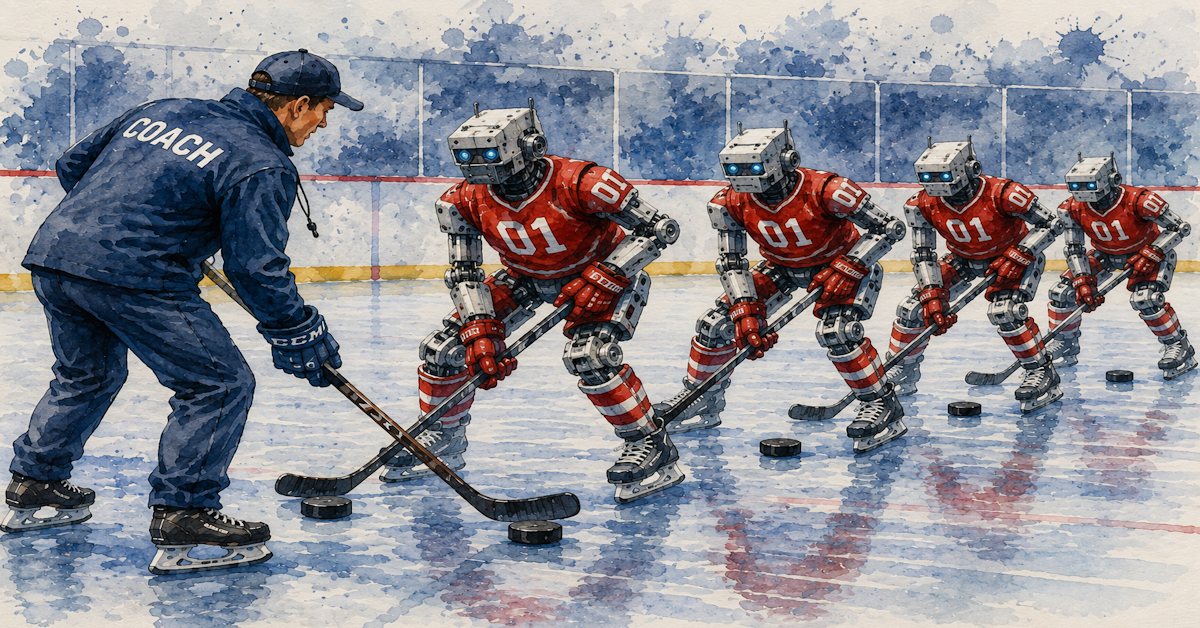
In today’s era of over coaching, helping athletes become independent decision-makers (and not making them play like robots) may be one of the most valuable skills a coach can develop…
Read MoreThe Parent–Coach Communication Reset for 2026
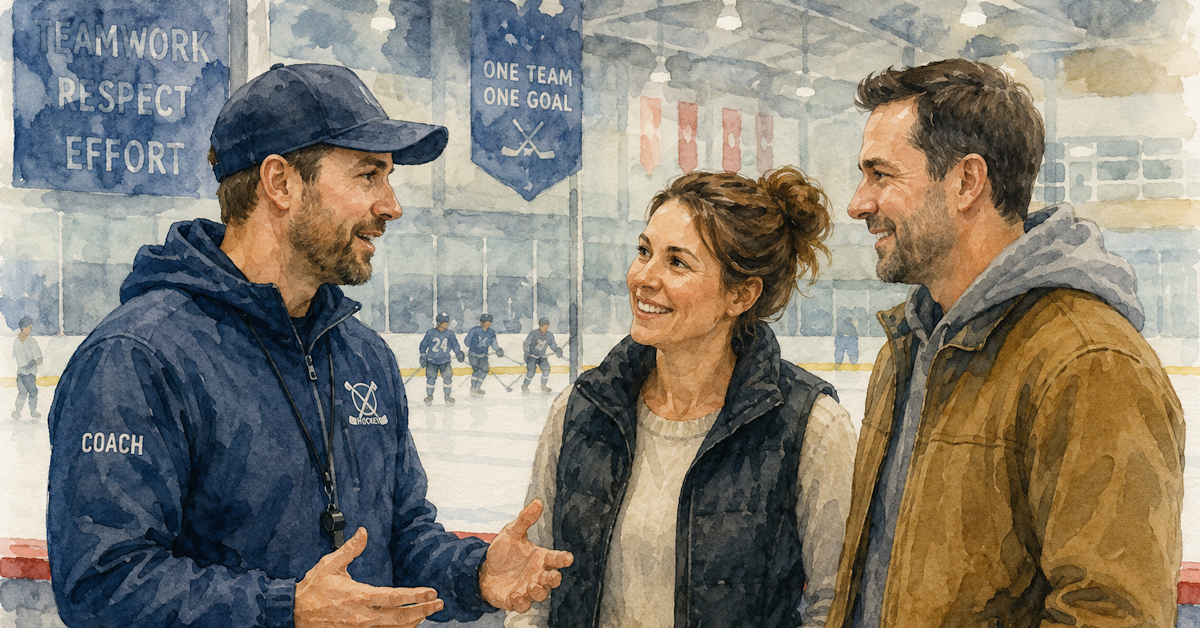
Youth hockey continues to evolve every year, but one thing remains constant: strong communication between parents and coaches can make a huge difference in a player’s development and overall experience. As we move into 2026, many hockey organizations are encouraging families and coaches to take a fresh look at how they communicate with one another. The goal is simple. Create an environment where players can focus on learning, improving, competing, and enjoying the game without unnecessary stress or conflict
Read MoreBlock Out the Tone
With mental toughness always being a key to solid hockey play, we’re thrilled to once again present Shawnee Harle’s monthly insights into that area. And, in this video, she addresses an obvious concern with “Negative Self-talk”!
Read MoreHow to Build a Development‑First Mindset in a Results‑Driven Hockey Culture
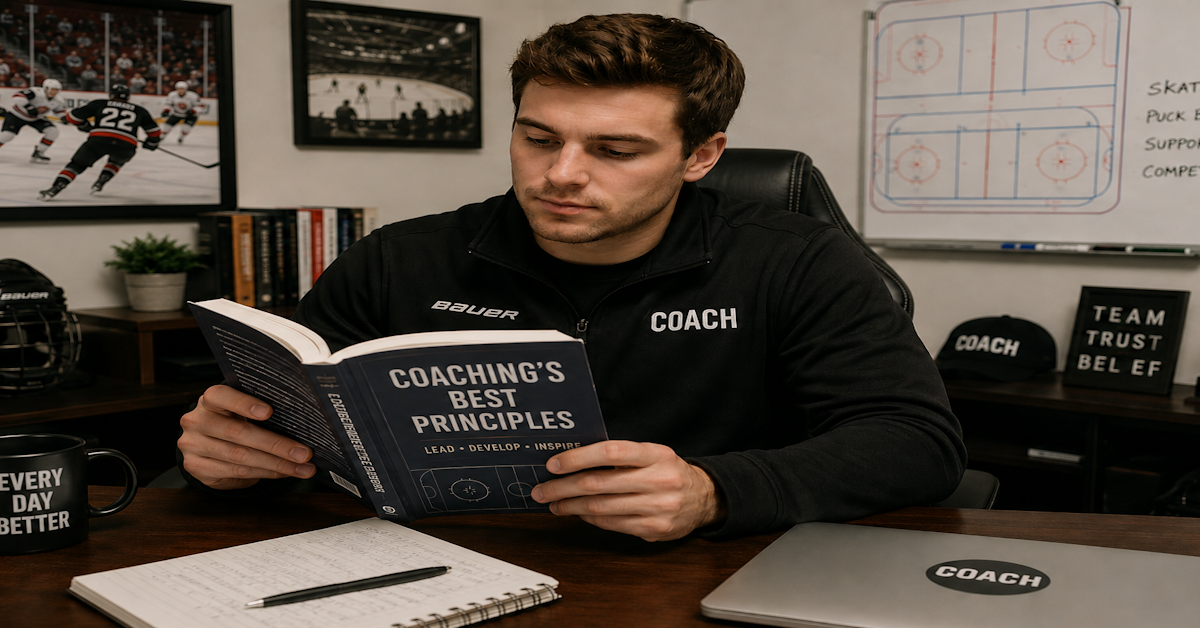
In today’s hockey world, it can feel like everything revolves around results. Players are judged by goals, points, rankings, and team records almost everywhere they go. Parents sometimes compare ice time, coaches feel pressure to win tournaments, and young hockey players can start believing that success only comes from being the top scorer or making the elite team right away. The problem is that hockey development rarely works in a straight line. Some players grow early, some develop confidence later, and many successful athletes spend years quietly improving before anyone notices.
Read MoreThe Tryout Trap — How to Stay Sane During Team Selection Season
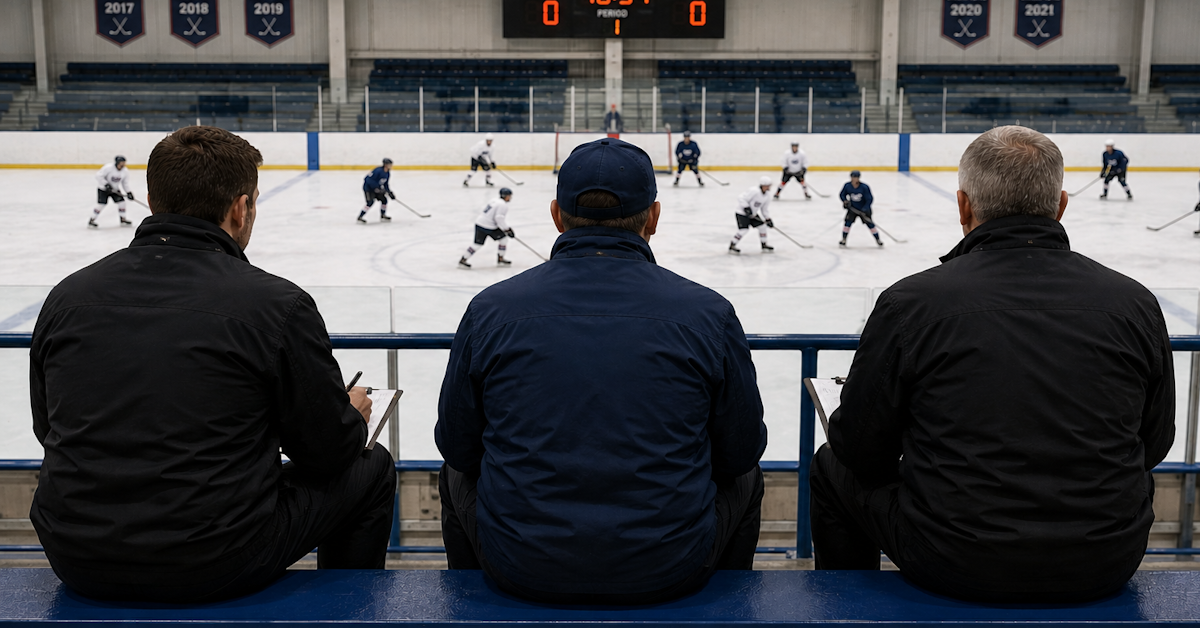
Every hockey season brings excitement, fresh goals, and new opportunities, but there is one part of the year that can create huge stress for players, parents, and coaches alike: hockey tryouts. Team selection season can feel like a pressure cooker. Players worry about making the top team, parents anxiously watch every drill from the stands, and coaches try to evaluate dozens of athletes fairly in only a few ice sessions. The truth is that hockey tryouts are emotional for almost everyone involved.
Read MoreThe AAA Mirage — Why Higher Level Doesn’t Always Mean Better Development
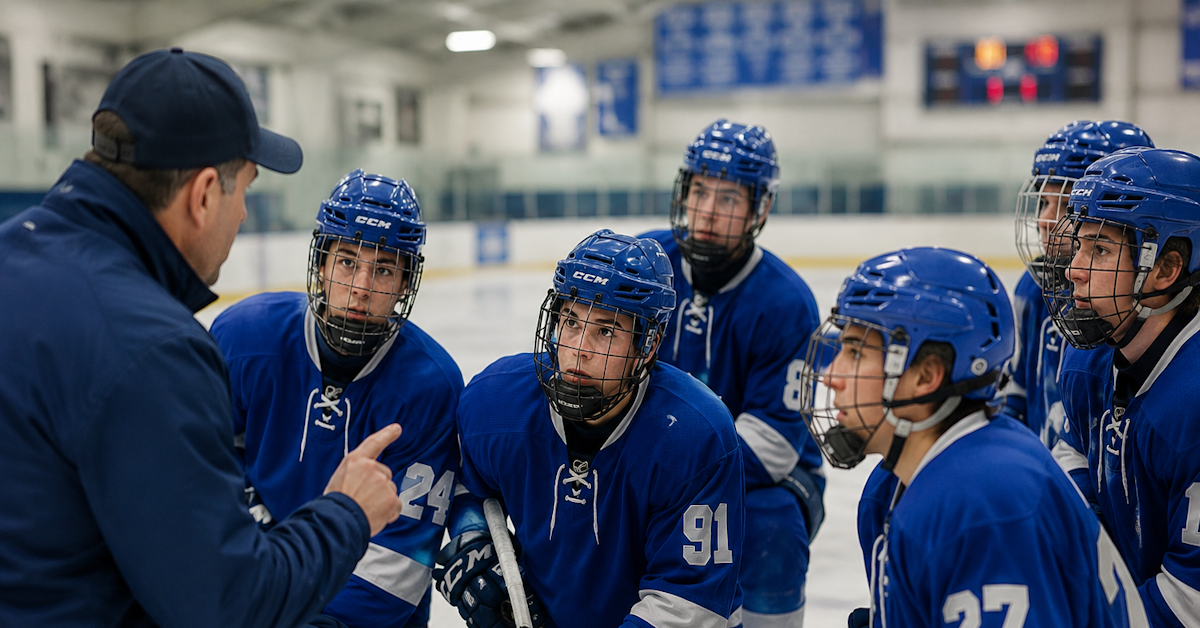
For many families, making a AAA team feels like the ultimate goal. It is often viewed as proof that a player is elite, serious about the game, and on the right path toward junior hockey, college hockey, or even beyond. Because of this reputation, many players and parents automatically assume that a higher level always means better development.
Read MoreThe Real Reason Parents & Coaches Clash — And How to Fix It
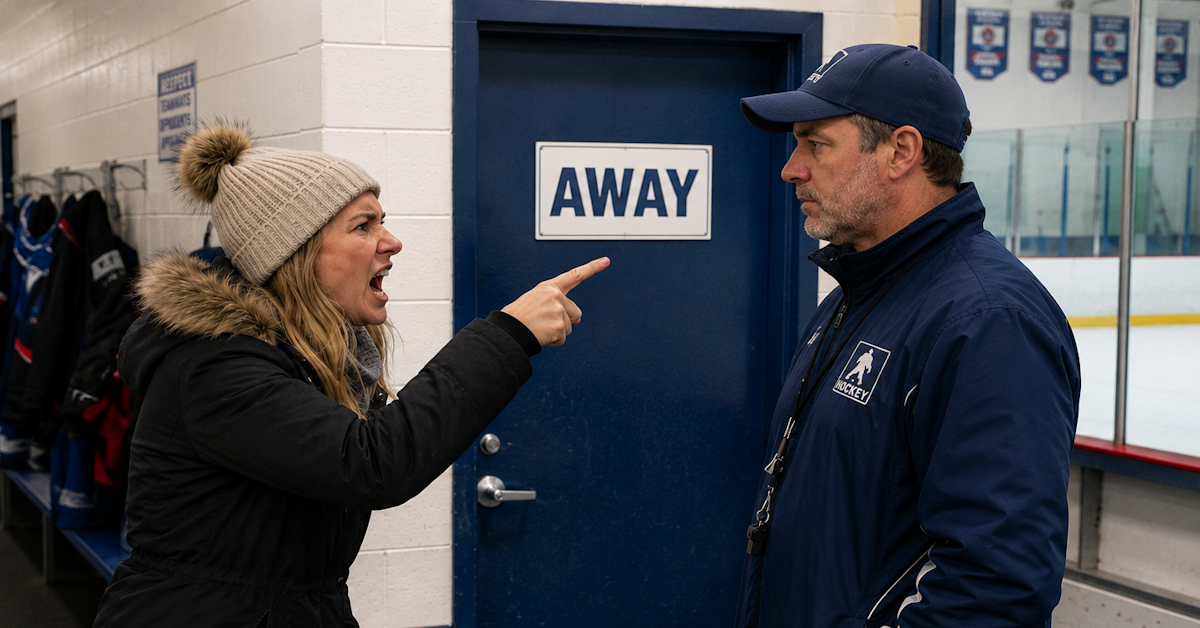
One of the biggest challenges in youth hockey is not always what happens on the ice. Sometimes the hardest part of the game happens behind the bench, in the stands, or in the parking lot after practice. Parents and coaches often want the same thing — helping young players grow, improve, and enjoy hockey — but even with good intentions, conflict can develop surprisingly quickly. Miscommunication, unrealistic expectations, and emotional reactions can turn small disagreements into ongoing tension.
Read More