Respect in Sport, Certifications & League Rules — What Parents Need to Know
If you are a hockey parent, it can sometimes feel like there is a new form, certification, or league requirement waiting around every corner. Between registering for teams, arranging transportation, buying equipment, and supporting your young player, it is easy to overlook important requirements such as Respect in Sport training, coaching certifications, and league rules. However, these programs and regulations play an important role in creating a safe, positive, and enjoyable hockey environment for everyone involved. Understanding what they are and why they matter can help parents avoid surprises and better support their child’s hockey experience.
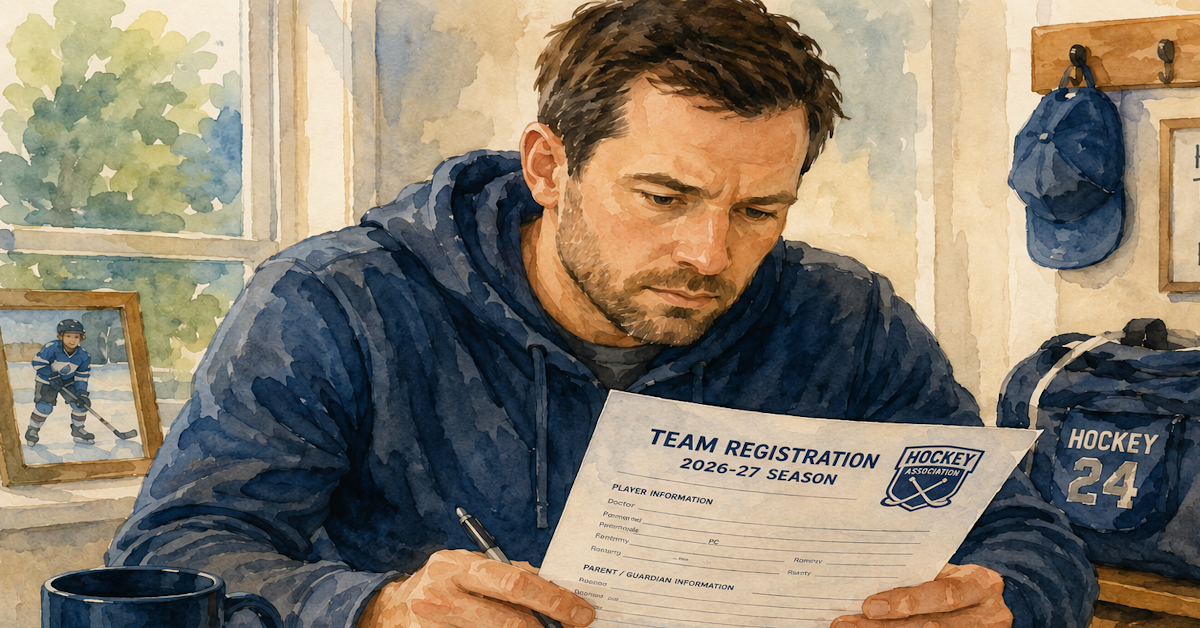
One of the most common requirements that hockey parents encounter is Respect in Sport certification. Many hockey organizations require at least one parent or guardian per family to complete this online training before a player can participate. The goal of Respect in Sport is not to create extra work for families. Instead, it is designed to educate parents about creating safe sports environments, recognizing inappropriate behavior, preventing abuse, promoting respect, and supporting positive athlete development. The training often includes real-life scenarios that help parents understand how their actions, words, and decisions can influence young athletes, coaches, officials, and other families involved in youth hockey.
Parents sometimes wonder why leagues place so much emphasis on these educational programs. The reason is simple. Youth hockey involves players, coaches, officials, volunteers, and spectators interacting in competitive situations. Emotions can run high during games and tournaments. By encouraging everyone to follow the same standards of conduct, hockey organizations can reduce conflicts and help create a more enjoyable atmosphere for players. Young athletes perform best when they feel supported, respected, and safe both on and off the ice.
In addition to parent education programs, coaches are often required to complete various certifications before they can work with players. Depending on the age level and league, coaches may need training in player safety, concussion awareness, age-appropriate skill development, first aid, background screening, and coaching techniques. While parents do not usually need to complete these certifications themselves, understanding that coaches invest significant time into training can help build trust and appreciation. These requirements are intended to ensure that coaches are prepared to teach hockey skills while also protecting player well-being.
League rules are another area that can sometimes confuse new hockey families. Every hockey organization has its own policies regarding player eligibility, roster limits, game conduct, suspensions, tournament participation, and equipment requirements. Even experienced hockey parents may discover that rules differ from one league, association, or governing body to another. Taking a few minutes to review your league’s handbook at the beginning of the season can prevent misunderstandings later. Many disputes in youth hockey occur simply because families were unaware of a specific rule or expectation.
Equipment regulations are particularly important for parents to understand. Hockey organizations establish equipment standards to improve player safety and reduce the risk of injury. Certified helmets, properly fitted shoulder pads, neck protection where required, mouthguards in some leagues, and approved protective gear all contribute to safer participation. Parents should regularly inspect equipment for wear and damage throughout the season. A helmet that fit properly last year may no longer fit correctly after a growth spurt, and damaged equipment should be replaced promptly.
Another area where league rules frequently apply is player and spectator behavior. Many hockey organizations now enforce strict codes of conduct that apply not only to players and coaches but also to parents. Abusive language toward officials, confrontations with opposing teams, inappropriate social media activity, and disruptive behavior in the stands may result in warnings, suspensions, or other disciplinary actions. While these policies may seem strict, they are designed to protect the experience of young athletes and maintain a positive hockey culture.
Parents should also become familiar with concussion protocols and injury reporting procedures. Modern hockey places significant emphasis on player safety, and leagues often require immediate removal from participation if a concussion is suspected. Return-to-play guidelines usually involve medical evaluation and a gradual progression back to full activity. Understanding these procedures ahead of time can help families respond appropriately if an injury occurs during practices or games.
Communication is another key part of successfully navigating certifications and league requirements. Most hockey associations provide information through websites, email updates, team managers, and parent meetings. Checking communications regularly can help ensure that certification deadlines, registration requirements, tournament information, and rule changes are not missed. Waiting until the last minute can create unnecessary stress and sometimes even affect a player’s eligibility to participate.
For parents who are new to youth hockey, the number of requirements may initially seem overwhelming. The good news is that most leagues have volunteers, administrators, and experienced families who are willing to answer questions and help newcomers understand the process. Asking for clarification early is often much easier than trying to resolve an issue after a deadline has passed.
At its core, youth hockey is about helping players develop skills, build friendships, learn teamwork, and enjoy the game. Respect in Sport training, coaching certifications, player safety programs, and league rules all support those goals. While paperwork and online courses may not be the most exciting part of hockey, they help create an environment where athletes can focus on learning, competing, and having fun. Parents who understand these requirements are better equipped to support both their child and the broader hockey community throughout the season.
If you have experience with Respect in Sport training, league certifications, or youth hockey rules, consider sharing your thoughts, tips, or observations in the Comments below. Your experiences may help other hockey parents better understand the process and keep the conversation growing.
