Shooting and Scoring
The Real Reason Breakaway Attempts Fail — And How to Fix Them
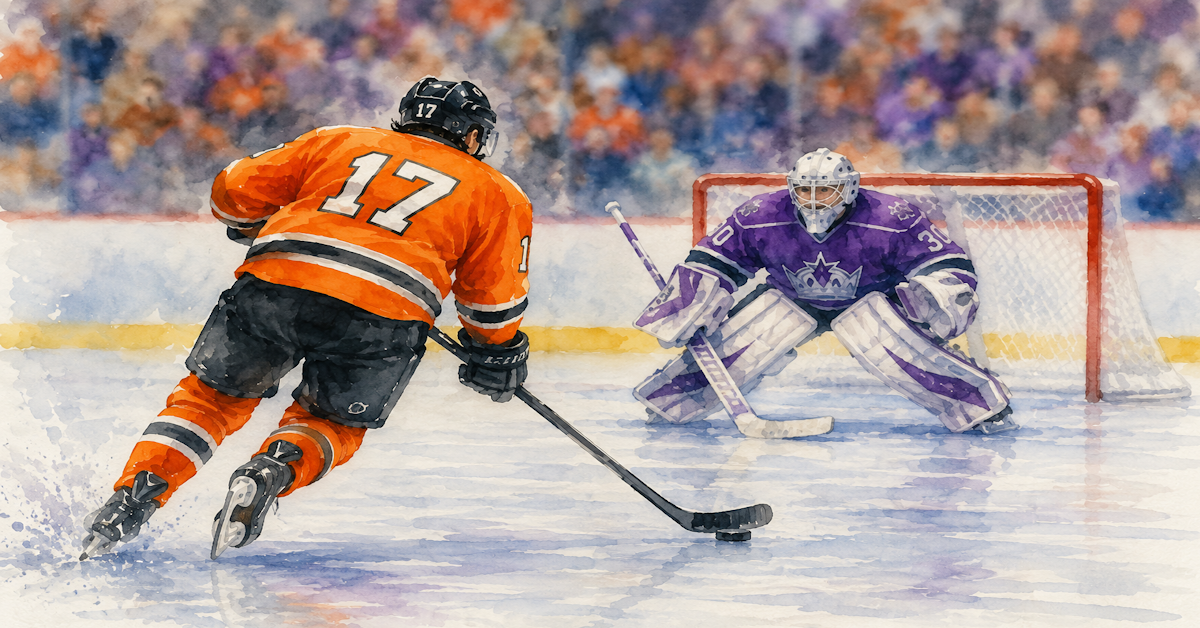
One of the biggest mistakes players make on a breakaway is deciding what move they are going to use long before they reach the goalie. They convince themselves they are going to deke, shoot high glove side, or fake a backhand move no matter what the goalie does. Hockey does not work that way…
Read MoreHow to Build Hockey IQ in Players Who Don’t Watch Games
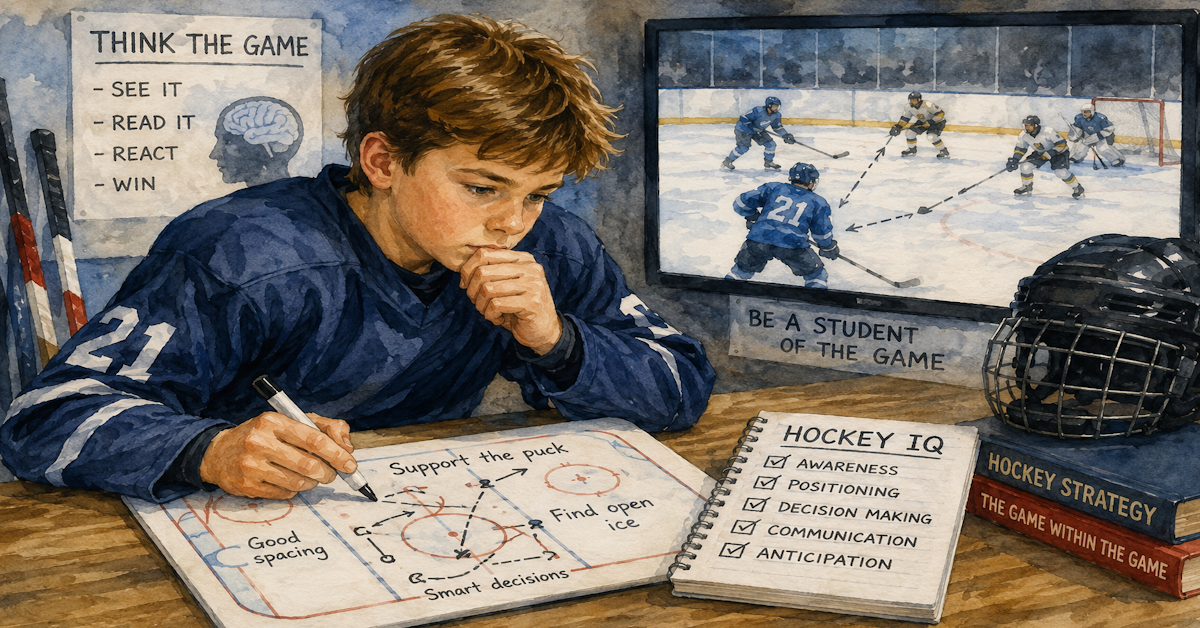
Hockey IQ is much more than having quick hands or fast skating. It is the ability to read the play, anticipate what will happen next, make smart decisions under pressure, and consistently be in the right place at the right time…
Read MoreThe Truth About Shooting Mechanics: What Actually Improves Accuracy
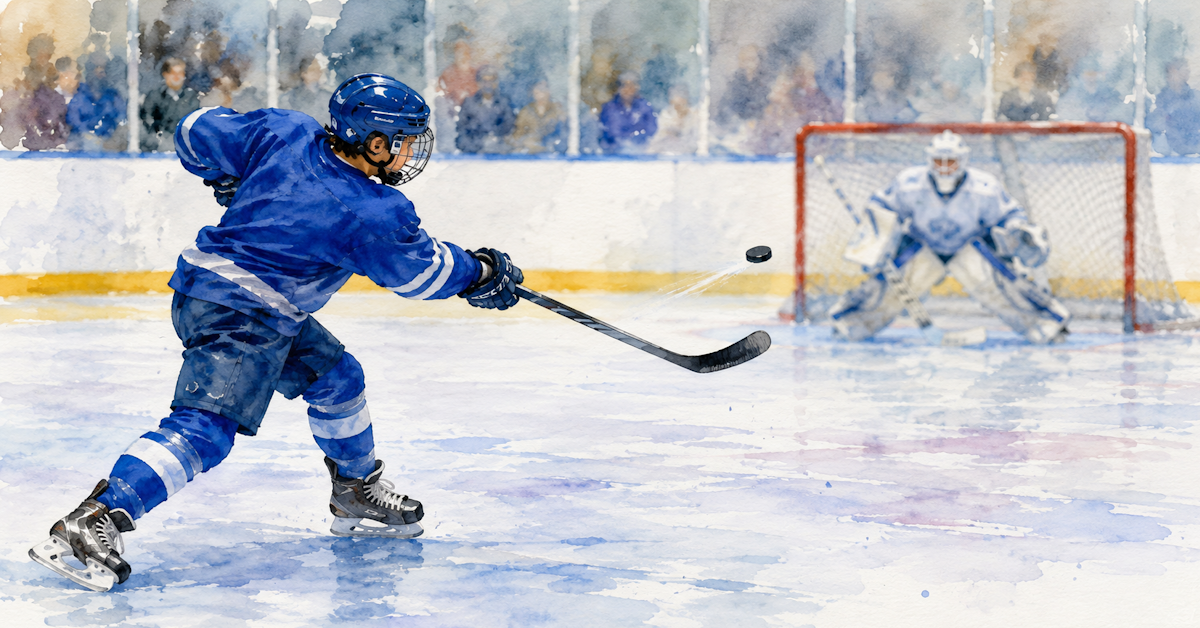
Many players believe that shooting harder is the secret to scoring more goals, but experienced coaches know that accuracy usually matters much more than pure power…
Read MoreWhy Modern Practices Fail Adult Beginners — And How to Fix Them
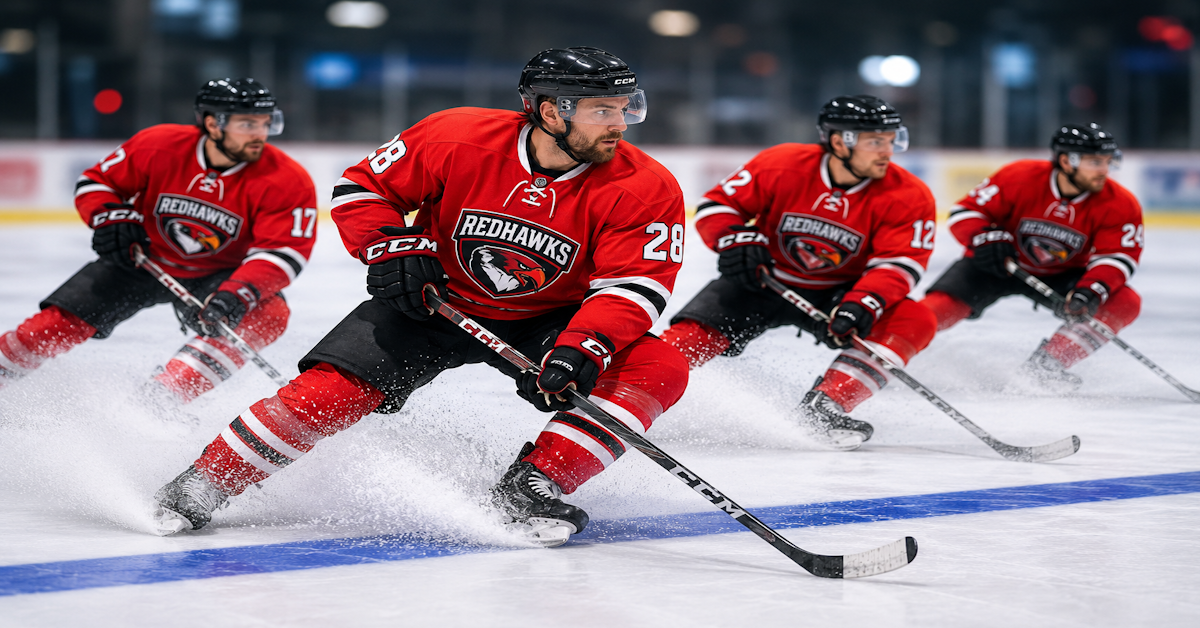
Unfortunately, many discover that modern hockey practices often move too quickly for someone who is just learning the basics. Instead of building confidence, these fast-paced sessions can leave new players frustrated, exhausted, and wondering if hockey simply is not for them. The good news is that the problem usually is not the player…
Read MoreThe Truth About Off‑Ice Training for Young Players — What Works Now
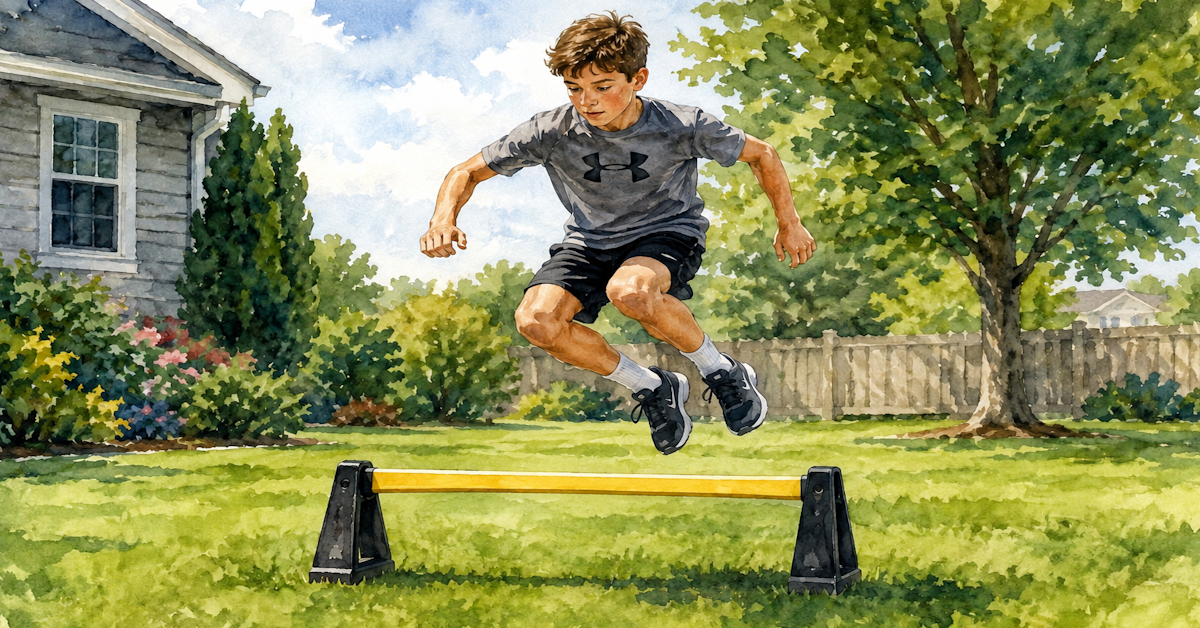
Modern off-ice training has changed a lot over the last decade, and many parents, coaches, and players are still trying to figure out what actually works. The good news is that effective hockey off-ice training is often much simpler than many people think. The goal is not to turn a young player into a professional athlete overnight.
Read MoreThe Real Reason So Many Players Plateau Between Ages 11 and 14
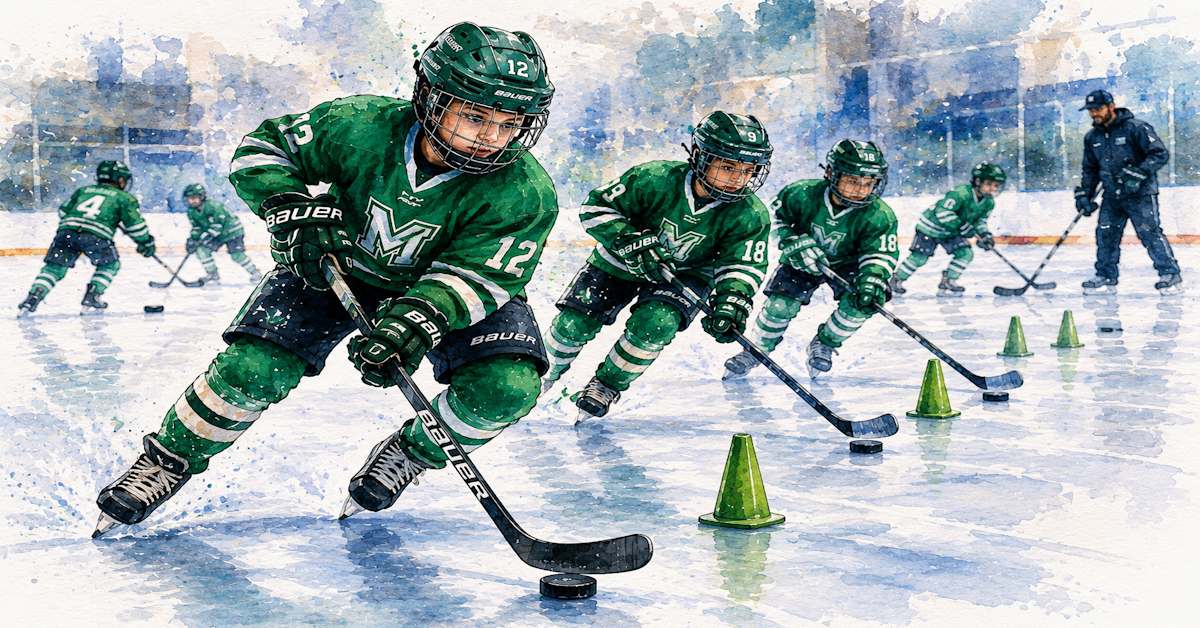
It happens all the time between the ages of 11 and 14. A player who was scoring goals, making teams, and gaining confidence can suddenly seem stuck. Their skating may stop improving as quickly. Their puck skills may look the same year after year. Their confidence may even begin to slip. Parents start wondering what happened. Coaches become concerned. Players often become discouraged. The truth is that this hockey development plateau is incredibly common, and understanding why it happens can help players continue growing instead of becoming frustrated.
Read MoreThe Stick‑Length Debate: What Coaches Worldwide Are Arguing About
In this episode, we’re taking a fresh look at something every hockey player depends on but few measure correctly — stick length. Instead of guessing or using outdated height charts, we’ll explore a simple, functional method that matches the way players actually skate and handle the puck. If you’ve ever wondered whether your stick helps or hurts your game, this short lesson will give you a clearer, more reliable way to find the perfect fit.
Read MoreSummer Skills Camps: What Actually Transfers to Real Games?
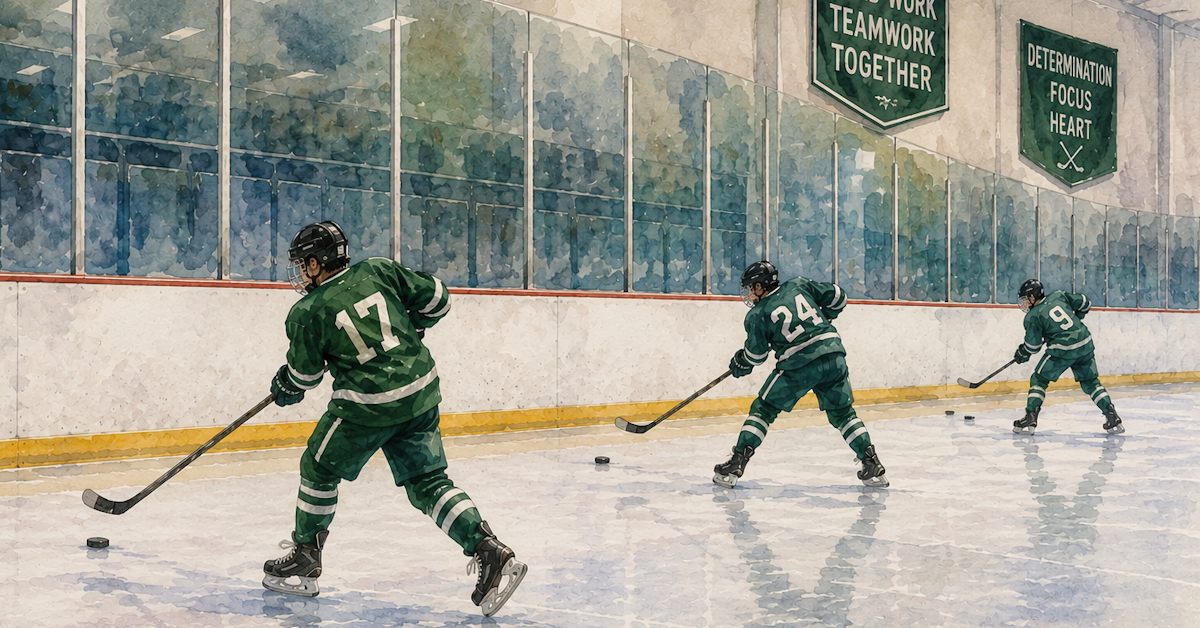
Every summer, hockey players across North America sign up for hockey skills camps with the goal of becoming better players before the next season begins. Parents invest time and money into skating camps, stickhandling clinics, shooting programs, and specialized development sessions because they want to help their players improve. Coaches often encourage athletes to use the off-season wisely and continue developing their game. The big question, however…
Read MoreHockey School, Clinic & Team Gear Available
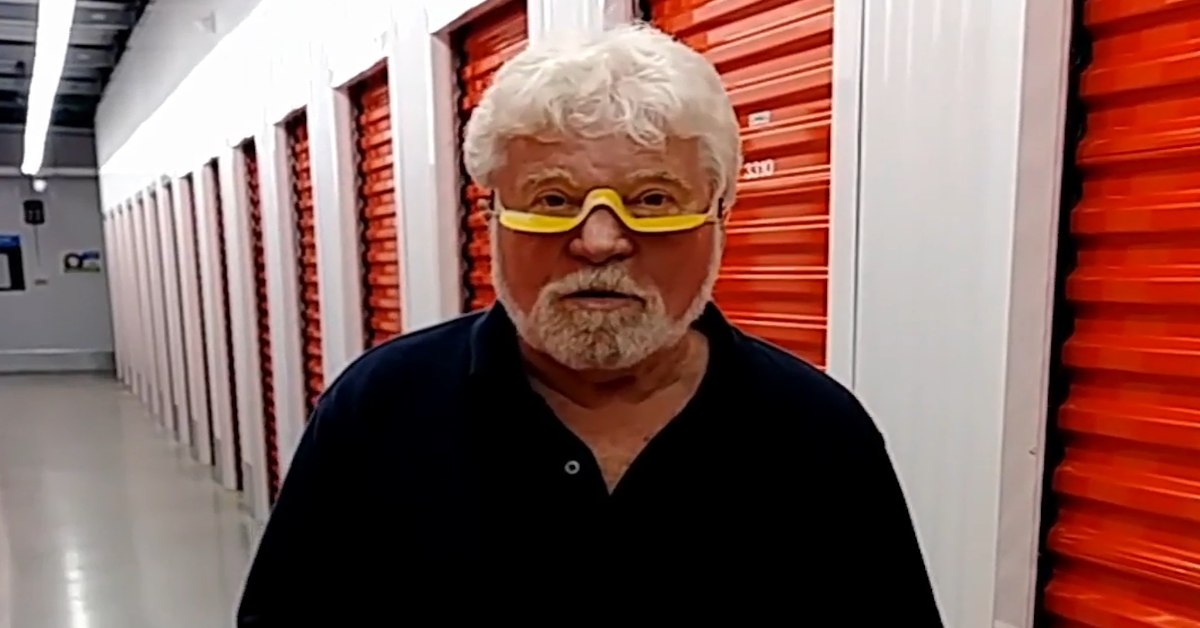
After years of running hockey schools, clinics, and team sessions, I’ve accumulated a lot of training gear — the kind of equipment that keeps players moving, learning, and improving without wasting time in long lines. And I’m now making the remaining pieces available to anyone who can put them to good use…
Read MoreThe Equipment Rabbit Hole — How to Stop Overthinking Sticks, Skates & Sharpenings
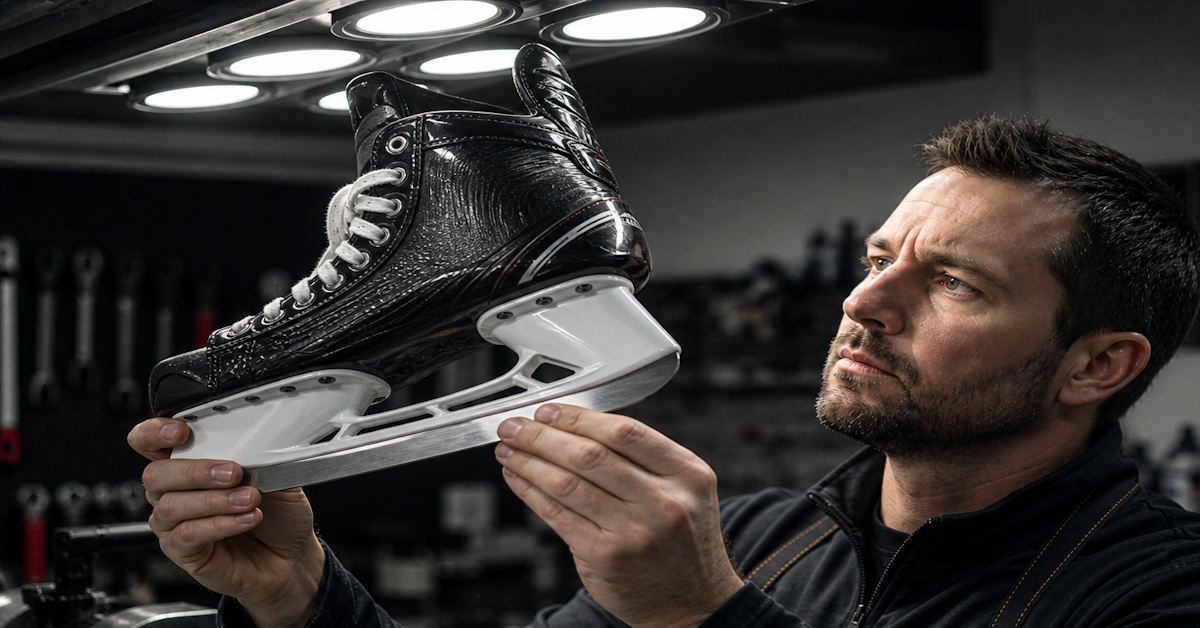
It can feel like every small detail in hockey equipment is the reason for success or failure. This is what many people call the “equipment rabbit hole,” and it is easy to fall into. Players start to believe that the next stick or a different sharpening will suddenly fix their game. The truth is, while hockey equipment does matter, overthinking it can actually slow down development and take focus away from what really improves performance.
Read More