The New Science Behind ‘First Touch’ Skills for 2026
In hockey, every great play starts with a great first touch. Whether a player is receiving a pass, collecting a loose puck along the boards, or settling a bouncing puck in open ice, that very first contact often determines what happens next. The latest hockey research and coaching methods for 2026 are putting even more attention on first touch skills because coaches now understand that the first second after puck possession is often the most important moment of an entire shift. Players who develop excellent first touch skills make quicker decisions, create more scoring chances, reduce turnovers, and play with far more confidence. If you want to improve your overall game, focusing on your first touch may be one of the smartest investments you can make.
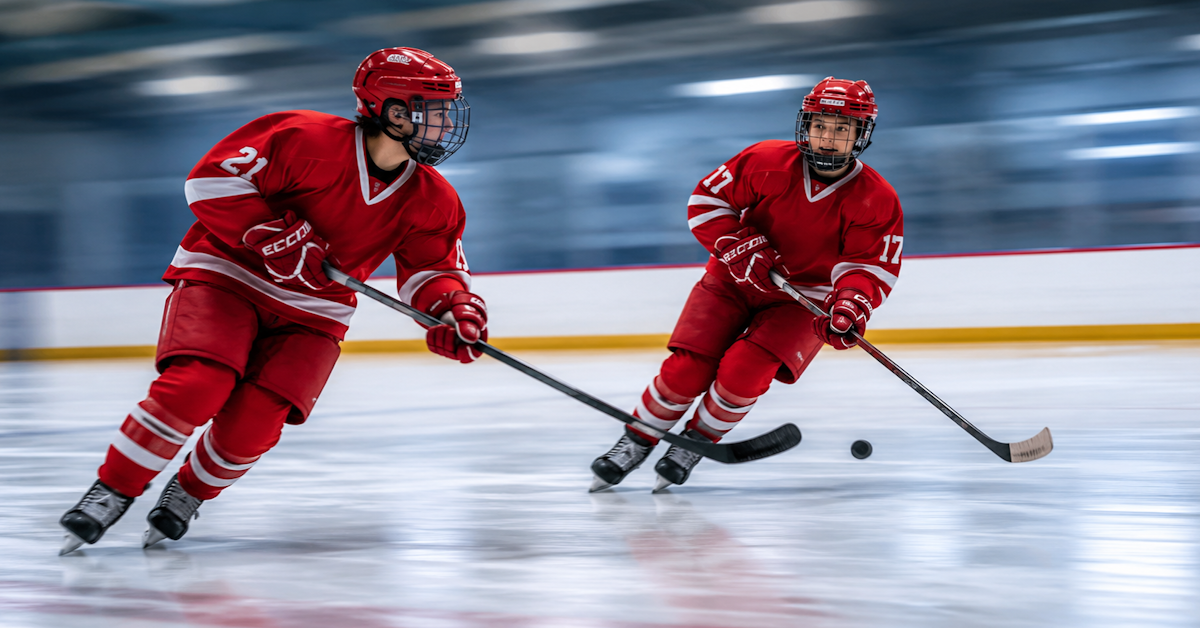
For years, many players believed stickhandling was the most important puck skill. While stickhandling remains valuable, today’s coaches recognize that receiving the puck cleanly is just as important as moving it. A poor first touch forces players to recover, look down, slow their feet, or lose possession entirely. A good first touch allows players to stay in motion, keep their heads up, and immediately move into their next play. That difference may only last a fraction of a second, but in modern hockey, that fraction often separates successful players from everyone else.
The newest science behind first touch training focuses on how the brain processes information before the puck even arrives. Elite players rarely wait until the puck reaches their stick before making a decision. Instead, they constantly scan the ice, gather information, and prepare their body well in advance. This process, often called scanning, helps players know where teammates, opponents, and open ice are located before receiving the pass. By the time the puck arrives, their next move has already been planned. This allows them to play faster without actually skating faster.
Vision training has also become a growing part of hockey development. Coaches are encouraging players to improve peripheral vision, depth perception, and visual tracking. Rather than staring directly at the puck, skilled players learn to gather information using their entire field of vision. This helps them receive passes while keeping their eyes on the play developing around them. Better vision leads to faster reactions, smarter decisions, and more effective puck control under pressure.
Body positioning is another major part of successful first touch skills. Instead of standing square to the passer, many skilled players angle their bodies so they can immediately move the puck toward open space after receiving it. Their knees stay bent, their hands remain away from their body, and their stick blade is presented as an easy target. This athletic posture creates softer hands and allows the puck to settle smoothly without bouncing away. Small adjustments in body position often make a huge difference in puck control.
The latest coaching methods also encourage players to think about where they want the puck to go instead of simply stopping it. This is sometimes called directional receiving. Rather than trapping the puck directly under the body, players gently guide it into the skating lane they plan to use next. This single movement saves valuable time and reduces the number of stickhandling moves needed before making another play. NHL players use this technique constantly because every extra movement gives defenders more time to close the gap.
Reaction training has become another important part of first touch development. Modern practices often include unpredictable passes, bouncing pucks, changing angles, and random obstacles that force players to adapt quickly. Instead of repeating the same drill over and over, coaches introduce variety that challenges both the brain and the body. These unpredictable situations better simulate real games, where no two puck touches are ever exactly alike. Learning to stay calm during chaos builds confidence that carries directly into competition.
The science of motor learning also supports shorter, more focused practice sessions instead of endless repetition. Players improve faster when they receive many different types of puck touches throughout practice rather than repeating the exact same drill for long periods. Mixing forehand receptions, backhand receptions, one-touch passes, saucer pass receptions, bouncing pucks, and board pickups creates a wider range of learning. The brain remembers these varied experiences better because it is constantly solving new problems.
One of the biggest discoveries in player development is the connection between skating and first touch skills. Great puck reception starts with good feet. Players who keep their legs moving while receiving passes stay balanced and maintain speed. They avoid becoming easy targets for defenders. Many younger players still stop skating while waiting for a pass, but today’s coaching emphasizes receiving the puck in stride whenever possible. Continuous movement keeps offensive pressure alive and creates more dangerous scoring opportunities.
Communication also improves first touch success. Players who call for passes, point their stick where they want the puck, and communicate with teammates receive cleaner passes and make quicker plays. Good communication reduces confusion and allows teammates to anticipate each other’s movements. Even a simple verbal cue can improve timing and make difficult passes much easier to handle.
Off-ice training now supports first touch development as well. Ball handling drills, reaction lights, tennis ball catches, hand-eye coordination exercises, and visual tracking activities all strengthen the neurological pathways used during puck reception. These simple exercises help players improve coordination without needing ice time every day. Even spending ten minutes several times each week working on quick reactions can produce noticeable improvements over an entire season.
Perhaps the biggest lesson from the newest research is that first touch is not just a stick skill. It combines skating, vision, balance, anticipation, communication, decision-making, body positioning, and confidence into one smooth movement. Every practice repetition should develop several of these skills at the same time rather than treating them separately. The more realistic your training becomes, the better your first touch will perform during actual games.
Players who consistently improve their first touch often discover that every other part of their game becomes easier. Passing improves because they control the puck more quickly. Shooting improves because the puck is already in the proper position. Defensive play improves because clean puck recoveries lead to quicker breakouts. Confidence grows because players spend less time chasing loose pucks and more time making smart hockey plays.
The science behind first touch skills continues to evolve, but one message remains clear for 2026: the players who master their first touch will usually control the pace of the game. By combining smart scanning habits, strong skating, soft hands, quick decision-making, and purposeful practice, players of every age can become more reliable every time the puck arrives on their stick. Developing outstanding first touch skills is no longer just a nice addition to your game—it has become one of the most valuable hockey skills you can own.
If you have discovered drills, coaching ideas, or practice habits that helped improve your own first touch skills, consider sharing your experiences down below in the Comments area. Your ideas may inspire another player, parent, or coach to try something new, and those shared experiences can make this conversation even more valuable for everyone who loves the game of hockey.
