Why So Many Players Struggle With Gap Control — Even at Older Ages
Gap control is one of the most important defensive skills in hockey, yet it is also one of the most misunderstood and underdeveloped, even at the high school level and beyond. Many players can skate well, understand basic positioning, and compete hard, but still struggle when it comes to managing space against an attacking opponent. If you have ever watched a defenseman back in too far, give up the blue line too easily, or get beat wide despite having good speed, you have seen a gap control problem. The good news is that this is a skill that can be taught and improved with the right focus and habits.
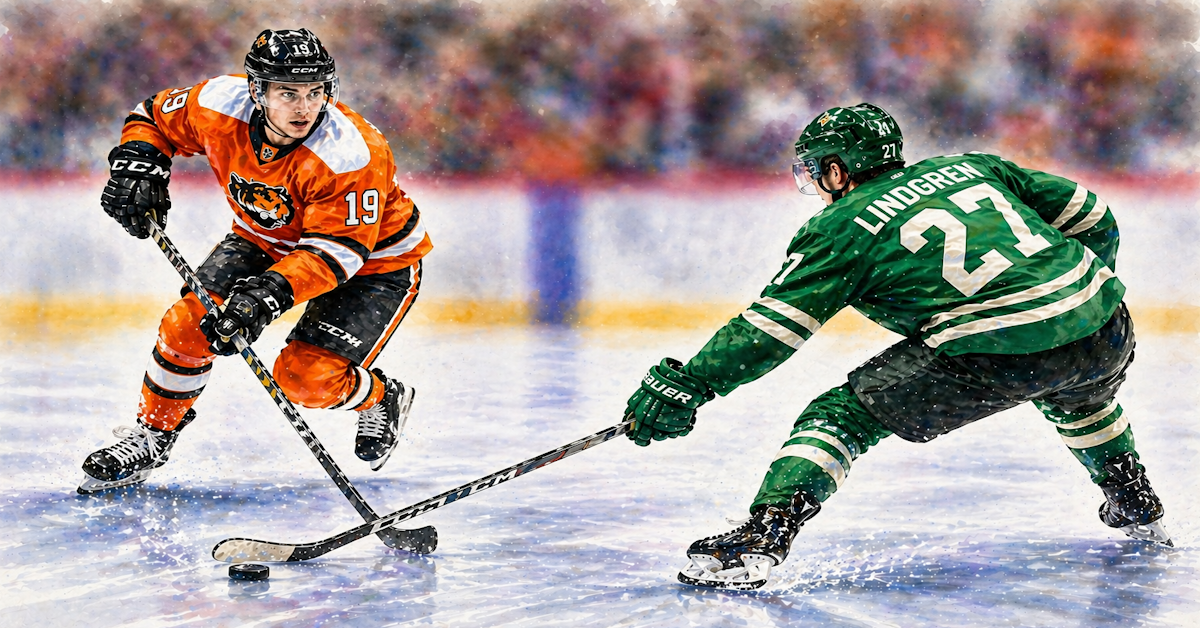
At its core, gap control is about managing the distance between a defender and an attacking player. A strong defensive gap means staying close enough to challenge the puck carrier without getting caught flat-footed. When the gap is too large, the attacker has time and space to make plays, build speed, and create scoring chances. When the gap is too tight at the wrong time, the defender risks getting beat. Finding the right balance takes timing, awareness, and confidence, which is why so many players struggle with it.
One of the biggest reasons players have trouble with gap control is that they focus too much on skating backward instead of managing space. Many young defensemen are taught to “back in” when facing an attack, but without proper context, this turns into retreating too early and too quickly. Instead of matching the attacker’s speed and closing the gap, they create more space and give the opponent an advantage. Good defenders do not just skate backward; they control their speed, angle their body, and look for opportunities to step up and challenge.
Another common issue is poor timing. Gap control is not just about where you are, but when you decide to close space. Players who hesitate often end up stuck between decisions. They are not fully committed to stepping up, but they are also not maintaining a safe cushion. This hesitation leads to awkward positioning, slower reactions, and easier plays for the attacker. Strong defenders read the situation early, recognize the attacker’s speed and support, and make confident decisions about when to hold their gap and when to engage.
Stick positioning also plays a huge role in effective gap control, but it is often overlooked. A well-placed stick can take away passing lanes, force the puck carrier to one side, and disrupt control without needing to make a big move. Players who carry their stick too high, too wide, or without purpose make it easier for attackers to get around them. Teaching players to keep their stick in the lane and active on the ice can make a big difference in their defensive success.
Another reason gap control is difficult is that it requires strong skating fundamentals, especially backward skating and transitions. Defensemen need to be comfortable moving in all directions while maintaining balance and control. If a player is not confident in their backward skating or cannot transition quickly from backward to forward, they will naturally back off to give themselves more time. This creates a larger gap and invites pressure. Improving edge work, crossovers, and quick pivots can help players stay closer to attackers and maintain a stronger defensive position.
Confidence is also a major factor. Many players struggle with gap control because they are afraid of getting beat. This fear causes them to give extra space as a safety cushion, but it often leads to the very outcome they are trying to avoid. When defenders trust their skating, positioning, and stick work, they are more willing to hold a tighter gap and challenge earlier. Building this confidence takes repetition and experience, especially in game-like situations.
Coaches can help players improve gap control by creating drills that focus on real game scenarios instead of isolated movements. One-on-one and two-on-one drills are especially effective when they emphasize timing, angling, and stick positioning rather than just stopping the play. Players should be encouraged to close space with purpose and learn from both successful and unsuccessful attempts. Video review can also be helpful, allowing players to see how their gap changes during different situations and what adjustments they can make.
It is also important to connect gap control to team play. Defensemen are not working alone; they rely on backchecking forwards and overall team structure. When forwards apply pressure from behind, it allows defensemen to step up and maintain a tighter gap. When that support is missing, defenders may need to adjust and give more space. Understanding this connection helps players make smarter decisions and avoid blaming themselves for situations that involve the entire team.
In the end, gap control is a skill that combines skating, awareness, timing, and confidence. It is not something that improves overnight, but with consistent practice and the right focus, players can make significant progress. Those who learn to manage space effectively become much more reliable defenders and make life much harder for opposing attackers. If you have seen players improve their gap control or have drills and ideas that help teach this important skill, feel free to share your experiences or observations down below in the Comments. When players, parents, and coaches contribute to the conversation, it helps everyone learn and grow in the game.
