A Coach’s Notebook
Block Out the Tone
With mental toughness always being a key to solid hockey play, we’re thrilled to once again present Shawnee Harle’s monthly insights into that area. And, in this video, she addresses an obvious concern with “Negative Self-talk”!
Read MoreKeys to Building USABLE STRENGTH with Bands
Follow along with Dave as he shows you how to use bands to train your body for more strength and endurance…
Read MoreRespect in Sport, Certifications & League Rules — What Parents Need to Know
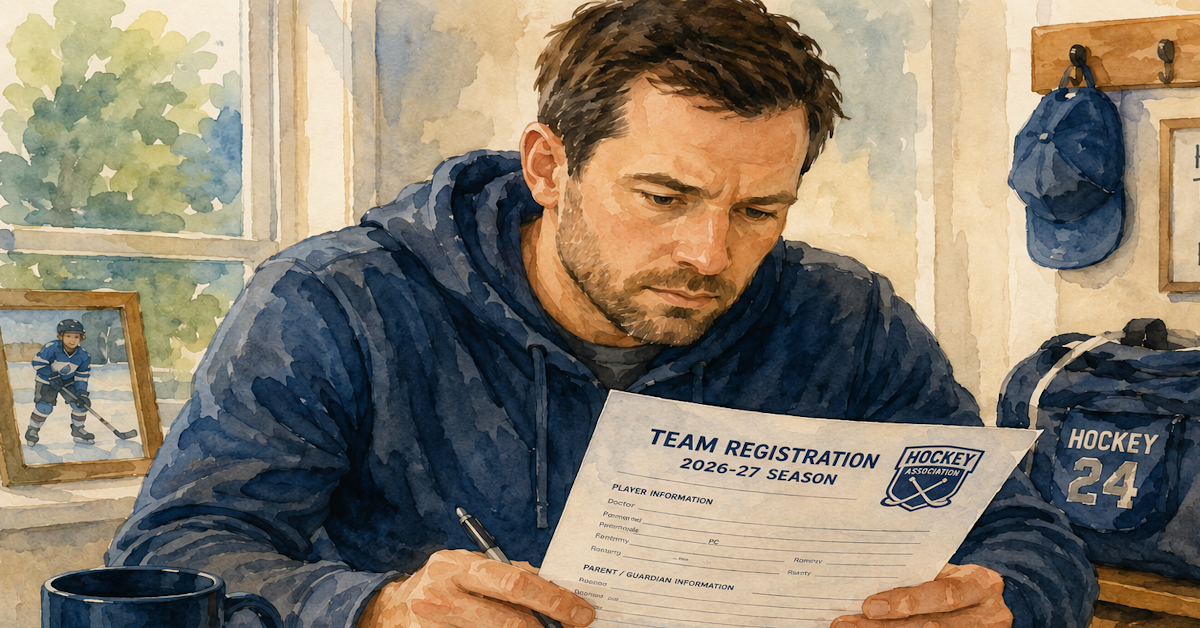
If you are a hockey parent, it can sometimes feel like there is a new form, certification, or league requirement waiting around every corner. Between registering for teams, arranging transportation, buying equipment, and supporting your young player, it is easy to overlook important requirements such as Respect in Sport training, coaching certifications, and league rules. However…
Read MoreHow to Build a Development‑First Mindset in a Results‑Driven Hockey Culture
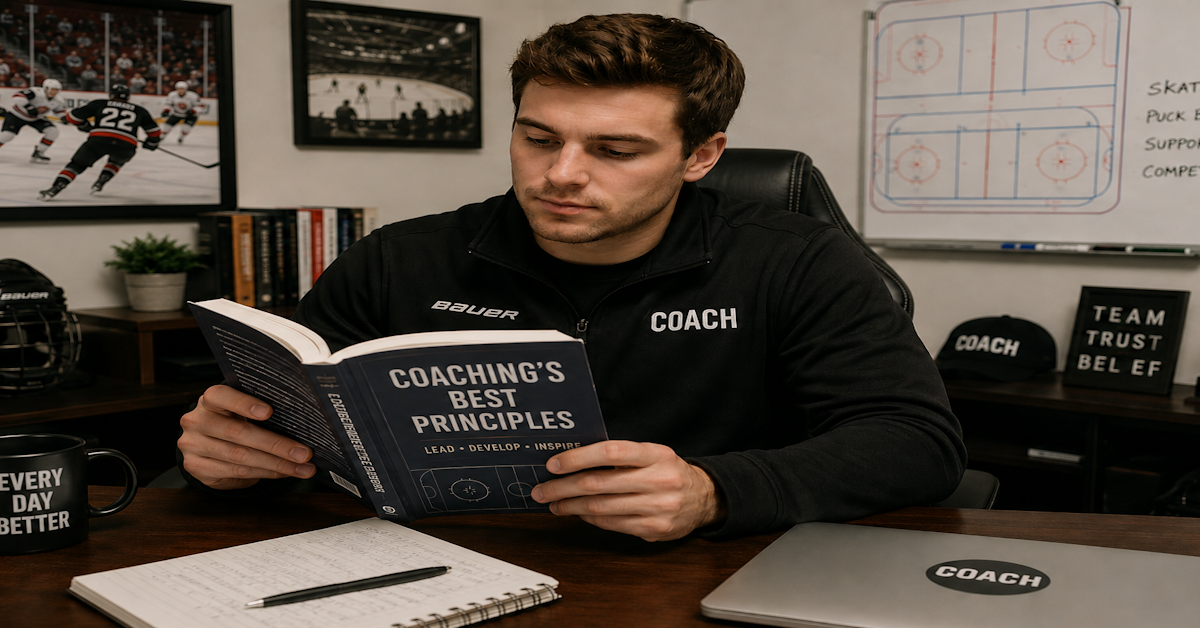
In today’s hockey world, it can feel like everything revolves around results. Players are judged by goals, points, rankings, and team records almost everywhere they go. Parents sometimes compare ice time, coaches feel pressure to win tournaments, and young hockey players can start believing that success only comes from being the top scorer or making the elite team right away. The problem is that hockey development rarely works in a straight line. Some players grow early, some develop confidence later, and many successful athletes spend years quietly improving before anyone notices.
Read MoreSummer Hockey: The Hidden Costs No One Talks About
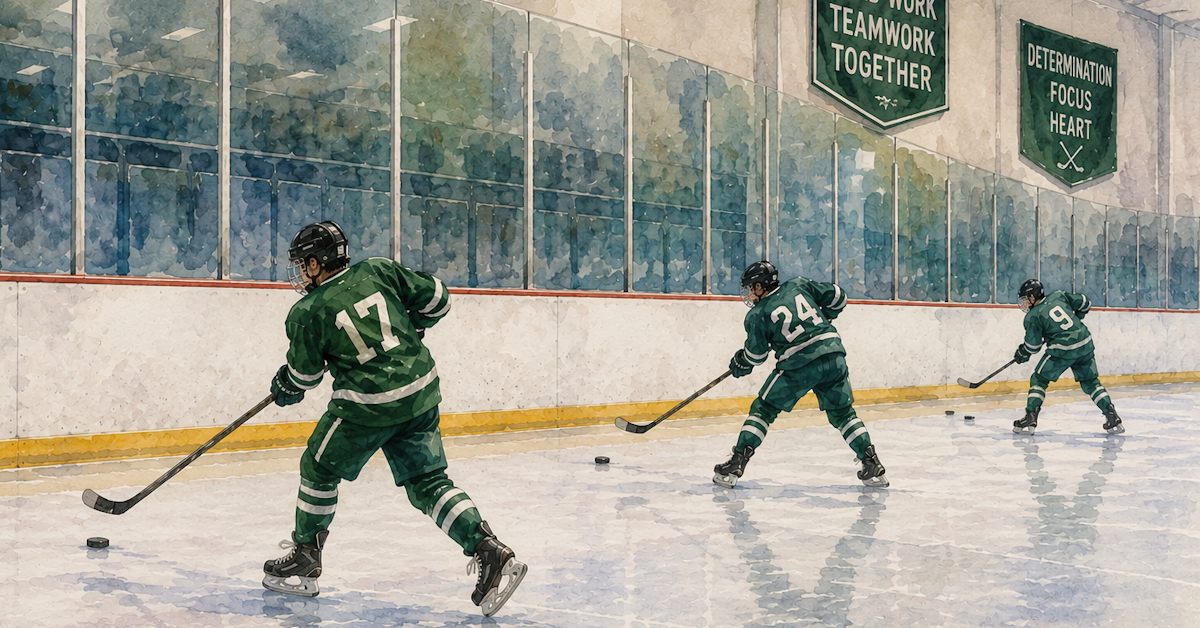
Summer hockey has become a major part of youth hockey culture, especially for competitive players who dream about making higher-level teams, junior hockey, college hockey, or beyond. There are certainly benefits to summer training, but there are also hidden costs that many players, parents, and even coaches do not fully recognize until they are deep into the process…
Read MoreStick Blade Angle on Incoming Passes
Hockey players hear it all the time: “Have your stick on the ice.” But that alone doesn’t guarantee you’ll control a pass. In fact, most bobbled pucks happen even when the blade is down — because the blade isn’t turned to the correct angle. The real key to clean puck reception is simple, but almost…
Read MoreCoaching Turnover: What It Means for Player Development
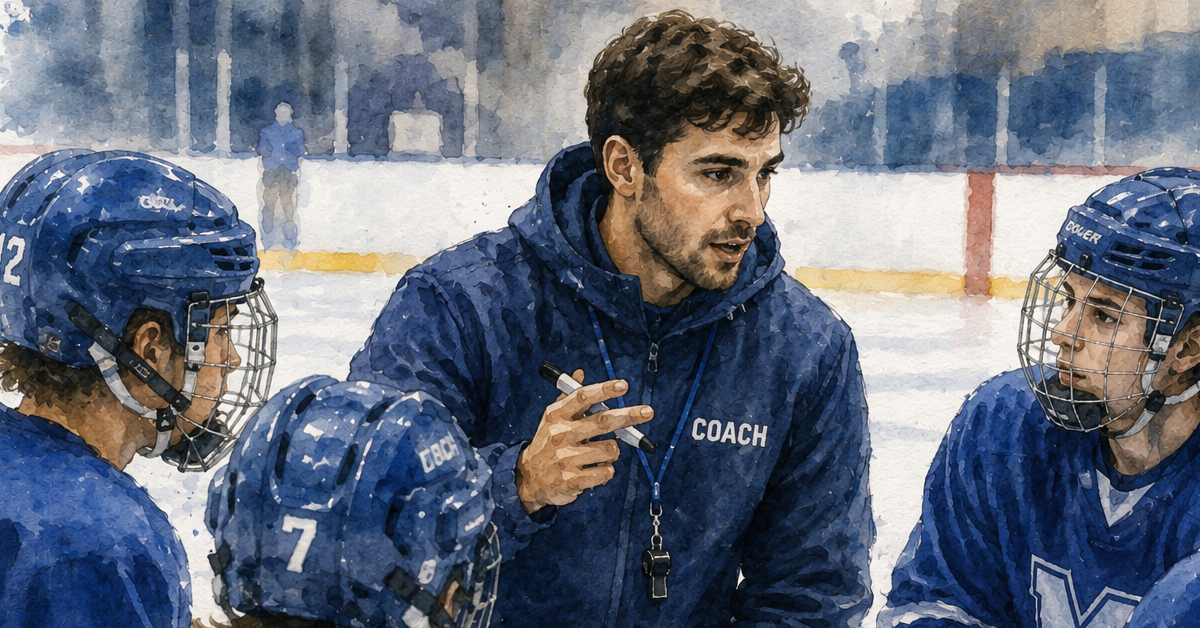
Few things change the direction of a hockey season faster than coaching turnover. One year a team may have a coach who focuses heavily on skill development, puck possession, and confidence-building, while the next year a completely different coaching style suddenly appears. For hockey players, parents, and even assistant coaches, these changes can create excitement, confusion, stress, or new opportunities depending on the situation.
Read MoreHockey School, Clinic & Team Gear Available
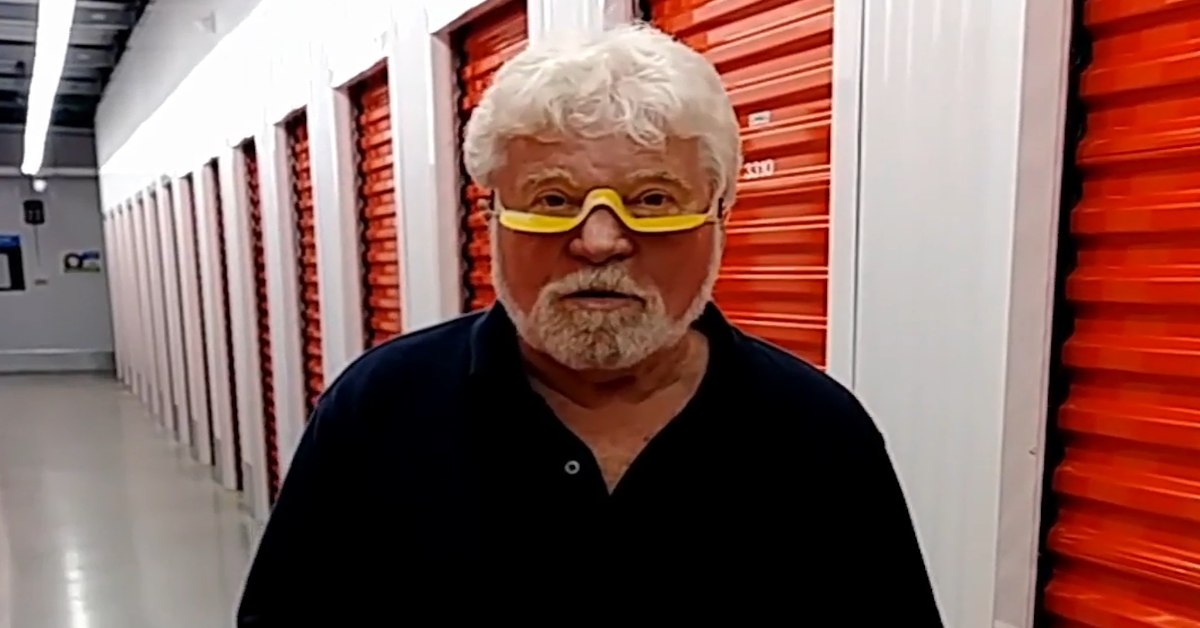
After years of running hockey schools, clinics, and team sessions, I’ve accumulated a lot of training gear — the kind of equipment that keeps players moving, learning, and improving without wasting time in long lines. And I’m now making the remaining pieces available to anyone who can put them to good use…
Read MoreThe Talent Pyramid Problem — Why Kids Are Being Sorted Too Early
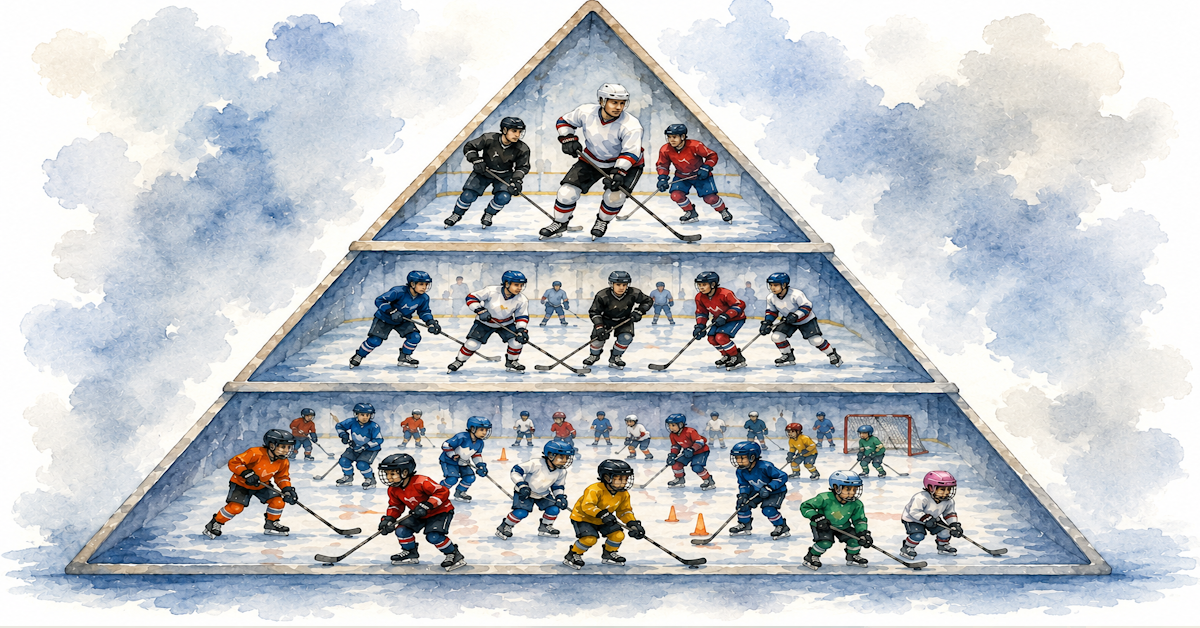
In youth hockey, one of the biggest challenges facing players, parents, and coaches today is something many people call the “talent pyramid problem.” It happens when young hockey players are identified as elite prospects too early while other players are pushed lower in the system before they have fully developed…
Read MoreThe Tryout Trap — How to Stay Sane During Team Selection Season
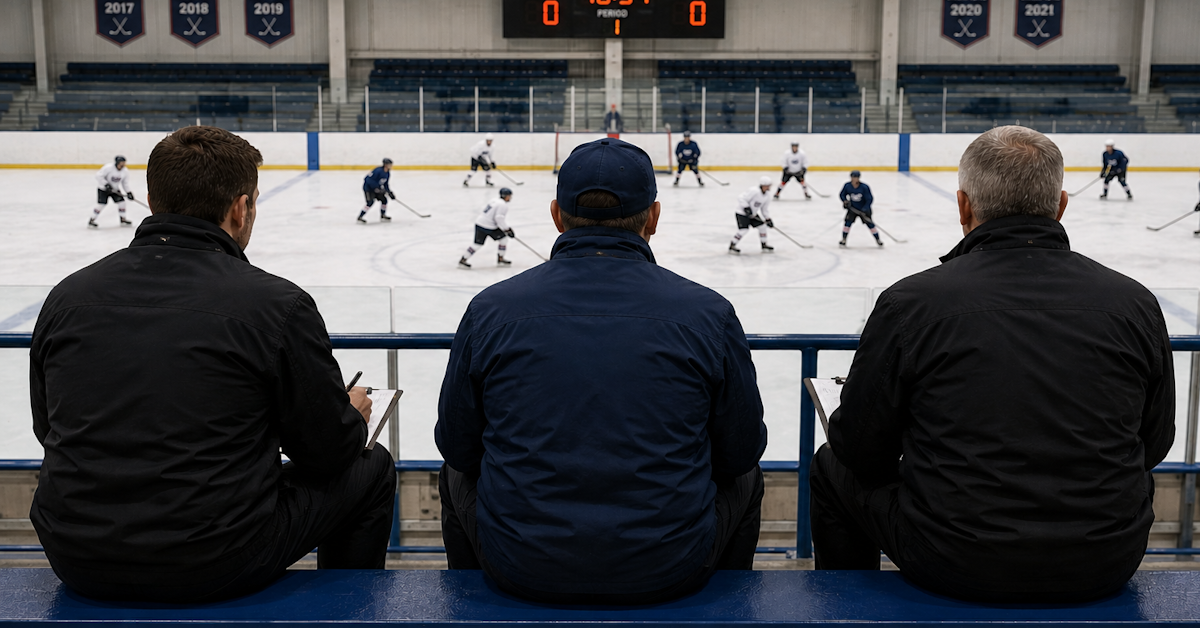
Every hockey season brings excitement, fresh goals, and new opportunities, but there is one part of the year that can create huge stress for players, parents, and coaches alike: hockey tryouts. Team selection season can feel like a pressure cooker. Players worry about making the top team, parents anxiously watch every drill from the stands, and coaches try to evaluate dozens of athletes fairly in only a few ice sessions. The truth is that hockey tryouts are emotional for almost everyone involved.
Read More