A Coach’s Notebook
The AAA Mirage — Why Higher Level Doesn’t Always Mean Better Development
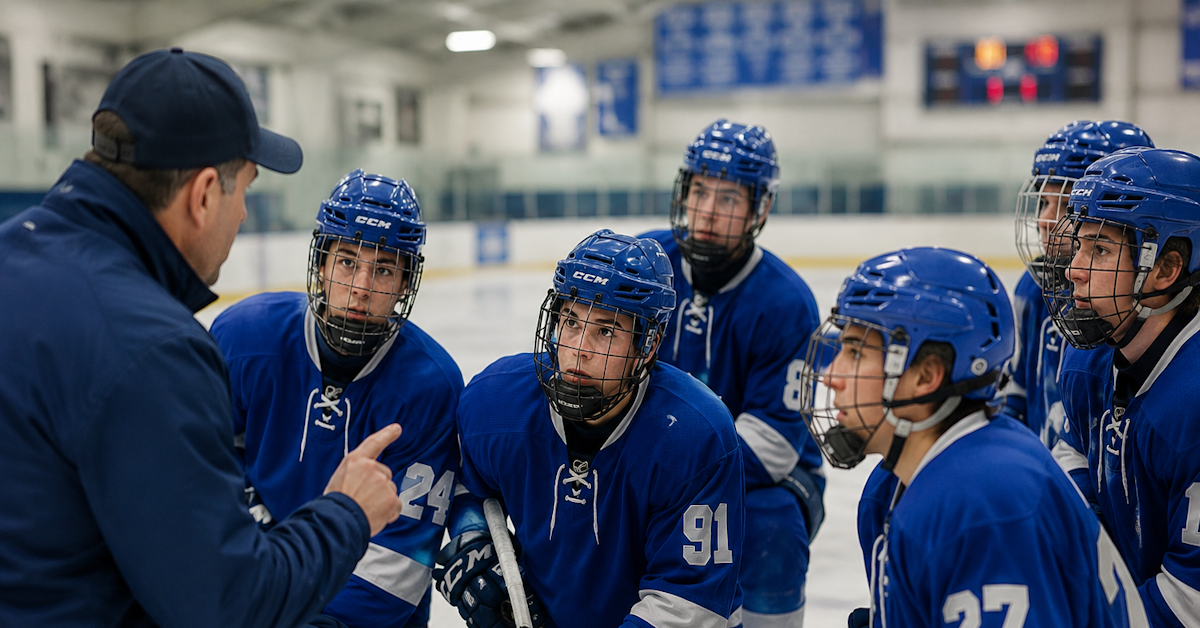
For many families, making a AAA team feels like the ultimate goal. It is often viewed as proof that a player is elite, serious about the game, and on the right path toward junior hockey, college hockey, or even beyond. Because of this reputation, many players and parents automatically assume that a higher level always means better development.
Read MoreThe Real Reason Parents & Coaches Clash — And How to Fix It
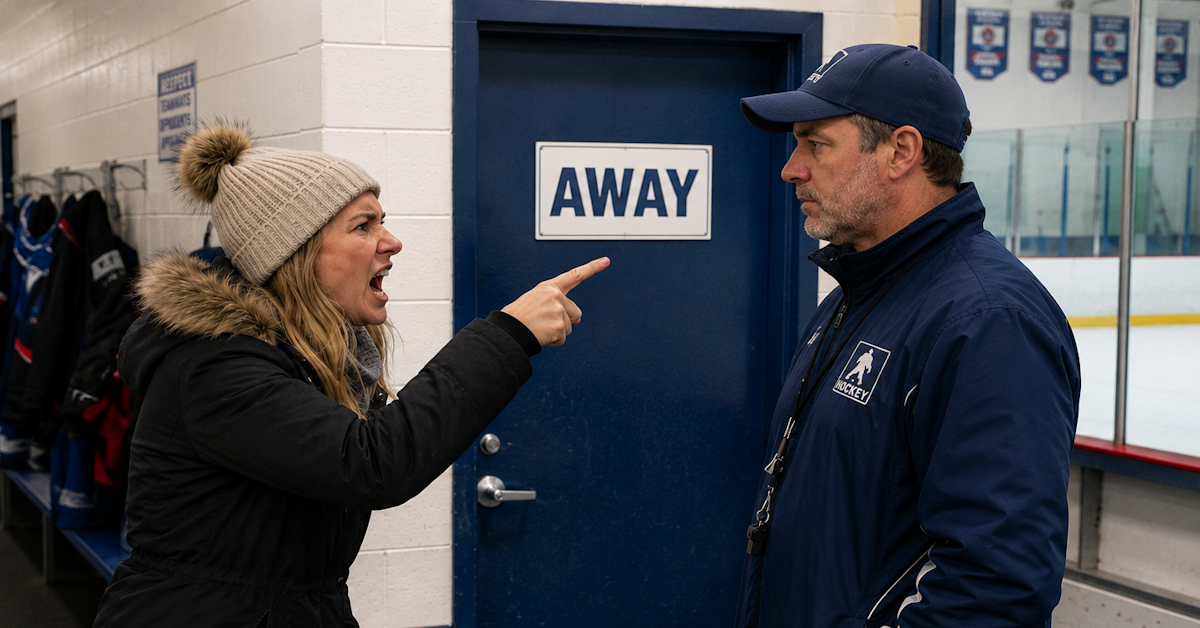
One of the biggest challenges in youth hockey is not always what happens on the ice. Sometimes the hardest part of the game happens behind the bench, in the stands, or in the parking lot after practice. Parents and coaches often want the same thing — helping young players grow, improve, and enjoy hockey — but even with good intentions, conflict can develop surprisingly quickly. Miscommunication, unrealistic expectations, and emotional reactions can turn small disagreements into ongoing tension.
Read MoreThe Equipment Rabbit Hole — How to Stop Overthinking Sticks, Skates & Sharpenings
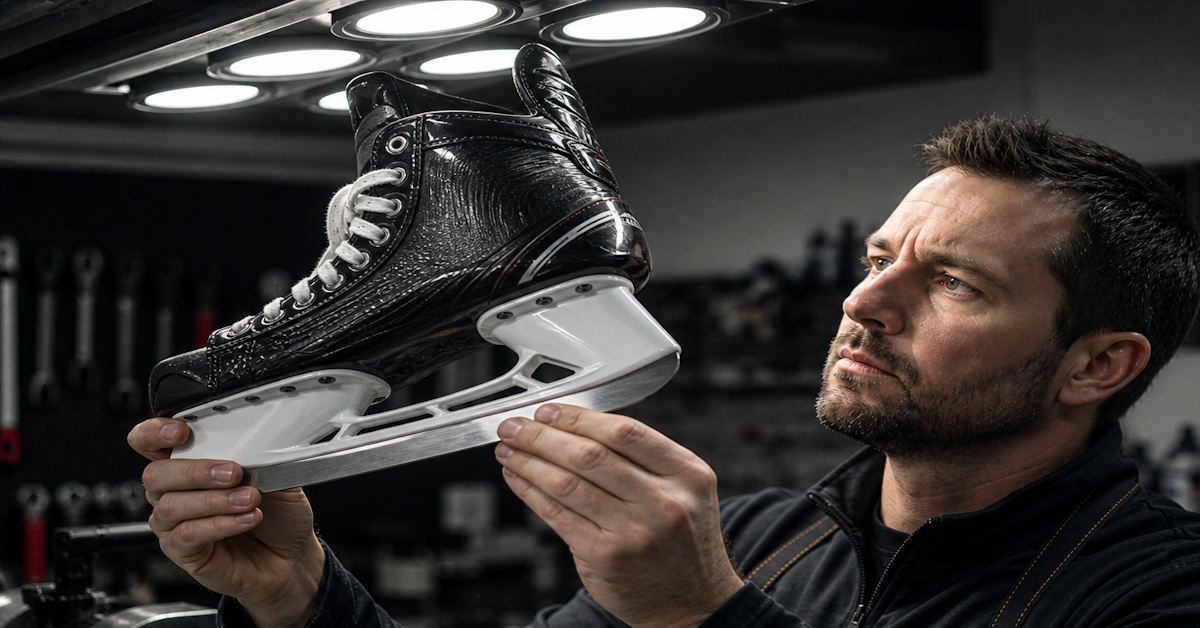
It can feel like every small detail in hockey equipment is the reason for success or failure. This is what many people call the “equipment rabbit hole,” and it is easy to fall into. Players start to believe that the next stick or a different sharpening will suddenly fix their game. The truth is, while hockey equipment does matter, overthinking it can actually slow down development and take focus away from what really improves performance.
Read MoreHow to Build a Player Who Can Play Center and Wing
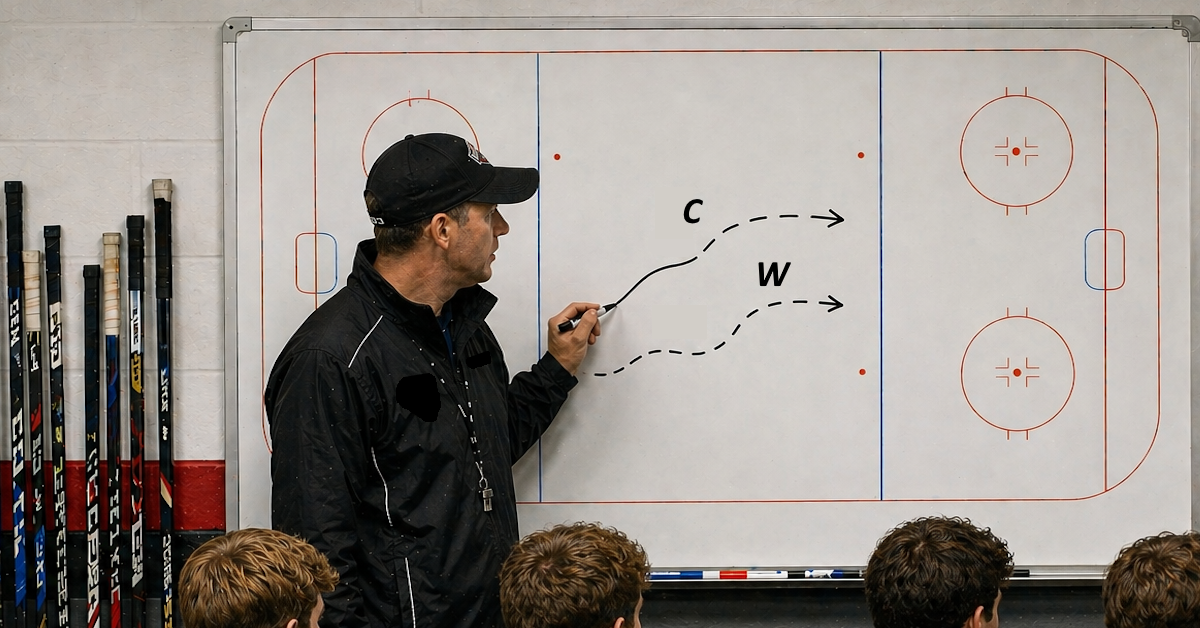
Learning how to play both center and wing is one of the most valuable skills a hockey player can develop, especially at the youth and high school level. Coaches are always looking for versatile players who can adapt to different roles, and players who understand both positions often have a higher hockey IQ and more opportunities to contribute.
Read More2 Voices: Fear and Courage
With mental toughness always being a key to solid hockey play, we’re thrilled to once again present Shawnee Harle’s monthly insights into that area. And, in this video, she addresses an obvious concern with “Negative Self-talk”!
Read More12 Band Pull Apart Variations
Follow along with Dave as he shows you how to use these bands to train your body for more strength and endurance…
Read MoreWhy So Many Players Struggle With Gap Control — Even at Older Ages
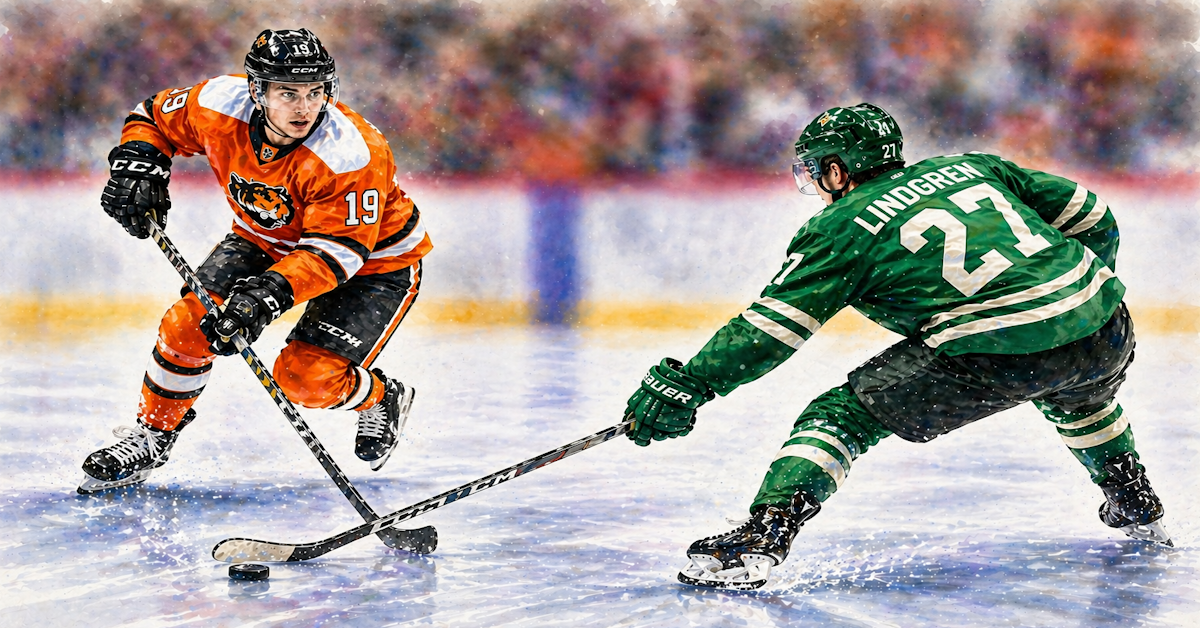
Gap control is one of the most important defensive skills in hockey, yet it is also one of the most misunderstood and underdeveloped, even at the high school level and beyond. Many players can skate well, understand basic positioning, and compete hard, but still struggle when it comes to managing space against an attacking opponent…
Read MoreThe New Goalie Question: Should Kids Be Learning RVH This Early?
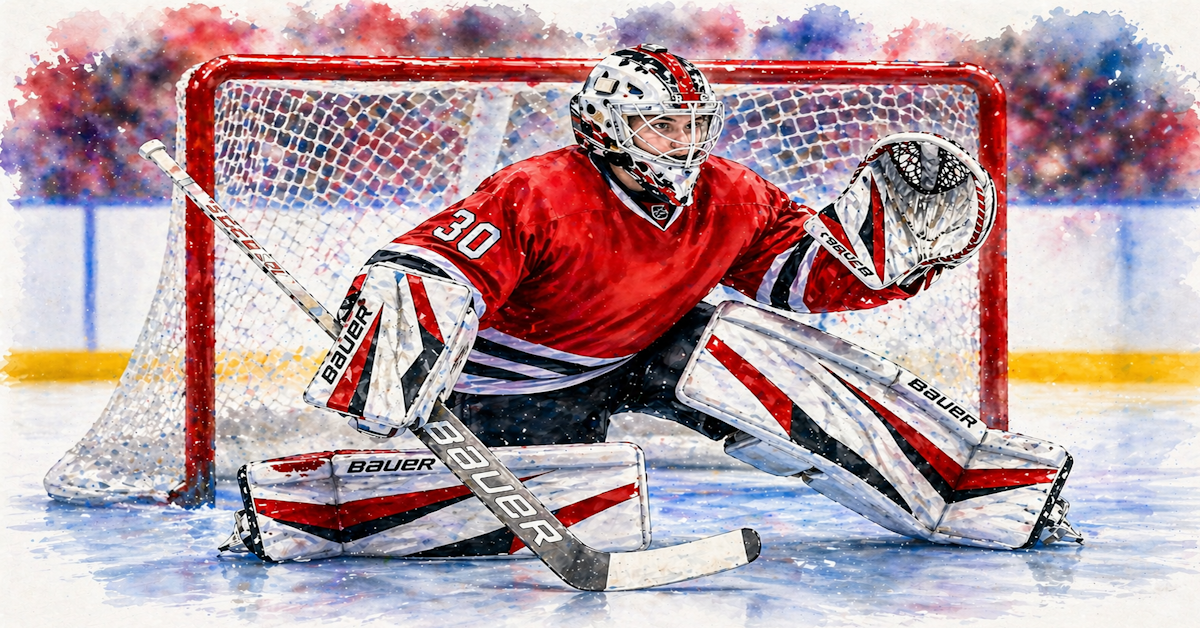
Before we even get into the pros and cons, it helps to understand exactly what the RVH is. RVH stands for “Reverse Vertical‑Horizontal,” and it’s a modern post‑integration technique used by goalies when the puck is near the goal line or in tight around the corners. Instead of standing upright or using the old-school VH…
Read MoreWhy Players Lose Speed in Games (But Not in Practice)
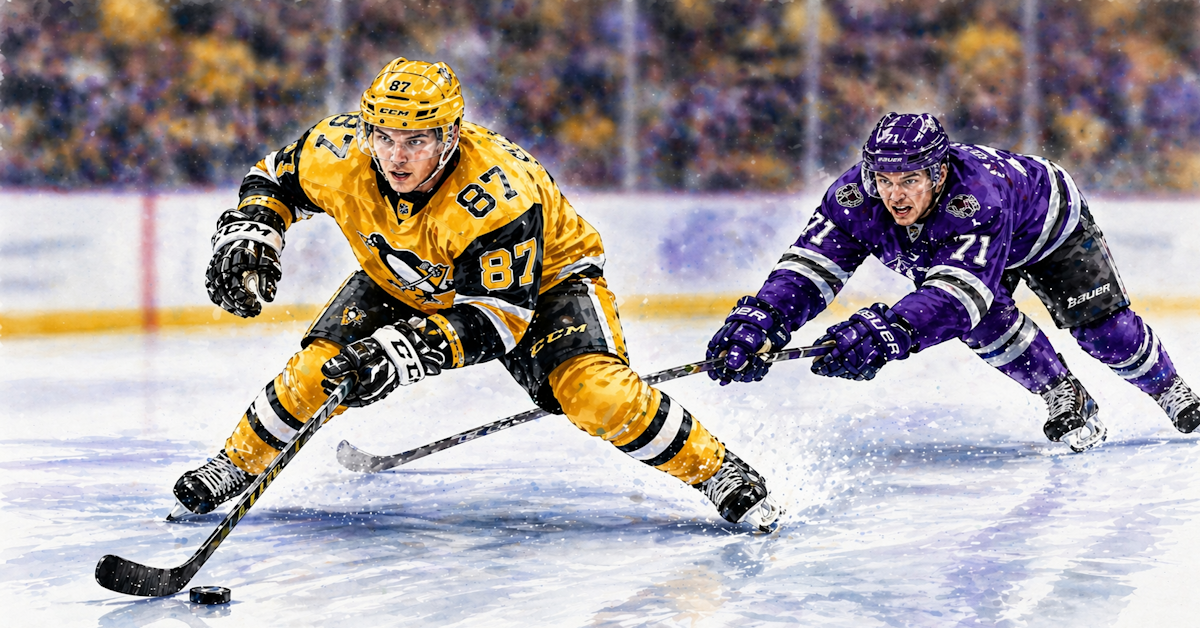
One of the most frustrating things for hockey players and coaches to watch is a player who looks fast and confident in practice but suddenly seems slower and less effective during games. This is a common issue in youth hockey, and it often leaves players wondering what went wrong…
Read MoreThe New Debate: Should Youth Players Be Practicing More Without Pucks?
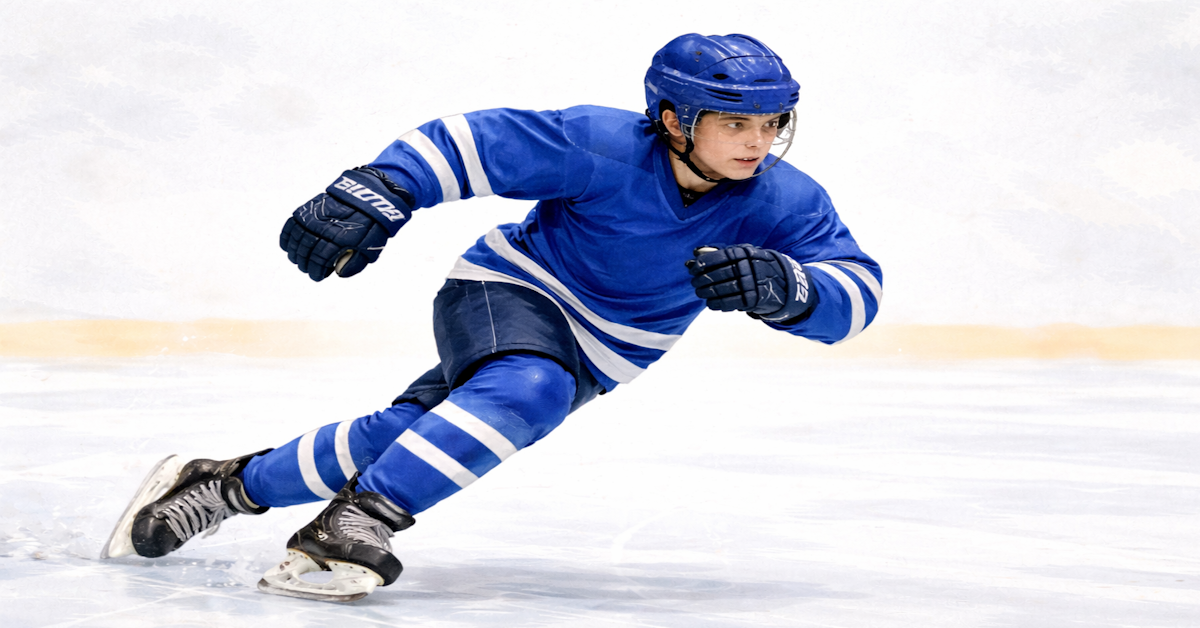
For years, most players have been told that the more time they spend with a puck on their stick, the better they will become. Stickhandling, passing, and shooting are all important skills, and they deserve plenty of attention. But as the game continues to get faster and more demanding, many coaches are starting to realize that players who move well without the puck often have a major advantage…
Read More