The New Goalie Crisis — Why Fewer Kids Want the Position
Across youth hockey, coaches, parents, and league organizers are noticing a growing problem. Fewer kids want to play goalie. In many areas, teams struggle to find a dedicated goaltender, and some organizations are forced to rotate players through the position just to get through a season. This trend has created what many people are calling a goalie crisis. While hockey continues to attract young players, the number of kids willing to put on the goalie pads and stand in front of hard shots appears to be shrinking. Understanding why this is happening is important if the hockey community wants to keep developing skilled goaltenders for the future.
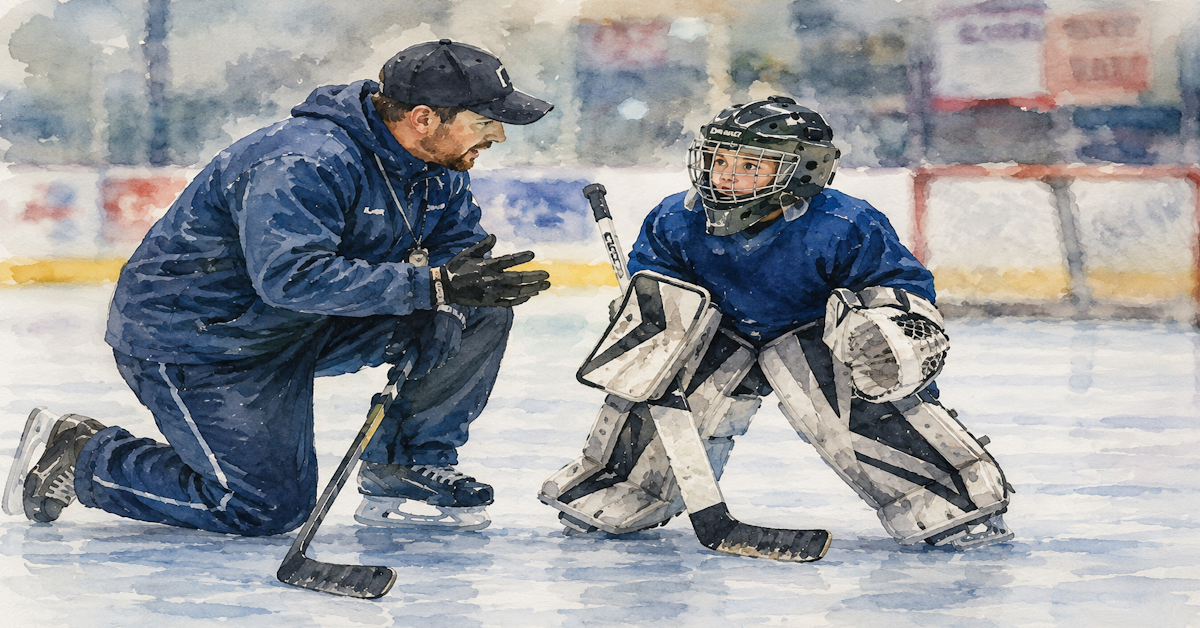
One of the biggest reasons fewer kids want to become goalies is the cost. Hockey is already one of the most expensive youth sports, but playing goalie often adds another layer of expense. Goalie pads, blockers, catch gloves, chest protectors, goalie skates, goalie sticks, and specialized equipment can cost significantly more than standard player gear. Parents who are already investing heavily in youth hockey may hesitate to commit even more money to a position their child may not stick with long-term. Even when leagues offer loaner equipment, families sometimes worry about upgrading gear as their child grows.
Another factor is the pressure that comes with being the last line of defense. Every player makes mistakes during a hockey game, but goalie mistakes are often the most visible. When a defenseman turns over the puck, there may still be a chance to recover. When a goalie gives up a goal, the result immediately appears on the scoreboard. Young athletes can feel that pressure very strongly. Many kids enjoy skating, scoring goals, and creating offense more than carrying the responsibility of protecting the net. The fear of making mistakes in front of teammates, coaches, and parents can discourage players from trying the position.
The modern youth sports environment may also play a role. Today’s young athletes often face more competition, more travel, and more year-round training than previous generations. Goalies are expected to develop specialized skills at an early age. Many families feel pressure to invest in private goalie coaching, goalie camps, and extra training sessions. While specialized instruction can be beneficial, it can also make the position seem intimidating. A young player who simply wants to have fun might decide it is easier to become a forward or defenseman instead.
Social factors matter too. Young players often dream about scoring the game-winning goal rather than making the game-saving save. Hockey highlights on television and social media frequently focus on spectacular goals, flashy dekes, and offensive stars. While elite goalies certainly receive attention, many young players naturally gravitate toward positions that appear more exciting or glamorous. Kids often imitate the players they see celebrated most often, and that can influence position choices.
The physical demands of being a goalie can also scare some players away. Modern goaltending requires flexibility, balance, quick reactions, mental toughness, and excellent skating skills. Goalies spend significant time dropping into butterfly positions, recovering quickly, and tracking pucks through traffic. Younger players may look at the equipment, training requirements, and physical challenges and decide the position seems too difficult. Parents sometimes worry about pucks hitting their children, even though modern protective equipment has improved safety significantly.
Ice time opportunities can create another challenge. In many youth hockey programs, teams carry only one or two goalies. A skater may get regular shifts every game, while a goalie could spend long stretches on the bench if another goaltender is ahead in the rotation. Some young athletes prefer positions where they know they will be actively involved throughout every practice and game. If a child has a bad experience early in their goalie journey, they may quickly return to skating out.
The shortage of youth hockey goalies creates challenges for teams and leagues. Coaches sometimes spend valuable practice time searching for volunteers to play net. Tournaments can become stressful when a team loses a goalie to illness or injury. At higher levels, the goalie pipeline becomes smaller, making it harder to develop future high school, junior, college, and professional goaltenders. The long-term health of hockey depends on having enough players willing to embrace this unique position.
Fortunately, there are ways to encourage more kids to try goaltending. Organizations can offer free goalie clinics, equipment loan programs, and beginner-friendly opportunities that reduce financial barriers. Coaches can create fun practice environments where young players can experiment with the position without fear of criticism. Parents can help by emphasizing effort, improvement, and enjoyment rather than focusing solely on goals allowed. Celebrating great saves with the same enthusiasm used for scoring goals can also help young athletes see the excitement of playing goalie.
It is important to remember that many players who eventually become outstanding goaltenders did not start in net full-time. Some began as skaters and gradually discovered they enjoyed the challenge of stopping pucks. Giving players opportunities to explore different positions can help them find where they feel most comfortable and confident. The goal should not be to force kids into goaltending but to make the position welcoming, accessible, and enjoyable.
The goalie position remains one of the most important and rewarding roles in hockey. Great goalies develop leadership, resilience, focus, confidence, and problem-solving skills that can benefit them both on and off the ice. While the current goalie shortage is a real concern for youth hockey, it is also an opportunity for leagues, coaches, and families to rethink how they introduce and support young goaltenders. By lowering barriers, reducing unnecessary pressure, and creating positive experiences, the hockey community can help inspire the next generation of goalies to step into the crease.
Have you noticed fewer kids wanting to play goalie in your hockey community? Have you been a goalie, parent, coach, or teammate affected by the goalie shortage? Share your experiences, observations, and ideas in the Comments area below. Your insights can really help keep this conversation going and may provide valuable solutions for families, coaches, and organizations facing the same challenge.
