Drills
The Truth About Off‑Ice Training for Young Players — What Works Now
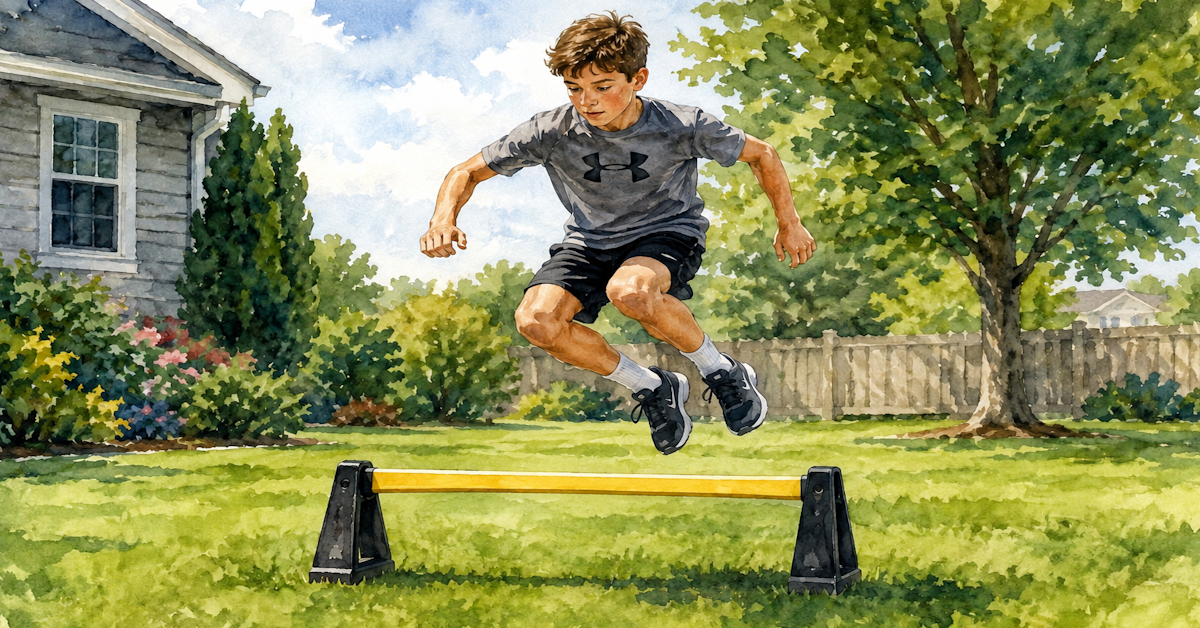
Modern off-ice training has changed a lot over the last decade, and many parents, coaches, and players are still trying to figure out what actually works. The good news is that effective hockey off-ice training is often much simpler than many people think. The goal is not to turn a young player into a professional athlete overnight.
Read MoreHow to Teach ‘Scanning’ When Kids Don’t Naturally Look Up
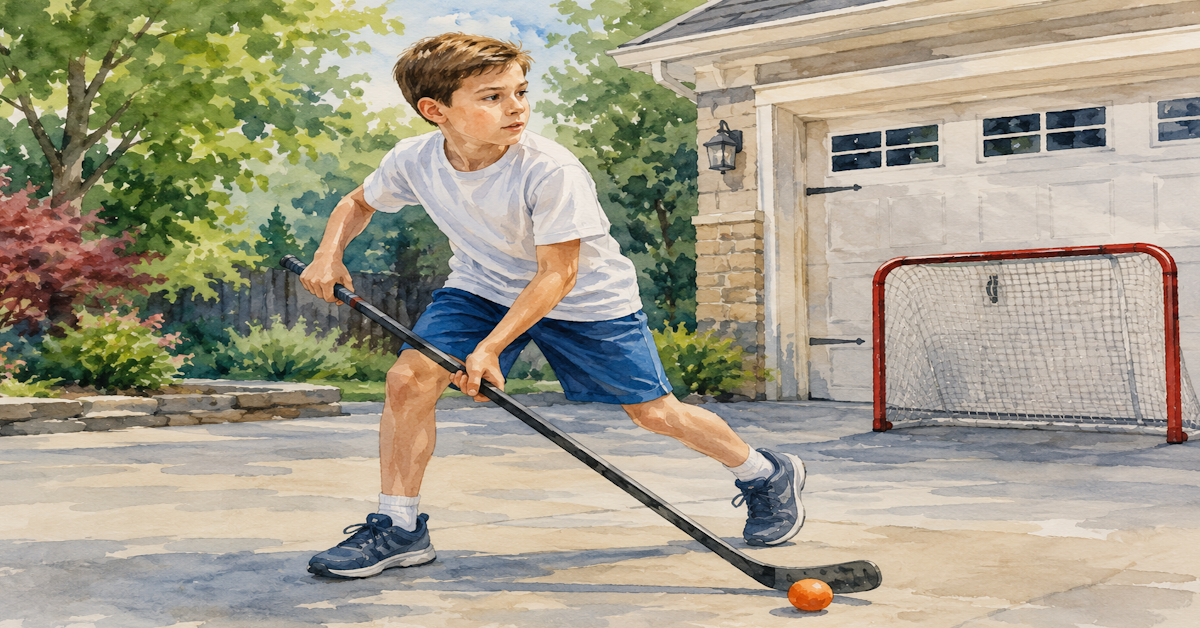
One of the most common challenges in youth hockey is teaching players to look up while handling the puck. Many young players become so focused on controlling the puck that they rarely notice what is happening around them. As a result, they miss open teammates, skate into pressure, and struggle to make smart decisions during games. Coaches often tell players to “keep your head up,” but for many kids, that instruction alone is not enough. Learning to scan the ice is a skill, and like every other hockey skill, it can be taught, practiced, and improved over time.
Read MoreThe Real Reason So Many Players Plateau Between Ages 11 and 14
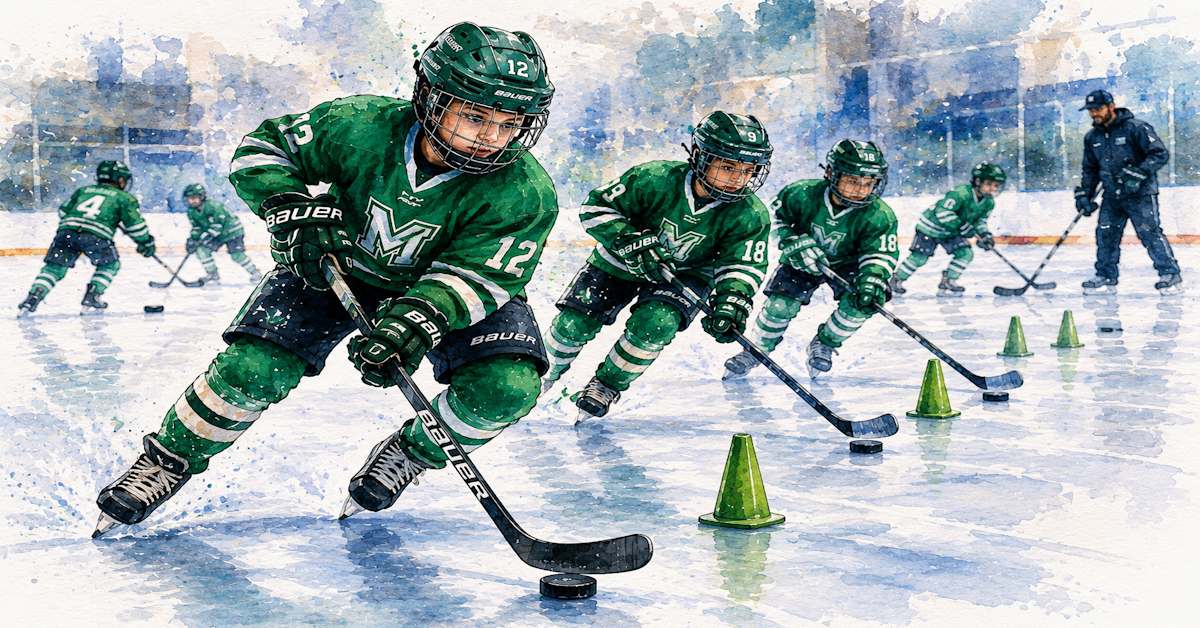
It happens all the time between the ages of 11 and 14. A player who was scoring goals, making teams, and gaining confidence can suddenly seem stuck. Their skating may stop improving as quickly. Their puck skills may look the same year after year. Their confidence may even begin to slip. Parents start wondering what happened. Coaches become concerned. Players often become discouraged. The truth is that this hockey development plateau is incredibly common, and understanding why it happens can help players continue growing instead of becoming frustrated.
Read MoreSummer Skills Camps: What Actually Transfers to Real Games?
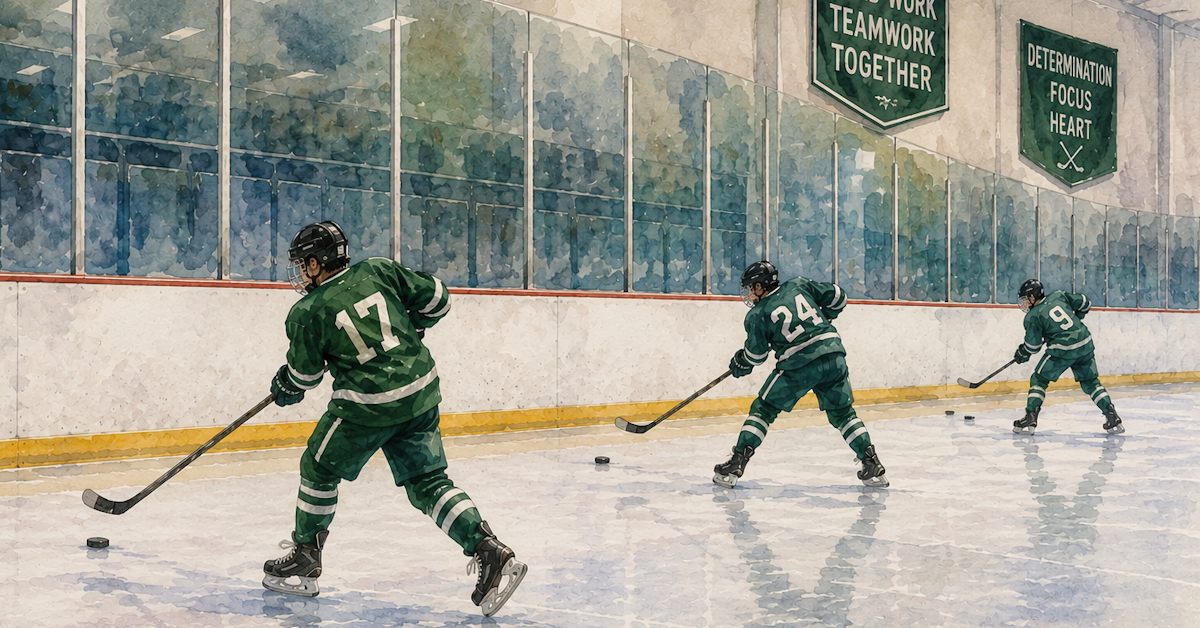
Every summer, hockey players across North America sign up for hockey skills camps with the goal of becoming better players before the next season begins. Parents invest time and money into skating camps, stickhandling clinics, shooting programs, and specialized development sessions because they want to help their players improve. Coaches often encourage athletes to use the off-season wisely and continue developing their game. The big question, however…
Read MoreKeys to Building USABLE STRENGTH with Bands
Follow along with Dave as he shows you how to use bands to train your body for more strength and endurance…
Read MoreHockey School, Clinic & Team Gear Available
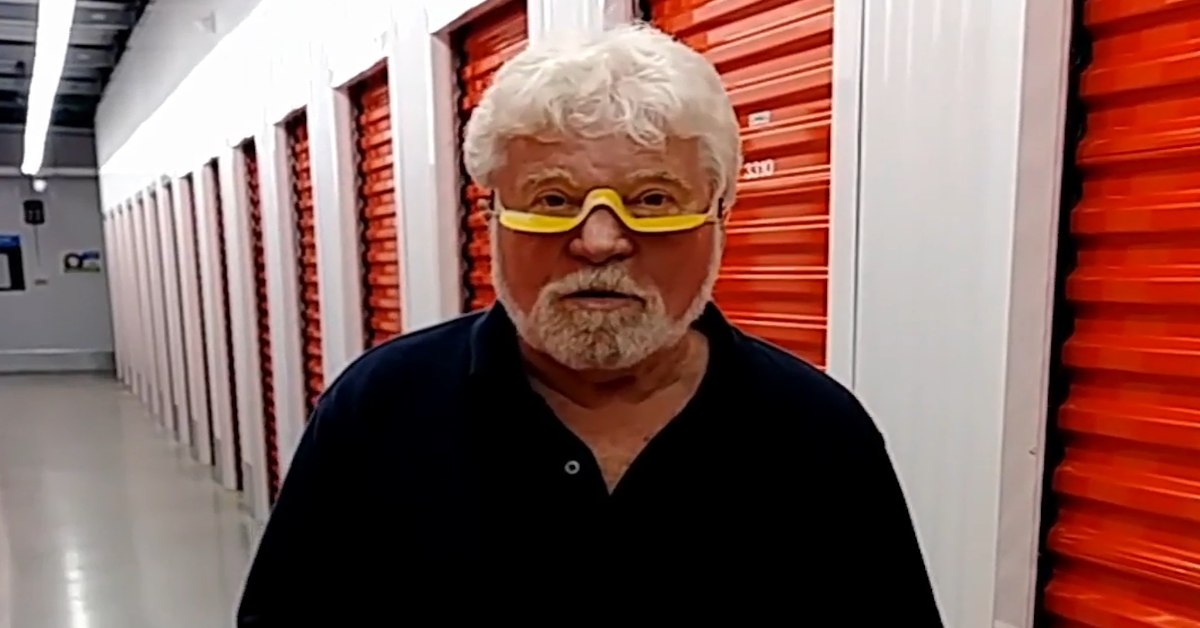
After years of running hockey schools, clinics, and team sessions, I’ve accumulated a lot of training gear — the kind of equipment that keeps players moving, learning, and improving without wasting time in long lines. And I’m now making the remaining pieces available to anyone who can put them to good use…
Read MoreHow to Build a Player Who Can Play Center and Wing
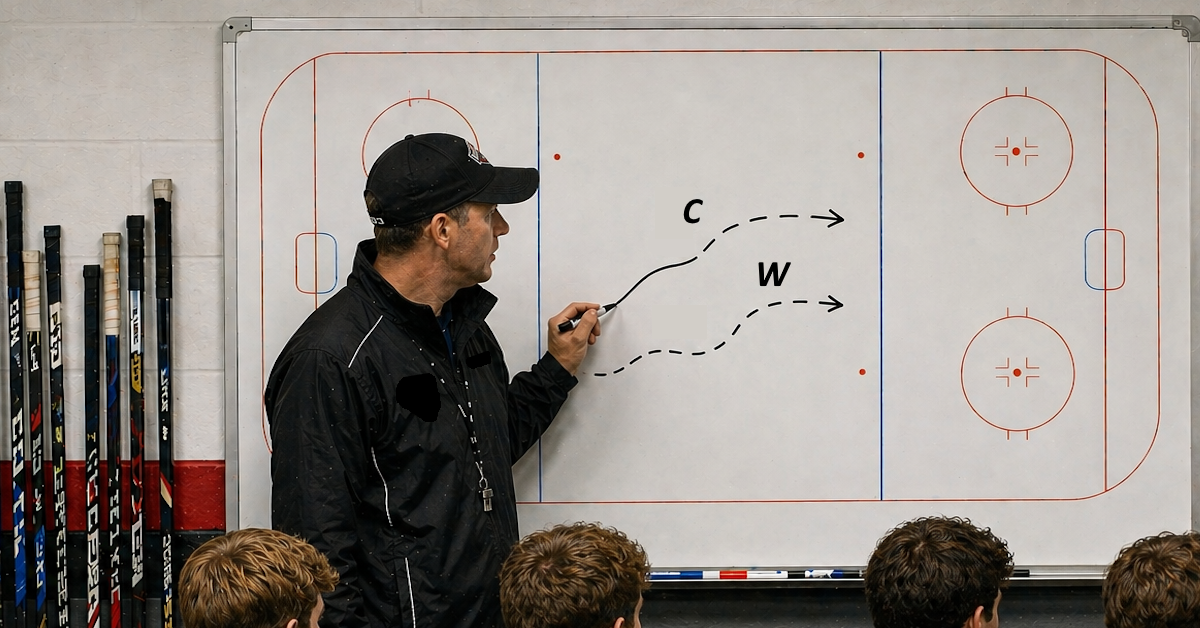
Learning how to play both center and wing is one of the most valuable skills a hockey player can develop, especially at the youth and high school level. Coaches are always looking for versatile players who can adapt to different roles, and players who understand both positions often have a higher hockey IQ and more opportunities to contribute.
Read More12 Band Pull Apart Variations
Follow along with Dave as he shows you how to use these bands to train your body for more strength and endurance…
Read MoreWhy So Many Players Struggle With Gap Control — Even at Older Ages
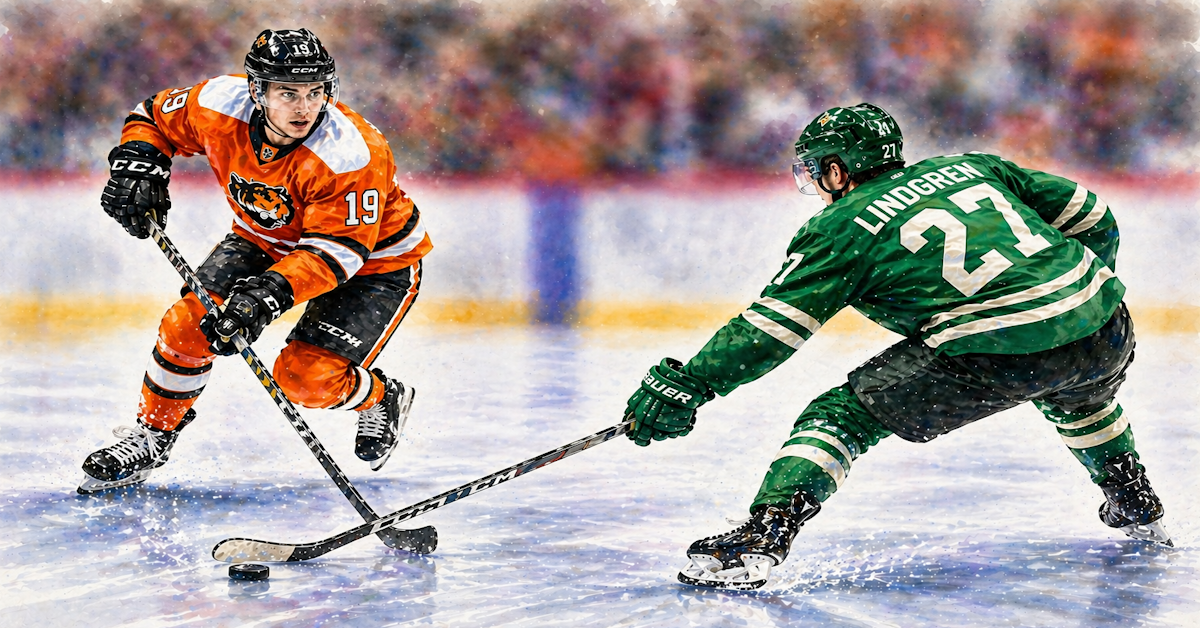
Gap control is one of the most important defensive skills in hockey, yet it is also one of the most misunderstood and underdeveloped, even at the high school level and beyond. Many players can skate well, understand basic positioning, and compete hard, but still struggle when it comes to managing space against an attacking opponent…
Read MoreWhy Young Defensemen Struggle With Retrievals — And How to Train Them
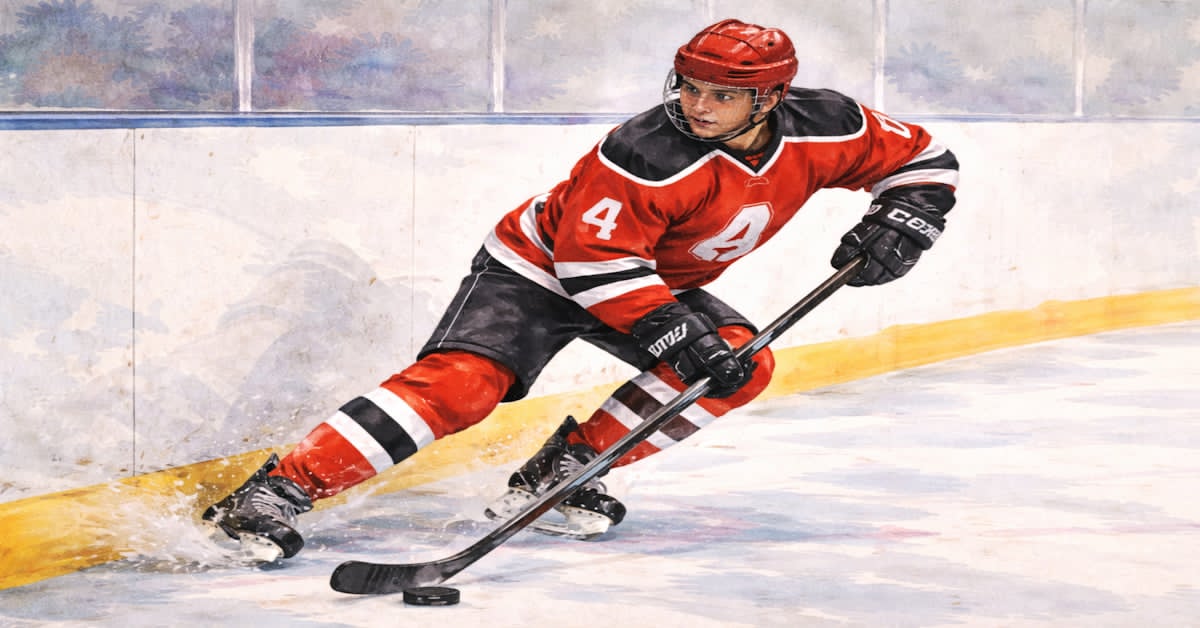
While coaches spend a lot of time teaching breakouts, passing, and positioning, the moment of retrieving the puck is where everything begins. If a defenseman cannot get to the puck cleanly, handle pressure, and make a smart first decision, the entire play breaks down before it even starts.
Read More